AI-Designed Proteins Expose Biosecurity Vulnerabilities in DNA Screening


11 Sources
[1]
Biothreat hunters catch dangerous DNA before it gets made
DNA-synthesis firms routinely use -biosecurity-screening software to ensure that they don't inadvertently create dangerous sequences. But a paper published in Science on 2 October describes a potential vulnerability in this workflow. It details how protein-design strategies aided by artificial
[2]
Do AI-designed proteins create a biosecurity vulnerability?
On Thursday, a team of researchers led by Microsoft announced that they had discovered, and possibly patched, what they're terming a biological zero-day -- an unrecognized security hole in a system that protects us from biological threats. The system at risk screens purchases of DNA sequences to
[3]
Made to order bioweapon? AI-designed toxins slip through safety checks used by companies selling genes
Microsoft bioengineer Bruce Wittmann normally uses artificial intelligence (AI) to design proteins that could help fight disease or grow food. But last year, he used AI tools like a would-be bioterrorist: creating digital blueprints for proteins that could mimic deadly poisons and toxins such as
[4]
Microsoft says AI can create "zero day" threats in biology
"The patch is incomplete, and the state of the art is changing. But this isn't a one-and-done thing. It's the start of even more testing," says Adam Clore, director of technology R&D at Integrated DNA Technologies, a large manufacturer of DNA, who is a coauthor on the Microsoft report. "We're in
[5]

Should we worry AI will create deadly bioweapons? Not yet, but one day
AI tools are being used to design proteins and even viruses, leading to fears these could eventually be used to evade bioweapon controls Artificial intelligence promises to transform biology, allowing us to design better drugs, vaccines and even synthetic organisms for, say, eating waste plastic.
[6]

AI-designed proteins test biosecurity safeguards
New fixes to monitoring software boosts its ability to catch AI-altered toxic proteins New patches to biosecurity screening software can make it harder to produce potentially harmful proteins using artificial intelligence. Around the world, this software monitors processes to artificially make
[7]

AI bioweapon risk laid bare by protein security screening flaw
Bioterrorism threats are rising because of advances in artificial intelligence and synthetic biology, scientists have warned, after researchers found a "striking vulnerability" in software that guards access to genetic material for making deadly proteins. An international team rolled out patches
[8]

AI can now be used to design brand-new viruses. Can we stop it from making the next devastating bioweapon?
As scientists design new viruses using AI, experts are investigating whether current biosecurity measures can hold up to this potential new threat. (Image credit: Andriy Onufriyenko via Getty Images) Scientists have used artificial intelligence (AI) to build brand-new viruses, opening the door to
[9]

How AI is making it easier to design new toxins without being detected
In October 2023, two scientists at Microsoft discovered a startling vulnerability in a safety net intended to prevent bad actors from using artificial intelligence tools to concoct hazardous proteins for warfare or terrorism. Those gaping security holes and how they were discovered were kept
[10]

AI designs for dangerous DNA can slip past biosecurity measures, study shows
Major biotech companies that churn out made-to-order DNA for scientists have protections in place to keep dangerous biological material out of the hands of would-be evil-doers. They screen their orders to catch anyone trying to buy, say, smallpox or anthrax genes. But now, a new study in the
[11]

Microsoft on AI in Biology: Understanding the risks of zero-day threats
Zero-day vulnerabilities show urgent need for stronger AI biosecurity safeguards When Microsoft's chief scientific officer Eric Horvitz and his team describe a "zero-day" in biology, they are deliberately borrowing a term from cybersecurity. A zero-day vulnerability refers to an unknown flaw in
Share
Copy Link
Microsoft-led research reveals potential gaps in DNA synthesis screening, raising concerns about AI's role in creating undetectable bioweapons. The study prompts industry-wide improvements in biosecurity measures.
AI-Designed Proteins Slip Through Biosecurity Nets
A groundbreaking study led by Microsoft researchers has uncovered potential vulnerabilities in the biosecurity screening processes used by DNA synthesis companies. The team, spearheaded by Eric Horvitz and Bruce Wittmann, employed AI tools to design protein variants that mimic dangerous toxins while evading detection by current screening software
1
2
.
Source: Digit
The 'Red Team' Approach
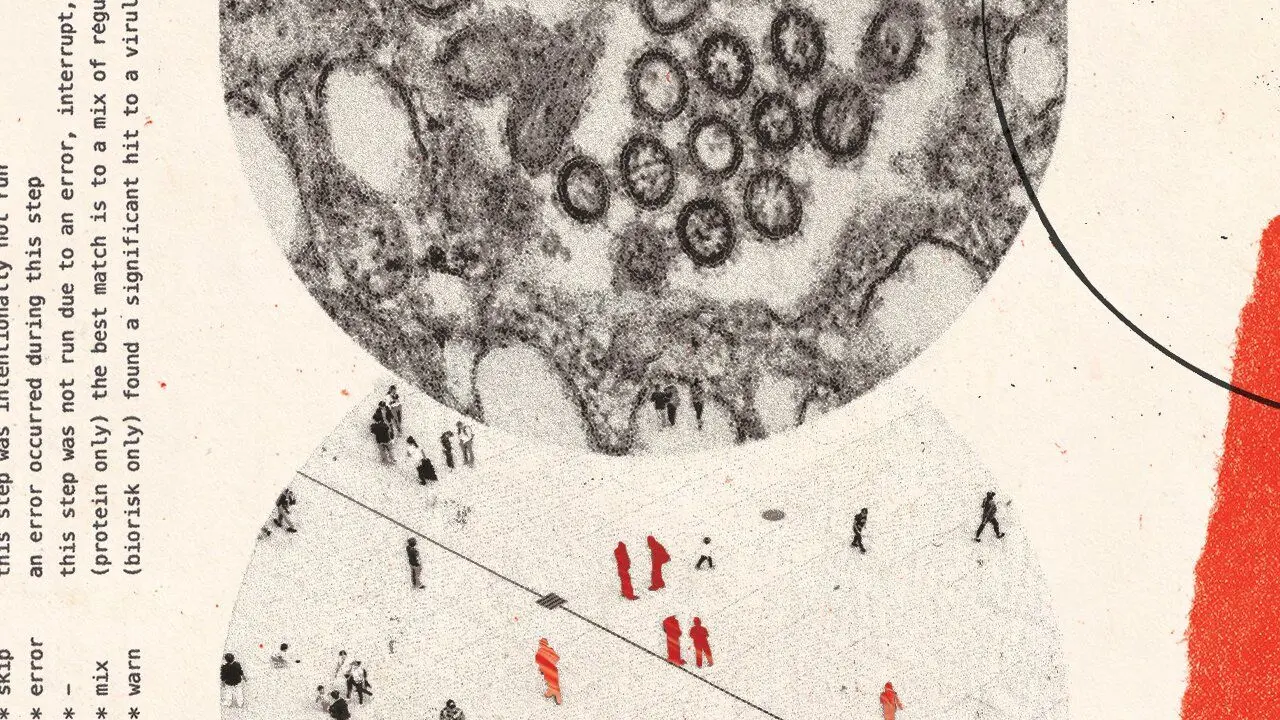
Adopting a 'red team' strategy from cybersecurity, the researchers used AI to generate thousands of protein variants structurally similar to known toxins like ricin and botulinum. When these AI-designed sequences were run through existing biosecurity screening software (BSS), many went undetected. One tool missed over 75% of the potential toxins, highlighting a significant gap in current defenses
3
.
Source: Science.org
Industry Response and Upgrades
Upon discovering these vulnerabilities, the research team promptly alerted key stakeholders, including the International Gene Synthesis Consortium and U.S. government biosecurity officials. This responsible disclosure allowed DNA synthesis companies and BSS providers to upgrade their systems. After improvements, the detection rate increased significantly, with some tools flagging up to 97% of the most concerning sequences
4
.Related Stories
Broader Implications and Future Challenges
While the study focused on proteins, experts warn that viruses could pose a greater threat. AI is already being used to redesign entire viruses, although current efforts have shown limited success
5
. The research underscores the need for ongoing vigilance and adaptation in biosecurity measures as AI capabilities in biological design continue to advance.
Source: MIT Tech Review
Balancing Progress and Precaution
The study highlights the dual-use nature of AI in biology – while it promises breakthroughs in medicine and biotechnology, it also presents potential risks. Experts emphasize the need for continued research, improved screening methods, and possibly built-in safeguards in AI tools themselves to mitigate future biosecurity threats
1
4
.References
Summarized by

Navi
[2]
[3]
[4]
Related Stories
AI in Biotechnology: Balancing Innovation with Biosecurity Concerns
29 Apr 2025•Science and Research

AI executives unite to demand stricter regulation of synthetic biology amid bioweapons concerns
05 Jun 2026•Policy and Regulation

AI Breakthrough: First Functional Genomes Designed and Tested in Lab
27 Sept 2025•Science and Research

Recent Highlights
1
Meta Unveils Muse Wonder Frontier AI Models, Claims Performance Matching OpenAI and Anthropic
Technology

2
IMF Report Warns AI Market Correction Could Spark Global Financial Crisis With $1.4T at Risk
Business and Economy

3
OpenAI Releases 722 AI-Generated Math Solutions, Triggering Existential Crisis in Mathematics
Technology

Recent Highlights
Today's Top Stories









Don’t drown in AI news. We cut through the noise - filtering, ranking and summarizing the most important AI news, breakthroughs and research daily. Follow topics that matter to you and stay ahead.


