AI Disinformation Videos Linked to Russia Target Democratic Senate Candidates in Midterm Elections


4 Sources
[1]
Disinformation videos, likely from Russia, are exploiting real people to malign Senate candidates
NEW YORK (AP) -- Social media videos believed to be produced with artificial intelligence and linked to Russia are misusing real people's names and photographs to spread disinformation about two Democratic Senate candidates in the final stretch of midterm voting. One of the targets is Sherrod
[2]
Fake videos possibly linked to Russia are targeting these two Democratic Senate candidates
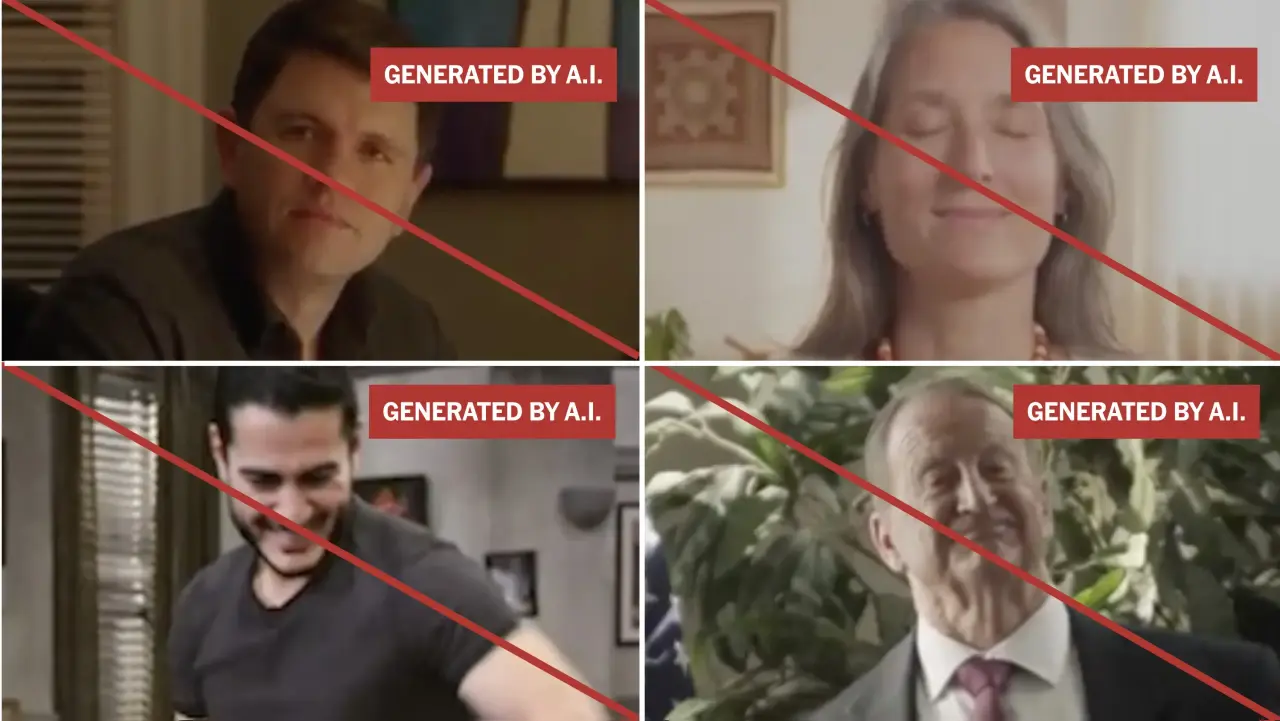
Disinformation videos targeting James Talarico and Sherrod Brown were likely generated by the Russian network known as Storm-1516. Social media videos believed to be produced with artificial intelligence and linked to Russia are misusing real people's names and photographs to spread disinformation
[3]
Disinformation Videos, Likely From Russia, Are Exploiting Real People to Malign Senate Candidates
Social media videos believed to be linked to Russia are misusing real people's names and photographs to spread disinformation about two Democratic Senate candidates NEW YORK (AP) -- Social media videos believed to be produced with artificial intelligence and linked to Russia are misusing real
[4]
Disinformation videos, likely from Russia, are exploiting real people to malign Senate candidates
AI-driven disinformation campaigns are targeting Democratic Senate candidates Sherrod Brown and James Talarico during the midterm elections. These videos misuse real names and images, misleading voters and potentially impacting election outcomes. Experts believe this tactic resembles previous
Share
Copy Link
Disinformation videos linked to Russia are exploiting real people's identities to spread false claims about Democratic Senate candidates Sherrod Brown and James Talarico. Experts trace the AI-generated content to Storm-1516, a Russian network that previously targeted U.S. elections, raising urgent questions about AI-powered disinformation in elections.
AI-Generated Disinformation Videos Surface During Midterm Elections
AI disinformation campaigns are targeting Democratic Senate candidates in the final stretch of midterm voting, with experts linking the fabricated content to Russian interference operations. The disinformation videos linked to Russia misuse real people's names and photographs to spread false allegations about Sherrod Brown, running against Republican Sen. Jon Husted in Ohio, and James Talarico, competing against Republican Ken Paxton for a Senate seat in Texas
1
2
. These AI-powered disinformation in elections demonstrate how foreign adversaries continue exploiting technological advances to influence American voters deciding which party controls Congress next year.
Source: AP
Real People Exploited in Fabricated Newscasts
The video targeting Sherrod Brown depicts a newscast and includes pictures of Haya Akbik, who interned for Brown several years ago, along with other former staff members. Akbik told The Associated Press that any claims attributed to her are "completely made up." The experience of exploiting real people left her appalled. "It's my name, it's my reputation, making this allegation, and it's just completely false," she said. "And it harms the senator, someone else, in the process. So, it's just messed up"
1
3
. The video targeting James Talarico is framed as a direct-to-camera confessional from a former student, using AI manipulation to create what appears to be authentic testimony against the candidate.Storm-1516 Network Behind Deepfakes Campaign
The videos bear similar hallmarks to clips from Storm-1516, a Russian network that targeted former Democratic presidential candidate Kamala Harris and her running mate, Minnesota Gov. Tim Walz, two years ago. Clemson University professor and media forensics expert Darren Linvill confirmed the new deepfakes are likely products of the same network. He found that accounts sharing recent material had also shared former content from Storm-1516
1
2
. Hany Farid, a Dartmouth College professor who studies artificial intelligence deepfakes, analyzed the videos and confirmed they were likely either generated or manipulated using AI technology. He noted the video targeting Brown is a "fairly low-tech fake," while the one targeting Talarico is likely generated by AI and "consistent with previous disinformation campaigns released close to Election Day"1
4
.Platform Response Fails to Contain Spread
Social media platform X has taken down the initial posts sharing the videos and suspended users for violating platform rules. However, copies could still be found online Tuesday, some with hundreds of shares, demonstrating how difficult it becomes to contain disinformation that can proliferate in the final days of an election
2
3
. This challenge highlights a critical vulnerability in content moderation systems when dealing with AI-generated disinformation videos that can be rapidly duplicated and redistributed across multiple accounts and platforms.Related Stories
Election Interference Escalates With AI Technology
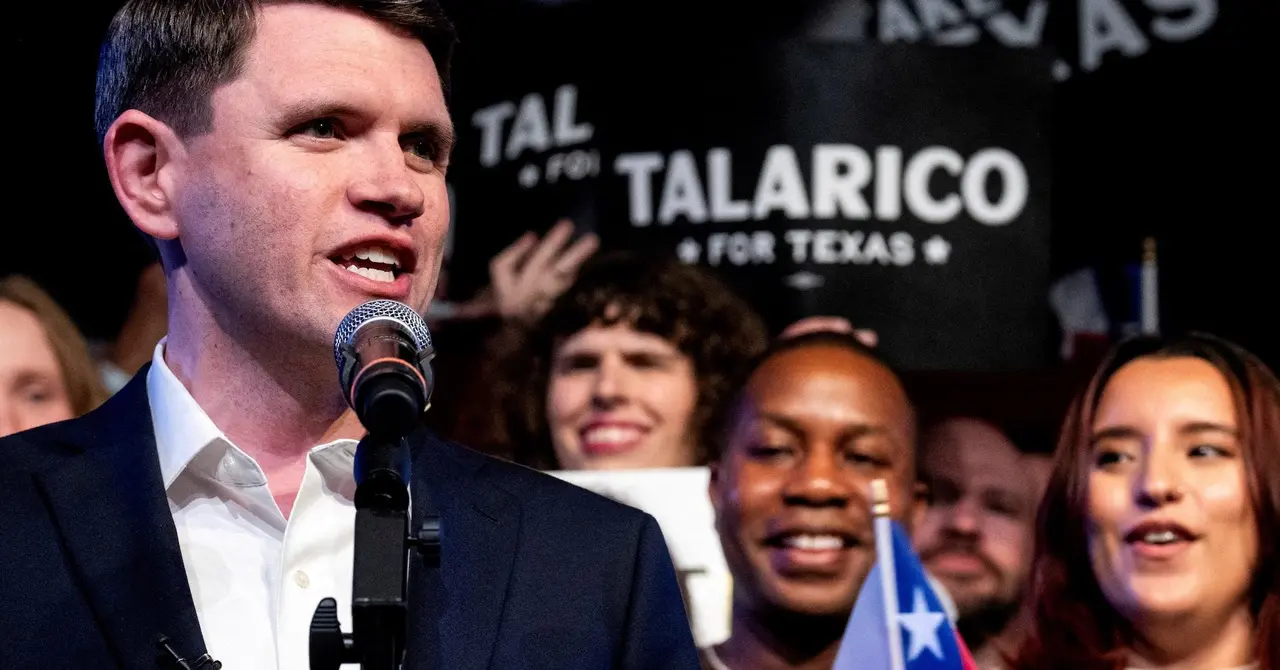
The threat of election interference could be magnified with AI, a powerful tool for fabricating damaging information that can sometimes appear very real. "The most powerful people in the world know they can't beat James Talarico with the truth, so they're slandering him with AI deepfakes, foreign bots, and conspiracy theories to protect their broken, corrupt political system," said Talarico spokesperson JT Ennis
1
4
. The Russian Embassy in Washington did not immediately respond to requests for comment, though it has previously denied interfering in U.S. elections. The U.S. Cybersecurity and Infrastructure Security Agency, which has publicly identified some videos as Russian disinformation in past election cycles, also didn't respond to comment requests.Urgent Need for AI Regulation
Akbik emphasized that the video featuring her demonstrates the importance of Congress regulating "AI slop on the internet." "This is so damaging," she said
1
4
. The timing of these attacks during the midterm elections raises questions about whether similar tactics will become standard practice in future electoral contests. As AI technology becomes more sophisticated and accessible, the ability to create convincing fabricated content could fundamentally alter how voters receive and process information about candidates. Watch for potential legislative responses addressing AI-powered disinformation in elections and how platforms develop more robust detection systems before the next major electoral cycle.References
Summarized by

Navi
[1]
[2]
[3]
Related Stories
AI Disinformation Floods US Midterms as $137M in Deepfake Ads Outpace Platform Moderation
26 Oct 2026•Entertainment and Society

AI deepfakes blur reality in 2026 US midterm campaigns as regulations lag behind technology
28 Mar 2026•Entertainment and Society
Russian AI-Enabled Disinformation Campaigns Target US Election, Intelligence Officials Confirm
23 Oct 2024•Policy and Regulation

Recent Highlights
1
OpenAI's AI Models Disprove 27-Year Exponential Time Hypothesis, Rendering Decades of Research Obsolete
Science and Research

2
Google DeepMind unveils Genie 4 world model with audio and 2-minute interactive simulations
Technology

3
Microsoft AI Diagnostic Tool Beats Doctors With 83% Accuracy on Complex Medical Cases
Health

Recent Highlights
Today's Top Stories





Don’t drown in AI news. We cut through the noise - filtering, ranking and summarizing the most important AI news, breakthroughs and research daily. Follow topics that matter to you and stay ahead.


