2 Sources
[1]
AI firms flex lobbying muscle on both side of Atlantic
Paris (France) (AFP) - AI developers are ramping up efforts to win over the hearts and minds of officials in Europe and the United States, hoping to sway governments as they weigh high-stake regulatory frameworks for the ever more powerful technology. Flush with cash, the firms are also wooing the general public, insisting that artificial intelligence will be a force for good -- and not a destroyer of jobs or an existential threat for humanity. ChatGPT maker OpenAI unveiled this month a 13-page "Industrial Policy for the Intelligence Age" that calls for new taxation and expanded safety nets to ensure society withstands the arrival of superintelligent systems. It has even bought TBPN, a technology-focused talk show, to help shape the narrative. But the policy document also came just days after a public backlash forced the company to halt plans for a sexually explicit chatbot. OpenAI has also faced legal challenges from families of teenagers who say ChatGPT caused harm and even suicide among young people, prompting the company to introduce an age-verification system. "This is a turning point" for the industry, and companies "are spending a fortune to try to get favourable measures passed in their patch", said Alexandra Iteanu, a Paris-based lawyer specialising in digital law. Politicians in pocket? The AI industry has transformed Washington lobbying at extraordinary speed, with more than 3,500 federal lobbyists -- one-fourth of the total -- working on AI issues last year, a 170 percent increase over three years, according to Public Citizen, a consumer advocacy group. The established giants like Meta, Google and Microsoft still dominate spending, but AI start-ups like OpenAI and Anthropic have rapidly built out their Washington presence, hiring elite firms and expanding in-house policy shops. Anthropic for example has focussed its message on promoting AI safety and tighter regulation. But OpenAI is also actively pushing the industry's top legislative priority of preventing US states from passing their own laws governing AI, an effort that has twice failed in Congress but remains very much alive, backed by a sympathetic White House. The influence campaign has moved into electoral politics, with a pro-AI campaign called Leading the Future assembling a $100 million war chest to back AI friendly candidates in the 2026 midterms. President Donald Trump, a fierce opponent of AI regulation, counts OpenAI's cofounder Sam Altman and its president Greg Brockman among his biggest donors. European regulators are also feeling the heat, with the French start-up Mistral recently presenting in Brussels a 22-point plan to accelerate AI development on the Continent. Lobbying outlays by the tech industry have surged 55 percent since 2021 to reach 151 million euros ($177 million) last year, according to study by the Corporate Europe Observatory and LobbyControl, a nonprofit. 'Concentration of wealth' For Margarida Silva of the Centre for Research on Multinational Corporations (SOMO, a Dutch nonprofit), AI firms are working from playbook of the oil and smoking industries, but with one major difference. "They're just the wealthiest companies in the world, so they have a lot of money that they can use to put towards lobbying," Silva said. "When you have such intense corporate lobbying that is based on having such a concentration of wealth, and that is standing in the way of public interest regulations... we are really talking about a democratic threat," she added. Many executives also cultivate friendships with elected officials to have "privileged channels" with public administrations, said Charles Thibout, a politic science professor at the Sciences Po Strasbourg university in eastern France. He noted the phalanx of tech moguls at Trump's inauguration last year, and the close ties between Mistral's cofounder Arthur Mensch and French President Emmanuel Macron. Political leaders are often keen to be seen with AI's top names, Thibout added, if only to help get some of their huge development spending for their states or regions. But "lawmakers are not fooled", said Iteanu, as enthusiasm for AI has not dispelled public wariness about its potential consequences. Despite the colossal spending in the United States, for example, opinion polls regularly show that Americans remain highly sceptical about the technology's benefits, and more worried that it spells doom for millions of jobs.
[2]
AI firms flex lobbying muscle on both side of Atlantic - The Economic Times
AI companies are spending heavily to shape new regulations in Europe and the United States. They are also engaging the public, promoting AI as a force for good. This push comes as governments grapple with the powerful technology's future impact on jobs and society.AI developers are ramping up efforts to win over the hearts and minds of officials in Europe and the United States, hoping to sway governments as they weigh high-stake regulatory frameworks for the ever more powerful technology. Flush with cash, the firms are also wooing the general public, insisting that artificial intelligence will be a force for good -- and not a destroyer of jobs or an existential threat for humanity. ChatGPT maker OpenAI unveiled this month a 13-page "Industrial Policy for the Intelligence Age" that calls for new taxation and expanded safety nets to ensure society withstands the arrival of superintelligent systems. It has even bought TBPN, a technology-focused talk show, to help shape the narrative. But the policy document also came just days after a public backlash forced the company to halt plans for a sexually explicit chatbot. OpenAI has also faced legal challenges from families of teenagers who say ChatGPT caused harm and even suicide among young people, prompting the company to introduce an age-verification system. "This is a turning point" for the industry, and companies "are spending a fortune to try to get favourable measures passed in their patch", said Alexandra Iteanu, a Paris-based lawyer specialising in digital law. Politicians in pocket? The AI industry has transformed Washington lobbying at extraordinary speed, with more than 3,500 federal lobbyists -- one-fourth of the total -- working on AI issues last year, a 170% increase over three years, according to Public Citizen, a consumer advocacy group. The established giants like Meta, Google and Microsoft still dominate spending, but AI start-ups like OpenAI and Anthropic have rapidly built out their Washington presence, hiring elite firms and expanding in-house policy shops. Anthropic, for example, has focussed its message on promoting AI safety and tighter regulation. But OpenAI is also actively pushing the industry's top legislative priority of preventing US states from passing their own laws governing AI, an effort that has twice failed in Congress but remains very much alive, backed by a sympathetic White House. The influence campaign has moved into electoral politics, with a pro-AI campaign called Leading the Future assembling a $100 million war chest to back AI friendly candidates in the 2026 midterms. President Donald Trump, a fierce opponent of AI regulation, counts OpenAI's cofounder Sam Altman and its president Greg Brockman among his biggest donors. European regulators are also feeling the heat, with the French start-up Mistral recently presenting in Brussels a 22-point plan to accelerate AI development on the Continent. Lobbying outlays by the tech industry have surged 55% since 2021 to reach 151 million euros ($177 million) last year, according to study by the Corporate Europe Observatory and LobbyControl, a nonprofit. 'Concentration of wealth' For Margarida Silva of the Centre for Research on Multinational Corporations (SOMO, a Dutch nonprofit), AI firms are working from playbook of the oil and smoking industries, but with one major difference. "They're just the wealthiest companies in the world, so they have a lot of money that they can use to put towards lobbying," Silva said. "When you have such intense corporate lobbying that is based on having such a concentration of wealth, and that is standing in the way of public interest regulations... we are really talking about a democratic threat," she added. Many executives also cultivate friendships with elected officials to have "privileged channels" with public administrations, said Charles Thibout, a politic science professor at the Sciences Po Strasbourg university in eastern France. He noted the phalanx of tech moguls at Trump's inauguration last year, and the close ties between Mistral's cofounder Arthur Mensch and French President Emmanuel Macron. Political leaders are often keen to be seen with AI's top names, Thibout added, if only to help get some of their huge development spending for their states or regions. But "lawmakers are not fooled", said Iteanu, as enthusiasm for AI has not dispelled public wariness about its potential consequences. Despite the colossal spending in the United States, for example, opinion polls regularly show that Americans remain highly sceptical about the technology's benefits, and more worried that it spells doom for millions of jobs.
Share
Copy Link
AI companies are ramping up lobbying efforts on both sides of the Atlantic, with over 3,500 federal lobbyists working on AI regulation in the US alone—a 170% increase in three years. Tech industry lobbying outlays surged 55% since 2021 to reach $177 million in Europe last year. Critics warn this concentration of wealth poses a democratic threat as firms work to influence AI regulatory frameworks.
AI firms are deploying massive resources to influence AI regulatory frameworks as governments in the United States and Europe grapple with how to govern increasingly powerful artificial intelligence systems. The tech industry's lobbying outlays have surged 55% since 2021 to reach 151 million euros ($177 million) last year in Europe alone, according to a study by the Corporate Europe Observatory and LobbyControl
1
. In Washington, the transformation has been even more dramatic, with more than 3,500 federal lobbyists—one-fourth of the total—working on AI regulation issues last year, representing a 170% increase over three years, according to Public Citizen, a consumer advocacy group.

Source: ET
Established giants like Meta, Google, and Microsoft continue to dominate spending heavily in Washington D.C. and Brussels, but AI startups including OpenAI and Anthropic have rapidly built out their presence by hiring elite firms and expanding in-house policy shops
1
. OpenAI unveiled a 13-page "Industrial Policy for the Intelligence Age" this month that calls for new taxation and expanded safety nets to ensure society withstands the arrival of superintelligent systems. The company has even purchased TBPN, a technology-focused talk show, to help shape the narrative and influence public opinion. Meanwhile, French startup Mistral recently presented a 22-point plan in Brussels to accelerate AI development across the continent1
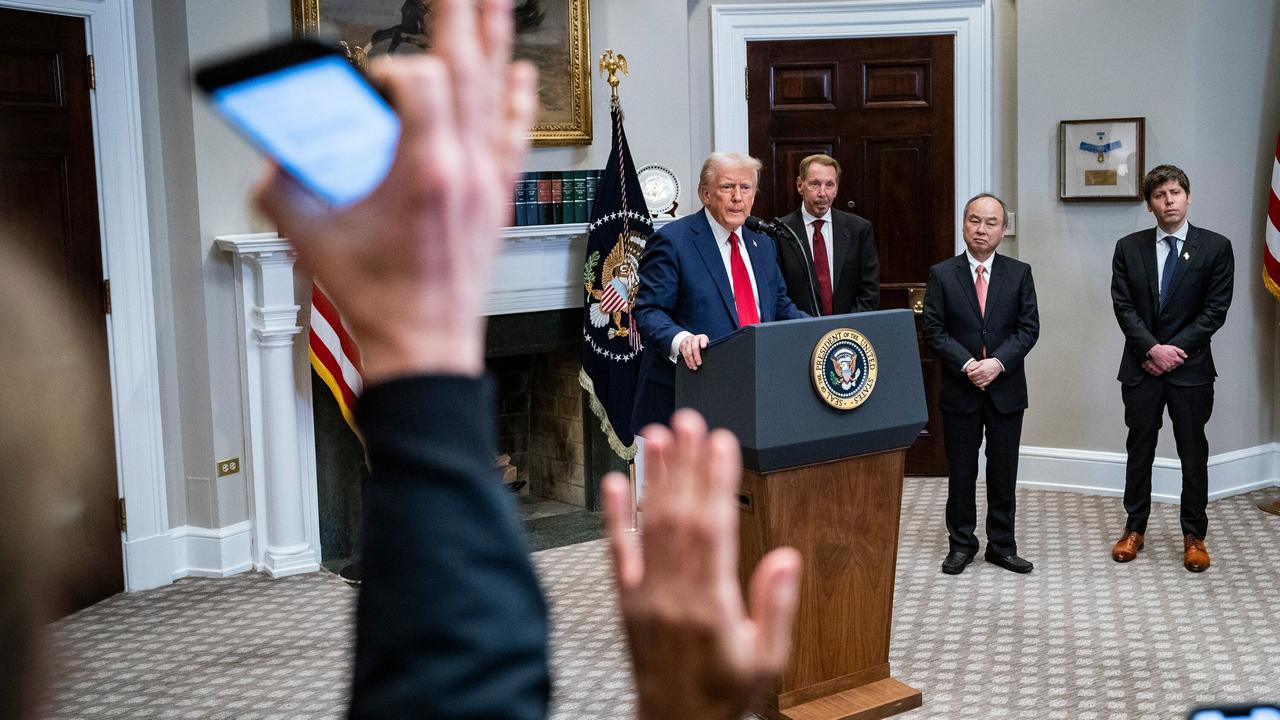
.The lobbying efforts in US and Europe have evolved beyond traditional influence campaigns into direct electoral involvement. A pro-AI campaign called Leading the Future has assembled a $100 million war chest to back AI-friendly candidates in the 2026 midterms. President Donald Trump, a fierce opponent of AI regulation, counts OpenAI cofounder Sam Altman and its president Greg Brockman among his biggest donors. OpenAI is actively pushing the industry's top legislative priority of preventing US states from passing their own laws governing AI, an effort that has twice failed in Congress but remains very much alive, backed by a sympathetic White House
1
. Anthropic has focused its message on promoting AI safety and tighter regulation as part of its approach.Related Stories
Critics argue that AI firms are working from the playbook of the oil and tobacco industries, but with unprecedented financial resources. "They're just the wealthiest companies in the world, so they have a lot of money that they can use to put towards lobbying," said Margarida Silva of the Centre for Research on Multinational Corporations (SOMO). "When you have such intense corporate lobbying that is based on having such a concentration of wealth, and that is standing in the way of public interest regulations... we are really talking about a democratic threat," Silva added
1
. Many executives cultivate friendships with elected officials to maintain privileged channels with public administrations, noted Charles Thibout, a political science professor at Sciences Po Strasbourg university in eastern France. He pointed to the presence of tech moguls at Trump's inauguration and the close ties between Mistral's cofounder Arthur Mensch and French President Emmanuel Macron.Alexandra Iteanu, a Paris-based lawyer specializing in digital law, described the current moment as "a turning point" for the industry, with companies "spending a fortune to try to get favourable measures passed in their patch"
1
. However, the societal impact of AI remains a concern for the public interest. Despite colossal spending in the United States, opinion polls regularly show that Americans remain highly skeptical about the technology's benefits and more worried that it spells doom for millions of jobs. Iteanu noted that "lawmakers are not fooled," as enthusiasm for AI has not dispelled public wariness about its potential consequences. OpenAI has faced legal challenges from families of teenagers who say ChatGPT caused harm and even suicide among young people, prompting the company to introduce an age-verification system, and recently halted plans for a sexually explicit chatbot after public backlash1
.

Source: France 24
Summarized by
Navi
1
Policy and Regulation

2
Entertainment and Society

3
Technology