7 Sources
[1]
Situational Awareness, star AI hedge fund that nearly imploded, now being probed by the SEC
Situational Awareness, the AI focused hedge fund that was Wall Street's fleeting obsession, is having a very bad month. The company, led by twentysomething OpenAI alum Leopold Aschenbrenner, went all-in on a variety of AI investments and, for a period, enjoyed phenomenal growth. Then, at the end of July, a downturn in AI stocks erased billions of dollars in value at the firm. Now, federal regulators are reportedly probing the company as well. The New York Times reports that the Securities and Exchange Commission has been subpoenaing banks that did business with the hedge fund. The subpoenas focus on the banks that supervised the fund's trading and that channeled funding to support it, the outlet says. The government reportedly warned the banks to "preserve any information" about the hedge fund, though it noted that Situational Awareness has not been accused of any wrongdoing. Situational Awareness did not respond to TechCrunch's request for comment but told the Times that scrutiny of high-profile funds is to be expected, and that it would "cooperate to the fullest extent with any regulatory request." The company, which very publicly hitched its wagon to AI's star, may serve as a cautionary tale about the industry's supposedly unstoppable trajectory.
[2]
SEC reportedly subpoenas Wall Street banks over AI hedge fund Situational Awareness's near collapse
* The SEC has subpoenaed a number of Wall Street banks for information tied to AI-focused hedge fund Situational Awareness's near-collapse last month. * The agency is seeking information about the fund's trades, leverage and communications with lenders, according to reports. * The request comes after July's rapid tech sell-off forced the heavily-leveraged hedge fund to unwind its publicly-listed equity positions. In this article * SKHY * GS * JPM * BAC Follow your favorite stocksCREATE FREE ACCOUNT Leopold Aschenbrenner The Securities and Exchange Commission has reportedly subpoenaed several major Wall Street lenders to glean more information about their role in the near-collapse of AI-focused hedge fund Situational Awareness. Regulators are seeking insights into Situational Awareness's trades, use of leverage and communications with the investment banks, which include Goldman Sachs, JP Morgan, Citigroup and Bank of America, according to Reuters, citing a source familiar with the matter. Situational Awareness plunged from about $45 billion to around $10 billion in late July after it was hammered in last month's tech sell-off. The hedge fund, led by former OpenAI researcher Leopold Aschenbrenner, was forced to unwind much of its publicly listed portfolio of large, concentrated, levered positions -- which included SK Hynix and CoreWeave -- after losses sparked several margin calls among its prime brokers. Citadel, Ken Griffin's giant multi-strategy hedge fund, stepped in to buy the positions at a discount, understood to be around 10%. Griffin said in an investor letter Friday that Citadel has since offloaded about 80% of the risk associated with the Situational Awareness portfolio. SK Hynix and CoreWeave have since rallied. Goldman Sachs declined to comment on the matter. CNBC has also contacted JPMorgan, Citigroup and Bank of America for comment. The debacle has cast light on the various ways in which leverage is increasingly underpinning the wider AI boom. The information request does not mean the banks, or Situational Awareness -- which was driven by reported leverage of up to 400% -- have been accused of any wrongdoing by the SEC. Such regulatory inquiries can conclude without any enforcement action. "It is to be expected that regulators would closely examine any funds that are high profile, produce significant returns, or have particularly dramatic drawdowns," Situational Awareness said in a statement. "We are a highly-regulated business and will cooperate to the fullest extent with any regulatory request." The New York Times first reported the subpoenas. Choose CNBC as your preferred source on Google and never miss a moment from the most trusted name in business news.
[3]
S.E.C. Investigating Near-Implosion of A.I. Hedge Fund
Regulators sent subpoenas to major Wall Street banks seeking information about the trading of Situational Awareness, three people briefed on the outreach said. Situational Awareness, a once hot A.I.-focused hedge fund led by a 24-year-old, became the talk of Wall Street when it nearly imploded late last month. Now it is attracting attention from securities regulators, too. The Securities and Exchange Commission recently sent subpoenas to banks that handled the hedge fund's calamitous trading and that fed it borrowed money to supersize its bets, according to three people briefed on the outreach who were not permitted to discuss it publicly. The subpoenas asked for details on the timing of Situational Awareness's trades and for its communications with lenders about the money it was borrowing, also known as "leverage," two of those people said. The subpoenas additionally warned the banks to preserve any information regarding the San Francisco hedge fund. The S.E.C. oversees financial markets with an eye toward protecting small investors, and has brought civil cases regularly against investment firms that produced large losses. Any investigation into Situational Awareness would be at its earliest stages, and it's no guarantee that it would lead to fines or other punishment. The hedge fund has not been accused of wrongdoing. "It is to be expected that regulators would closely examine any funds that are high profile, produce significant returns or have particularly dramatic drawdowns," a Situational Awareness spokesman said in a statement. "We are a highly regulated business and will cooperate to the fullest extent with any regulatory request." The S.E.C. declined to comment. At its peak, Situational Awareness managed more than $30 billion, and borrowed tens of billions more. It was a major client of firms including Bank of America, Citi, Goldman Sachs and JPMorgan Chase, according to a regulatory filing. Spokespeople for Bank of America, Citi, Goldman Sachs and JPMorgan declined to comment. Situational Awareness had a fast rise and an even quicker retreat. Founded just two years ago by Leopold Aschenbrenner, a former researcher at OpenAI, it rode the A.I. boom to soaring investment returns. To achieve those results, however, the fund relied on heavy borrowing, as well as complicated and expensive financial instruments that magnify gains -- and losses. The latter piled up quickly last month when the stock prices of publicly traded, high-flying A.I. companies dipped. At the same time, shares in more traditional technology companies -- which the hedge fund had been betting against -- rose, compounding the problem. Situational Awareness was forced into a fire sale. It wound up selling most of its stock portfolio to a rival, Citadel, at a discount. (A Citadel spokesman declined to comment when asked whether the firm had received a subpoena.) Situational Awareness still has some hope. The fund held on to a stake in the A.I. company Anthropic, which has plans to go public at a valuation that could be as high as $2 trillion. Mr. Aschenbrenner's wife is the chief of staff to Anthropic's chief executive, Dario Amodei.
[4]
The SEC wants to know who lent Aschenbrenner the money
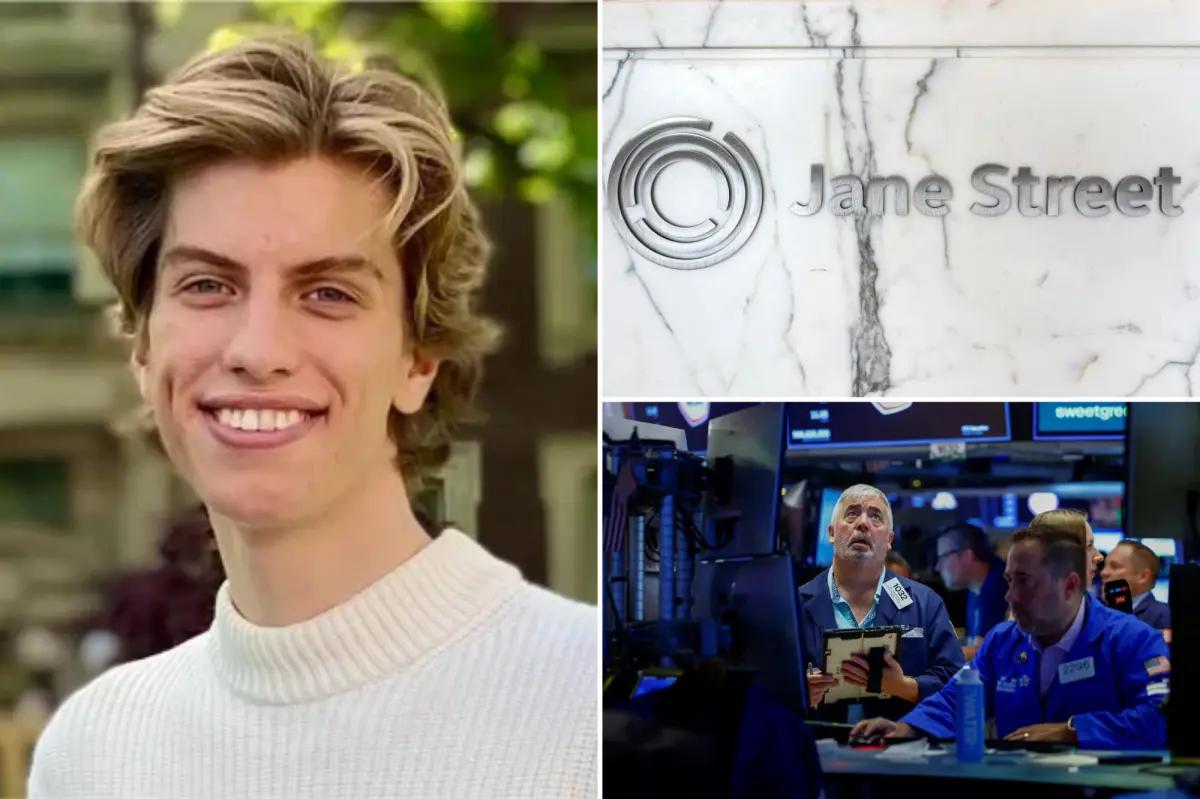
The Securities and Exchange Commission has subpoenaed Goldman Sachs, JPMorgan, Citigroup and Bank of America over Situational Awareness, according to the New York Times and CNBC. It wants trade timing and communications about the fund's borrowing. American securities regulators have subpoenaed the banks that lent Situational Awareness the money it used to make its AI bets. The Securities and Exchange Commission wants the timing of the fund's trades, and its communications with lenders about the money it was borrowing. It also told the banks to preserve any information they hold on the San Francisco firm. Rob Copeland and Matthew Goldstein broke the story for The New York Times, citing three people briefed on the outreach. Four banks, none of them commenting The subpoenas went to Goldman Sachs, JPMorgan Chase, Citigroup and Bank of America, Hugh Leask reported for CNBC, citing Reuters. All four were major clients of the fund, according to a regulatory filing the Times cites. Spokespeople for each declined to comment. So did the SEC. The SEC accuses nobody of anything here. An inquiry does not mean a firm is the focus of an investigation, and these things end without enforcement action often enough. The fund says this was predictable "It is to be expected that regulators would closely examine any funds that are high profile, produce significant returns or have particularly dramatic drawdowns," a Situational Awareness spokesman said. "We are a highly regulated business and will cooperate to the fullest extent with any regulatory request," the statement added. That is a reasonable answer and it is also the only one available. The alternative is silence. The sources disagree on how big it got The Times puts the peak at more than $30bn, with tens of billions more borrowed on top. CNBC and the Wall Street Journal both say $45bn. The direction is not in dispute. CNBC reports the fund fell to around $10bn in late July, and Reuters put the portfolio down 67% for the month. On leverage the accounts line up. Berber Jin, Ben Cohen and Anissa Gardizy reported in the Journal that Situational borrowed about $3 for every $1 of capital it held. CNBC reports leverage of up to 400%. Why the borrowing is the whole story The SEC asked about leverage, and leverage turned a bad month into a near-collapse. The fund was long the AI supply chain and short the traditional software companies it expected AI to displace. When AI stocks fell in July and the older names rose, both sides of the book moved against it at once. Margin calls followed. Lenders forced a fire sale of most of the public portfolio. Citadel bought the positions at a discount understood to be around 10%. Ken Griffin told investors on Friday that Citadel has since offloaded roughly 80% of the risk it took on. SK Hynix and CoreWeave, two of the holdings, have rallied. Jane Street lost $15bn The fund's backers took the damage with it. Jane Street lost about $15bn, the worst monthly loss in the trading firm's history, according to the Journal. Jane Street rarely allocates capital to outside managers. It backed Situational anyway, and it has kept investing in the sector, leading Etched's $700m round this month. Patrick and John Collison, the Stripe founders, were also investors. Twelve employees, four of them investors The Financial Times found the fund ran with eight employees in total, four of them investment professionals. That is a very small number of people to have been managing tens of billions of borrowed dollars, and it is the sort of detail a regulator asks about. Leopold Aschenbrenner founded the fund two years ago at 22. OpenAI had fired him shortly before, and he brought no prior investing experience to the job. The stake that survived is in Anthropic Situational held on to its Anthropic position through the fire sale. Aschenbrenner considered selling a $3.5bn stake in the company and dumped most of his public book instead, the Journal reported. That decision looks better every week. Anthropic is heading for a listing that could value it near $2tn. The connection runs closer than a shareholding. Aschenbrenner married Avital Balwit, the chief of staff to Anthropic chief executive Dario Amodei, earlier this month. Amodei attended the wedding, along with the company's top scientist and more than a dozen Anthropic employees, according to the Journal. The fund had blown up two days earlier. None of that is an allegation Holding equity in a private company while marrying an executive's chief of staff is not a securities offence, and no source suggests otherwise. It matters because the surviving asset in a fund now under regulatory scrutiny is a stake in a company whose leadership sat in the front rows at the founder's wedding. The SEC has asked about trades and leverage. It has not, on any account published so far, asked about Anthropic. He is already raising again Aschenbrenner came back with a $400m bet within days of the collapse. Thousands of retail investors still copy his trades through automated portfolios. His standing in Silicon Valley has, if anything, gone up. One Anthropic researcher predicted this year that Situational would be bigger than Citadel by the end of the decade. What the subpoenas do not tell us The SEC has not said what it is looking for. The subpoenas ask for trade timing and lender communications, which is standard in an inquiry into a leveraged blow-up. Citadel declined to say whether it received one. That is a meaningful gap, because Citadel was the counterparty on the other side. No filing, letter or formal allegation exists in public. Everything the reporting rests on comes from people who lacked authorisation to discuss it. Why Europe should care about a San Francisco fund AI did not fail here. Borrowing against AI did, and one fund does not hold a monopoly on that. Broadcom has sought more than $60bn in debt to fund chips for Anthropic. European operators are financing data centres the same way. The question the SEC is asking of four banks is the one supervisors everywhere will eventually ask: who lent the money, on what terms, and what happens when the collateral is AI equity that all moves together.
[5]
SEC subpoenas banks over Situational Awareness hedge fund collapse
The regulator sought details on the fund's trades, leverage, and communications with lenders including Goldman Sachs, JPMorgan, Citigroup, and Bank of America The Securities and Exchange Commission sent subpoenas to major Wall Street banks seeking information about their dealings with Situational Awareness, the AI-focused hedge fund that nearly collapsed in late July, according to The New York Times. The subpoenas requested information about when Situational Awareness executed its trades and how the fund communicated with lenders regarding its use of borrowed capital. The banks were also instructed by regulators to retain all records concerning the fund. The banks named in the inquiry include Goldman Sachs $GS, JPMorgan $JPM Chase, Citigroup $C, and Bank of America $BAC, according to a regulatory filing cited by The New York Times. Spokespeople for all four banks declined to comment. Situational Awareness has not been accused of any wrongdoing. The SEC declined to comment. Any investigation would be at its earliest stages and may not lead to enforcement action. "It is to be expected that regulators would closely examine any funds that are high profile, produce significant returns or have particularly dramatic drawdowns," a Situational Awareness spokesman said in a statement. "We are a highly regulated business and will cooperate to the fullest extent with any regulatory request." Situational Awareness was established two years ago by Leopold Aschenbrenner, who previously worked as a researcher at OpenAI, and parlayed the broader AI surge into dramatic gains before the fund's near-collapse. The fund had commanded roughly $45 billion at its July high point, using as much as 400% leverage, before losing approximately $35 billion in assets after margin calls from prime brokers forced a distressed sale of its publicly traded holdings. The fund's publicly disclosed U.S. portfolio was heavily concentrated in AI infrastructure names. At the end of June, Sandisk and Micron $MU Technology together accounted for more than 56% of its disclosed U.S. holdings. Sandisk stock fell nearly 47% in July; Micron stock dropped roughly 29%. The fund also held concentrated positions in Bloom Energy, Taiwan Semiconductor Manufacturing, and Nebius Group, all of which declined during the selloff. Ken Griffin's Citadel stepped in to purchase Situational Awareness's publicly traded portfolio at a discount. According to a Friday investor letter from Griffin, Citadel has unwound the bulk of the risk it took on from the Situational Awareness portfolio, completing more than 100 block trades worth upward of $4 billion in market value and cutting its exposure by over 80%. Situational Awareness still holds a position in Anthropic, which is eyeing an IPO at a valuation potentially reaching $2 trillion.
[6]
Feds Investigating Wall Street Bro After His AI Hedge Fund Imploded Spectacularly
Can't-miss innovations from the bleeding edge of science and tech The spectacular saga around Situational Awareness isn't over yet. The once mega-hyped AI hedge fund, founded by 24-year-old Leopold Ashenbrenner, nearly imploded last month after it lost over two-thirds of its value during a mass tech sell-off, wiping out billions of dollars of investor money. Now, the Securities and Exchange Commission is investigating its catastrophic reversal of fortunes, sending subpoenas to the banks that handled and fronted the money for its disastrous bets, the New York Times reports, citing anonymous sources. The subpoenas demanded details on the timing of the fund's trades and for its communications with the bank about the money it was borrowing. Situational Awareness used the borrowed money, called leverage, to buy shares in the AI stocks it was investing in, which boosted its returns but exposed it to even greater losses when those assets hit a downturn. As it stands, Situational Awareness hasn't been accused of any wrongdoing, and it's possible that the investigation won't lead to any action or punishments such as fines being taken against it. In a statement, the fund framed the SEC's subpoenas as a matter of course. "It is to be expected that regulators would closely examine any funds that are high profile, produce significant returns or have particularly dramatic drawdowns," a spokesperson told the NYT. "We are a highly regulated business and will cooperate to the fullest extent with any regulatory request." Situational Awareness's near implosion became a symbol of heedless AI optimism -- and a warning sign of the industry's precarious foundations. Its founder Aschenbrenner was a former OpenAI researcher who had no investment experience before launching the fund, but generated cultish hype by essentially telling AI investors what they wanted to hear: that the tech would bring endless gains. At its peak, it managed assets worth $45 billion in total. But its all-in bets on exclusively AI stocks -- and hedges against industries that some thought would be outmoded by AI such as software -- caused it to tank when the market hit a downturn. The Financial Times found that the fund operated with a skeleton staff of only four investment professionals and eight employees overall. The fund was only spared a total implosion by selling the majority of its assets to the investment firm Citadel -- marking "one of the largest and most sudden stock transactions in Wall Street history, according to the FT.
[7]
US SEC subpoenas Wall Street lenders over Situational Awareness meltdown, source says
Aug 24 (Reuters) - The U.S. Securities and Exchange Commission has sent subpoenas to Wall Street banks working with Situational Awareness to seek information about the fund's trades and use of leverage after its near-collapse last month, a source familiar with the matter told Reuters on Monday. The AI-focused hedge fund was forced to sell most of its public equities portfolio to Citadel, after a broad selloff in global chip stocks roiled its leveraged bets. The U.S. regulator is probing the timing of the trades that triggered margin calls, alongside communications with the hedge fund's top lenders -- including Goldman Sachs, JPMorgan, Citigroup and Bank of America -- around its use of leverage for trades. "It is to be expected that regulators would closely examine any funds that are high profile, produce significant returns, or have particularly dramatic drawdowns," Situational Awareness said in a statement. "We are a highly-regulated business and will cooperate to the fullest extent with any regulatory request." The SEC, Goldman, JPMorgan, Citigroup and BofA declined to comment. The New York Times was the first to report the development. Such a regulatory inquiry does not necessarily result in enforcement actions, and requests for information alone do not imply that any of the firms are targets of an investigation. Situational Awareness, launched in 2024, is run by former OpenAI researcher Leopold Aschenbrenner, whose viral essay on the future of the technology, lofty bets on AI-focused names and outsized returns from the fund propelled him into the spotlight. Those bets, however, unraveled after a sweeping selloff in AI names jolted markets in July. The portfolio value of the fund had fallen 67% in July alone, it told investors last month. "We came closer to permanent capital impairment than is acceptable to us," Aschenbrenner wrote in the letter to investors, adding that while the firm ultimately found a solution, it never intended to be in that position. Hedge funds routinely borrow capital from lenders to magnify their bets, but those positions can reverse quickly when markets move in the opposite direction and prompt margin calls from prime brokers. (Reporting by Anirban Sen in San Francisco and Utkarsh Shetti in Bengaluru; Editing by Joyjeet Das) By Anirban Sen and Utkarsh Shetti
Share
Copy Link
The Securities and Exchange Commission has subpoenaed Goldman Sachs, JPMorgan, Citigroup and Bank of America over their dealings with Situational Awareness, the AI-focused hedge fund that plunged from $45 billion to $10 billion in late July. Regulators want details on the fund's trades, leverage and communications with lenders after 400% leverage turned a bad month into financial distress.
The Securities and Exchange Commission has issued subpoenas to Goldman Sachs, JPMorgan, Citigroup and Bank of America seeking information about their dealings with Situational Awareness, the AI hedge fund that nearly imploded in late July
1
2
. The SEC investigation focuses on the timing of the fund's trades, its use of leverage, and communications with lenders about borrowed money3
. Regulators warned the banks to preserve any information regarding the San Francisco-based fund, though Situational Awareness has not been accused of any wrongdoing.Situational Awareness plunged from approximately $45 billion to around $10 billion during the late July tech sell-off
2
5
. The AI-focused hedge fund, led by 24-year-old former OpenAI researcher Leopold Aschenbrenner, was forced to unwind much of its publicly listed portfolio after losses triggered margin calls among its prime brokers2
. The fund had been using leverage of up to 400%, borrowing about $3 for every $1 of capital it held2
4
. Founded just two years ago when Aschenbrenner was 22, the fund operated with only eight employees total, four of them investment professionals4
.The near collapse of AI hedge fund Situational Awareness stemmed from its concentrated, levered positions in AI infrastructure stocks combined with short positions in traditional software companies
3
. When AI stocks fell in July and older tech names rose, both sides of the fund's book moved against it simultaneously4
. The fund's publicly disclosed U.S. portfolio was heavily concentrated, with Sandisk and Micron Technology accounting for more than 56% of disclosed U.S. holdings at the end of June5
. Sandisk stock fell nearly 47% in July while Micron dropped roughly 29%5
. The fund also held concentrated positions in SK Hynix, CoreWeave, Bloom Energy, Taiwan Semiconductor Manufacturing, and Nebius Group, all of which declined during the selloff2
5
.Ken Griffin's Citadel purchased Situational Awareness's publicly traded positions at a discount understood to be around 10%
2
4
. In an investor letter Friday, Griffin said Citadel has since offloaded about 80% of the risk associated with the Situational Awareness portfolio, completing more than 100 block trades worth upward of $4 billion in market value2
5
. SK Hynix and CoreWeave have rallied since the fire sale2
4
. The fund's backers also absorbed significant losses, with Jane Street losing approximately $15 billion, the worst monthly loss in the trading firm's history4
.Related Stories
The debacle has cast light on the various ways in which leverage is increasingly underpinning the wider AI boom
2
. The information request does not mean the banks or Situational Awareness have been accused of wrongdoing by the SEC, and such regulatory inquiries can conclude without enforcement action2
5
. "It is to be expected that regulators would closely examine any funds that are high profile, produce significant returns, or have particularly dramatic drawdowns," Situational Awareness said in a statement1
2
. "We are a highly regulated business and will cooperate to the fullest extent with any regulatory request." The SEC oversees financial markets with an eye toward protecting small investors and has brought civil cases regularly against investment firms that produced large losses3
.Situational Awareness held on to its stake in Anthropic through the fire sale, with Aschenbrenner considering selling a $3.5 billion stake in the company but ultimately dumping most of his public book instead
4
. That decision looks increasingly strategic as Anthropic heads for a listing that could value it near $2 trillion3
4
5
. The connection runs deeper than a shareholding: Aschenbrenner married Avital Balwit, the chief of staff to Anthropic chief executive Dario Amodei, earlier this month3
4
. Amodei attended the wedding along with the company's top scientist and more than a dozen Anthropic employees, just two days after the fund's collapse4
. The company, which very publicly hitched its wagon to AI's star, may serve as a cautionary tale about the volatility inherent in concentrated, leveraged bets on emerging technology sectors1
.Summarized by
Navi
[1]
[2]
[4]
30 Jul 2026•Business and Economy

15 Aug 2026•Business and Economy

21 Aug 2026•Business and Economy

1
Technology

2
Policy and Regulation

3
Technology