AI Model LucaProt Uncovers Over 160,000 New RNA Viruses, Revolutionizing Viral Discovery


6 Sources
[1]
AI model LucaProt uncovers 251,000 new RNA viruses, revealing hidden diversity worldwide
By Dr. Sushama R. Chaphalkar, PhD.Reviewed by Susha Cheriyedath, M.Sc.Oct 13 2024 A new deep learning model, LucaProt, has detected over 251,000 new RNA virus species from global ecosystems, revealing unprecedented viral diversity in places like Antarctic sediment and extreme aquatic environments.
[2]
AI Discovers 161,000 New Viruses - Neuroscience News
Summary: A novel study study using AI has uncovered 161,979 new RNA viruses, significantly expanding our understanding of Earth's viral diversity. These discoveries were made by analyzing genetic data using a machine learning model, which identified previously unrecognized viruses hidden in public
[3]
AI scans RNA 'dark matter' and uncovers 70,000 new viruses
Researchers have used artificial intelligence (AI) to uncover 70,500 viruses previously unknown to science, many of them weird and nothing like known species. The RNA viruses were identified using metagenomics, in which scientists sample all the genomes present in the environment without having to
[4]
The hidden virosphere: AI helps discover more than 160,000 new virus species
Artificial intelligence (AI) has been used to reveal details of a diverse and fundamental branch of life living right under our feet and in every corner of the globe. A total of 161,979 new species of RNA virus have been discovered using a machine learning tool that researchers believe will vastly
[5]

Over 160,000 new viruses discovered by AI
Artificial intelligence (AI) has been used to reveal details of a diverse and fundamental branch of life living right under our feet and in every corner of the globe. 161,979 new species of RNA virus have been discovered using a machine learning tool that researchers believe will vastly improve
[6]

AI helped discover 160,000 new viruses -- here's why that is good news
While many are (understandably) skeptical of the potential of AI, it has its very specific strengths that could be a huge boon for humanity not just now, but in the future. One of those, it appears, is detecting new species of virus. A new machine-learning model at the University of Sydney,
Share
Copy Link
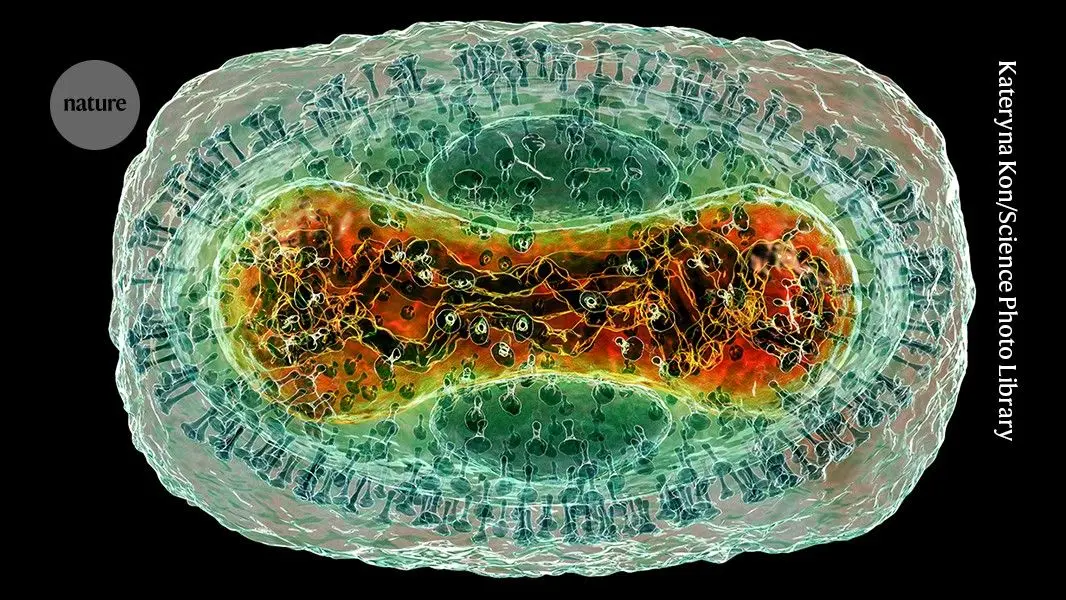
A deep learning AI model called LucaProt has identified over 160,000 new RNA virus species from global ecosystems, significantly expanding our understanding of viral diversity and potentially reshaping the study of Earth's ecosystems.

AI-Powered Discovery Unveils Unprecedented Viral Diversity
In a groundbreaking study published in the journal Cell, researchers have employed artificial intelligence to uncover an astounding 161,979 new species of RNA viruses, marking the largest virus species discovery in a single study to date
1
2
3
. This remarkable achievement was made possible by a novel deep learning model called LucaProt, developed by an international team of scientists.LucaProt: A Revolutionary AI Tool for Virus Discovery
LucaProt, a transformer-based AI model, was designed to detect highly divergent RNA-dependent RNA polymerase (RdRP) sequences in meta-transcriptomes from diverse ecosystems
1
. The model's innovative approach integrates both sequence and predicted structural information, enabling it to identify viral RdRPs with exceptional accuracy and sensitivity4
.Key features of LucaProt include:
- High accuracy (0.9999) and specificity (1.0000) in virus detection
1
- Ability to process lengthy virus genomes up to 47,250 nucleotides
2
- Outperformance of traditional bioinformatics tools in recall rate and long-sequence processing
1
5
Unveiling the Hidden Virosphere
The research team analyzed 10,487 meta-transcriptomes, comprising 51 terabytes of sequencing data from diverse environments worldwide
1
. This extensive analysis revealed:- 161,979 potential RNA virus species
1
2
3
- 180 RNA viral supergroups, including 60 previously unidentified
1
- Viruses found in extreme environments such as Antarctic sediment, hot springs, and hydrothermal vents
2
4
Related Stories

Implications for Viral Research and Ecosystem Understanding
This landmark discovery has significant implications for various fields:
-
Expanding viral taxonomy: The findings substantially increase our knowledge of RNA virus diversity, potentially reshaping viral classification systems
1
3
. -
Ecosystem insights: The presence of RNA viruses in extreme environments suggests their potential role in global ecosystems and may provide clues about the origins of viruses and other life forms
2
4
. -
Future research directions: The study opens up new avenues for exploring viral and microbial diversity, with potential applications in identifying bacteria and parasites
2
5
.
AI's Growing Role in Biological Exploration
The success of LucaProt demonstrates the power of AI in biological research:
-
Dark matter illumination: The AI model effectively organized and categorized previously unidentified "dark matter" sequences in public databases
2
4
. -
Accelerated discovery: LucaProt significantly fast-tracked virus discovery compared to traditional time-intensive methods
2
4
. -
Future applications: Researchers plan to apply this AI-based model across various applications, potentially leading to further breakthroughs in virology and other biological fields
4
5
.
As this groundbreaking research continues to unfold, it promises to reshape our understanding of viral diversity and evolution, while highlighting the transformative potential of AI in scientific discovery.
References
Summarized by

Navi
[1]
[2]
[5]
Related Stories
AlphaFold Database Expands With 8,000+ Virus Protein Structures to Prepare for the Next Pandemic
24 Sept 2026•Science and Research
AI Breakthrough: First Functional Genomes Designed and Tested in Lab
27 Sept 2025•Science and Research

AI Revolutionizes Protein Sequencing: InstaNovo Models Enhance Accuracy and Discovery
31 Mar 2025•Science and Research

Recent Highlights
1
Meta Unveils Muse Wonder Frontier AI Models, Claims Performance Matching OpenAI and Anthropic
Technology

2
IMF Report Warns AI Market Correction Could Spark Global Financial Crisis With $1.4T at Risk
Business and Economy

3
OpenAI Releases 722 AI-Generated Math Solutions, Triggering Existential Crisis in Mathematics
Technology

Recent Highlights
Today's Top Stories









Don’t drown in AI news. We cut through the noise - filtering, ranking and summarizing the most important AI news, breakthroughs and research daily. Follow topics that matter to you and stay ahead.


