AlphaFold Database Expands With 8,000+ Virus Protein Structures to Prepare for the Next Pandemic


3 Sources
[1]
AlphaFold 'goes viral': database adds protein complexes of common viruses
A database of predicted structures for nearly every known protein on Earth is being upgraded to better represent some of the least known and deadliest species: viruses. Researchers added more than 8,000 virus protein dimers -- pairs of interacting molecules -- to the AlphaFold Protein Structure
[2]
How Open Science Can Help Researchers Prepare for the Next Pandemic
NVIDIA is collaborating with organizations including Google DeepMind and the European Molecular Biology Laboratory's European Bioinformatics Institute to release an open dataset of viral protein structures -- giving scientists a head start against diseases. When COVID-19 emerged, scientists had a
[3]
COVID-19 had a scientific head start; the next pandemic virus may be a stranger. NVIDIA and Google DeepMind are using AI to map 2,800 viruses before the next outbreak
An international collaboration has developed a dataset of predicted protein structures from more than 2,800 viruses. This data is accessible through the AlphaFold Database, aiding in pandemic preparedness. Researchers can accelerate their investigations of new viruses using this information for
Share
Copy Link
Google DeepMind, NVIDIA, and EMBL-EBI have released an open dataset of predicted 3D structures for protein complexes from over 2,800 viruses through the AlphaFold Protein Structure Database. The collaboration adds more than 8,000 virus protein dimers from 23 virus families, providing scientists with structural insights that could accelerate response to future outbreaks.
AlphaFold Adds Virus Protein Structures in Major Pandemic Preparedness Push
The AlphaFold Protein Structure Database has launched a pandemic preparedness portal, adding more than 8,000 virus protein dimers from 23 virus families with human-infecting members
1
. This expansion represents a proactive use of AI to map viruses before they become health crises, addressing a critical gap in global health security.The initiative brings together Google DeepMind, NVIDIA, the European Molecular Biology Laboratory's European Bioinformatics Institute (EMBL-EBI), and multiple research organizations to create an open dataset of predicted 3D structures for protein complexes from over 2,800 viruses
2
. The collaboration spans institutions including the Coalition for Epidemic Preparedness Innovations, Seoul National University, the Swiss Institute of Bioinformatics, and the University of Glasgow.Why Virus Protein Structures Matter for Future Outbreaks
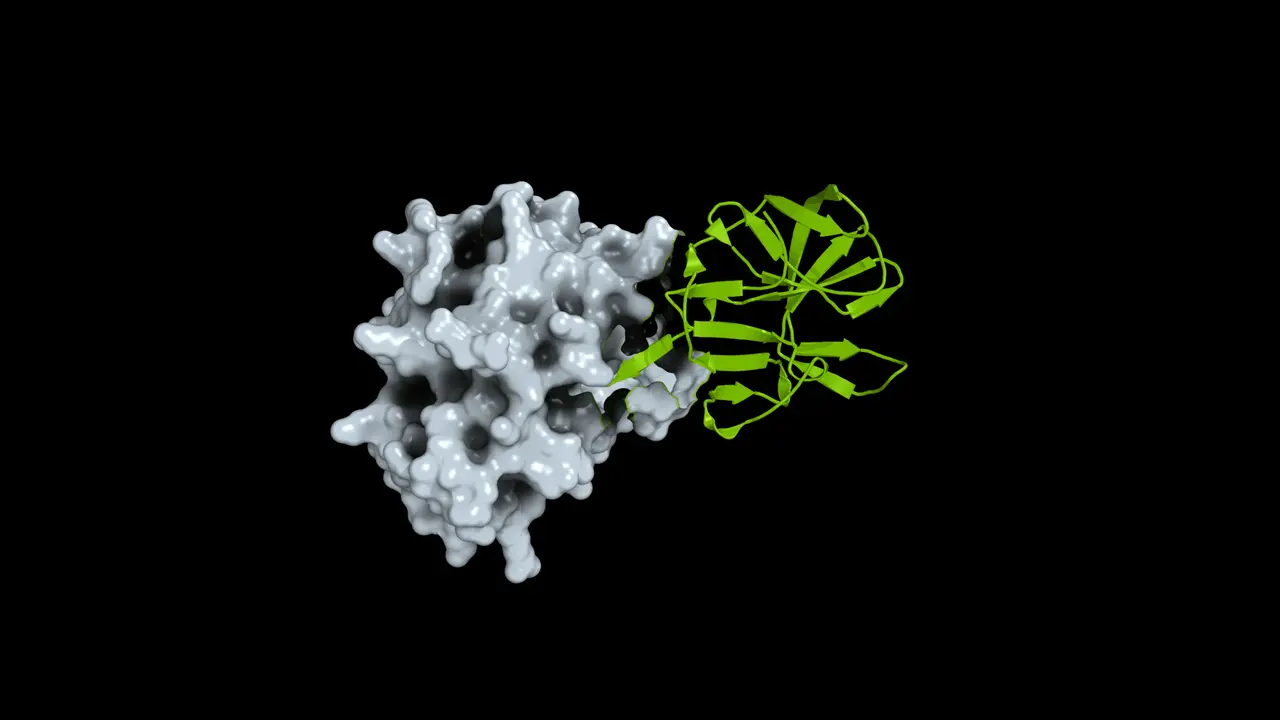
When COVID-19 emerged, scientists had a crucial advantage. Decades of research on coronaviruses meant they understood SARS-CoV-2's key proteins well enough to design vaccines in record time
2
. The next pandemic may not offer the same head start. Joe Grove, professor of molecular virology at the University of Glasgow's Centre for Virus Research, explains the urgency: "When the next pandemic happens, there may be something that comes out of the blue, and we'll be lacking the knowledge we had for COVID. What we're trying to do is stockpile some of that knowledge ahead of time"2
.Many viral proteins do not act individually—they work in concert with partners to perform functions essential for viral replication, host cell entry, and immune evasion
1
. These protein complexes often serve as targets for drug and vaccine development. Understanding the 3D structure of COVID-19's spike protein, for example, proved foundational to vaccine design2
.
Source: NVIDIA
Technical Breakthrough: Mapping Viral Proteomes at Scale
Researchers analyzed sequences of 41,774 proteins from approximately 2,800 viruses, including pathogens causing mpox, measles, hepatitis B, Zika, and dengue
1
. Using AlphaFold optimized with NVIDIA BioNeMo Inference Runtime, the team predicted structures for 40,746 homodimers and nearly 1.7 million heterodimers1
.Of these predictions, 2,749 homodimers and 5,279 heterodimers met accuracy thresholds for inclusion in the AlphaFold Protein Structure Database, though all predictions were made publicly available
1
. Traditional methods for determining protein structures can take years and cost thousands of dollars per structure, but AlphaFold2 running on NVIDIA GPUs predicts structures in minutes2
.About 30% of the protein interactions added to the database represent completely new structural insights never documented in the Protein Data Bank, the main repository of experimentally determined protein structures
2
3
. Chris Dallago, applied research science team lead in digital biology at NVIDIA, describes the resource as "an engine for hypothesis generation," enabling biologists to investigate protein interactions as complexes rather than single molecules2
.Addressing Viruses as a Blind Spot in Structural Biology
Despite the AlphaFold database holding predicted structures for most known proteins and serving more than three million users, viruses have been a blind spot
1
. High-quality entries were lacking for many individual proteins, particularly in flaviviruses like Zika and dengue.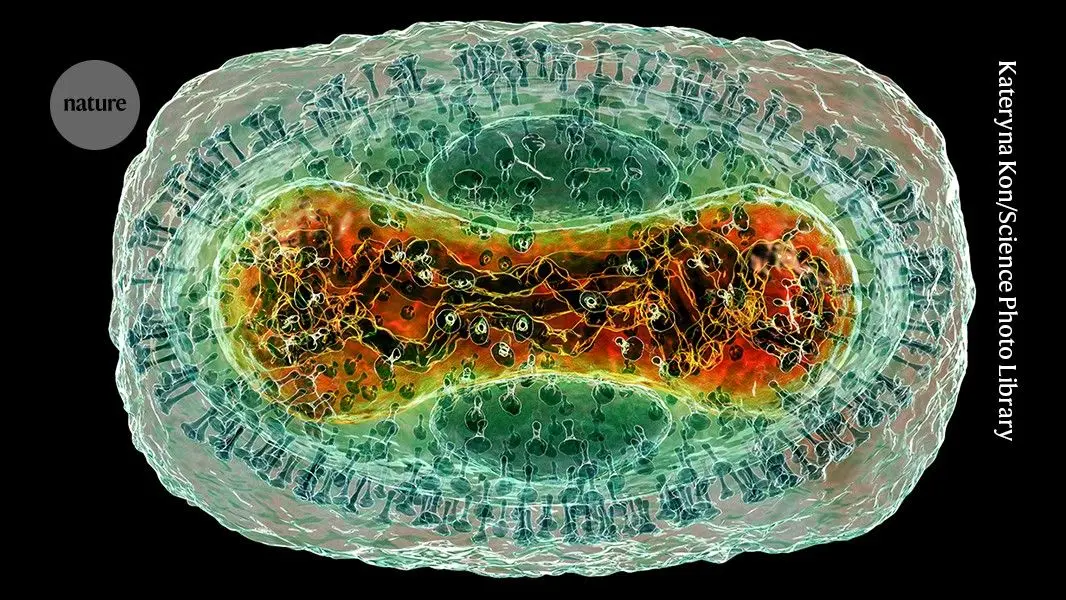
Source: Nature
This gap exists because when some viruses replicate, their RNA molecules are first translated into polyproteins, which are then cut into individual functional molecules
1
. This process makes it difficult to determine from a virus's genetic sequence where a viral protein begins and ends, leading to incomplete structure predictions. Researchers at the Swiss Institute of Bioinformatics in Geneva addressed this by identifying accurate sequences for thousands of viral proteins cut from polyproteins1
.Related Stories
Open Science Approach Democratizes Access
Risha Patel, life sciences partnerships manager at Google DeepMind, emphasizes the mission: "Our ambition with the AlphaFold Database has always been to democratize access to foundational biology at scale. This collaboration to bring thousands of viral complexes into the database will equip scientists around the world with insights they need to help prepare for future outbreaks"
2
.NVIDIA is openly releasing the BioNeMo Structure Prediction Pipeline, the GPU-accelerated workflow used to generate the dataset, allowing researchers to predict 3D structures for their own targets
2
. The AlphaFold Protein Structure Database now holds more than 260 million protein and protein complex predictions, covering nearly every cataloged protein known to science2
.What Comes Next and What to Watch
The current release focuses on dimers, but larger protein complexes remain a priority. The spike protein enabling SARS-CoV-2 and other coronaviruses to infect host cells comprises three identical proteins, as does HIV's envelope-entry protein
1
. Sameer Velankar, a bioinformatician at EMBL-EBI, confirms that including trimer predictions is an obvious next step, though determining the composition of bigger complexes presents challenges1
.The predictions currently lack sugar molecules that adorn many viral proteins and help them evade immune detection
1
. An analysis by the Center for Global Development estimates roughly a 50% chance of the world facing a pandemic as severe as COVID-19 by 20502
, underscoring the importance of this computational foundation for virology research and global health security.References
Summarized by

Navi
Related Stories
AI Model LucaProt Uncovers Over 160,000 New RNA Viruses, Revolutionizing Viral Discovery
10 Oct 2024•Science and Research

OpenFold3 Emerges as Open-Source Alternative to AlphaFold3, Democratizing Protein Structure Prediction
29 Oct 2025•Science and Research

AlphaFold Upgrade: AI Now Predicts Large Protein Structures and Integrates Experimental Data
05 Nov 2024•Science and Research

Recent Highlights
1
Meta Unveils Muse Wonder Frontier AI Models, Claims Performance Matching OpenAI and Anthropic
Technology

2
IMF Report Warns AI Market Correction Could Spark Global Financial Crisis With $1.4T at Risk
Business and Economy

3
OpenAI Releases 722 AI-Generated Math Solutions, Triggering Existential Crisis in Mathematics
Technology

Recent Highlights
Today's Top Stories









Don’t drown in AI news. We cut through the noise - filtering, ranking and summarizing the most important AI news, breakthroughs and research daily. Follow topics that matter to you and stay ahead.


