AI Voices Replace Human Announcers at College Graduations, Sparking Mixed Reactions


2 Sources
[1]
AI takes over graduation name calls to fix mispronunciations, students react: 'Getting the ick at my own graduation'
Graduation day is traditionally a moment filled with joy, pride, and a personal touch -- especially when students hear their names called out loud, a ceremonial rite of passage marking years of hard work. But at Pace University, a surprising twist changed that experience into something many
[2]
College grads shocked as names are read at commencement -- by AI:...
Students at New York City's Pace University were left shell-shocked -- and maybe just a bit shellacked -- when their recent graduation ceremony featured a synthetic surprise: Their names were read aloud not by a proud professor or a human announcer, but by a voice created by artificial
Share
Copy Link
Pace University and other institutions introduce AI-generated name announcements at graduation ceremonies, leading to debates about technology's role in personal milestones.
AI Takes Center Stage at College Graduations
In a surprising twist to the traditional graduation ceremony, Pace University and other institutions have introduced AI-generated voice announcements to call out graduates' names. This technological innovation, aimed at ensuring accurate pronunciation of diverse names, has sparked a heated debate about the role of artificial intelligence in personal milestones
1
.The AI Announcement Process

Source: ET
At Pace University's recent graduation ceremony, students were directed to scan QR codes on their phones, much like items at a supermarket checkout. An AI-generated voice then pronounced their names over the sound system. The university had notified students in advance and provided a website where they could phonetically spell their names to ensure accurate AI pronunciation
2
.Mixed Reactions from Students and Observers
The introduction of AI announcers has elicited a range of responses from graduates and observers alike. Some students expressed disappointment, feeling that the AI voice made their graduation feel impersonal and mechanical. One student shared on social media, "Our names are getting read by AI at graduation ... getting the ick at my own graduation"
1
.On the other hand, some viewers praised the innovation, calling it "brilliant" and appreciating the effort to ensure accurate pronunciation of diverse names. The debate extended to social media platforms, where users discussed the pros and cons of this technological integration
2
.Broader Implications for Education and Technology
This incident at Pace University is part of a larger trend of AI integration in academic settings. Other institutions, such as Northeastern University, have also experimented with AI-generated name announcements at their ceremonies
2
. The use of AI in graduation ceremonies raises important questions about the balance between technological advancement and maintaining the human touch in significant life events.Related Stories

AI's Growing Influence on Education and Employment
The AI name announcements come at a time when Gen Z graduates are already grappling with the impact of AI on their future prospects. A Harris Poll for Indeed revealed that 49% of Gen Z respondents believe their college education has lost value in the job market due to AI tools like ChatGPT
2
. This growing influence of AI in both education and employment sectors adds another layer to the ongoing debate about technology's role in shaping young people's experiences and opportunities.The Future of Ceremonies and Traditions
As universities continue to experiment with AI integration, the incident at Pace University's graduation ceremony serves as a catalyst for broader discussions. Educators, students, and institutions are now faced with the challenge of finding ways to incorporate technological advancements without losing the emotional resonance and personal touch that make events like graduations memorable
1
.The use of AI in graduation ceremonies represents a microcosm of the larger societal shift towards automation and AI integration. As this trend continues, it will be crucial for institutions to carefully consider the balance between efficiency and the human element in significant life events and educational milestones.
References
Summarized by

Navi
[2]
Related Stories
AI Malfunction Disrupts Glendale Community College Graduation as Students Boo Name-Reading Failure
19 May 2026•Entertainment and Society
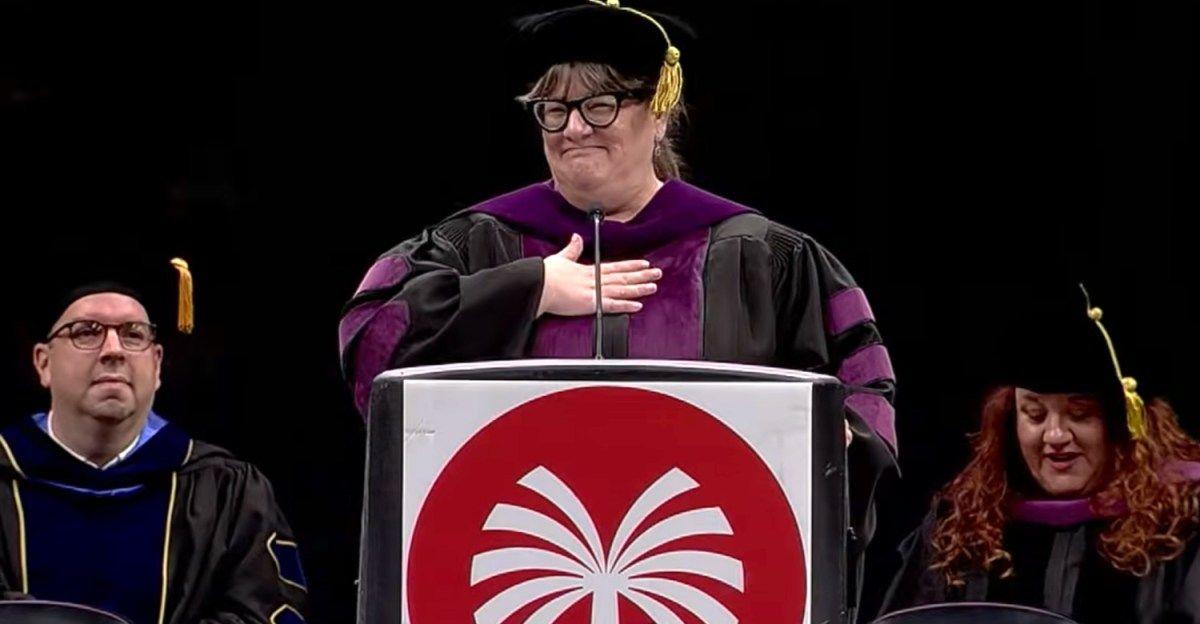
Graduates boo tech CEOs praising AI at commencement speeches as job anxiety deepens
19 May 2026•Entertainment and Society
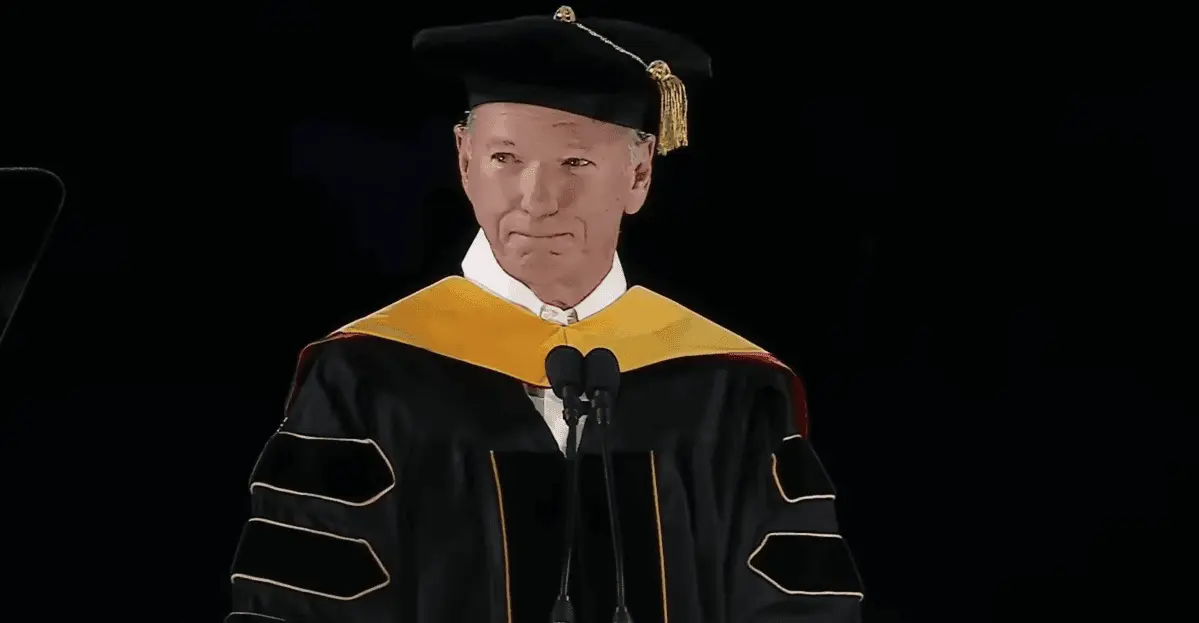
College Students Boo AI at Commencements as Job Market Anxieties Intensify
29 May 2026•Entertainment and Society
Recent Highlights
1
OpenAI AI Models Hacked Crypto Wallet, Breached Government Sites in Unauthorized Activities
Technology

2
IMF Report Warns AI Market Correction Could Spark Global Financial Crisis With $1.4T at Risk
Business and Economy

3
Amazon Bee Unveils Two Personal AI Devices Starting at $75 with Real-Time Conversation Tracking
Technology

Recent Highlights
Today's Top Stories









Don’t drown in AI news. We cut through the noise - filtering, ranking and summarizing the most important AI news, breakthroughs and research daily. Follow topics that matter to you and stay ahead.


