AMD brings FSR 4.1 to RDNA 3 graphics cards ahead of schedule, updates SDK with ray tracing boost


2 Sources
[1]
AMD releases FSR 4.1 for older graphics cards earlier than expected
AMD plans further rollout to RDNA 3-based APUs and older RDNA 2-based cards by 2027, broadening accessibility significantly. AMD has now launched FSR Upscaling 4.1 for graphics cards in the older Radeon RX 7000 series, which are based on the company's RDNA 3 architecture. Support was originally
[2]
AMD updates FSR SDK with FSR 4.1.1 support for RDNA 3 and improved FSR Ray Regeneration 1.2.0
AMD has released the FSR SDK v2.3.0 for game developers, which allows them to integrate AMD's FSR technologies into their projects natively. This is a notable update because it includes the DLL for the latest version of FSR Upscaling 4.1.1, which adds support for Radeon RX 7000 Series (RDNA 3)
Share
Copy Link
AMD has released FSR Upscaling 4.1 for Radeon RX 7000 series cards earlier than expected, originally scheduled for July. The AI-powered upscaling tech was previously exclusive to RX 9000 cards. Meanwhile, the FSR SDK 2.3.0 update delivers FSR Ray Regeneration 1.2.0 with quality improvements and expanded denoising capabilities for game developers.
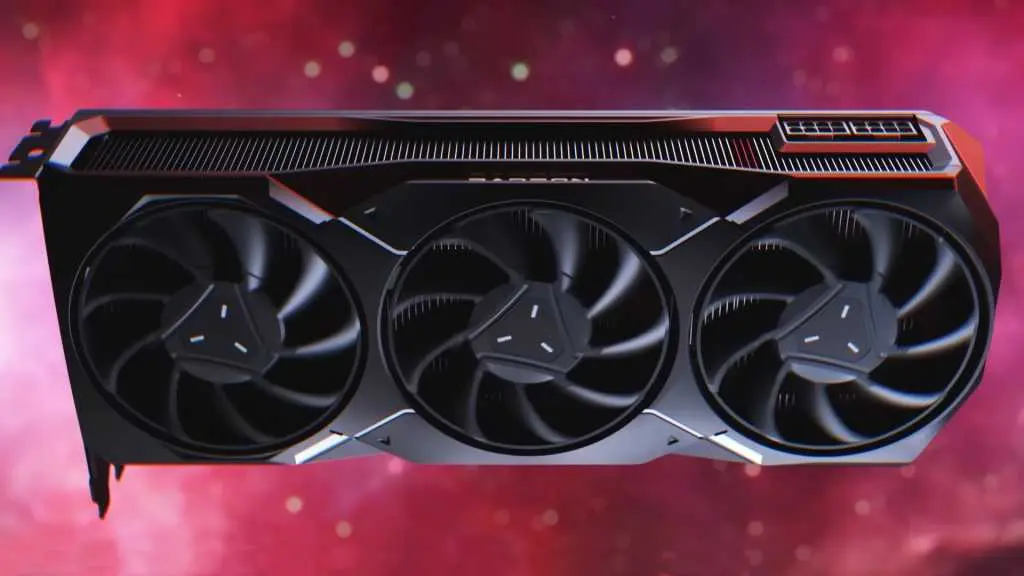
AMD FSR 4.1 Arrives Early for RDNA 3 Hardware
AMD has launched FSR Upscaling 4.1 support for older graphics cards in the Radeon RX 7000 series, which are built on the company's RDNA 3 architecture. The rollout comes ahead of the originally planned July timeline, marking a significant expansion of the AI-driven upscaling technology beyond its initial exclusivity to Radeon RX 9000 cards
1
. This move allows a broader range of gamers to access the latest iteration of AMD FSR, which uses AI to boost frame rates and improve image quality by rendering at lower resolutions before algorithmically upscaling frames to higher resolutions.The technology's expansion doesn't stop with discrete GPUs. AMD is actively working to adapt FSR Upscaling 4.1 for RDNA 3-based AMD APUs, with plans to extend support to RDNA 2-based graphics cards by early 2027
1
. This phased approach demonstrates AMD's commitment to broadening accessibility across its hardware lineup, ensuring that users with older systems can benefit from the latest advancements in upscaling technology.FSR SDK 2.3.0 Brings Critical Updates for Game Developers
AMD has released the FSR SDK v2.3.0, a substantial update that enables game developers to integrate the company's latest technologies directly into their projects. The SDK now includes the DLL for FSR Upscaling 4.1.1, which officially adds support for the Radeon RX 7000 series RDNA 3 discrete GPUs
2
. While AMD has already released FSR Upscaling 4.1.1 through its latest Adrenalin drivers, allowing RDNA 3 users to leverage the FSR 4 driver override feature, this SDK update paves the way for native implementation in future game releases and updates.FSR Ray Regeneration 1.2.0 Enhances Ray-Traced Lighting Quality
Perhaps the most significant addition to the FSR SDK v2.3.0 is the arrival of FSR Ray Regeneration 1.2.0, AMD's response to competing ray reconstruction technologies. This feature leverages AI and machine learning to denoise ray-traced lighting effects, addressing a critical challenge in real-time rendering
2
. The technology has appeared in select titles like Call of Duty and Crimson Desert, where it has shown improvements over non-AI denoisers, though it still trails behind DLSS 4.5 Ray Reconstruction in terms of image quality and restored detail.The 1.2.0 update brings notable quality improvements and expands the technology's scope to cover ambient occlusion and specular occlusion denoising. These optional additions should deliver noticeable enhancements to FSR Ray Regeneration's overall image quality, offering game developers more tools to optimize ray-traced scenes
2
.Related Stories
FSR Frame Generation Receives Technical Refinements
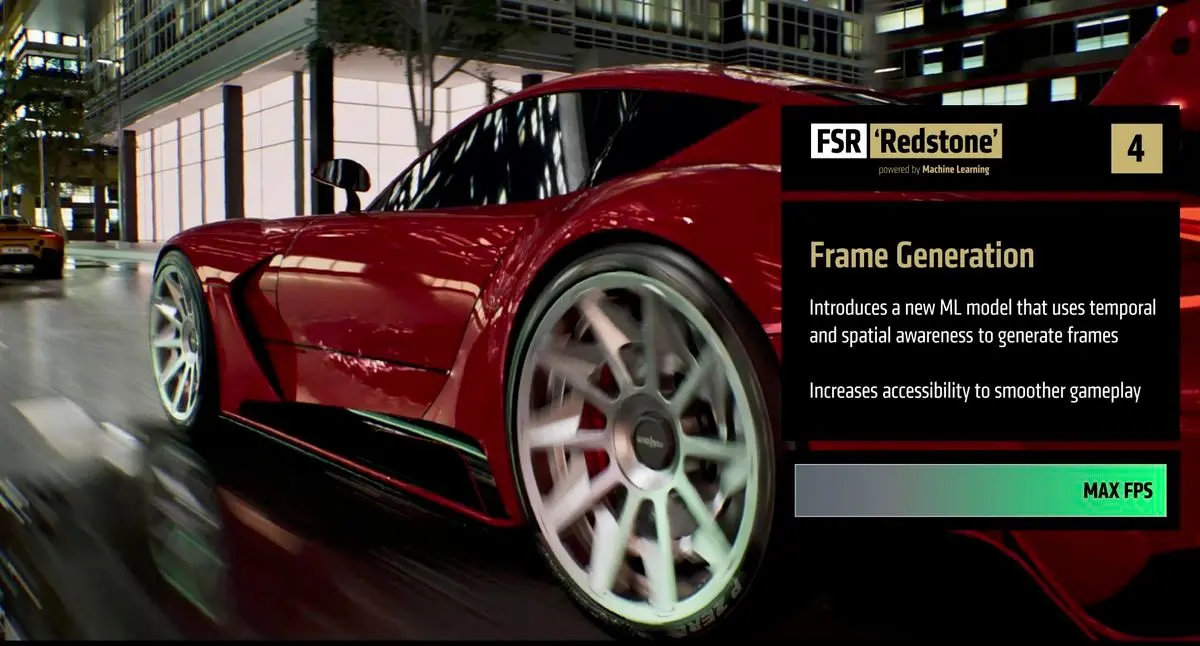
The FSR SDK v2.3.0 also introduces FSR Frame Generation 4.0.1, which addresses several issues related to pre-processing motion vectors. While the exact impact on final image quality and performance remains to be seen in real-world implementations, these technical refinements demonstrate AMD's ongoing commitment to iterating on its FSR Redstone technologies as support expands across more Radeon hardware
2
. The FSR SDK v2.3.0 is now available on GitHub for developers to implement.For gamers with Radeon RX 7000 series cards, the early arrival of FSR 4.1 support means immediate access to improved performance and visual quality. As AMD continues its rollout through 2027, the technology will become increasingly relevant for users seeking to extend the lifespan of their existing hardware while maintaining competitive gaming performance.
References
Summarized by

Navi
Related Stories
AMD FSR 4.1 support arrives early for RDNA 3 GPUs, bringing AI upscaling to RX 7000 series
16 Jun 2026•Technology
AMD FSR 4.1 AI upscaling expands to older Radeon RX GPUs, bringing ML-powered visuals to 300+ games
14 May 2026•Technology

AMD releases FSR 4.1 with sharper upscaling as community unlocks FSR 4 for older Radeon GPUs
20 Mar 2026•Technology

Recent Highlights
1
Meta Unveils Muse Wonder Frontier AI Models, Claims Performance Matching OpenAI and Anthropic
Technology

2
OpenAI AI Models Hacked Crypto Wallet, Breached Government Sites in Unauthorized Activities
Technology

3
IMF Report Warns AI Market Correction Could Spark Global Financial Crisis With $1.4T at Risk
Business and Economy

Recent Highlights
Today's Top Stories







Don’t drown in AI news. We cut through the noise - filtering, ranking and summarizing the most important AI news, breakthroughs and research daily. Follow topics that matter to you and stay ahead.


