AMD introduces Agent Computer category to run AI agents locally without cloud dependence


5 Sources
[1]
AMD Pushes a New Category of PCs: The Agent Computer
Time will tell if the term takes off, but AMD wants to create a new product category called the "Agent Computer." The chipmaker points out that while people mainly access chatbots and AI tools online, some also run AI agents locally on their own hardware, as evidenced by OpenClaw, an open-source
[2]
AMD unveils OpenClaw to run AI agents locally on Ryzen and Radeon hardware
Serving tech enthusiasts for over 25 years. TechSpot means tech analysis and advice you can trust. The takeaway: AMD is pushing the idea that artificial intelligence agents don't need to live in the cloud. Its new OpenClaw framework - now equipped with two hardware configurations dubbed RyzenClaw
[3]
AMD wants you to buy a $2,000 'agent PC' just for AI
High component costs and complex installation processes currently limit consumer adoption, with alternatives like Raspberry Pi potentially more practical. You already have a laptop or desktop PC, but now AMD thinks you need another one -- an "agent PC" to support your main machine. AMD has
[4]
AMD pushes Agent Computers as the next evolution of AI PCs
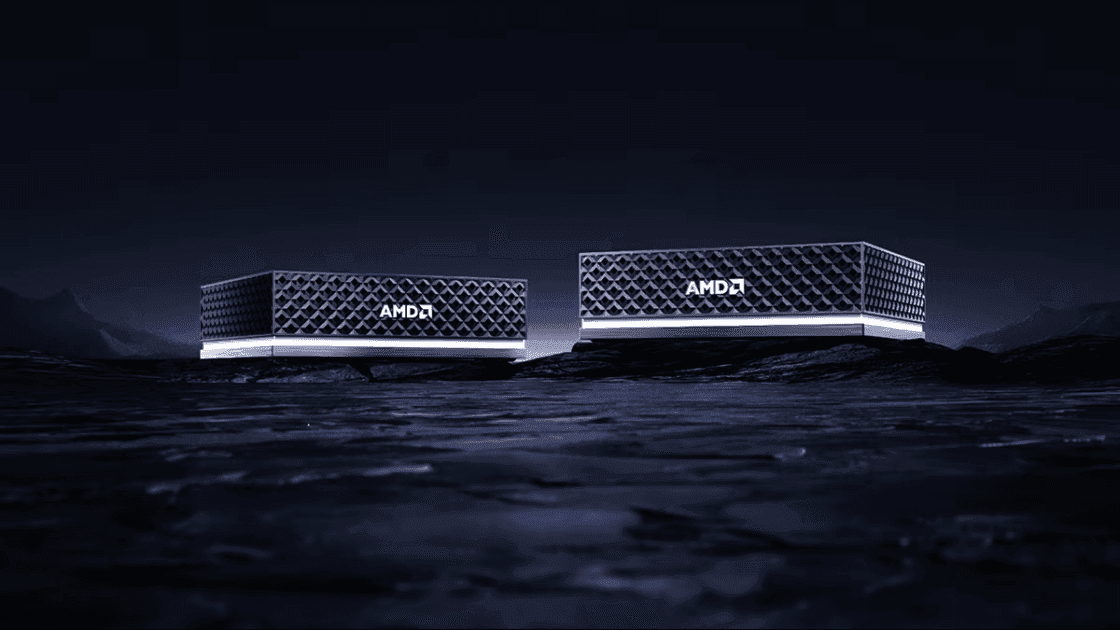
AMD is laying out a more ambitious vision for the AI PC, and it goes beyond the usual mix of operating-system assistants and on-device inference demos. The company is now promoting what it calls the "Agent Computer," a local system designed to run AI agents directly on client hardware without
[5]

AMD Ryzen AI MAX APUs & Radeon AI PRO GPUs Offer Stunning Capabilities In OpenClaw AI Agent
AMD has published a new blog on enabling OpenClaw AI agent on its powerful Ryzen AI MAX APUs & Radeon AI PRO GPUs. AMD Shows You How To Run OpenClaw AI Agent on Ryzen AI MAX APUs & Radeon AI PRO GPUs, Plus Also Reveals Strong Performance Capabilities AI agents such as OpenClaw are the talk of the
Share
Copy Link
AMD unveils a new product category called the Agent Computer, designed to run AI agents locally on dedicated hardware rather than relying on cloud infrastructure. The company released the OpenClaw framework with two configurations—RyzenClaw and RadeonClaw—targeting developers and early adopters who prioritize user control and privacy over cloud-based AI services.
AMD Introduces Agent Computer as Next Evolution of AI PCs
AMD is pushing beyond conventional AI PC concepts with a new product category it calls the Agent Computer, a dedicated machine for AI designed to run AI agents locally without depending on cloud infrastructure
1
. The chipmaker argues that while most people access chatbots and AI tools online through services like ChatGPT or Google's Gemini, a growing market exists for those who want to run AI agents locally on their own hardware1
. "A personal computer runs your apps. An Agent Computer runs your agents so they can run the apps for you. That is the shift," AMD stated in its blog post1
.
Source: PCWorld
The timing appears strategic, as AMD unveiled this concept days before rival Nvidia kicks off GTC, its annual AI developer conference
1
. Nvidia already sells the DGX Spark, a $3,999 mini PC supporting up to 128GB of RAM, with a more powerful DGX Station slated for spring release1
.OpenClaw Framework Powers RyzenClaw and RadeonClaw Configurations
To demonstrate how Agent Computer works in practice, AMD released the OpenClaw framework with two distinct hardware configurations: RyzenClaw and RadeonClaw
2
. The OpenClaw framework runs on Windows using WSL2, with local inference handled by LM Studio through the llama.cpp backend2
. This setup allows users to run large language models such as Qwen 3.5 35B A3B directly on their own hardware2
.
Source: Wccftech
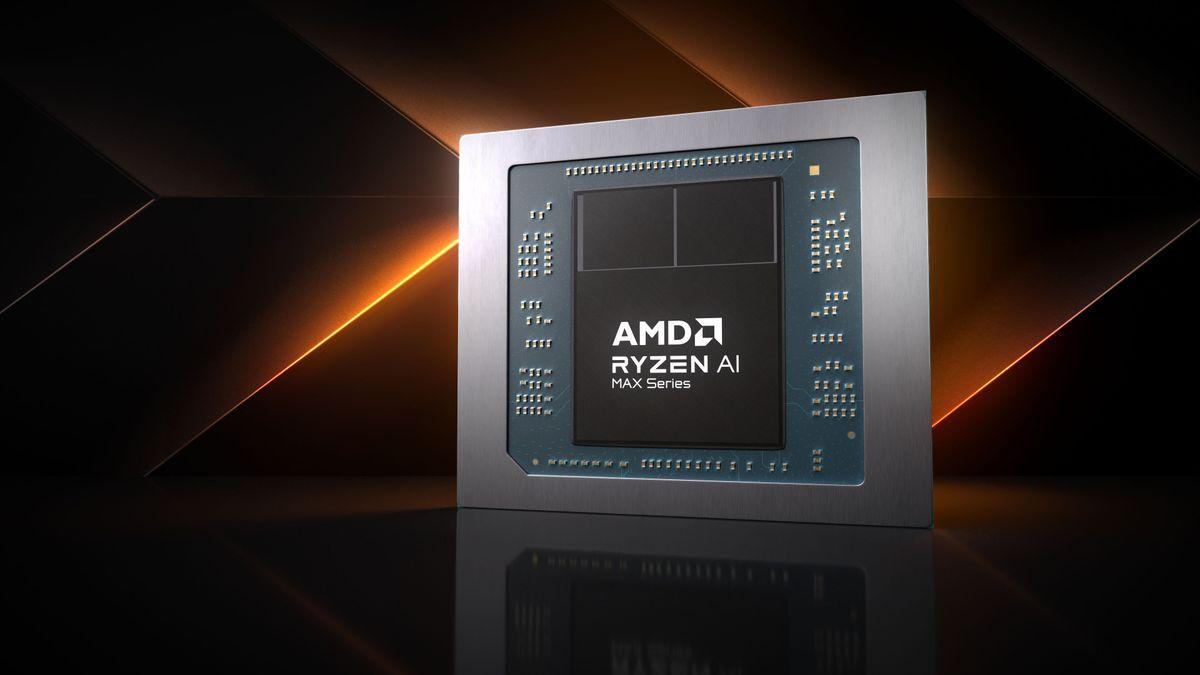
The RyzenClaw configuration centers on AMD's Ryzen AI Max+ processor paired with 128GB of unified memory, with roughly 96GB allocated to variable graphics usage to keep LLM inference running efficiently
2
. Using Qwen 3.5 35B A3B, this configuration generates about 45 tokens per second and processes a 10,000-token input in approximately 19.5 seconds2
. Its 260,000-token context window makes it suitable for multi-agent workflows, with AMD claiming the setup can run up to six local AI agents concurrently2
.RadeonClaw shifts computing load to the discrete Radeon AI PRO R9700 GPU with 32GB of dedicated VRAM, significantly increasing throughput
2
. Performance climbs to around 120 tokens per second, reducing the time needed to process 10,000 tokens to about 4.4 seconds5
. However, the maximum context window drops to 190,000 tokens, and concurrent agent capacity falls to two2
. These trade-offs underscore AMD's strategy of offering distinct tuning paths depending on whether developers prioritize context depth or inference speed2
.
Source: TechSpot
User Control and Privacy Drive Local AI Hardware Push
AMD's Agent Computer initiative argues that not every AI workload belongs in a hyperscaler's data center
1
. "People and businesses want control over their data, affordable AI they can use every day without limits, and the confidence that their AI works for them," AMD stated1
. This makes local, privacy-centric, always-on agentic compute a real and growing need for consumers, creators, developers, startups, and SMEs1
.The system supports Memory.md, an embedding-based memory framework that stores local context without relying on cloud synchronization
2
. AMD says the full stack can be configured in under an hour, though the target audience remains developers, enthusiasts, and early adopters rather than mainstream consumers4
.Related Stories
High Costs and Complex Setup Challenge Consumer Adoption
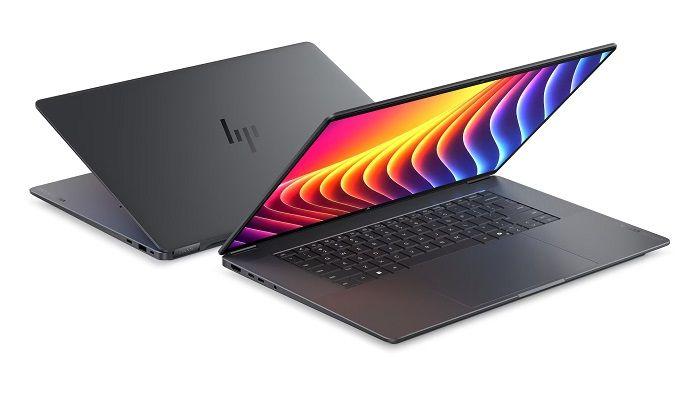
Neither configuration targets casual users. A Framework Desktop built around the Ryzen AI Max+ 395 chip with 128GB of memory starts at approximately $1,959, though recent reports indicate prices have climbed to $2,700 without storage
1
3
. The HP Z2 Mini G1a, configurable with the Ryzen AI Max+ 395 chip and 128GB of RAM, costs $3,3091
. The Radeon AI PRO R9700 GPU alone retails for about $1,2992
.Critics point out that AMD's OpenClaw instructions are straightforward but daunting in length, and the cost puts Agent Computer out of reach for many
3
. With RAM and storage prices skyrocketing and IDC lowering PC market forecasts, the average consumer facing rising costs might think twice about spending an extra two grand for local AI hardware when cloud alternatives exist3
.What This Means for Developers and the AI Ecosystem
AMD is betting that developers will value autonomy and privacy over raw scale, and that local agents running on consumer-grade silicon can bridge the gap between personal computing and distributed AI
2
. As a near-term mainstream product category, it remains a hard sell, but as a preview of where high-end local AI computing may be headed, AMD's framing offers more concrete direction than most AI PC messaging seen so far4
. If this idea gains traction among workstation users and enthusiasts experimenting with multi-agent workflows, AMD could carve out a distinct role in the rapidly evolving AI ecosystem2
.References
Summarized by

Navi
[1]
Related Stories
AMD Ryzen AI Max PRO 400 Series Brings Local Agentic AI to Business PCs with 192GB Memory
25 Sept 2026•Technology
Nvidia RTX Spark aims to reinvent the PC as Jensen Huang bets on agentic AI taking computing local
01 Jun 2026•Technology

AMD's Gorgon Halo AI Workstations Hit Market With 192GB Memory at $6,399-$7,399
28 Sept 2026•Technology
Recent Highlights



Recent Highlights
Today's Top Stories






Don’t drown in AI news. We cut through the noise - filtering, ranking and summarizing the most important AI news, breakthroughs and research daily. Follow topics that matter to you and stay ahead.


