6 Sources
[1]
I'm a devoted iPhone user but Android 17 is tempting me with its new video and social features
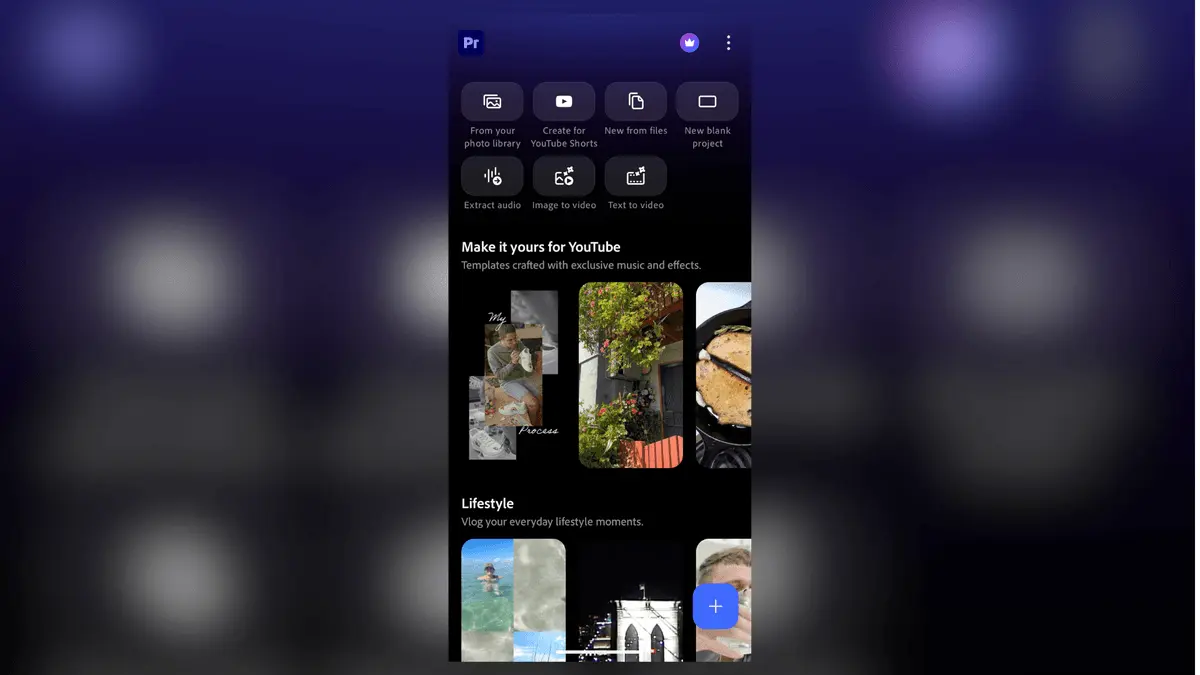
Google partnered with Meta and Apple to improve Android.Adobe Premiere is launching on Android soon.Android 17 adds more creator-focused video-editing tools. Android is better than iOS in numerous ways, but day-to-day app interactions aren't one of them. My favorite phones of 2026, from the foldable Oppo Find N6 to the camera-focused Vivo X300 Ultra, all run Android, but I have trouble shifting to them full-time because my most-used apps work better on iOS. Google is acknowledging and fixing this problem with Android 17. It is working on changes that might appeal to content creators and iPhone users who have been considering switching to Android. Also: Android phone slow? I changed 2 developer settings for an instant speed boost With Android 17, Google is adding more creator-focused features to help make the most of the industry-leading camera hardware available on Android phones. For those who want to switch, the company has also worked with Apple to overhaul its iOS-to-Android transfer process. Here's why Android 17 is one of the most exciting OS upgrades in recent years. Instagram is one of my most-used apps on my iPhone. When I'm testing a new Android device, I realize that basic features aren't implemented the same way on both operating systems. For instance, I can select a 10-second-plus video on iPhone and edit the video duration within my Instagram Story. However, on Android, that duration is set to one minute, and it doesn't always work. Other times, if I set a specific part of a song on my Scheduled Posts, the Android app changes it, and I see a different part being played after it goes live on my profile. The Android experience isn't reliable, and I have to double-check most of these things, whether I'm posting an Instagram Story or uploading a post. Also: I changed 10 settings on my Pixel phone to instantly improve the user experience However, Google is promising a more vibrant Instagram experience with Android 17. The company has teamed up with Meta to bring the best of Instagram to your phone. It is introducing an in-app ability to capture Ultra HDR and play it back, as well as built-in video stabilization and night mode integration. So, you don't need to open your phone's camera app to take the best-quality videos. These features sound promising, but I'm more excited about the new claimed "completely optimized" capture-to-upload pipeline. Theoretically, this should help ensure that the photos and videos you upload on Instagram don't lose quality and remain sharp after you hit post. For those who prefer bigger screens, Meta will roll out a fully optimized version of its Instagram app for Android tablets. The latest generation of camera-centric Ultra phones from Android manufacturers is arguably better than iPhones. However, they are let down by Android's limited video-editing capabilities and rough social media sharing camera pipelines. Like Instagram, editing-focused apps aren't on the same level as their iOS versions. Google is working to change that with Android-exclusive features on the Edits app and an all-new Adobe Premiere app. The Instagram Edits app is bringing Smart Enhance to help you instantly upscale your photos and videos with on-device AI, as well as a Sound Separation feature that'll help you automatically identify and separate audio, including wind, noise, and music. It aims to help creators boost the sounds that they want and remove the ones that aren't useful. Also: I tested a BlackBerry-style Android phone with a keyboard, and it's weirdly practical in 2026 On the other hand, the Adobe Premiere app is coming to Android "this summer." We don't have a specific date yet, but Premiere will give you access to exclusive templates and effects "to create and post YouTube Shorts from the app," says the Google blog post. The company will also roll out a Screen Reactions feature, first on Pixel devices this summer, which aims to help you make reaction videos more easily. Google is making it easier for Android users to exist among their iPhone friends. After rolling out AirDrop support for Android flagship phones, the feature is all set to expand to more phones from Samsung, Oppo, OnePlus, Vivo, Xiaomi, and Honor this year. I tried sharing photos from my Oppo Find X9 Ultra and Vivo X300 Ultra to my iPhone 17 Pro Max using the Quick Share-AirDrop feature, and it worked flawlessly. Also: My favorite Android Auto find is these hidden shortcuts that are highly customizable If you don't have a compatible Android phone, you can use Quick Share to generate a QR code and instantly share with iOS devices via the cloud, says Google. Plus, the company has promised to roll out Quick Share inside more apps, including WhatsApp. Google has also worked with Apple to overhaul the iOS-to-Android transfer process. I am looking forward to trying this because it promises to wirelessly transfer your passwords, photos, contacts, messages, favorite apps, and even your home screen layout from your iPhone to your new Android phone. It will launch first on Samsung Galaxy and Google Pixel devices this year. The two companies are working together for user safety, too. While Apple and Google have long offered encrypted messaging within iMessage and Google Messages, respectively, chats between green and blue bubbles have always been a point of concern. Apple is now releasing an iOS 26.5 update, however, which finally brings end-to-end encryption to RCS messaging in beta. This means your messages between Android and iPhone are encrypted and protected. The feature will automatically apply to new and existing RCS conversations. It's gradually rolling out to iPhone and Android users in beta.
[2]
Instagram's in-app camera will support Ultra HDR and Night Sight on Android - Engadget
If you have a recent Android flagship, then you've probably noticed the benefits of Ultra HDR photos, which are able to capture more intense color and lighting details. Now, Instagram is adding support for the format to its in-app camera, along with a handful of other upgrades for Android users. With the changes, Instagram will better support the Ultra HDR format, which was introduced with Android 14 in 2023. This means Instagram users can achieve the same "lifelike vibrancy" when using the in-app camera as their device's native camera app. Meta is also adding support for Android's Night Sight feature for low-light captures and video stabilization. Instagram users have long complained about its inconsistent handling of HDR uploads from Android devices and Google suggests that people should see some improvements there too. "We've completely optimized the capture-to-upload pipeline to ensure your photos and videos remain stunningly sharp when you hit 'post,'" Google wrote in a blog post. The company said that its own tests (which relied on an AI model) "confirm that video captured and uploaded to Instagram from Android flagship devices scores the same or better than the leading competitor." Meta is also delivering a few other goodies for its non-iPhone wielding users, including the addition of an Instagram app for Android tablets. Initial screenshots look very similar to the iPad app the company released last fall, but it's nice to see a version of Instagram that's actually optimized for larger displays. Edits, the CapCut-like editing app for Reels creators is getting some Android-specific upgrades as well. The changes include AI-powered upscaling and sound separation, which allows creators to isolate and remove specific sounds from their recordings. The updates were shared during Google's I/O edition of the Android Show, which offered a look at some of the biggest updates coming to the platform ahead of the company's annual developer conference. Android 17 is expected to roll out later this year.
[3]
Android 17 'Screen Reactions' are like a built-in green screen, Instagram gets major upgrades
Reaction content is getting a boost with Google's new "Screen Reaction" video tool available in Android 17. The announcement is followed by several Instagram updates in partnership with Google. Screen Reactions will take the green screen out of the equation for those who want to create reaction content. For those unfamiliar, it's often seen as one of the easiest forms of content to create, but Google's Android 17 tools are expected to make the video format far easier. Google explains: In just a few taps you can record yourself and your screen at the same time, letting you overlay your authentic response directly onto trending clips, wild comment sections or your latest gift guide. The idea is to simplify the process between apps, negate the need to export and transfer video/audio, and keep things "authentic." This announcement is followed by a few additional features for Instagram, unique to Android 17. A partnership between Google and Meta will enhance the quality of content uploaded by Android devices. Google references Ultra HDR content and Night Sight integrations with Instagram to allow some of the Pixel's more impressive camera functions to come through in-app. The Instagram app should also be able to facilitate built-in video stabilization. Google says: Results from Google's testing show that Instagram videos uploaded from Android 17 flagships score the same or better than leading competitors, which is likely a comparison to Apple's flagship-level iPhones. Android 17 is also getting some exclusive Instagram Edits features for creators. The app will take raw footage and allow users to edit with on-device AI. That includes upscaling media with AI and cutting audio with sound separation. Google says the feature will work for wind, noise, and background music. Lastly, Google says Instagram is now fully optimized for Android 17 tablets to cater to professional video and photo creators. On top of that, Google notes that Adobe Premiere is coming to Android "this Summer," with APV support on select Snapdragon 8 Elite-powered Android devices. Plus, the Adobe Premiere app is coming to Android this summer. With Premiere, you'll get access to exclusive templates and effects to create and post YouTube Shorts from the app, helping you stand out in the feed. For professional filmmakers and content creators, APV (Advanced Professional Video) is the industry's most storage-efficient professional video format, built specifically for the modern mobile creator. Co-developed with Samsung, it is available now on the Samsung Galaxy S26 Ultra and vivo X300 Ultra, with more Snapdragon 8 Elite-powered flagship devices to follow later this year. Instagram's new integrations and the Screen Reactions function will be coming to Pixel in Android 17. The update is currently in beta, though we should see a release in the very near future.
[4]
Android 17 is about to make your phone a much better content creation tool
Google has announced deeper Instagram camera integration, AI-powered features in Edits, and Screen Reactions are coming with Android 17. Google has announced a set of creator-focused updates coming to Android 17 at the Android Show I/O Edition today, with new tools for capturing, editing, and sharing content aimed at social media creators and professional filmmakers. Instagram gets a big upgrade Google has partnered with Meta to bring several camera improvements to Instagram on flagship Android devices. Android 17 will add Ultra HDR capture, playback, built-in video stabilization, and Night Sight support to Instagram, pulling from the same processing pipeline used by the phone's stock camera app. The move builds on Android 17's broader camera changes for third-party apps, which open up advanced hardware features like Super Resolution to apps like Instagram. Google also claims video shot and uploaded to Instagram from Android flagships will match or beat the leading competitor on quality, based on tests conducted using the Universal Video Quality model, "an AI framework designed to measure how we perceive video quality." Recommended Videos Instagram's Edits app will gain two new Android-exclusive AI tools: Smart Enhance and Sound Separation. The former will upscale photos and videos with a single tap, while the latter will isolate individual audio tracks, so users can lift dialog out of a noisy environment without re-shooting. More tools for serious creators Google is making it easier for creators to film reaction videos with a new feature called Screen Reactions. It will let users record their face and the screen at the same time, removing the need for a green screen or a second device. The feature will roll out first on Pixel devices this summer. Adobe Premiere will also make its way to Android this summer, with exclusive templates and effects for YouTube Shorts, which rolled out on the iOS app earlier this year. For professional video, support for the Advanced Professional Video (APV) codec, a storage-efficient format co-developed by Google and Samsung, will roll out to more Snapdragon 8 Elite-powered flagships later this year. It's already available on the Galaxy S26 Ultra and the Vivo X300 Ultra. Android has long trailed iPhone on Instagram video quality, and these updates are Google's most direct attempt to fix that.
[5]
Google Wants to Improve Its Social Media Reputation With Android 17
Adobe Premiere is also coming to Android this summer, after nearly a year on iOS only. Google has been beta testing Android 17 since February, and, so far, it's been a pretty small update. Based on the existing beta versions, the new version of Android will introduce "app bubbles," which present apps in floating, easy-to-dismiss windows, as well as a new way to remap game controller buttons across Android. But with the exception of some quality-of-life updates, Android 17 has been shaping up to be a pretty minor update. It seems, however, that Google was saving some of its biggest features for The Android Show: I/O Edition. While the company announced a number of new features across the board, including Gemini Intelligence, 3D emoji, and "Googlebooks," its Android 17 announcements mostly revolved around one thing: social media. For years, Android hasn't had the best reputation when it comes to social media uploads. Google wants to change that now: With Android 17, Google says it has partnered with Meta to offer new features for Instagram. That includes Ultra HDR support, for image capture and playback, built-in video stabilization to reduce the shakiness of your uploads, and Night Sight integration, which should brighten your Instagram updates when captured in dark environments. But the criticisms were never just about the lack of internal tools. Instagram for Android has been accused of reducing the quality of posts when uploaded, especially when using the in-app camera. Google says this shouldn't be the case with Android 17: The company "optimized the capture-to-upload pipeline" to retain details when posting from Android. Google even claims that videos captured and uploaded from "flagship" Android devices score similar or better on the Universal Video Quality (UVQ) model than the "leading competitor." (It doesn't say this specifically, but I think we all know that means the iPhone.) Instagram's Edits app is a video editing tool meant for cutting clips for Instagram. The app is available on both iOS and Android, but, according to Google, the Android version is getting some exclusive new features for Android 17. First, there's "Smart enhance," which uses on-device AI to upscale photos and videos. There's also a new "Sound separation" feature that displays all of the sounds in your video on different tracks. If there's something in the video you don't want to hear (wind, noise, extraneous music, etc.) it should be easy enough to isolate it and remove it from the finished video. Instagram made waves in September when it released a dedicated iPad app for the first time. After nearly 15 years of small-screen exclusivity, Meta launched an app optimized for the iPad's display. According to Google, these same benefits are now coming to Android tablets, but the company doesn't seem particularly focused on the consumer angle here. Instead, Google says that vloggers and filmmakers can now use the new optimized experience to edit their videos on a "larger canvas." As video editing continues to go mobile -- especially for short-form video content -- it makes sense that Google would want to offer tools to users who want a larger display to work, but still want a touch-screen experience. As part of these announcements, Google revealed that Adobe Premiere is finally coming to Android. The app has been available on iOS since August, but Google says the Android version will have exclusive templates and effects, meant for posting directly to YouTube Shorts. It's not clear whether you'll need to be running Android 17 to use Premiere on Android, but Google did fold the news into its Android 17 announcements. The fact that Google dedicated its Android 17 announcements to social media says a lot. It tells me that Google is feeling behind Apple in this race, as more users associate iPhones with social media and short-form video uploads. I'm not sure if these features will kickstart a new wave of Android users posting to platforms like Instagram and YouTube Shorts, but perhaps it's time. After all, there was once a time when it seemed like the Mac would never catch up to the PC.
[6]
Android's exclusive new editing tools could finally get me to ditch my iPhone
Sara Heritage is a tech and gaming journalist, who's currently making her way up to Master Ball rank in Pokemon Champions. Bylines in IGN, GAMINGbible, The Gamer and more. You can usually find her tinkering with tech, or restoring old consoles, always with one of her 3 cats nearby. Come and talk with her over on Twitter @SHeritageJourno. Summary Google's Pause Point brings built-in Digital Wellbeing to help curb screen time. Android-only Screen Reactions and AI edits (upscale, sound separation) make Instagram creation way faster. Adobe Premiere lands on Android this summer, with Shorts templates which might finally tempt me off iPhone. I've worked in social media for seven years now, and I've spent countless hours glued to my phone capturing content, editing videos, and responding to comments per week. I've relied on third-party digital wellbeing apps to try and manage that screen time effectively -- even paying for a lifetime subscription -- but they are at the whims of the market and prone to permission issues. That's why it's great to see Google stepping up by announcing a new built-in Digital Wellbeing tool called Pause Point. But in this industry, it's hard to control your screen time. Google's new Android update is going to significantly reduce the time spent on Instagram thanks to brand-new tools, new creative software, deep social media integrations, and AI-powered editing tools, exclusive to Android. Related 9 Useful Android Apps That'll Make Your Phone Smarter Want a smarter phone? Replace your default camera, SMS, gallery, and other apps with these smarter alternatives. Posts By Ayush Jalan Refine faster with Android-exclusive Instagram edits Edit smarter, on the go You've definitely seen creators post reaction videos. What you don't see is the hassle that goes into setting these up - switching apps, battling with a green screen, editing the content. No more! Google has just announced Screen Reactions, which lets you record yourself and your screen at the same time. Pixel devices will get this feature first, coming this summer. But that's not all! Android users are also getting a whole host of exclusive tools for Instagram's Edits app. These features turn raw footage into polished content in seconds using on-device AI. Key upgrades include: Smart enhancement: With a single tap, you can instantly upscale your photos and videos with advanced on-device AI. Sound separation: If you've ever struggled through multiple retakes because someone (or something) interrupted your video, the Edits app now identifies and separates audio tracks -- like wind, noise, and music. This lets you boost the sounds you want and instantly remove the ones you don't. For on-the-go editing, these upgrades are a game-changer. Adobe Premiere is arriving on Android this summer You can finally ditch Insta Edits If you don't love the Instagram Edits app (like me), there's good news for you, too. The Adobe Premiere app is officially launching on Android this summer. With Premiere, you'll get access to exclusive templates and effects designed specifically to create and post YouTube Shorts directly from the app. While the iPhone camera is absolutely amazing, and I still prefer it when filming on shoots, these new Android-exclusive features could be what gets me to switch from the iPhone for good. Whether you're a full-time content creator or just looking to make some Reels for your personal page, these new updates will save you hours of time editing and creating.
Share
Copy Link
Google has partnered with Meta and Adobe to overhaul Android 17's social media experience, introducing Ultra HDR capture, Night Sight integration, and video stabilization directly within Instagram. The update also brings Screen Reactions for easy reaction videos, Adobe Premiere for Android, and exclusive AI-powered enhancements to Instagram's Edits app, addressing long-standing quality concerns that have plagued Android uploads.

Google is addressing a persistent weakness in Android 17 by partnering with Meta to transform how Instagram works on Android devices
1
2
. The collaboration brings Ultra HDR capture and playback support to Instagram's in-app camera, allowing users to achieve the same "lifelike vibrancy" as their device's native camera app2
. This marks a significant shift for content creation on Android, as users have long complained about inconsistent quality when uploading photos and videos from Android devices compared to iPhones.The update integrates Night Sight for low-light captures and built-in video stabilization directly within Instagram, eliminating the need to switch between apps
2
4
. Google has "completely optimized the capture-to-upload pipeline" to ensure photos and videos remain sharp after posting1
. According to Google's internal testing using the Universal Video Quality model, videos captured and uploaded to Instagram from Android flagship devices now score the same or better than the leading competitor2
.Android 17 introduces Screen Reactions, a creator-focused feature that simplifies reaction video production by allowing users to record their face and screen simultaneously
3
4
. This eliminates the need for green screens or second devices, letting creators "overlay your authentic response directly onto trending clips" in just a few taps3
. The feature will roll out first on Pixel devices this summer4
.Instagram's Edits app is receiving Android-exclusive AI-powered enhancements, including Smart Enhance for instant upscaling of photos and videos using on-device AI
3
5
. Sound Separation allows Reels creators to automatically identify and isolate audio tracks, including wind, noise, and background music, making it easier to boost desired sounds while removing unwanted ones1
5
. Meta is also delivering a fully optimized Instagram app for Android tablets, offering vloggers and filmmakers a larger canvas for video editing2
5
.Related Stories
Adobe Premiere is coming to Android this summer, nearly a year after its iOS debut
3
5
. The Android version will provide access to exclusive templates and effects for creating and posting YouTube Shorts directly from the app1
4
. Google is also expanding support for Advanced Professional Video (APV), a storage-efficient professional video format co-developed with Samsung, to more Snapdragon 8 Elite-powered flagship devices later this year3
4
. APV is already available on the Samsung Galaxy S26 Ultra and Vivo X300 Ultra3
.These updates represent Google's most direct attempt to close the gap with iPhone on social media quality and demonstrate the company's recognition that Android has been "feeling behind Apple in this race"
5
. For creators and casual users who have avoided Android due to concerns about their social media experience, these changes signal a meaningful shift in how the platform handles content creation and sharing across flagship devices.Summarized by
Navi
[1]
[3]
Yesterday•Technology

02 Dec 2025•Technology

24 Sept 2024

1
Business and Economy

2
Technology

3
Technology