Anthropic enters talks with Samsung to develop custom AI chip, challenging Nvidia's dominance


5 Sources
[1]
Anthropic is discussing a new custom chip with Samsung
Back in April, Reuters reported that Anthropic was toying with the idea of producing its own AI chips as a means of responding to chip shortages. Now, it would appear that the company is getting serious about this idea. On Thursday, The Information reported that Anthropic was in contact with
[2]
Anthropic is in talks with Samsung to manufacture a custom AI chip
Anthropic is discussing a custom AI chip with Samsung, though the project is early-stage and no design has been finalized. Anthropic is in talks with Samsung Electronics to explore manufacturing a custom AI chip, The Information reported on Thursday. The project remains at an early stage, and
[3]
Anthropic in talks with Samsung to develop custom AI chip
AI giant Anthropic is reportedly exploring the creation of its own custom AI chips, holding talks with Samsung for a potential partnership. This move aims to reduce reliance on external suppliers and address ongoing chip shortages, following similar moves by rivals like OpenAI, Amazon, Microsoft,
[4]
Anthropic quietly joins the race to build its own chips
Anthropic has opened early talks with Samsung Electronics to manufacture a custom AI chip, according to a report from Bloomberg. The Claude developer has never built its own silicon before. It has relied entirely on chips rented from Amazon, Google, and Nvidia, and that dependence is now colliding
[5]

Anthropic explores Samsung 2nm chip partnership - The Information By Investing.com
Investing.com -- Anthropic has begun early-stage work on a custom AI chip and held talks with Samsung Electronics Co Ltd (KS:005930) as a potential manufacturing partner, according to The Information, a development that sharpens competitive pressure on NVIDIA Corporation (NASDAQ:NVDA), which
Share
Copy Link
Anthropic has begun early-stage discussions with Samsung Electronics to manufacture a custom AI chip, marking the Claude developer's first move into in-house silicon. The talks, still preliminary, focus on Samsung's 2nm manufacturing process as Anthropic joins rivals OpenAI, Google, and Amazon in reducing dependence on Nvidia, which controls 74% of the AI chip market.
Anthropic Explores Custom AI Chip Partnership with Samsung
Anthropic has initiated early-stage discussions with Samsung Electronics to explore manufacturing a custom AI chip, according to reports from The Information
1
2
. The Claude developer, which has never built its own silicon before, is specifically evaluating Samsung's 2nm manufacturing process and advanced chip packaging facilities as it considers joining the growing number of AI companies developing in-house AI chips5
. However, the project remains at an early stage, with Anthropic yet to decide what the Anthropic custom chip will be used for, how powerful it will be, or how it would fit into a server2
.Strategic Move to Reduce Dependence on Nvidia
The discussions represent a strategic shift for Anthropic as it seeks to reduce dependence on Nvidia, which currently controls approximately 74% of the global AI chip market
4
5
. Currently, Anthropic relies entirely on chips rented from Amazon, Google, and Nvidia to train and run its models, including Amazon Web Services's Trainium chips, Google's Tensor Processing Units (TPUs), and Nvidia's graphics processors3
4
. When reached for comment, Anthropic told TechCrunch that a diversified hardware stack including chips from these three suppliers will continue to be central to its compute strategy1
.
Source: TechCrunch
Addressing AI Chip Shortages and Economic Pressures
The move comes as Anthropic's annualized revenue run rate surpassed $30 billion earlier this year, more than tripling from roughly $9 billion at the end of 2025
2
. This explosive growth makes the economics of custom silicon increasingly attractive, particularly as AI chip shortages continue to constrain the industry3
. Reuters had reported back in April that Anthropic was considering building its own AI chips to address persistent chip shortages and reduce dependence on external suppliers1
3
. The push towards custom chips is largely driven by economics, as designing a cutting-edge AI chip can cost around $500 million, but serving millions of user requests after deployment consumes enormous computing resources3
.Following OpenAI's Lead in AI Hardware Development
Anthropic's move follows a similar announcement by its main competitor, OpenAI, which unveiled its first custom chip last month—an inference processor called Jalapeño, built with Broadcom and manufactured by Taiwan Semiconductor Manufacturing Company (TSMC)
1
3
. OpenAI says the Jalapeño chip demonstrates better performance-per-watt than competitor chips and will initially be used within OpenAI's own infrastructure rather than sold commercially1
3
. What has changed since April is that Anthropic has hired Clive Chan, who previously helped build OpenAI's custom chip programme, signaling that the company is moving from exploration to active AI hardware development2
4
.Samsung's Strategic Position in the AI Chip Ecosystem
Samsung brings significant advantages to the table beyond manufacturing capacity. The company was one of three memory chipmakers, alongside SK Hynix and Micron, that invested in Anthropic's $65 billion funding round in May, and Samsung is the only one of those three investors that also operates its own chip foundries
4
5
. Samsung already plays a significant role in the AI chip ecosystem as a major manufacturing partner for Nvidia, producing chips that power AI training and inference workloads, and the two companies are building an AI chip factory together in South Korea2
. A combined $520 billion investment from Samsung Group and SK Group was confirmed this month to build four new memory chip plants in South Korea4
.
Source: ET
Related Stories

Industry-Wide Shift in Samsung AI Chip Manufacturing
Other technology companies have taken a similar approach to developing custom silicon. Amazon has developed the Trainium and Inferentia chip families for Amazon Web Services (AWS), Microsoft has introduced the Maia AI accelerator (Maia chip) for Azure, while Meta continues expanding its Meta Training and Inference Accelerator (MTIA) chips for recommendation systems and generative AI
3
. Google already offers custom-built TPUs as part of its cloud offering and is separately weighing Samsung for part of a future Tensor Processing Unit, according to Reuters1
4
. The direction of travel across the industry, away from total reliance on Nvidia, is now unmistakable2
.Foundry Competition and Supply Chain Implications
Winning a marquee AI client would give Samsung a showcase customer as it works to close the gap with TSMC, the industry's dominant foundry
4
. However, Samsung has historically struggled to match TSMC's production yields at the most advanced process nodes, a gap analysts have raised repeatedly4
. For publicly traded chip stocks, the implications cut across multiple names, with Broadcom already having skin in the custom-silicon game as OpenAI's chip design partner, while TSMC faces a direct competitive threat to its foundry dominance if Samsung wins this contract5
. The Information also reported that Anthropic is in discussions to use chips from Microsoft and from U.K.-based startup Fractile, reinforcing a deliberate multi-vendor approach in the supply chain4
5
.References
Summarized by

Navi
[1]
[4]
Related Stories
Anthropic Builds In-House Silicon Team for Custom AI Chips to Power Claude Models
05 Aug 2026•Technology
Anthropic secures 3.5 gigawatts of Google TPUs as revenue soars to $30 billion run rate
07 Apr 2026•Technology
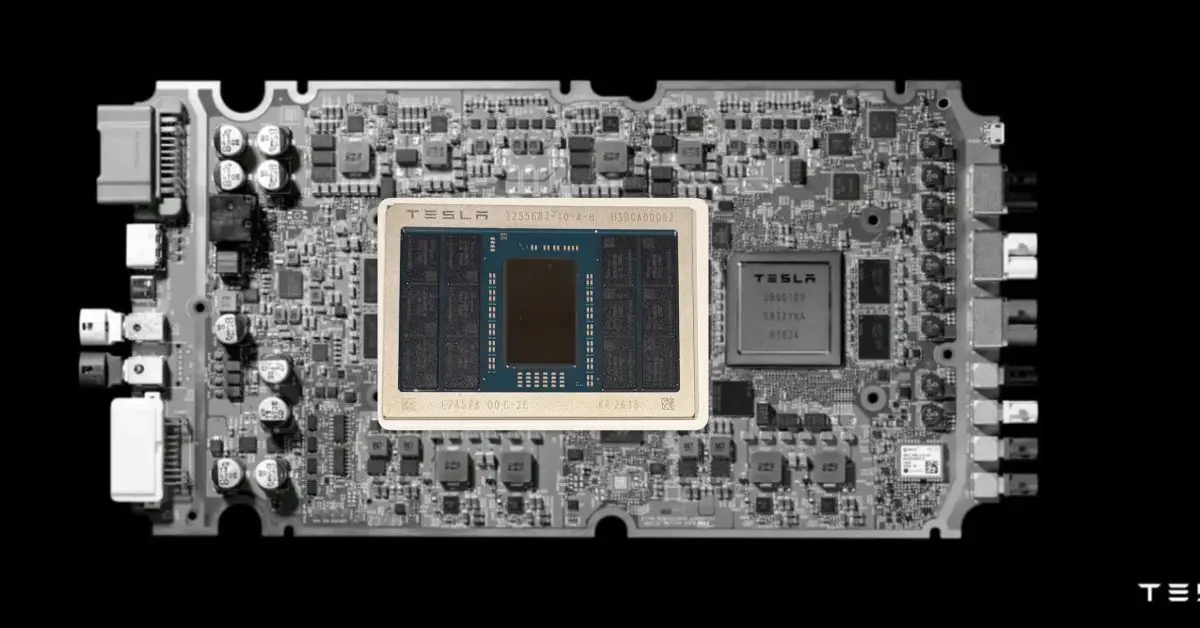
Samsung's Taylor fab begins Tesla AI5 chip production on 2nm, proving yield breakthrough
13 Jul 2026•Technology
Recent Highlights
1
Meta Unveils Muse Wonder Frontier AI Models, Claims Performance Matching OpenAI and Anthropic
Technology

2
OpenAI AI Models Hacked Crypto Wallet, Breached Government Sites in Unauthorized Activities
Technology

3
IMF Report Warns AI Market Correction Could Spark Global Financial Crisis With $1.4T at Risk
Business and Economy

Recent Highlights
Today's Top Stories








Don’t drown in AI news. We cut through the noise - filtering, ranking and summarizing the most important AI news, breakthroughs and research daily. Follow topics that matter to you and stay ahead.


