Apple and Microsoft raise prices up to 25% as AI-driven demand creates chip shortage crisis


2 Sources
[1]
Australians to pay at least 20% more for iPads and Macbooks after Apple hikes prices citing AI
Apple Macbook 13-inch prices jumps from $1,799 to $2,099 while the cost of iPads surge by 25% Australians woke up on Friday to higher prices for Macbooks and iPads after Apple hiked worldwide, blaming an AI-driven cost crunch for computer parts. The iPhone range was unaffected but experts predict Apple will raise prices for its flagship product later this year. Microsoft also lifted its Xbox prices overnight amid a wave of increases for phones and devices. Apple's MacBook Air with a 13-inch display now starts at $2,099, up from $1,799, on the Australian website, while the MacBook Pro 14-inch starts at $3,199 on Apple's site. Both were available for the cheaper price from other retailers as of Friday afternoon however. There are no longer MacBooks available from Apple for under $1,000. The smaller MacBook Neo, which arrived in Australia in March at $899, now starts at $1,049 from Apple. Apple said at the time the Neo was its "most affordable laptop ever". The iPad starts at $749, from $599, while the mini model starts at $949, from $799, the Air at $1249, from $999, and the pro starts at $1,999, from $1,699. The iMac desktop now starts at $2,399 and the Mac Studio at $4,299. Australia retailers have yet to pass on the price increase. Officeworks' prices were unchanged on Friday morning. JB Hi-Fi promoted Apple deals at the top of its website on Friday, with sales on the MacBook Air 13-inch at $1,597, Macbook Pro 14-inch at $2,797 and the iPad at $495. The tech retailer has warned the rising demand for computers chips as the world rapidly increases computing power and AI usage has pushed up device costs. Its chief executive, Nick Wells, told analysts in February the cost crunch was resulting in 20% price rises for PCs and phones were vulnerable to the same price hikes. The iPhone 17 Pro still starts at $1,999 and the Pro Max at $2,199 on Apple's website. Wells in February said iPhones could be hit from September, when the iPhone 18 models are set to be released. Apple said it had absorbed rising computer part costs but had now reached a point where it had to raise prices. Its share price fell 6.15% on Thursday, US time, wiping US$250bn from its market value to close at US$4.04tn. "We have never seen a component price increase this much, this quickly," Apple said in a statement. Microsoft on Thursday US time also announced it would lift Xbox console prices by US$100 (A$145) for 512 GB models and US$150 (A$218) for 1 TB models and cease selling the 2 TB model. In a statement, the company said storage and memory prices had nearly tripled and were set to double again by late 2027. "We hoped another price increase would not be necessary, and we have spent the last several months working with suppliers on options," Microsoft said. Datacentres use up significant quantities of memory chips and booming development has led to a shortage dubbed the "RAMageddon". An International Data Corporation analyst, Soo Kyoum Kim, warned in a note on Monday the shortage was permanently rewriting the economics of consumer device production. "The real question is whether the product economics of affordable devices can be rebuilt around structurally higher memory costs, or whether product mix and [prices] shift permanently upward," Kim said.
[2]
AI boom sends Xbox, Mac and iPad prices soaring
Microsoft and Apple are raising prices for Xbox consoles, Macs and iPads as the AI boom sends memory chip costs soaring, with prices increasing by up to $300 (about €265) and as much as 25%, depending on the product. Microsoft said on Thursday it will raise the price of its Xbox video game consoles worldwide by between $100 and $150 from 1 August, blaming soaring storage and memory costs driven by AI-related demand. Editor's note: Euro figures are approximate conversions based on today's exchange rate and do not reflect official pricing from the companies. In the United States, the cheapest Xbox, the Series S, will increase to $500 (about €440) this summer, while the Series X will cost as much as $800 (about €705). The company has not yet released prices for Europe, where the Series X currently sells for about €600. The 2TB model will be discontinued. This is the third price increase for Xbox after a worldwide hike in May 2025 and another increase, limited to the United States, in October. Consumer electronics manufacturers have all been affected by rising component costs. In recent months, Sony and Nintendo have also raised the prices of their game consoles, and Apple announced on Thursday substantial price increases for its Macs and iPads. Apple begins AI-driven price rises after earlier warning Apple on Thursday followed through on chief executive Tim Cook's warning earlier this month that price rises had become "unavoidable", announcing higher prices for Macs and iPads as AI-driven demand for memory chips continues to push up costs. In Thursday's announcement, the Cupertino-based company described the demand spike as an "unprecedented challenge" for the consumer electronics industry. In a written statement cited by AP, Apple said: "The rapid expansion of AI data centres has created an extraordinary surge in demand for memory and storage. We have never seen a component price increase this much, this quickly." The new entry-level MacBook Neo will cost $100 (about €90) more, while the 512GB MacBook Air and the 256GB iPad Pro Wi-Fi will each cost an extra $200 (about €175). The 1TB MacBook Pro will become $300 (about €265) more expensive, while the 128GB iPad Air will cost an additional $150 (about €130). Analysts expect iPhone prices to rise later this year. IDC analyst Nabila Popal said the latest increases were larger than expected, suggesting iPhone prices could also rise more sharply than anticipated, perhaps by as much as $200 (about €175) for the iPhone Pro and Pro Max models. "I think the days of $50 price increases are over," she said. Apple said in the written statement cited by AP that while it had shielded customers from the component price surge until now, "we have now reached a point where we need to begin raising prices on a number of products, including today's increases for iPads and Macs. We know this is not welcome news, and we are working tirelessly to find solutions." Apple shares fell $13.29, or 4.5%, to $279.88 in afternoon trading on Thursday. AI boom reshapes the economics of consumer electronics The accelerated construction of data centres for AI training and applications has sent the cost of memory and storage chips soaring. These components are used in virtually all electronic devices. This market, dominated by giants such as South Korea's Samsung and SK Hynix and US-based Micron, has suffered major supply shortages for several months, driving prices higher. The cost of storage and memory chips has more than doubled and is expected to double again by late 2027, Microsoft said on Thursday. The Redmond-based company also noted that consoles, unlike phones or computers, "are typically not sold at a profit, but instead for less than they cost to make." Its Japanese rival Sony raised the price of its PlayStation 5 by €100 in Europe in early April, bringing the standard version to €650. Nintendo has announced a price increase of more than 6% from 1 September for its Switch 2. On Monday, US-based company Valve launched its new Steam Machine at more than $1,000 (about €880) for the base version, making it more expensive than expected. The third-largest console maker after Sony and Nintendo, Microsoft had previously cut the price of its Xbox Game Pass subscription in April, which players considered too expensive. Microsoft's gaming division, which accounted for about 8% of its revenue during fiscal year 2025, underwent a major restructuring in February amid declining revenue, particularly from Xbox sales, and the disappointing performance of new games.
Share
Copy Link
Apple and Microsoft announced major price hikes across their product lines, with iPads jumping 25% and Xbox consoles rising by $150. The companies blame AI-driven demand for memory chips, which has created an unprecedented supply shortage. Apple's MacBook Air now starts at $2,099 in Australia, up from $1,799, while Microsoft discontinued its 2TB Xbox model entirely. Industry analysts warn this marks a permanent shift in consumer electronics pricing.
Apple Hikes Prices Across MacBook and iPad Lines
Apple implemented substantial price hikes on Thursday, marking one of the most aggressive increases in the company's history. The MacBook Air with a 13-inch display now starts at $2,099 in Australia, up from $1,799, while the MacBook Pro 14-inch starts at $3,199
1
. The iPad range saw even steeper increases, with the standard model jumping to $749 from $599, and the iPad Pro surging to $1,999 from $1,699—representing a 25% increase1
. Apple's most affordable laptop, the MacBook Neo, which launched in Australia in March at $899, now starts at $1,049, eliminating all sub-$1,000 MacBook options from Apple's direct sales1
.In the United States, the 512GB MacBook Air and 256GB iPad Pro Wi-Fi will each cost an additional $200, while the 1TB MacBook Pro becomes $300 more expensive
2
. Apple described the situation as an "unprecedented challenge" for consumer electronics, stating in a written statement: "We have never seen a component price increase this much, this quickly"1
. The company's share price fell 6.15% on Thursday, wiping US$250 billion from its market value to close at US$4.04 trillion1
.Microsoft Raises Xbox Console Prices Amid Component Cost Increases
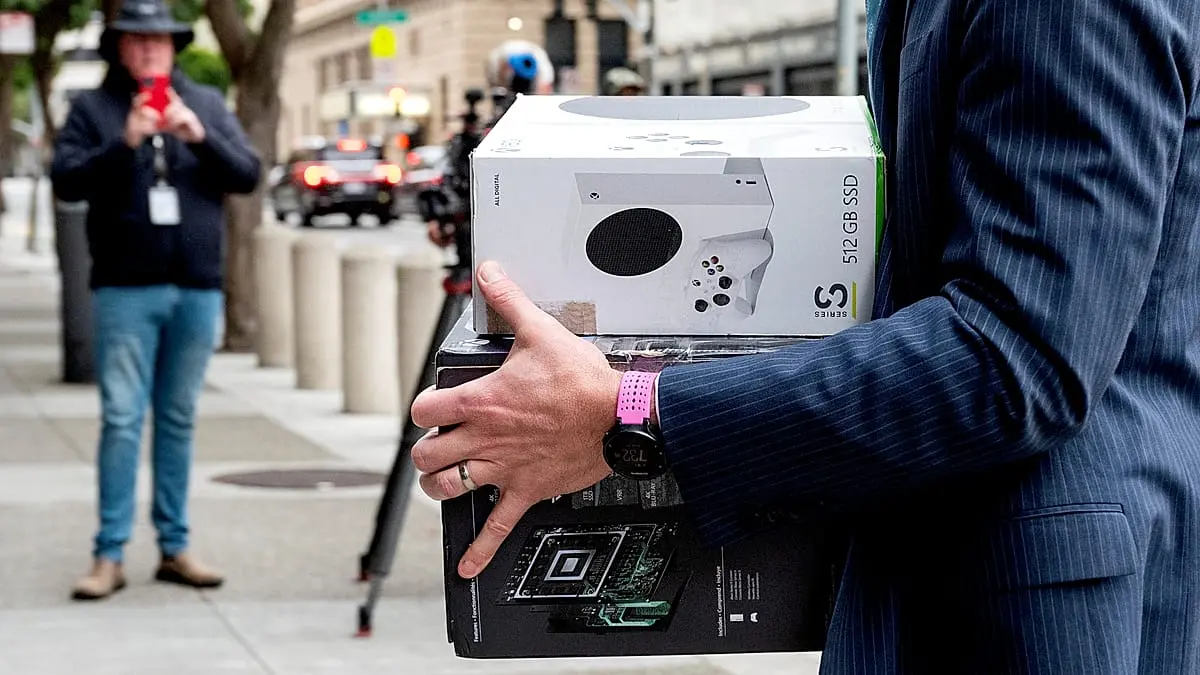
Microsoft announced on Thursday it would lift Xbox console prices by $100 for 512GB models and $150 for 1TB models, effective August 1
1
. In the United States, the cheapest Xbox, the Series S, will increase to $500 this summer, while the Series X will cost as much as $8002
. The company also announced it would discontinue the 2TB model entirely1
. This marks the third price increase for Xbox after a worldwide hike in May 2025 and another increase limited to the United States in October2
.
Source: Euronews
Microsoft stated that storage and memory prices had nearly tripled and were set to double again by late 2027
1
. The company noted that consoles "are typically not sold at a profit, but instead for less than they cost to make," highlighting the pressure component costs are placing on the gaming division2
. Microsoft's gaming division, which accounted for about 8% of its revenue during fiscal year 2025, underwent a major restructuring in February amid declining revenue from Xbox sales2
.AI-Driven Demand Creates Unprecedented Shortage of Memory Chips
The AI boom sends prices soaring as accelerated construction of AI data centers drives an unprecedented shortage of memory chips. The rapid expansion of data centers for AI training and applications has created extraordinary demand for the same components used in consumer device production
2
. Apple acknowledged in its statement that "the rapid expansion of AI data centres has created an extraordinary surge in demand for memory and storage"2
. The shortage has been dubbed "RAMageddon" by industry observers, reflecting the severity of the supply crisis1
.JB Hi-Fi chief executive Nick Wells told analysts in February that the cost crunch was resulting in 20% price rises for PCs, warning that phones were vulnerable to the same price hikes
1
. The memory chip market, dominated by Samsung, SK Hynix, and Micron, has suffered major supply shortages for several months2
. An International Data Corporation analyst, Soo Kyoum Kim, warned that the shortage was permanently rewriting the economics of consumer electronics: "The real question is whether the product economics of affordable devices can be rebuilt around structurally higher memory costs, or whether product mix and prices shift permanently upward"1
.Industry-Wide Impact Extends Beyond Apple and Microsoft
Consumer electronics manufacturers across the industry have been affected by soaring memory and storage chip costs. Sony raised the price of its PlayStation 5 by €100 in Europe in early April, bringing the standard version to €650
2
. Nintendo announced a price increase of more than 6% from September 1 for its Switch 2, while Valve launched its new Steam Machine at more than $1,000 for the base version, making it more expensive than expected2
.Australian retailers have yet to pass on the full price increases. JB Hi-Fi promoted Apple deals at the top of its website on Friday, with sales on the MacBook Air 13-inch at $1,597, MacBook Pro 14-inch at $2,797, and the iPad at $495
1
. However, industry experts predict these promotional prices won't last as retailers absorb the new wholesale costs.iPhone Price Hikes Expected as Industry Analysts Forecast Further Increases
While the iPhone 17 Pro still starts at $1,999 and the Pro Max at $2,199 on Apple's website, experts predict Apple will raise prices for its flagship product later this year
1
. Wells from JB Hi-Fi said in February that iPhones could be hit from September, when the iPhone 18 models are set to be released1
. IDC analyst Nabila Popal suggested the latest increases were larger than expected, indicating iPhone prices could rise more sharply than anticipated, perhaps by as much as $200 for the iPhone Pro and Pro Max models. "I think the days of $50 price increases are over," she said2
. Apple acknowledged the situation in its statement, saying: "We know this is not welcome news, and we are working tirelessly to find solutions"2
.References
Summarized by

Navi
[1]
[2]
Recent Highlights
1
Trump administration asks OpenAI to delay GPT-5.6 release over security concerns
Policy and Regulation

2
Anthropic faces AI export ban as Mythos reportedly breached NSA systems in hours
Policy and Regulation

3
OpenAI and Broadcom unveil Jalapeño chip to power next-generation AI inference at scale
Technology

Recent Highlights
Today's Top Stories






Don’t drown in AI news. We cut through the noise - filtering, ranking and summarizing the most important AI news, breakthroughs and research daily. Follow topics that matter to you and stay ahead.


