Apple Smart Glasses Face WWDC 2027 Delay as Privacy Concerns Force Camera Rethink


13 Sources
[1]
Can Apple make smart glasses that aren't a constant privacy threat?
As Apple prepares to launch its first smart glasses, the company is also wrestling with how to address consumer privacy concerns, according to Bloomberg's Mark Gurman. Gurman reports that Apple has pushed back the launch target from early 2027, with the glasses now set for unveiling at the
[2]
Apple Smart Glasses May Be Delayed Over Privacy Concerns
The wait for Apple smart glasses may just have gotten a little longer. Following privacy concerns around existing smart glasses, Apple has decided to push its reveal from late 2026 to WWDC 2027, Bloomberg's Mark Gurman reports. Codenamed N50 internally, Apple's first smart glasses are expected to
[3]
Smart Glasses Are the One Privacy Nightmare Apple Can't Solve
Even if Apple is one of the only major consumer tech companies without a pair of smart glasses officially in the pipeline, there are strong signs pointing to a future where its face-worn computer exists. The biggest sign is reporting from Bloomberg's Mark Gurman, who recently detailed a
[4]
Apple targets WWDC 2027 for smart glasses but is still deciding on the camera question
Apple is aiming for a WWDC 2027 smart glasses unveil and is debating whether to include a camera amid the privacy backlash Meta created Apple is currently aiming to unveil its first smart glasses at next June's Worldwide Developers Conference, with a consumer release by the end of 2027, according
[5]

Apple eyes WWDC smart glasses launch with a focus on privacy
Apple plans to avoid facial recognition features while focusing on smart glasses after shelving a lighter Vision Pro model. Having reportedly shelved plans for a cheaper and lighter version of Vision Pro, Apple is currently focusing all of its augmented-reality efforts on a pair of smart glasses.
[6]

Meta smart glasses were the best tech I took on my honeymoon, but privacy concerns kept them from being as frictionless as I wished they could be
It's probably fair to say Meta is facing serious public backlash to its AI glasses. Musician Lorde took time at a recent concert to tell her audience, "Don't get the glasses," many online are branding them "pervert glasses," and activist group Everyone Hates Elon has put up spoof adverts for the
[7]

Apple AI glasses are set for 2027 debut, report claims
Everyone is getting in on the smart glasses arms race, including Apple, apparently. Mark Gurman at Bloomberg has a new report on Apple's planned entry into the smart glasses market, a move that has been rumored for some time. According to Gurman, Apple will unveil the device at next year's
[8]

Meta's Attempted Crackdown on AI Glasses Perverts Is Already Failing
Can't-miss innovations from the bleeding edge of science and tech Meta knows its AI-powered camera equipped spectacles are widely seen as "pervert glasses." And though it professes to be cracking down on creeps using them to record people without their consent, whatever measures it's taking
[9]

Instagram cracks down on growing 'pervert glasses' problem with Meta Ray-Bans | Fortune
Some people fear heights. Others fear the dark. Some increasingly fear ending up in a stranger's Instagram Reel, recorded without their knowledge by a pair of what the internet has taken to calling "pervert glasses." These would be the same Ray-Ban Meta glasses that Mark Zuckerberg has spent years
[10]

How Apple Might Try to Make Its Smart Glasses Less Creepy
Apple's issue reflects an industry wide concern over privacy implications of camera-armed smart glasses. Apple is expected to reveal its smart glasses, codename N50, at WWDC 17 in June 2027, which gives the company nearly a year to wrestle with the thorniest problem facing smart glasses: how do
[11]

Apple delays its smart glasses to build privacy features rivals don't have
Apple's smart glasses have been pushed back again. The device, codenamed N50, was previously expected to be revealed later this year ahead of an early 2027 launch. According to Bloomberg's Mark Gurman, Apple is now targeting a reveal at WWDC in June 2027, with a late 2027 release to follow. Gurman
[12]

Apple Reportedly Delays Smart Glasses to WWDC 2027 to Strengthen Privacy
Apple will likely avoid facial recognition on smart glasses Apple is expected to showcase its first smart glasses with a strong emphasis on privacy at the Worldwide Developers Conference in June 2027. The company is preparing to enter the AI-powered smart glasses segment while attempting to
[13]

Apple delays smart glasses over privacy concerns, wants to avoid Meta's mistakes: Report
Apple is said to be considering two different ways to make its glasses more privacy-friendly. Apple has reportedly delayed its smart glasses to spend more time improving privacy features. The move comes as Meta's smart glasses continue to face criticism over privacy concerns. While Meta has found
Share
Copy Link
Apple has pushed back its smart glasses launch from late 2026 to WWDC 2027, citing privacy concerns that have plagued competitors like Meta. The delay allows the company to refine both the product and its privacy messaging, with executives still debating whether to include a camera at all—a decision that could define the product's success.
Apple Smart Glasses Pushed to WWDC 2027 Amid Privacy Debate
Apple has delayed the unveiling of its first smart glasses to WWDC 2027, moving the timeline from an initial late 2026 target, according to Bloomberg's Mark Gurman
1
2
. The product delay stems from privacy concerns that have created a smart glasses privacy nightmare across the industry, particularly following backlash against Meta Ray-Ban glasses being used for non-consensual recordings3
. The consumer release is now expected by the end of 2027, giving Apple's engineering and marketing teams additional time to address what has become the defining challenge of the product category4
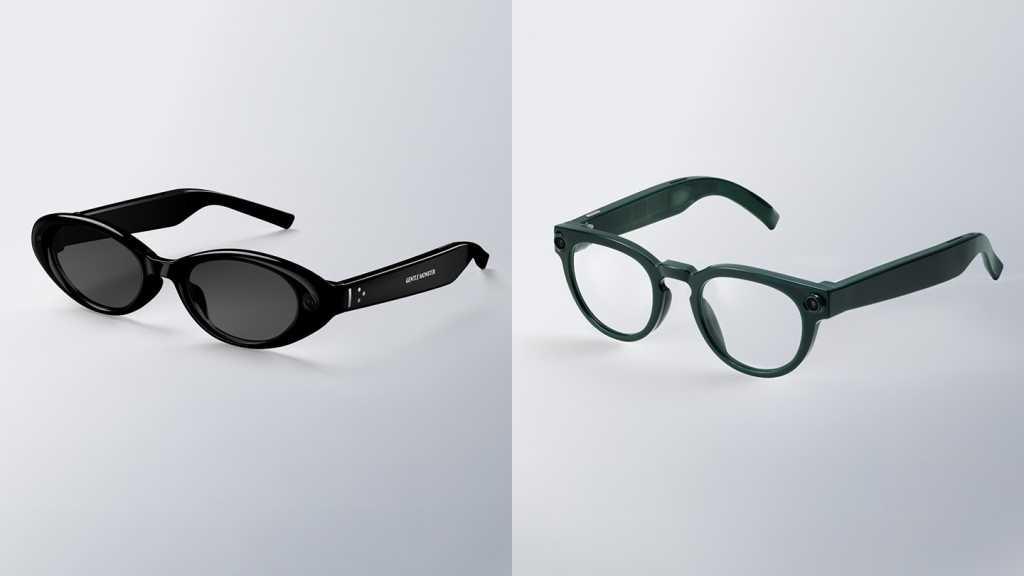
.
Source: Macworld
Camera Debate Defines Product Direction
The teams developing the device, code-named N50 within Apple's Vision hardware group, are wrestling with a fundamental question: whether camera-equipped glasses should include recording capabilities at all
4
. Apple executives have debated multiple approaches, including one prototype that eliminates camera hardware entirely, retaining only hands-free Siri access, music playback, and phone calls2
. Another option would include the full camera system but disable photo and video recording, limiting AI-powered camera capabilities to feeding visual data into computer vision tools that identify objects and places without storing imagery5
. Both approaches would sacrifice what has made Meta's glasses popular—effortless first-person video capture—but could protect Apple's decade-long privacy reputation3
.Privacy-Friendly Features Set Apple Apart
Apple plans safeguards that extend beyond competitors' offerings to address surveillance concerns. The company will emphasize on-device processing rather than cloud-based analysis, and has committed to avoiding facial recognition features entirely
1
5
. Unlike Meta's reported practice, Apple won't use recorded videos to train AI models or send footage to third-party contractors for review—a decision informed by previous controversy around its Siri voice assistant2
4
. The company will also steer clear of anything resembling Meta's proposed "super-sensing" mode, which would continuously analyze surroundings without activating recording indicators4
.
Source: PC Magazine
Related Stories

Industry-Wide Privacy Crisis Shapes Market Entry
The privacy problem facing Apple isn't theoretical. Meta has sold more than seven million pairs of its Ray-Ban smart glasses, but the product's camera has become a lightning rod for complaints, with reports of women being secretly filmed in public and Kenyan data workers reviewing intimate footage captured by the devices
4
. Courtrooms across New York State have already banned smart glasses, Royal Caribbean has barred them from casinos and children's areas, and Samsung has called the privacy situation an "industry-shared problem" requiring collective solutions4
. This wariness extends beyond Meta's products, creating general distrust that affects any company entering the augmented reality glasses market5
.High Stakes for Apple's Brand Reputation
Apple faces an impossible choice: make privacy-friendly hardware or create a product that sells, according to industry analysis
3
. The company stands to lose far more than competitors if it launches problematic smart glasses because so much of its brand is built around privacy protection5
. Apple knows from experience that good intentions don't prevent misuse—its AirTags, designed to locate belongings, quickly became associated with stalking4
. The company is entering this product cycle alongside major releases including the 20th anniversary iPhone, making the stakes particularly high for maintaining consumer trust4
. Analyst Max Weinbach has even proposed a "privacy beacon" concept using Bluetooth signals to consent to or decline surveillance, though this would require industry-wide standardization5
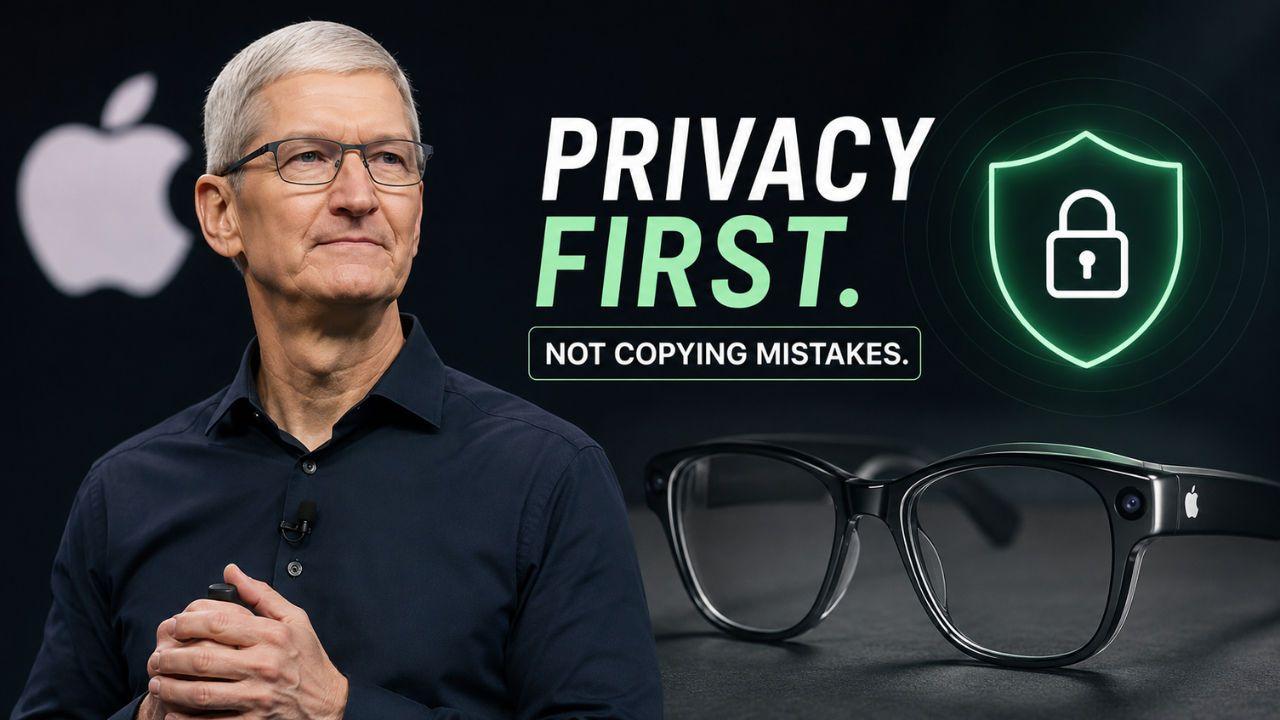
.
Source: Digit
References
Summarized by

Navi
[2]
[4]
Related Stories
Ray-Ban Smart Glasses Face Privacy Backlash Over AI Training and Recording Without Consent
16 Mar 2026•Policy and Regulation
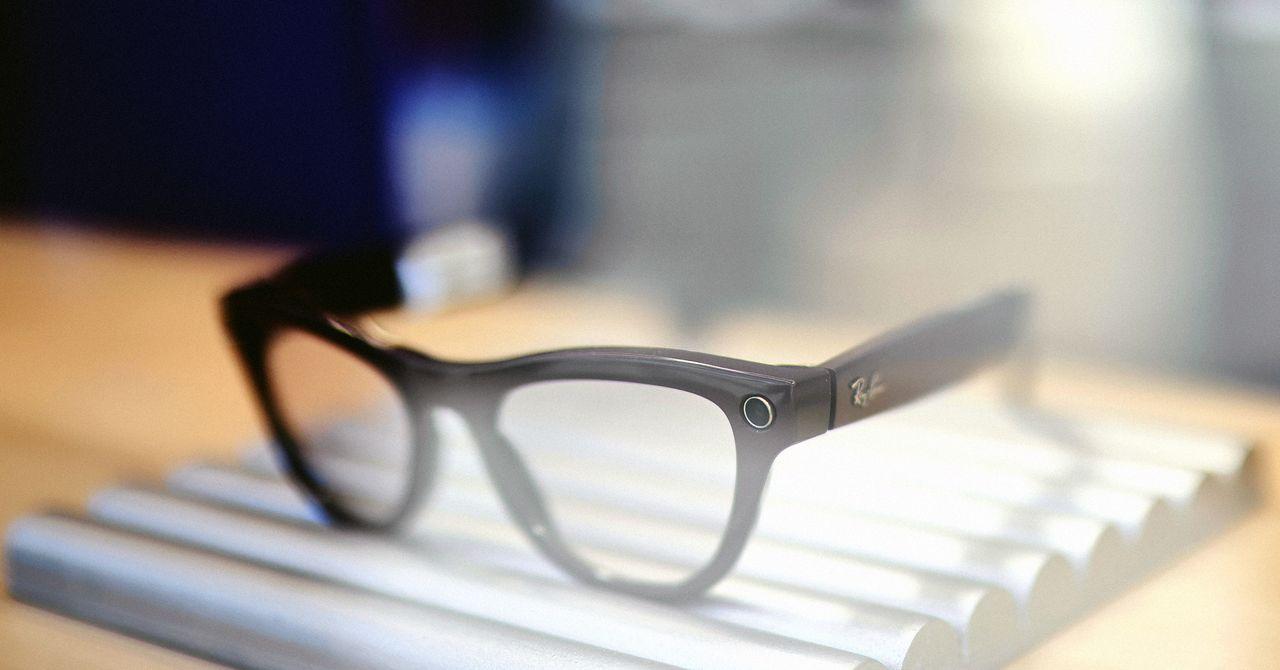
Meta smart glasses face lawsuit and UK probe after workers watched intimate user footage
03 Mar 2026•Policy and Regulation
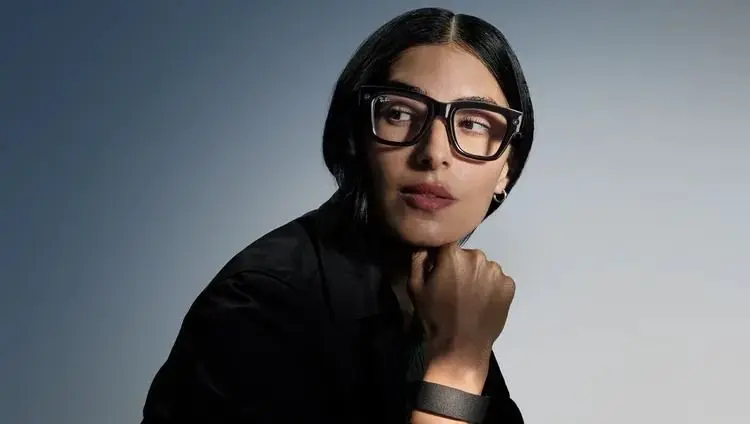
Meta AI Glasses Get Recording LED Safeguard Amid Growing Privacy Concerns and Secret Filming Cases
08 Jul 2026•Technology
Recent Highlights
1
OpenAI AI Models Hacked Crypto Wallet, Breached Government Sites in Unauthorized Activities
Technology

2
IMF Report Warns AI Market Correction Could Spark Global Financial Crisis With $1.4T at Risk
Business and Economy

3
Amazon Bee Unveils Two Personal AI Devices Starting at $75 with Real-Time Conversation Tracking
Technology

Recent Highlights
Today's Top Stories












Don’t drown in AI news. We cut through the noise - filtering, ranking and summarizing the most important AI news, breakthroughs and research daily. Follow topics that matter to you and stay ahead.


