Apple raises prices of MacBooks and iPads as AI industry drives memory costs to record highs


2 Sources
[1]
Apple raises prices of MacBooks, iPads as memory costs skyrocket
SAN FRANCISCO, June 25 (Reuters) - Apple raised iPad and MacBook prices on Thursday, saying it could no longer shield customers from soaring memory and storage chip costs driven by the AI industry's datacenter buildout. The move does not affect Apple's main cash cow, the iPhone. But it would take starting price of the Neo - its lowest priced laptop aimed at winning marketshare from affordable Windows and Chromebook laptops - from $599 to $699 months after launch. The increase shows even the world's most valuable consumer electronics company with supply chain relationships that are the envy of the industry is not immune to a memory price surge that has dulled the outlook for smartphone and PC sales. Memory makers such as Micron (MU.O), opens new tab have in recent months prioritized orders from AI chipmakers like Nvidia (NVDA.O), opens new tab, helping them earn record profit but leaving little supply for electronics makers that have been forced to increase prices. "We have never seen a component price increase this much, this quickly," Apple said in a statement. "We have shielded our customers from these increases so far, but we have now reached a point where we need to begin raising prices on a number of products, including today's increases for iPad and Mac." Apple hiked the price of MacBook Air with 512 gigabytes of storage rose to $1,299 from $1,099, while the MacBook Pro with 1 terabyte of storage rose to $1,999 from $1,699, according to updated prices on its website. The iPad Air with 128 gigabytes of storage rose from $599 to $749, among other changes. Shares of the company were down 0.7% in premarket trading after the news. Apple said in April existing inventories had helped it keep its gross margins above Wall Street expectations but that rising memory costs would start to catch up by the end of this month, with profitability expected to fall slightly. "We expect significantly higher memory costs," CEO Tim Cook said on a conference call with analysts in late April. "Where we don't give color beyond June, I can tell you that beyond the June quarter, we believe memory costs will drive an increasing impact on our business," Cook had said. MEMORY SURGE ADDS PRESSURE ON ELECTRONICS MAKERS Apple has not disclosed what steps besides price hike it has taken to address rising memory costs. The company said on Thursday, "We know this is not welcome news, and we are working tirelessly to find solutions." Prices of dynamic random access memory, used in virtually all modern tech gadgets, rose as much as 98% in the first quarter of 2026 and is set to jump by another 58% to 63% in the current quarter, according to industry tracker TrendForce. That surge, dubbed by some experts as "RAMageddon", has been driven by a boom in AI data center construction, with companies like Nvidia signing long-term deals with memory makers who are racing to increase capacity. Micron said on Wednesday it has locked in $22 billion in such long-term commitments from customers looking to secure their memory supplies. The rising costs are expected to weigh heavily on device sales this year, with research firm IDC estimating that the smartphone market would see its biggest-ever annual decline of nearly 14% this year while the PC market will fall 11.3%. "The memory environment is tough and remains structurally tough for the foreseeable future," said Ben Bajarin, CEO of technology consulting firm Creative Strategies. "We had already had signals Apple would need to raise prices, and with their supply chain as good as anyone, there is concern the rest of the industry may have to raise prices even more than Apple." Among the notable bright spots has been the MacBook Neo launched in March, which helped power Apple's strong sales forecast for the June quarter and has even led some industry watchers to revise their estimates for PC sales. With its increased price, it has now lost a $100 advantage over the $699 XPS 13 laptop that Dell unveiled last month especially to take on the Neo, while also making it more expensive than some Chromebooks from Lenovo and Asus. Reporting by Stephen Nellis in San Francisco and Aditya Soni in Bengaluru; Editing by Arun Koyyur Our Standards: The Thomson Reuters Trust Principles., opens new tab
[2]
Apple raises prices of MacBooks, iPads as memory costs skyrocket - The Korea Times
SAN FRANCISCO -- Apple raised iPad and MacBook prices on Thursday, saying it could no longer shield customers from soaring memory and storage chip costs driven by the AI industry's datacenter buildout. The move does not affect Apple's main cash cow, the iPhone. But it would take starting price of the Neo -- its lowest priced laptop aimed at winning marketshare from affordable Windows and Chromebook laptops -- from $599 to $699 months after launch. The increase shows even the world's most valuable consumer electronics company with supply chain relationships that are the envy of the industry is not immune to a memory price surge that has dulled the outlook for smartphone and PC sales. Memory makers such as Micron have in recent months prioritized orders from AI chipmakers like Nvidia, helping them earn record profit but leaving little supply for electronics makers that have been forced to increase prices. "We have never seen a component price increase this much, this quickly," Apple said in a statement. "We have shielded our customers from these increases so far, but we have now reached a point where we need to begin raising prices on a number of products, including today's increases for iPad and Mac." Apple hiked the price of MacBook Air with 512 gigabytes of storage rose to $1,299 from $1,099, while the MacBook Pro with 1 terabyte of storage rose to $1,999 from $1,699, according to updated prices on its website. The iPad Air with 128 gigabytes of storage rose from $599 to $749, among other changes. The company said in April existing inventories had helped it keep its gross margins above Wall Street expectations but that rising memory costs would start to catch up by the end of this month, with profitability expected to fall slightly. "We expect significantly higher memory costs," CEO Tim Cook said on a conference call with analysts in late April. "Where we don't give color beyond June, I can tell you that beyond the June quarter, we believe memory costs will drive an increasing impact on our business," Cook had said. Memory surge adds pressure on electronics makers Apple has not disclosed what steps besides price hike it has taken to address rising memory costs. The company said on Thursday, "We know this is not welcome news, and we are working tirelessly to find solutions." Prices of dynamic random access memory, used in virtually all modern tech gadgets, rose as much as 98 percent in the first quarter of 2026 and is set to jump by another 58 percent to 63 percent in the current quarter, according to industry tracker TrendForce. That surge, dubbed by some experts as "RAMageddon", has been driven by a boom in AI data center construction, with companies like Nvidia signing long-term deals with memory makers who are racing to increase capacity. Micron said on Wednesday it has locked in $22 billion in such long-term commitments from customers looking to secure their memory supplies. The rising costs are expected to weigh heavily on device sales this year, with research firm IDC estimating that the smartphone market would see its biggest-ever annual decline of nearly 14 percent this year while the PC market will fall 11.3 percent. Among the notable bright spots has been the MacBook Neo launched in March, which helped power Apple's strong sales forecast for the June quarter and has even led some industry watchers to revise their estimates for PC sales. With its increased price, it has now lost a $100 advantage over the $699 XPS 13 laptop that Dell unveiled last month especially to take on the Neo, while also making it more expensive than some Chromebooks from Lenovo and Asus.
Share
Copy Link
Apple increased prices across its MacBook and iPad lineup, citing unprecedented memory cost surges driven by AI datacenter demand. The MacBook Neo jumps from $599 to $699, while other models see increases up to $300. Dynamic random access memory prices rose 98% in Q1 2026, with analysts dubbing the crisis 'RAMageddon' as AI chipmakers secure long-term supply deals.
Apple Price Increases Reflect Industry-Wide Memory Crisis
Apple raised prices across its MacBook and iPad product lines on Thursday, marking a significant shift for a company known for absorbing supply chain pressures to maintain stable pricing
1
. The company stated it could no longer shield customers from soaring memory and storage chip costs, a situation driven primarily by the AI industry's datacenter expansion2
. "We have never seen a component price increase this much, this quickly," Apple said in a statement, acknowledging the unprecedented nature of the crisis1
.
Source: Reuters
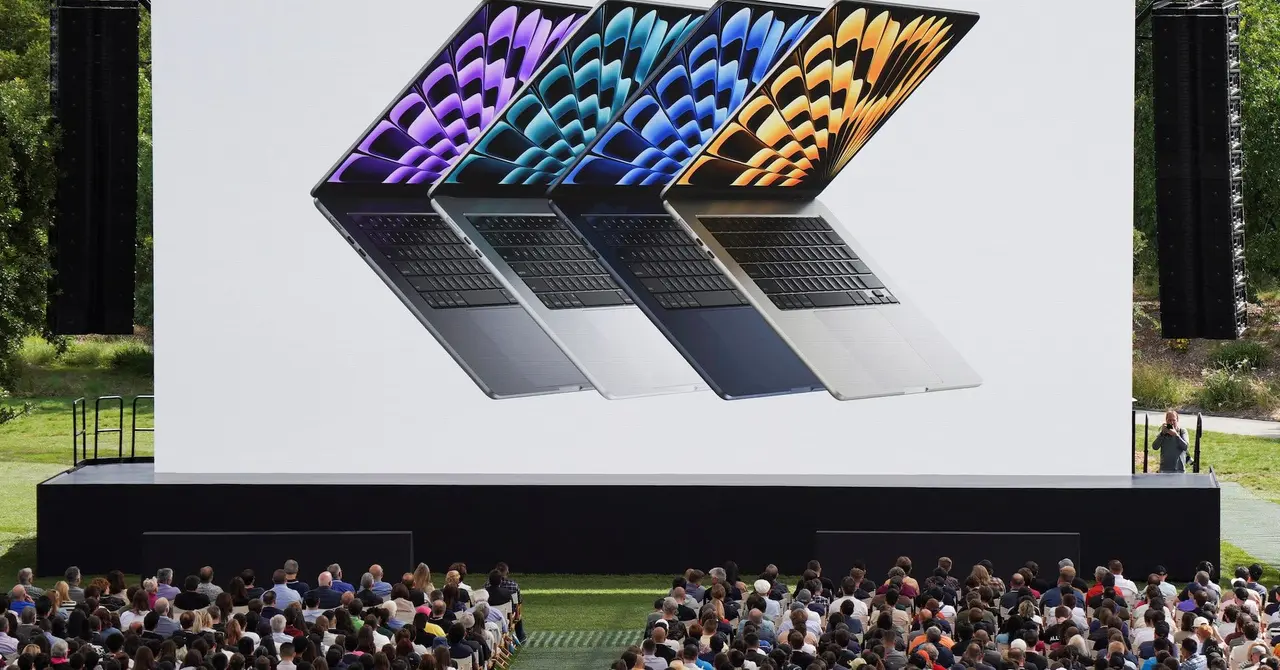
The strategic pricing adjustments affect multiple product tiers. Apple raises prices of MacBooks with the MacBook Air with 512 gigabytes of storage climbing to $1,299 from $1,099, while the MacBook Pro with 1 terabyte of storage jumped to $1,999 from $1,699
1
. Apple raises prices of iPads as well, with the iPad Air with 128 gigabytes of storage increasing from $599 to $7492
. Perhaps most significantly, the MacBook Neo, Apple's lowest-priced laptop launched just months ago in March, now costs $699 instead of $599, eliminating its $100 price advantage over Dell's $699 XPS 13 laptop1
.AI Industry Drives RAMageddon Crisis
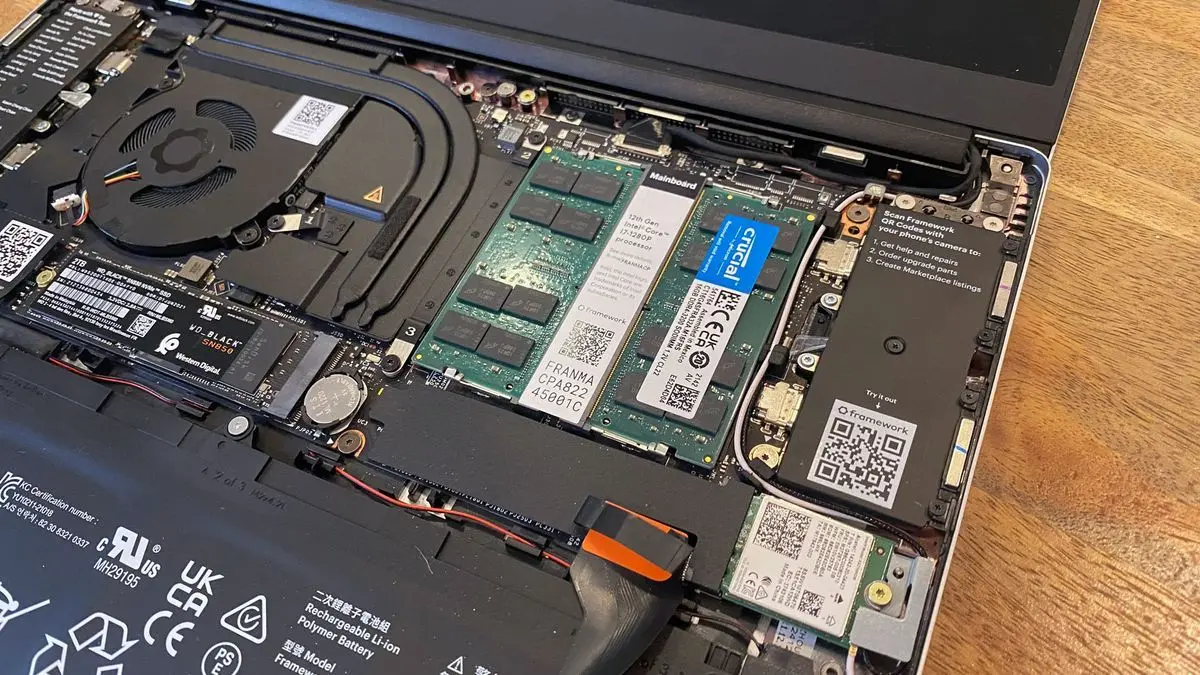
The memory costs surge stems directly from AI-driven market dynamics, with memory makers such as Micron prioritizing orders from AI chipmakers like Nvidia over traditional consumer electronics manufacturers
1
. Prices of dynamic random access memory rose as much as 98% in the first quarter of 2026 and are projected to jump another 58% to 63% in the current quarter, according to industry tracker TrendForce2
. Industry experts have dubbed this situation "RAMageddon," reflecting the severity of supply constraints as AI chipmakers secure long-term supply deals1
.Micron announced Wednesday it has locked in $22 billion in long-term commitments from customers seeking to secure their memory supplies, illustrating how the AI industry has fundamentally reshaped memory allocation priorities
2
. Companies like Nvidia are signing extended contracts with memory makers racing to increase capacity for AI datacenter construction, leaving limited supply for consumer electronics producers1
.Related Stories

Economic Impacts Ripple Through Consumer Electronics
The memory crisis demonstrates that even Apple, with supply chain relationships considered the industry benchmark, cannot escape these market pressures
1
. CEO Tim Cook warned analysts in late April, "We expect significantly higher memory costs," adding that "beyond the June quarter, we believe memory costs will drive an increasing impact on our business"1
. The company had previously relied on existing inventories to maintain gross margins above Wall Street expectations, but acknowledged that profitability would fall slightly as those buffers depleted2
.
Source: Korea Times
The broader market faces significant headwinds. Research firm IDC estimates the smartphone sales decline will reach nearly 14% this year, marking the biggest-ever annual drop, while the PC sales decline is projected at 11.3%
1
. Ben Bajarin, CEO of technology consulting firm Creative Strategies, noted, "The memory environment is tough and remains structurally tough for the foreseeable future," speculating that competitors may need to raise prices even more than Apple given its superior supply chain position1
. Apple's shares fell 0.7% in premarket trading following the announcement1
. The company stated it is "working tirelessly to find solutions" beyond price adjustments, though it has not disclosed specific strategies2
.References
Summarized by

Navi
Related Stories
Apple price increases loom as Tim Cook calls AI memory demand 'unsustainable'
18 Jun 2026•Business and Economy

AI Crunch Pushes Laptop Prices Up 40% as Memory and Storage Costs Spiral Out of Control
10 Mar 2026•Business and Economy
Apple warns memory costs will rise sharply as global chip shortage hits iPhone and MacBook Neo
01 May 2026•Business and Economy

Recent Highlights
1
Anthropic faces AI export ban as Mythos reportedly breached NSA systems in hours
Policy and Regulation

2
Five Eyes Alliance Warns AI Cyber Risks Could Trigger Crises Within Months, Not Years
Policy and Regulation
3
UN launches transparency initiative demanding AI firms reveal full environmental impact by 2030
Policy and Regulation
Recent Highlights
Today's Top Stories







Don’t drown in AI news. We cut through the noise - filtering, ranking and summarizing the most important AI news, breakthroughs and research daily. Follow topics that matter to you and stay ahead.


