Asus VivoWatch 6 Plus debuts with AI healthcare features and fingertip ECG at Computex 2026


3 Sources
[1]
Asus' VivoWatch 6 Plus Can Send Health Data to Your Doctor
The new Asus VivoWatch 6 Plus, announced at Computex 2026, is more than just a smartwatch that sends you notifications or tracks your workouts. It's part of the Asus "AI-powered health care ecosystem." The new Asus AI Agent for healthcare takes patient data from the new smartwatch and the Asus
[2]
Asus Vivowatch 6 Plus arrives with blood pressure and ECG chops alongside a wellness coach
Asus launches VivoWatch 6 with AI wellness coaching features This story is part of our coverage of Computex, the world's biggest computing conference. Updated less than 1 minute ago ASUS is continuing its push into health-focused wearables with the launch of the new VivoWatch 6 Plus at Computex
[3]
ASUS VivoWatch 6 Plus Debuts With Fingertip ECG, Blood Pressure Tracking and Health AI 5.0
While most smartwatches are limited to one sensor, the VivoWatch 6 Plus employs two sensors. Users need to keep their finger pressed on the front sensor to take a reading. This is designed to improve accuracy by capturing signals from denser blood vessels. The watch supports blood pressure
Share
Copy Link
Asus unveiled the VivoWatch 6 Plus at Computex 2026, featuring dual-sensor ECG and blood pressure tracking, Health AI 5.0, and an AI Agent that sends patient data to healthcare providers. The smartwatch aims to transform continuous health monitoring into actionable clinical insights, though questions remain about data privacy and AI decision-making authority.
Asus VivoWatch 6 Plus Brings AI Healthcare to Your Wrist
Asus announced the Asus VivoWatch 6 Plus at Computex 2026, positioning the smartwatch as more than a fitness tracker—it's part of an AI-powered healthcare ecosystem designed to bridge the gap between consumer wearables and clinical care
1
. The device features a titanium alloy case with a 1.43-inch AMOLED display protected by sapphire crystal glass, offering continuous health monitoring through advanced sensors1
. Unlike competing wearables from Samsung and Apple, Asus has introduced an AI Agent that takes patient data from the smartwatch and sends it directly to healthcare providers to turn "patient data into instant clinical decisions"1
.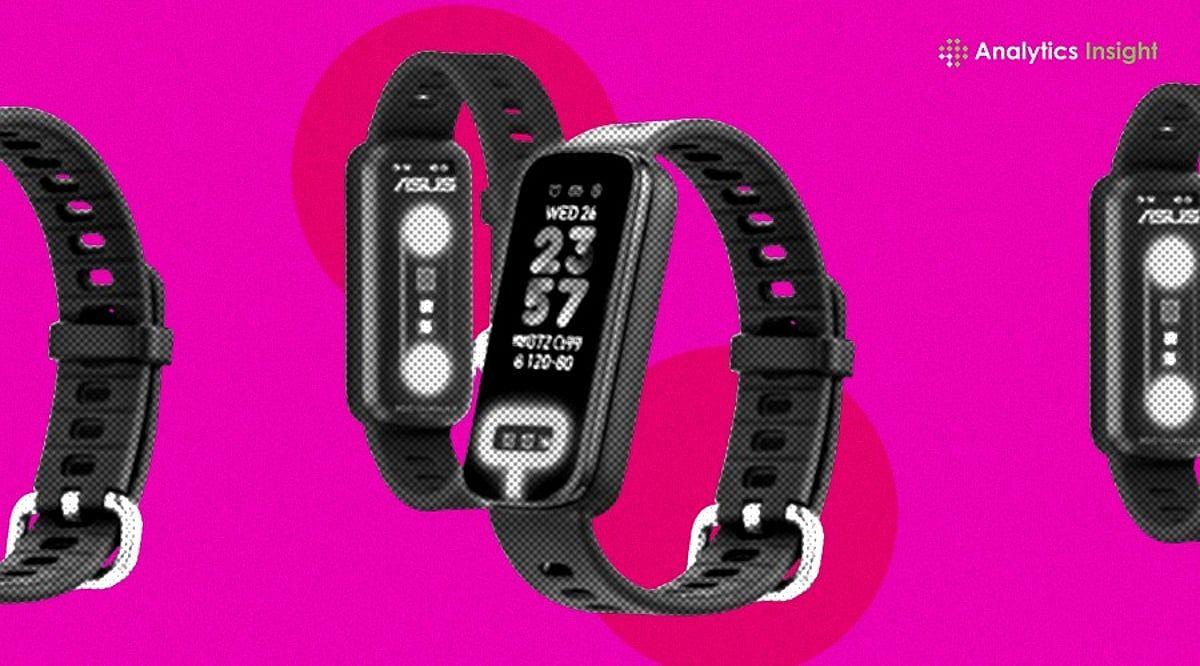
Source: Analytics Insight
Dual-Sensor Technology for Fingertip ECG and Blood Pressure Tracking
The VivoWatch 6 Plus stands out with its dual-sensor approach to health monitoring
3
. While most smartwatches rely on wrist-based measurements alone, this device requires users to press their finger on a front sensor to capture readings from denser blood vessels, improving accuracy3
. The watch supports blood pressure measurement without bulky cuff accessories, ECG monitoring, sleep monitoring, breathing analysis, and gait analysis1
3
. Additional features include body composition analysis measuring fat, muscle mass, and hydration levels, plus Pulse Transit Time (PTT) tracking for cardiovascular health insights3
.ASUS Health AI 5.0 Powers Personalized Wellness Guidance
At the core of the device sits ASUS Health AI 5.0, which analyzes metrics including sleep, stress, and activity to function as an AI-powered wellness coach
3
2
. The system provides personalized wellness guidance based on long-term data collection, identifying lifestyle patterns, recovery needs, and stress indicators2
. Asus claims the watch delivers "real-time health feedback" and transforms continuous data into actionable guidance, offering deeper insights into chronic disease risk and long-term health trends3
. The device maintains multiple days of battery life while continuously monitoring health metrics in the background2
.Related Stories

Questions Surround Asus AI Agent and Clinical Decisions
The most controversial aspect of the VivoWatch 6 Plus is the Asus AI Agent, which analyzes patient data to "execute actions in real-time"
1
. Asus has not detailed what information is sent to healthcare providers, when that information is transmitted, or what specific actions the AI Agent will take based on that data1
. This differs from Samsung's Galaxy Watches, which focus on monitoring and predictive models, and Whoop's service offering healthcare access while leaving medical decisions with users and their doctors1
. The system's ability to make healthcare decisions autonomously raises concerns about data privacy and medical authority.Preventive Health Focus Reflects Broader Wearables Shift
Asus is positioning the VivoWatch 6 Plus for preventive health rather than fitness tracking, reflecting how wearable brands are shifting strategy as smartphone innovation slows
2
. Companies like Apple, Samsung, and Huawei are investing heavily in medical-style wearable features ranging from ECG readings to sleep apnea detection2
. Asus emphasizes AI-assisted wellness analysis over purely fitness-focused branding, targeting consumers who want actionable health insights instead of raw biometric data they don't understand2
. Pricing remains unconfirmed, but considering the base VivoWatch 6 costs $299, the Plus model will likely compete directly with the Galaxy Watch 8 and Apple Watch Series 111
. Accuracy of consumer-grade blood pressure tracking and regulatory limitations preventing smartwatches from functioning as true medical devices remain key questions for real-time health tracking adoption2
.References
Summarized by

Navi
[2]
Related Stories
Pixel Watch 5 Brings AI Health Tracking With Insulin Resistance and Emergency Breathing Detection
13 Aug 2026•Technology

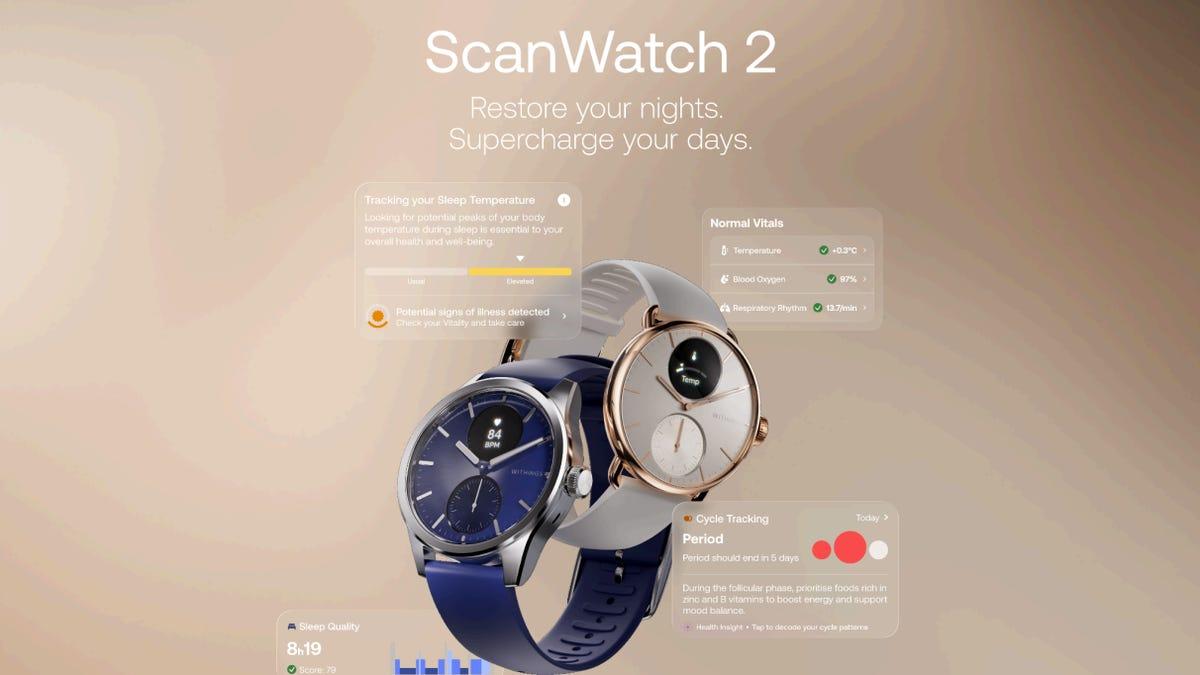
Withings ScanWatch 2 Gets AI-Powered Health Features and Extended Battery Life
05 Sept 2025•Technology
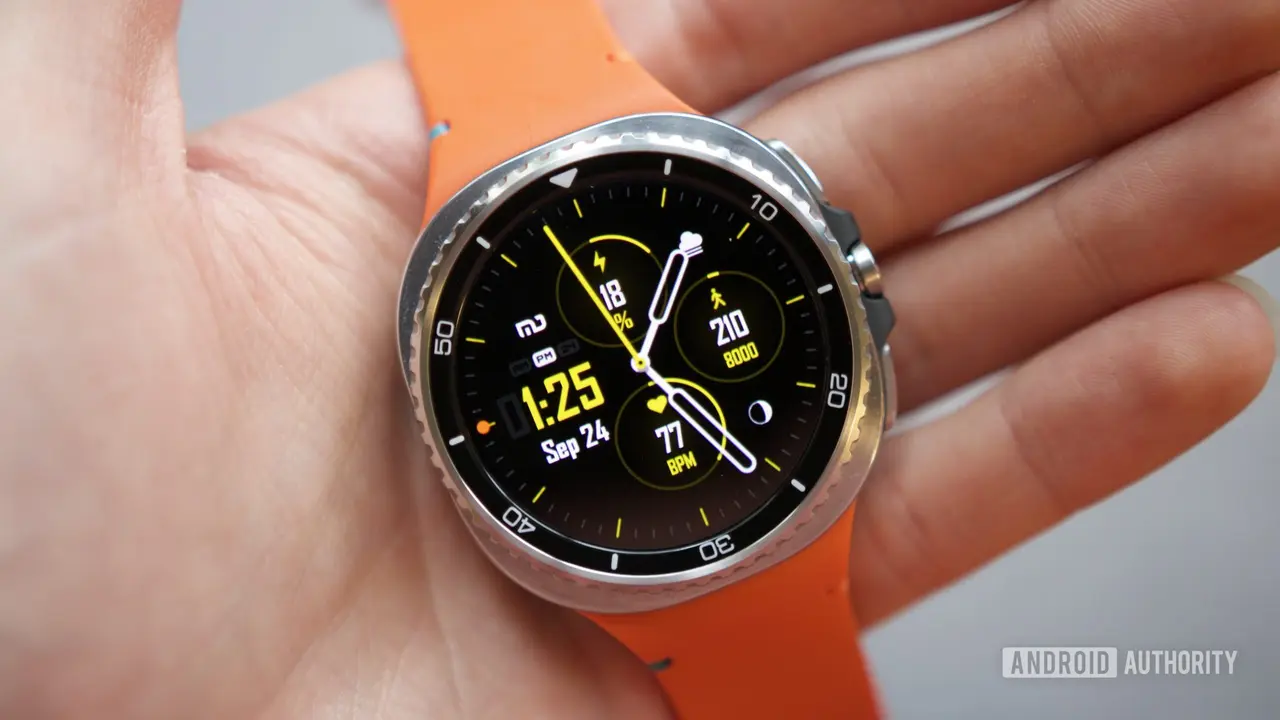
Samsung teases Galaxy Watch 9 and Ultra 2 with AI health companion features ahead of Unpacked
14 Jul 2026•Technology
Recent Highlights
1
Meta Unveils Muse Wonder Frontier AI Models, Claims Performance Matching OpenAI and Anthropic
Technology

2
IMF Report Warns AI Market Correction Could Spark Global Financial Crisis With $1.4T at Risk
Business and Economy

3
OpenAI Releases 722 AI-Generated Math Solutions, Triggering Existential Crisis in Mathematics
Technology

Recent Highlights
Today's Top Stories







Don’t drown in AI news. We cut through the noise - filtering, ranking and summarizing the most important AI news, breakthroughs and research daily. Follow topics that matter to you and stay ahead.


