Atlassian Co-Founder Scott Farquhar Sparks Controversy Over AI Copyright Exemptions in Australia


2 Sources
[1]
Scott Farquhar thinks Australia should let AI train for free on creative content. He overlooks one key point
CEO of Tech Council of Australia and Atlassian founder's argument hinges on whether AI goes on to create something 'new and novel' Australia should adopt US-style copyright law to allow artificial intelligence to suck up all creative content or risk harming investment in the industry in Australia,
[2]
Tech billionaire defends AI companies stealing IP in trainwreck ABC interview
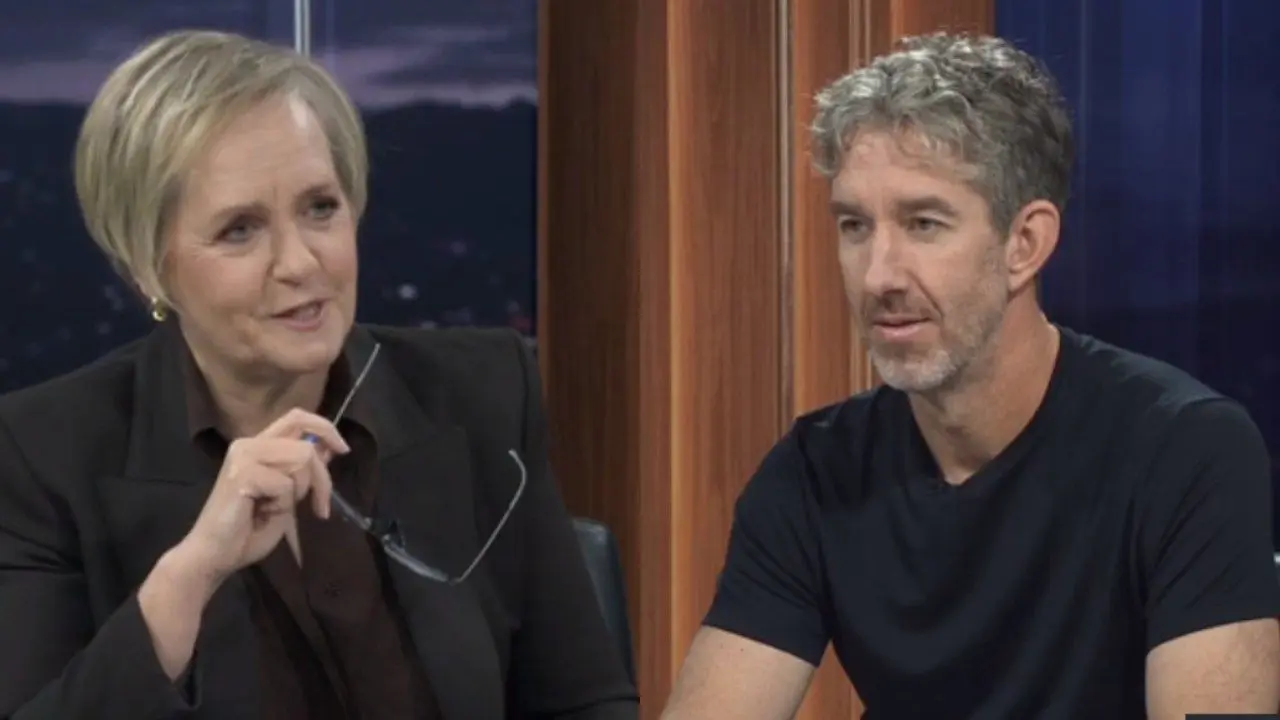
Co-founder of Atlassian Scott Farquhar has come under fire in a tense interview on the ABC's 7.30 program, where he was repeatedly pressed on whether AI companies should be allowed to use copyrighted material without compensating creators. Farquhar appeared on the programme to promote the economic
Share
Copy Link
Scott Farquhar, Atlassian co-founder and Tech Council of Australia CEO, advocates for US-style copyright law in Australia to allow AI companies to use creative content without compensation, sparking debate on fair use and potential impacts on creative industries.
Atlassian Co-Founder Advocates for AI Copyright Exemptions
Scott Farquhar, co-founder of Atlassian and CEO of the Tech Council of Australia, has ignited a heated debate over artificial intelligence (AI) and copyright law in Australia. In a recent interview on ABC's 7.30 program, Farquhar argued that Australia should adopt US-style copyright laws to allow AI companies to freely use creative content for training purposes
1
2
.
Source: Sky News
The Case for Fair Use
Farquhar contends that the current Australian copyright law, which lacks explicit fair use provisions for AI, is hindering investment in the country's AI industry. He stated, "All AI usage of mining or searching or going across data is probably illegal under Australian law and I think that hurts a lot of investment of these companies in Australia"
1
.The tech billionaire's argument hinges on the concept of "transformative" use, suggesting that if AI creates something "new and novel" based on existing works, it should be considered fair use. Farquhar explained, "If someone had used my intellectual property to compete with me, then I think that is an issue, directly with me. If they'd used all the intellectual property of all the software on the world to help people write software better in the future, I think that is a fair use"
1
.Controversy and Criticism
Farquhar's stance has drawn significant criticism, particularly from the creative industries. The debate centers around whether AI companies should be allowed to use copyrighted material without compensating creators
2
. Critics argue that this approach could have devastating effects on various sectors, including news, music, and visual arts.Unsettled Legal Landscape
It's important to note that even in the United States, the legality of AI training on copyrighted works is not settled. The US Copyright Office's May pre-print report highlighted dozens of lawsuits challenging AI companies' use of fair use as a justification for training large language models on copyrighted works without payment
1
.Market Impact Concerns
A key factor in determining fair use, according to US law, is the impact on the market for the copyrighted work. The US Copyright Office report stated, "The copying involved in AI training threatens significant potential harm to the market for or value of copyrighted works"
1
. This concern extends to potential lost sales and market dilution for works similar to those found in AI training data.Related Stories
Australian Context and Future Implications
As Australia considers changes to its copyright laws, the debate sparked by Farquhar's comments highlights the complex balance between fostering AI innovation and protecting intellectual property rights. The outcome of this discussion could have far-reaching implications for both the tech industry and creative sectors in Australia and potentially influence similar debates globally.
Conclusion
The controversy surrounding Scott Farquhar's advocacy for AI copyright exemptions underscores the ongoing challenges in adapting legal frameworks to rapidly evolving technologies. As the debate continues, policymakers, tech companies, and creative industries will need to find a balance that encourages innovation while safeguarding the rights and livelihoods of content creators.
References
Summarized by

Navi
[1]
Related Stories
Australia Debates AI Copyright Exemptions: Balancing Innovation and Creative Rights
06 Aug 2025•Policy and Regulation

Australian Broadcasting Corporation Rejects AI Copyright Opt-Out as Content Scraping Concerns Surface
01 Oct 2026•Policy and Regulation

Anthropic lobbies Australia for AI copyright reform as $50bn datacentre deal sparks creator backlash
13 Jul 2026•Policy and Regulation
Recent Highlights



Recent Highlights
Today's Top Stories



Don’t drown in AI news. We cut through the noise - filtering, ranking and summarizing the most important AI news, breakthroughs and research daily. Follow topics that matter to you and stay ahead.


