Australian lawmakers clash over potential AI copyright exemptions for tech companies


2 Sources
[1]
David Pocock urges Albanese to stop tech companies training AI models using Australian content
Independent senator says Anthony Albanese is preparing to announce an AI copyright plan in July Independent David Pocock has challenged the Albanese government to rule out letting technology giants use Australian content to train AI models, as cabinet considers proposals to change copyright rules
[2]
'We will not stand for it': Coalition warns of 'fight' over any Labor plan to allow an AI copyright law carve-out
Any plan to allow AI companies to train on Australian intellectual property will face staunch opposition from the Coalition, a leading senator says. The government is seriously considering carving out AI from copyright laws, Senator David Pocock alleged this week, as Industry Minister Tim Ayres
Share
Copy Link
Independent Senator David Pocock has challenged the Albanese government to rule out allowing tech giants to use Australian content for training AI models, alleging a plan could be announced in July. Industry Minister Tim Ayres denied undermining copyright protections while the Coalition warned of fierce opposition to any changes affecting intellectual property rights of creatives, journalists, and artists.
Political Battle Erupts Over AI Copyright Protections
Australia faces a contentious political showdown over how AI copyright rules should govern the use of Australian content by technology companies. Independent Senator David Pocock has publicly challenged the Albanese government to explicitly rule out allowing AI models to be trained on Australian-made content, alleging that Prime Minister Anthony Albanese is preparing to announce a controversial plan around July 15
1
. The allegations have triggered intense scrutiny from both sides of parliament, with the Coalition warning of a "fight" if any AI copyright law carve-out moves forward2
.Competing Cabinet Proposals on AI Regulations
Behind closed doors, competing cabinet submissions from the Department of Industry, Science and Resources and the Attorney-General's Department reveal deep divisions over the best approach to AI development and copyright rules
1
. Ministers are weighing several options: establishing new exemptions from copyright protections in exchange for greater investment in Australian-hosted data centres, extending licensing arrangements to cover training AI models, or creating a new fund for creative industries as part of a broader package. Under one proposal, AI companies could legally use Australian content to train their commercial products, a prospect that has alarmed creatives, journalists, and intellectual property rights advocates. Industry Minister Tim Ayres insisted the government would not permit "undermining of copyright protections" while defending Assistant Minister Andrew Charlton's handling of AI policy1
.Coalition and Greens Voice Strong Opposition
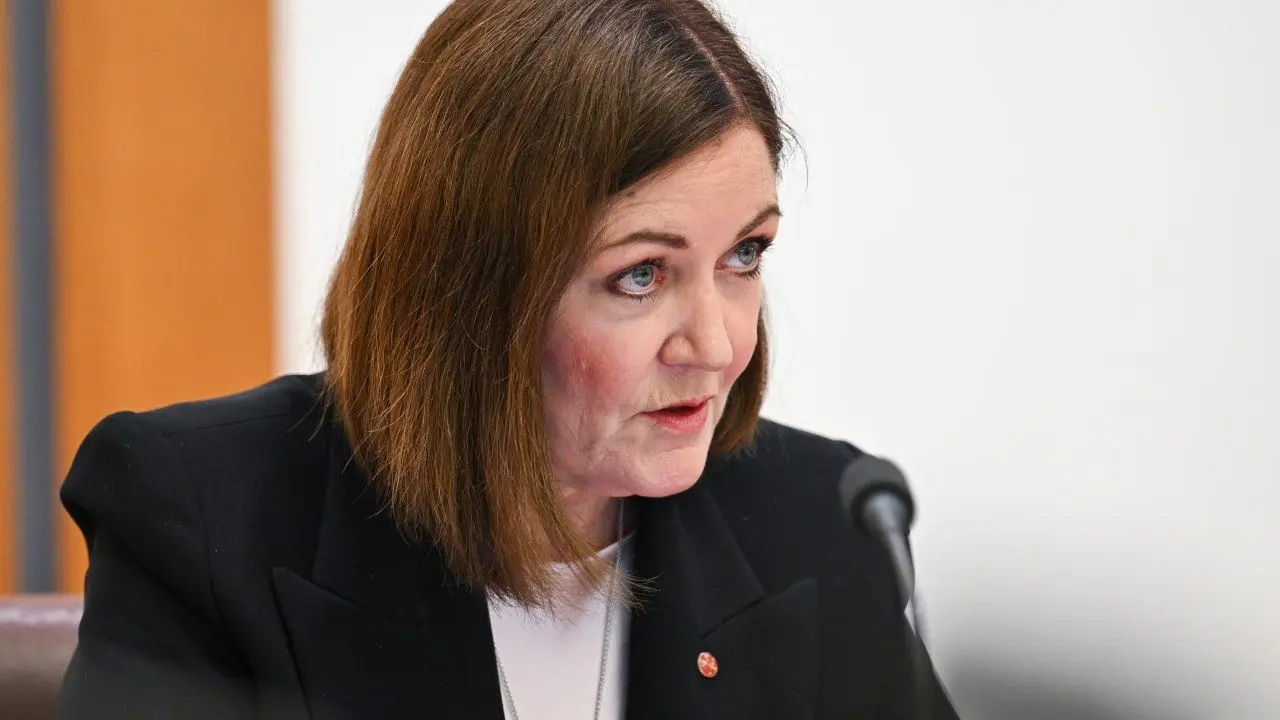
Source: Sky News
Liberal Senator Sarah Henderson, a former ABC journalist and IP lawyer, warned that any changes to copyright laws would face "fierce scrutiny" and staunch opposition. "If the government is trying to do some sleazy deal, boy, oh boy, have they got a fight coming, because we will not stand for it," Henderson told Sky News, emphasizing protection for musicians, artists, writers, and journalists
2
. She referenced a previous Senate inquiry that forced the government to retreat from earlier proposals affecting creatives. Meanwhile, Greens Senator Sarah Hanson-Young called for a moratorium on building and approving new data centres until "we get the regulations right," warning Australia is "sleepwalking into an AI crisis" .Related Stories
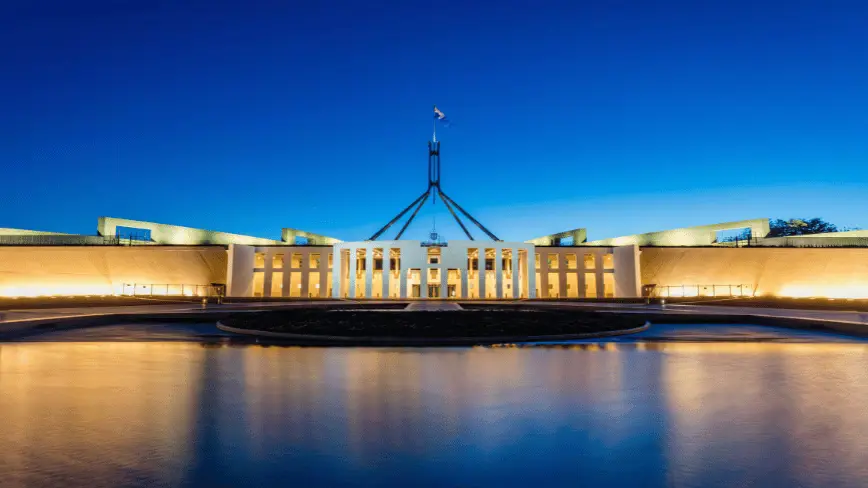
Government Denies Plans While Defending National Interest
Despite David Pocock's allegations of intense lobbying from AI proprietors and claims about impending announcements, a spokesperson for Tim Ayres stated the government has "ruled out a text and data mining exception" and that their position has not changed
1
. However, during Senate question time, Ayres did not explicitly rule out the specific proposals Pocock outlined, instead emphasizing Australia's need for sovereign capability in technology. "It is not this government's view that we should just be a cork bobbing on the ocean of other people's technology and a customer at the long end of technology supply chains," Ayres argued, suggesting such an approach "sells out future generations"1
2
.What This Means for AI Innovation and Creative Industries
The debate highlights the tension between fostering AI innovation and protecting intellectual property rights in an era of rapid technological advancement. Former Industry Minister Ed Husic had advocated for new AI guardrails and consideration of a major new act before being removed from cabinet in 2025, while his successor Ayres favors a lighter touch approach to changes to copyright laws
1
. The potential for expedited approvals and multi-billion-dollar investments in data centres tied to any copyright concessions adds another layer of complexity to the policy debate. As Pocock noted, the minister's response "rather curiously, could not simply rule out the speculation," leaving uncertainty about what proposals might emerge and whether they would include provisions for licensing arrangements or other mechanisms allowing training AI models on Australian works2
. Observers should watch for any announcements in mid-July and monitor how the government balances competing pressures from technology companies seeking access to Australian content against demands from creatives and opposition parties to maintain robust copyright protections.🟡 curiosity, could not simply rule out the speculation," leaving uncertainty about what proposals might emerge and whether they would include provisions for licensing arrangements or other mechanisms allowing training AI models on Australian works1
2
. Observers should watch for any announcements in mid-July and monitor how the government balances competing pressures from technology companies seeking access to Australian content against demands from creatives and opposition parties to maintain robust copyright protections.References
Summarized by

Navi
[1]
Related Stories
Australian Musicians Demand PM Albanese Reject $50bn AI Copyright Deal Threatening Creative Work
01 Jul 2026•Policy and Regulation
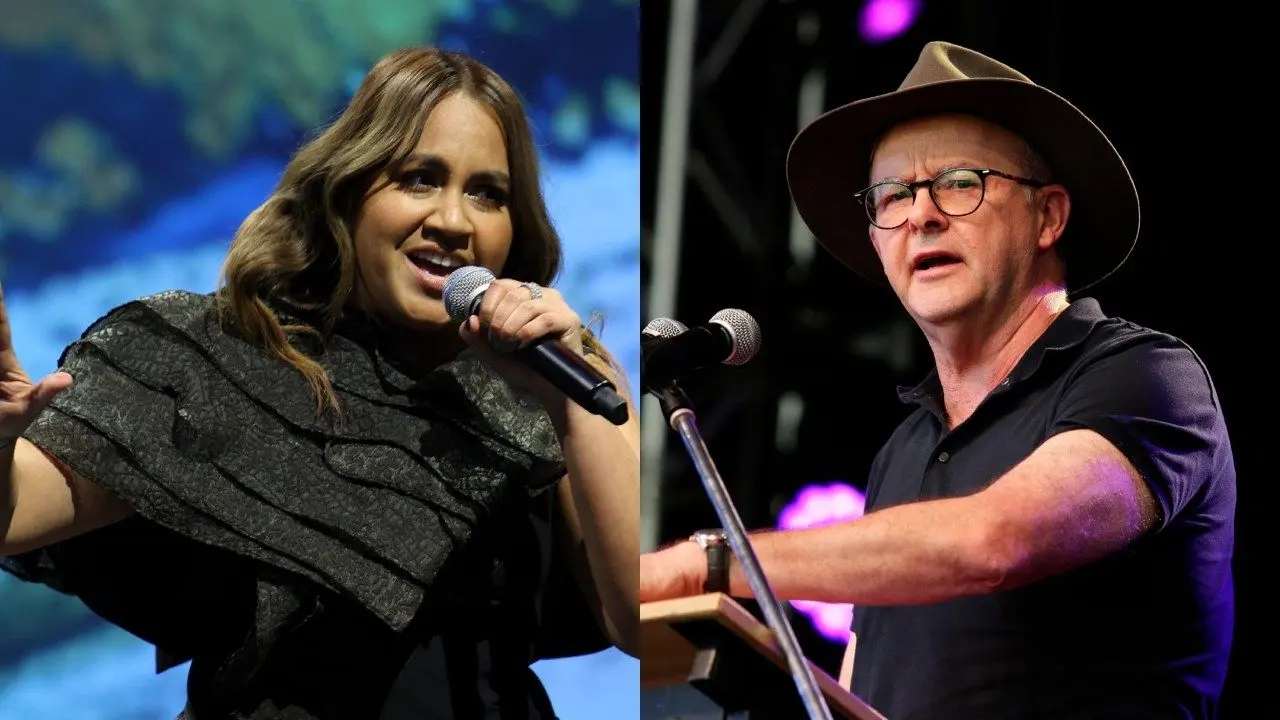
Australia Debates AI Copyright Exemptions: Balancing Innovation and Creative Rights
06 Aug 2025•Policy and Regulation

Australia Rejects Copyright Exemption for AI Training, Prioritizing Creative Industries
26 Oct 2025•Policy and Regulation
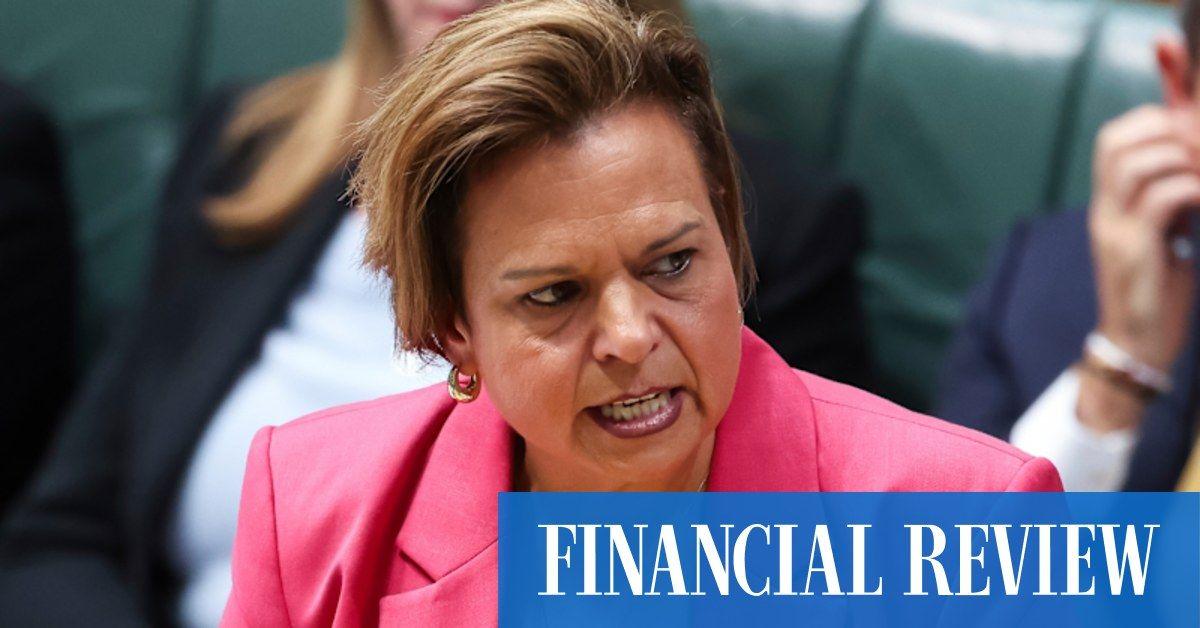
Recent Highlights



Recent Highlights
Today's Top Stories











Don’t drown in AI news. We cut through the noise - filtering, ranking and summarizing the most important AI news, breakthroughs and research daily. Follow topics that matter to you and stay ahead.


