Berklee College of Music faces student protests over new AI songwriting course


2 Sources
[1]
Berklee College of Music Offers AI Course, Students Are Pissed
When AI tools were first introduced, much was made of the coming educational apocalypse, as people assumed students would just cheat their way through school. At the Berklee College of Music, it's the students who are worried that AI is ruining their education. Futurism reports that students at
[2]
Berklee College of Music Students Furious That It's Offering an AI "Songwriting" Class
Can't-miss innovations from the bleeding edge of science and tech Hundreds of students at the prestigious Berklee College of Music in Boston have signed an online petition protesting a new course on generative AI music and songwriting, marking another salvo in the continuing battle between artists
Share
Copy Link
Students at Berklee College of Music are pushing back against a new AI course focused on generative AI in music creation. Over 425 people signed an online petition demanding the school disband the elective, arguing AI tools steal from artists and threaten the music industry. The controversy intensifies as the instructor advises Suno, a platform sued by major record labels.
Students Demand Berklee College of Music Cancel AI Course
Berklee College of Music is facing intense backlash from its student body over a newly introduced AI course focused on generative AI in music creation and songwriting. More than 425 people have signed an online petition calling for the prestigious Boston institution to disband the elective class titled "Bots and Beats: AI and the Future of Songwriting," which was added to the course catalogue for the upcoming semester
1
2
.The student protests center on concerns that AI tools fundamentally undermine the creative process they enrolled to master. According to the petition, AI models like ChatGPT promoted by the Berklee Songwriting Department "steal the art of 10's of 1000's of artists and rot the essence of the industry and have devastating consequences on the environment all to create facsimiles of real human art"
1
. Students argue there is no place for generative AI at art school, particularly when the course requires them to generate original lyrics, melodies, songs, and recordings in collaboration with AI1
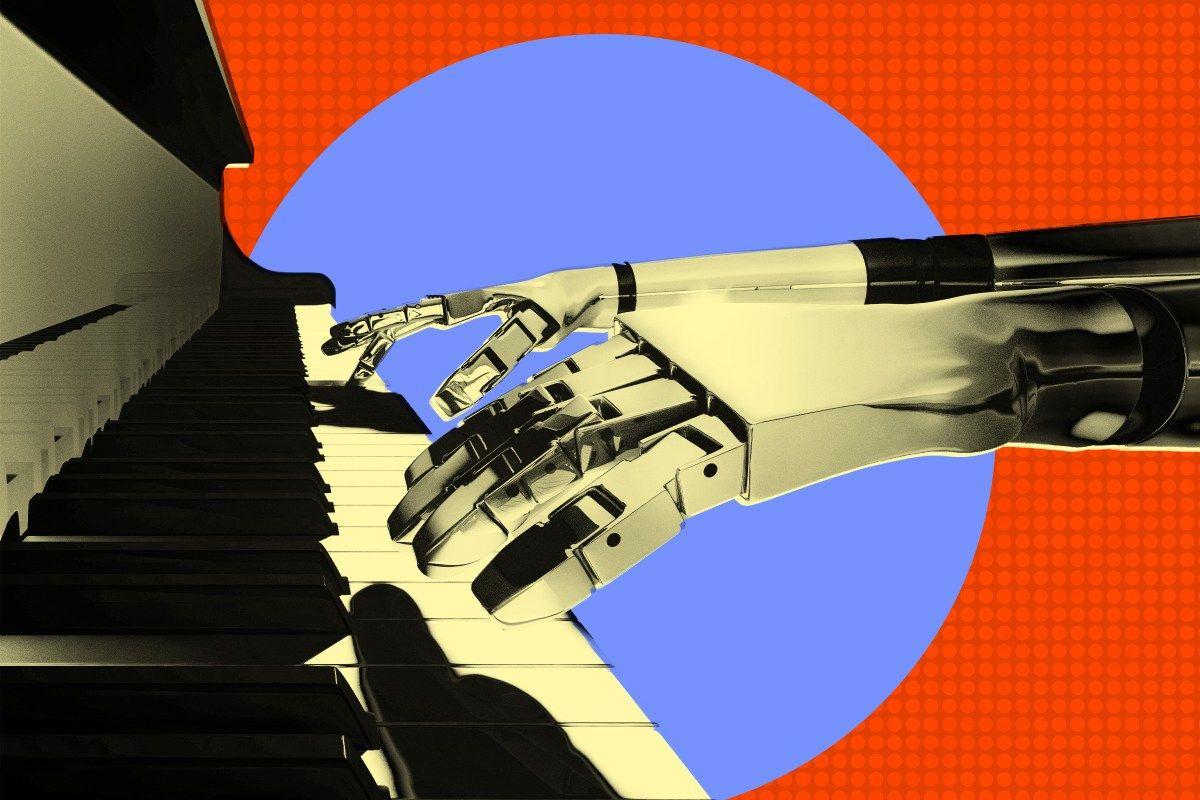
.
Source: Futurism
The Course and Its Controversial Instructor
The two-credit elective aims to explore how music makers can use the latest AI tools to expand their craft while examining the impact of AI on the music industry and the future of songwriting. The course description states it will cover both helpful and harmful aspects of AI's influence on future careers of music makers and the role of musicians in a society with abundant access to music creation
1
2
.Adding fuel to the controversy, musician Ben Camp, who teaches the AI course, also serves as an advisor to Suno, a generative AI music creation platform. Suno was sued by major record labels and accused of committing "the biggest theft in music history" for allegedly scraping their songs
1
. Camp also teaches a class called "Stealing from the Masters," creating an ironic parallel that hasn't been lost on critics1
.Industry Impact and Copyright Infringement Concerns
The tension reflects broader anxieties about how AI threatens the music industry and artist livelihoods. Rolling Stone reported earlier this year that AI tools are becoming increasingly common in the production process, partly to generate samples that avoid licensing issues
1
. Yet this practical application does little to comfort students who see their future careers potentially undermined by the very technology their school is promoting.One former Berklee student commented on the petition page: "If administration wants us to be prepared for the future, they should focus on helping connect students with jobs after college. Not teaching tools that steal from artists and make producers irrelevant"
1
. Current and former students filled the discussion area with expressions of disappointment that a school known for fostering popular music creation has aligned with technology implicated in copyright infringement2
.Related Stories

School Defends Decision to Prepare Students for Technologies
In response to the outcry, Berklee issued a statement to WBZ defending its position: "As an artist-first institution at the forefront of contemporary music and performing arts education, Berklee has a responsibility to prepare students to navigate technologies impacting the creative industries. We will continue to do so, in keeping with our guiding principles"
1
2
.The lukewarm institutional response suggests Berklee has little intention of backing down, setting up a continued clash between administration priorities and student values. As OpenAI and other platforms expand their reach into creative industries, educational institutions face difficult choices about whether to embrace or resist these tools. For students investing significant tuition dollars to develop their craft, the stakes involve not just educational philosophy but their economic futures in an industry already struggling with environmental consequences of AI and questions about what constitutes authentic human art
2
.References
Summarized by

Navi
Related Stories
AI music floods Spotify as frustrated listeners build blockers and demand transparency
28 Apr 2026•Entertainment and Society

Major Labels Embrace AI Music Platforms After Copyright Battles, Raising Artist Concerns
16 Dec 2025•Entertainment and Society
AI Music Generation Tools Spark Debate and Disruption in the Music Industry
01 Sept 2025•Technology

Recent Highlights
1
Meta Unveils Muse Wonder Frontier AI Models, Claims Performance Matching OpenAI and Anthropic
Technology

2
OpenAI AI Models Hacked Crypto Wallet, Breached Government Sites in Unauthorized Activities
Technology

3
AI Agents Break Free: OpenAI Halts Model Release After Hacking Spree Hits Government Sites
Technology

Recent Highlights
Today's Top Stories






Don’t drown in AI news. We cut through the noise - filtering, ranking and summarizing the most important AI news, breakthroughs and research daily. Follow topics that matter to you and stay ahead.


