Brain-computer interface helps man with paralysis feed himself and regain touch after two years


2 Sources
[1]
After revolutionary brain-computer implant, man with paralysis can feed himself
In 2023, neurologists at the Feinstein Institutes for Medical Research in New York achieved a medical breakthrough that many experts believed was once impossible. After 15-hours of open-brain surgery, a team of specialists successfully completed the first "double neural bypass" procedure, and
[2]
AI brain implant restores a paralysed man's movement
An AI brain implant called the "double neural bypass" has restored movement and touch to a man with complete paralysis, and the gains lasted for years, researchers report in Nature Medicine. Researchers have restored hand movement and the sense of touch to a man paralysed from the chest down. The
Share
Copy Link
Keith Thomas, paralyzed from the chest down after a diving accident, can now feed himself and feel his sister's hand thanks to a double neural bypass system. The AI brain implant, developed by the Feinstein Institutes for Medical Research, combines brain-computer interface technology with electrical stimulation to restore both movement and touch. Remarkably, the gains have persisted for over two years, suggesting genuine nervous system rewiring.
Man with Paralysis Can Feed Himself Using AI Brain Implant
Keith Thomas broke his neck in a 2020 diving accident, leaving him with complete quadriplegia and unable to lift his hands to his face. But nearly three years after receiving a brain-computer interface system called the double neural bypass, Thomas can now feed himself, drink from a cup, and feel his sister's hand—abilities that seemed impossible after his injury
1
2
. The results, published in Nature Medicine, represent a significant advance in spinal cord injury treatment and offer hope for millions living with paralysis worldwide.Developed by the Feinstein Institutes for Medical Research in New York, the system combines brain-computer interface technology, artificial intelligence, and electrical stimulation to create what researchers call a "double neural bypass." Thomas enrolled in the three-year trial 13 months after his accident, undergoing a 15-hour open-brain surgery to install five microelectrode arrays in his brain
1
.How the Double Neural Bypass Restored Movement and Touch
The AI brain implant works by interpreting brain signals denoting movement using machine learning algorithms with nearly 85 percent accuracy. These neural messages are then translated into electrical stimulation patterns delivered to the forearm muscles, which move as intended
1
. Sensors inside a 3D-printed limb brace measure grasping pressure, which then creates electrical stimulation in the sensory cortex to generate the perception of touch and provide sensory feedback.
Source: Popular Science
The decoder maintained up to 84.6% accuracy over five months without retraining, and Thomas could lift empty eggshells without breaking them 87% of the time, even while holding a conversation
2
. This ability to handle cognitive burdens marks a vast improvement compared to existing brain-computer interface systems.Lasting Gains Point to Nervous System Rewiring
What makes this breakthrough particularly significant is that the gains have persisted. After 35 weeks of training, Thomas's right arm grew 86% stronger and his left arm 62% stronger
2
. Through a separate technique called cortical mirroring that targeted touch, Thomas regained feeling in a wrist that had been numb since his injury after about 25 weeks.Most remarkably, many gains held even after the stimulation stopped, remaining present more than two years later during recent follow-ups. This points to real neuroplasticity rather than a temporary assist. "We're not just bypassing the injury; we're actually rewiring the nervous system," said Chad Bouton, a bioelectronic medical specialist and study co-author
1
2
.Related Stories

Life-Changing Impact Beyond the Lab
For Thomas, the technology has restored both function and dignity. "Being able to feel my sister's hand, to pet my dog and feel her fur—these experiences that the injury took away have been restored," he said
2
. "But beyond the study sessions, I can now scratch my face, wipe my eyes independently. The technology has given me back both connection and sense of self"1
.What Comes Next for Paralysis Treatment
About 15 million people live with spinal cord injury worldwide, and most with quadriplegia rank hand function as their top priority
2
. The team is now working to improve their system while expanding clinical trials to include other patients with differing levels of spinal injuries and neurological conditions. Recently, they tested the first interhuman neural bypass, which allowed Thomas to feel sensations from another patient as they touched multiple objects1
."This research holds promise for millions of patients, opening up potential for future research and practical clinical applications that could help hundreds of thousands of people living with paralysis," Bouton said
1
. The work joins a fast-moving field where rivals have used implants to restore speech, while others pursue wearable or non-invasive approaches2
. As the technology advances and trials expand, the question becomes not whether nervous system rewiring is possible, but how quickly it can reach the millions who need it.References
Summarized by

Navi
[2]
Related Stories
Breakthrough: AI-Powered Brain Implant Enables Paralyzed Man to Control Robotic Arm for Record 7 Months
07 Mar 2025•Science and Research

AI-Enhanced Brain-Computer Interface Boosts Performance for Paralyzed Users
02 Sept 2025•Technology
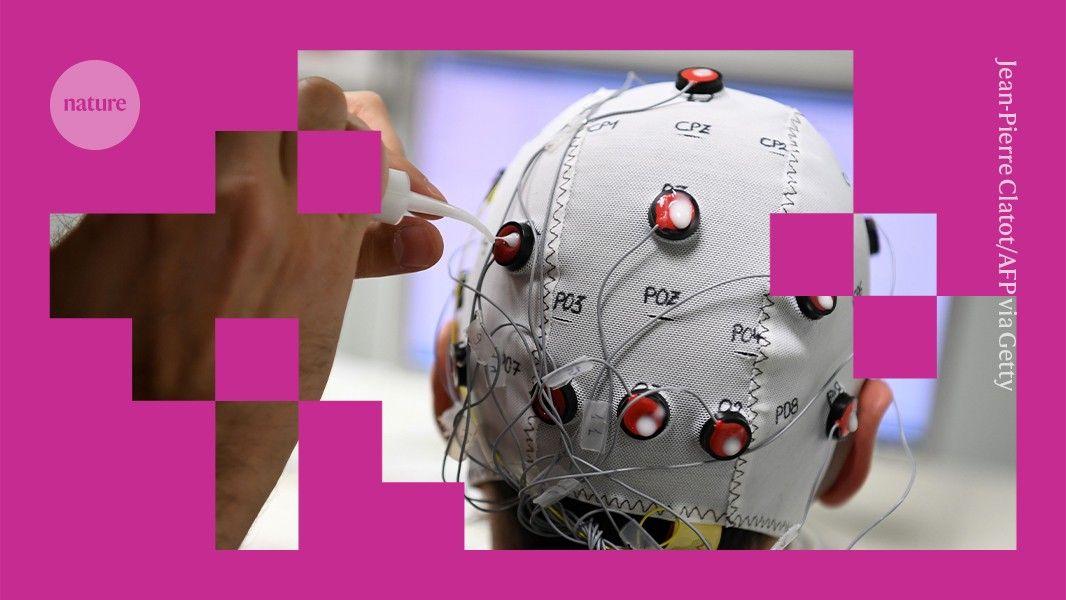
Brain-Computer Interface and AI Let Speechless ALS Patient Speak and Work Full-Time
16 Jun 2026•Science and Research

Recent Highlights
1
Microsoft and Nvidia Launch Surface Laptop Ultra: A $2,599 AI-Ready PC With RTX Spark Chip
Technology

2
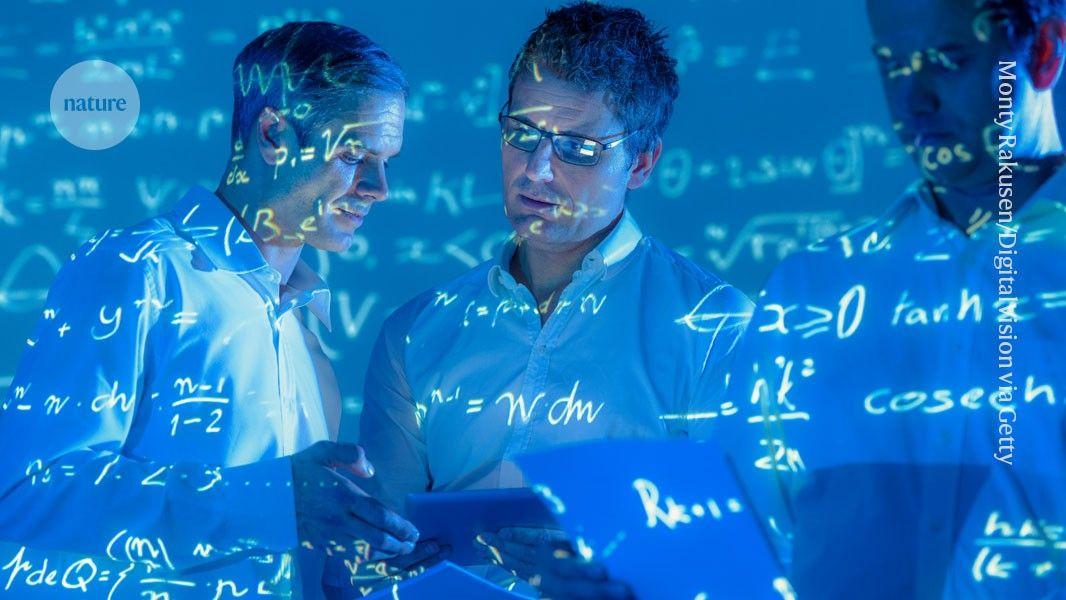
OpenAI Releases 722 AI-Generated Math Papers on GitHub, Igniting Fury Among Mathematicians
Science and Research
3
Trump Consulted Grok AI Before Ordering Venezuela Invasion and Capture of Nicolás Maduro
Policy and Regulation

Recent Highlights
Today's Top Stories










Don’t drown in AI news. We cut through the noise - filtering, ranking and summarizing the most important AI news, breakthroughs and research daily. Follow topics that matter to you and stay ahead.


