Warhorse Studios CEO: Using AI to Replace Developers Is a 'Fundamentally Flawed Idea'


2 Sources
[1]
Warhorse co-founder believes 'AI is not a get out of jail free card' and that execs have a 'simplified mental model' of what it means for games
Few things are constant in life, but the reminder that AI is wriggling its way into just about every facet of life is unfortunately pervasive. Take games for example, it's wormed its way into voice acting, voice acting, and more voice acting. But aside from giving players a plethora of dull and
[2]
Kingdom Come: Deliverance 2 boss says using AI to replace devs is a "fundamentally flawed idea," but admits it could help us get "bigger games for the same cost"
Warhorse Studios won't be using gen-AI assets any time soon, anyway There's a certain routine setting in for AI in video games right now, wherein a studio or publisher uses it to some extent, only to get pushback and replace the generative assets with more human work. The approach is fundamentally
Share
Copy Link
Martin Klima, CEO of Warhorse Studios, challenges the gaming industry's approach to AI in game development. He argues that executives hold a simplified view of AI capabilities and that using AI to replace developers is fundamentally flawed. Instead, Klima envisions AI as a tool to augment human developers and create bigger games for the same cost.
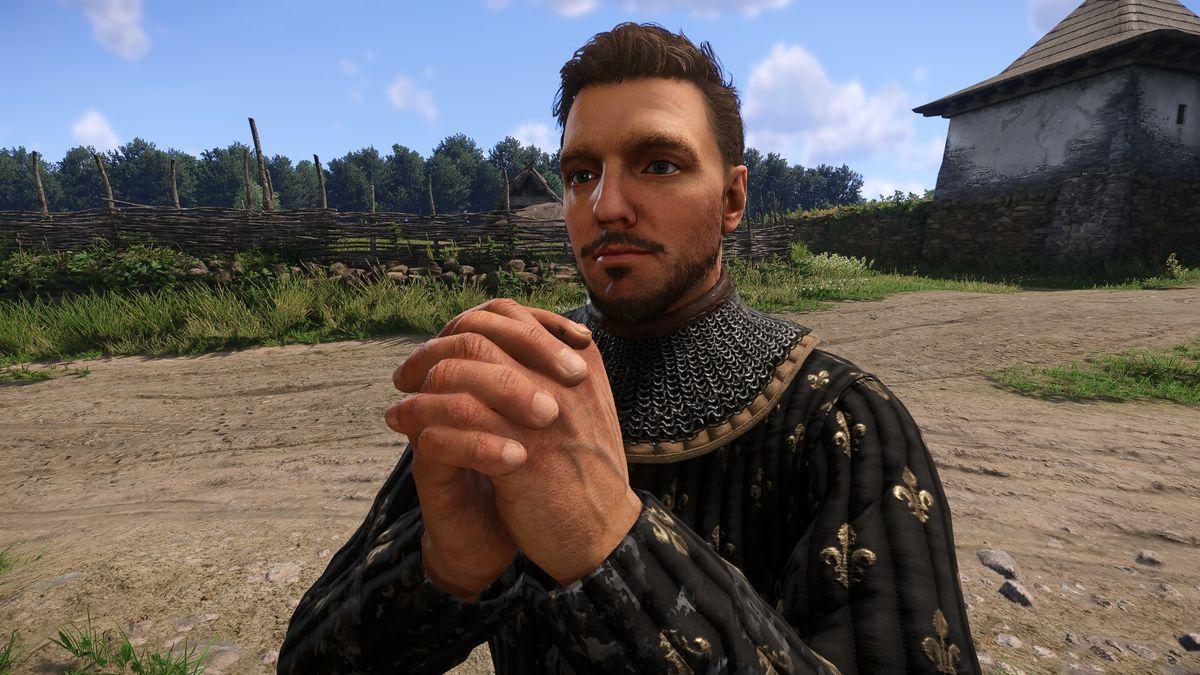
Warhorse Studios CEO Challenges Industry's AI Assumptions
Martin Klima, CEO of Warhorse Studios and co-founder behind the Kingdom Come: Deliverance franchise, is pushing back against the gaming industry's rush to use AI in game development as a cost-cutting measure
1
. In recent statements, Klima declared that "AI is not a get out of jail free card" and criticized executives for holding a "simplified mental model" of what generative AI can accomplish in game studios1
. His comments arrive as the gaming industry faces ongoing layoffs, with some companies citing AI capabilities as justification for staff reduction.Why Replacing Developers With AI Won't Work
Klima's central argument targets the notion that studios can lay off half their workforce and substitute human developers with AI systems. He calls this approach a "fundamentally flawed idea, because it doesn't work like that"
1
. The Warhorse Studios leader emphasizes that AI technology doesn't function the way many decision-makers imagine in their oversimplified understanding of its capabilities2
. This perspective directly counters the current trend where studios have attempted using AI to replace developers, only to face backlash and ultimately revert to human-created assets2
.AI as a Tool to Streamline Processes and Expand Game Scope
While rejecting AI as a replacement for creative talent, Klima sees potential when the technology serves as a tool to augment human developers rather than displace them. He predicts that as cost-saving pressures intensify, studios will maintain their existing team sizes but enhance productivity through AI assistance
1
. This approach could enable developers to create bigger games for the same cost, with expanded branching content, additional character classes, and more missions1
2
. Player demand for increasingly ambitious titles would drive this evolution, with AI handling administrative tasks and streamlining development processes while human creativity remains central2
.Related Stories

Industry Perspectives on AI's Role in Creative Industries
Klima's stance aligns with other prominent voices in gaming. Hideo Kojima, creator of Death Stranding and Metal Gear, similarly views AI as a tool but opposes its use for replacing jobs
2
. Take-Two CEO Strauss Zelnick has commented that while AI won't create hits because "clones don't sell," it can assist developers in meaningful ways1
. Some studios, including those working on Warcraft, have already implemented machine learning to eliminate repetitive tasks that bog down development processes1
.What This Means for Kingdom Come: Deliverance 2 and Beyond
For Kingdom Come: Deliverance 2, developed by Warhorse Studios' relatively modest-sized team, Klima's philosophy suggests the studio won't deploy generative AI assets in the near term
2
. Instead, any AI integration would focus on making production slightly easier by handling non-creative tasks2
. The broader debate Klima highlights remains critical: can AI enhance creative teams without wholesale replacement of human work? Current industry examples show many companies deploying AI for complete asset generation through image, video, audio, or text creation rather than process enhancement2
. Watch for whether studios adopt Klima's augmentation approach or continue pursuing the cost-cutting strategies he warns against.References
Summarized by

Navi
Related Stories
Gaming industry splits on AI as EA touts creativity boost while Steam data reveals 53% review penalty
16 Jun 2026•Entertainment and Society

PlayStation Co-CEO Hermen Hulst Predicts Dual Demand for AI and Human-Crafted Games
04 Dec 2024•Technology

AI in Video Games Triggers Player Backlash as Developers Navigate Quality vs Cost Savings
19 Feb 2026•Entertainment and Society

Recent Highlights
1
Microsoft and Nvidia Launch Surface Laptop Ultra: A $2,599 AI-Ready PC With RTX Spark Chip
Technology

2
Google Unveils Gemini 4 Argon AI Model, Restricts Access to Trusted Cyber Defenders
Technology

3
OpenAI Releases 722 AI-Generated Math Papers on GitHub, Igniting Fury Among Mathematicians
Science and Research

Recent Highlights
Today's Top Stories






Don’t drown in AI news. We cut through the noise - filtering, ranking and summarizing the most important AI news, breakthroughs and research daily. Follow topics that matter to you and stay ahead.


