Children Read Intent in Human Eyes but Not Robot Gaze, Study Reveals


2 Sources
[1]
Children Read Intent in Human Eyes but Not in Robots
Summary: A pioneering international study in developmental psychology and artificial intelligence has revealed that while children as young as 3 years old can instinctively read intentions and personal preferences in a human's eyes, they fail to recognize this same nonverbal communication in the
[2]
Children trust human eyes, but not a robot's gaze
Babies stare at faces before they can do almost anything else. A parent's eyes flick toward a toy, and somehow the message lands. Look here - this is interesting. That tiny act of eye-reading is one of the first social skills a child develops. But a new study finds it has a strict limit - the eyes
Share
Copy Link
A groundbreaking study shows children as young as 3 can instinctively read intentions in human eyes but fail to recognize the same nonverbal communication in a humanoid robot's gaze. The findings challenge how we design AI systems for children, revealing that simply mimicking human signals isn't enough for effective child-robot communication.
Young Minds Decode Human Eyes, Not Robot Gaze
Children trust human eyes to reveal desires and intentions, but a humanoid robot's gaze leaves them guessing. A pioneering study coordinated by Antonella Marchetti, Director of the Department of Psychology at Università Cattolica and CERITOM, reveals that children aged 3 to 5 years old can instinctively interpret preference and intention when a person looks at an object, yet they struggle to attribute the same meaning when a robot performs the identical action
1
2
. Published in the International Journal of Child-Computer Interaction, the research involved Italian children and collaborators from Tokyo and Osaka, fundamentally challenging assumptions about child-robot interaction.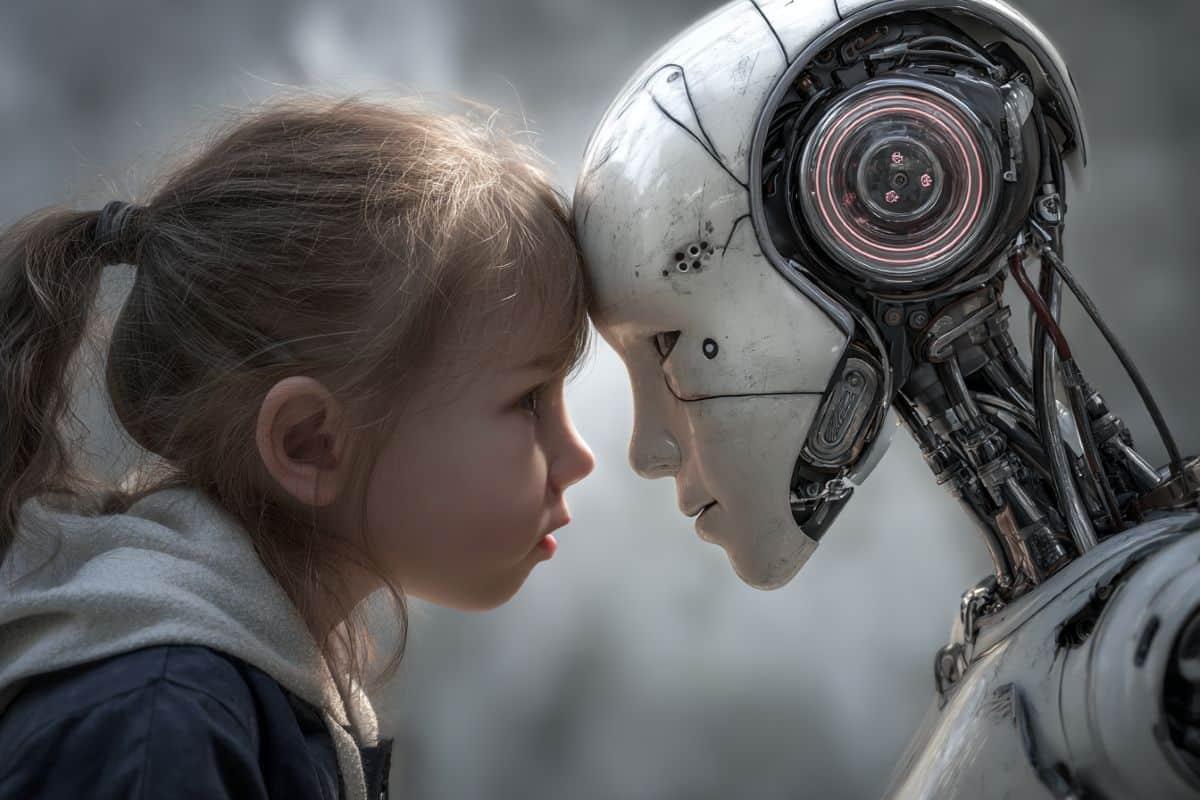
Source: Neuroscience News
The experiment was straightforward. Researchers showed children either a person or a humanoid robot looking at one of two objects, then asked which item the watcher preferred. When children interpret human and robot gazes, a striking cognitive divide emerges. A person's glance consistently registered as meaningful—children assumed the person liked whatever caught their attention. The robot's stare, despite being mechanically identical, carried no such weight
1
.The Cognitive Split Between Humans and Machines
This gap reveals something essential about how young minds attribute mental states. The skill being tested—theory of mind—allows children to grasp that others have thoughts, feelings, and desires distinct from their own. It's why a four-year-old understands you want the cookie you're staring at
2
. Children weren't failing to notice where the robot looked; their eyes tracked the motion perfectly. What they didn't do was assume a mind sat behind that motion, wanting something. A person's glance carries an unspoken promise of intention, while the robot's eyes stayed empty—a pointer with nothing pointing back.The findings build on earlier infant research showing that one-year-olds followed a robot's head turn but didn't use it to learn about objects the way they did with people. Marchetti's team wondered if older, more verbal children would close that gap. They didn't. Even at five, kids treated robot gaze as movement without meaning, registering it as a mechanical event rather than a window into desire
2
.Children Hold Their Ground on Personal Preferences
Another quiet but significant finding emerged: neither human eyes nor robot gaze changed what children themselves preferred. Watching someone admire a toy helped kids decode that person's taste without making them want the toy. Gaze worked as a reading tool, not a persuasion tool
2
. This challenges assumptions that attention is inherently contagious—that watching someone covet something makes us covet it too. Understanding and wanting stayed separate, a distinction that matters for designing AI systems for children.Related Stories

Rethinking Effective Child-Robot Communication
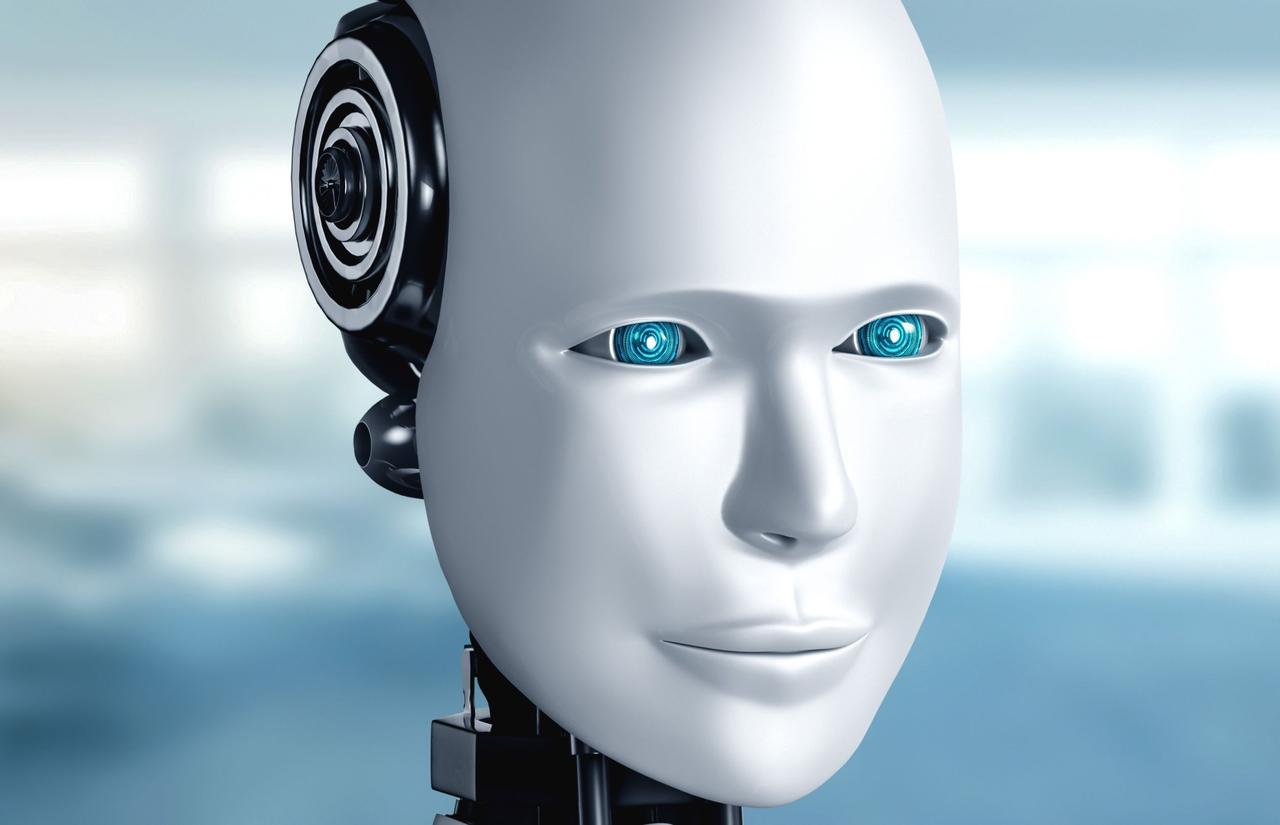
For engineers and designers, the implications are direct. Professor Marchetti emphasized that simply mimicking human signals like eye movement in a robotic artifact isn't enough to make it truly communicative in a child's eyes
1
. Effective child-robot communication requires richer, developmentally appropriate interactions consisting of words, physical gestures, reciprocity, context, and shared presence. A robot that only mimics looking misses the thing that makes looking mean something—presence has to come with it2
.
Source: Earth.com
This matters as embodied AI moves into homes and classrooms. Communication isn't merely about verbal output or text-based responses. To help children attribute true mental states such as intentions and beliefs to technology, AI must be integrated into physical, interactive systems
1
. A growing body of research shows children read different robots in different ways, and design choices aren't cosmetic—they determine whether a child sees a partner or a prop.Therapeutic Interventions and the ROBIN Project
The findings carry substantial clinical weight for supporting children on the autism spectrum, where shared attention and gaze interpretation represent vulnerable dimensions of development. Social communication challenges in autism make understanding exactly how children read—or fail to read—robot gaze essential for building interventions that fit how young minds actually work
1
2
.To apply this data, the Don Carlo Gnocchi Foundation and Università Cattolica will launch the ROBIN project (ROBot-based Neuropsychomotor INtervention) in June 2026. This robot-based program aims to help autistic children practice imitation skills and socio-communicative rehabilitation, leaning directly on questions this research raises about what robot gaze can and can't convey
1
2
. The project represents a practical application of understanding the limits and possibilities of therapeutic interventions using humanoid robots, designed with the knowledge that isolated mimicry fails where integrated interaction might succeed.References
Summarized by

Navi
[1]
[2]
Related Stories
The Power of Eye Contact: New Study Reveals Crucial Role in Human-Robot Interaction
17 Jul 2025•Science and Research

Kids Go From Curious to Frustrated Playing With AI Toys, University of Washington Study Finds
03 Sept 2026•Entertainment and Society

AI Toys Struggle With Emotions and Safety, Cambridge Study Reveals Need for Tighter Regulation
08 Mar 2026•Policy and Regulation

Recent Highlights
1
Microsoft and Nvidia Launch Surface Laptop Ultra: A $2,599 AI-Ready PC With RTX Spark Chip
Technology

2
Trump Consulted Grok AI Before Ordering Venezuela Invasion and Capture of Nicolás Maduro
Policy and Regulation

3
Scientists Build AI Model That Reconstructs Images From Brain Scans in Record Time
Science and Research

Recent Highlights
Today's Top Stories







Don’t drown in AI news. We cut through the noise - filtering, ranking and summarizing the most important AI news, breakthroughs and research daily. Follow topics that matter to you and stay ahead.


