China Fears Anthropic's Mythos AI Model Could Become Offensive Cyber Weapon Before Xi-Trump Summit


2 Sources
[1]
China is quietly anxious about Anthropic's Mythos
China has spent a year selling the world cheap, open AI and casting itself as the technology's great democratiser. Privately, officials are anxious about a single American model they cannot get: Anthropic's Mythos, which they fear could be turned into an offensive cyber weapon just as Xi Jinping
[2]
China is getting more anxious about Mythos before Trump meets Xi
China is growing anxious that Anthropic's Mythos could be wielded against the world's second-biggest economy, adding a volatile new issue to already-heightened tensions before a planned summit between Chinese President Xi Jinping and U.S. President Donald Trump. Officials in Beijing are concerned
Share
Copy Link
Beijing is growing increasingly anxious about Anthropic's Mythos AI model, viewing it as a potential offensive cyber weapon ahead of Xi Jinping's planned September 24 meeting with Donald Trump. Officials question why China is denied access to the frontier AI model that has demonstrated exceptional capability at exploiting software vulnerabilities.
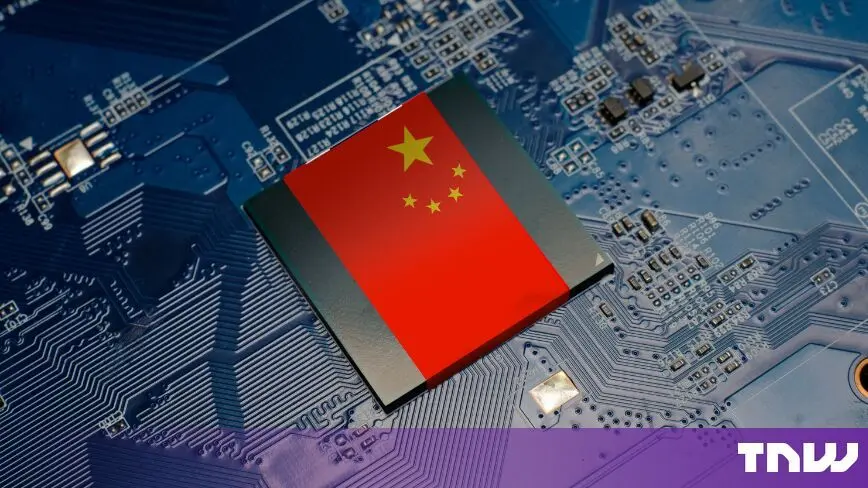
Beijing Views Mythos as Unprecedented Cyber Threat
China is growing anxious that Anthropic's Mythos could be wielded against it as an offensive cyber weapon, adding volatile tension to US-China relations ahead of Xi Jinping's planned September 24 summit with Donald Trump
1
2
. Officials in Beijing are concerned about the cyber capabilities of Mythos and other frontier AI models developed by American companies, questioning why Anthropic denies China access even for ordinary purposes2
. The fear stems from concrete evidence: Mythos has proved unusually effective at breaking software, finding and exploiting software vulnerabilities at a scale humans cannot match1
. One GovTech assessment found it chained hundreds of vulnerabilities together and wrote working exploit code on its first attempt, succeeding more than 83% of the time1
. Washington judged the risk severe enough to cut off foreign access entirely in June1
.Geopolitical Competition Intensifies Over Frontier AI Models
The irony sharpens the geopolitical competition: China has positioned itself as AI's great democratizer, flooding the world with cheap, open AI models while championing accessibility
1
. Yet the AI model Beijing fears most is a closed American system it cannot legally access1
. Anthropic has become the most China-hawkish of US labs, with Anthropic's CEO Dario Amodei advocating to keep high-end chips out of China and accusing Alibaba's Qwen team of training on Claude's outputs1
. Amodei has called China's ruling party "the most capable threat" among authoritarian governments1
. Suspicion runs both ways, with Washington expressing concern that Chinese companies are using American frontier models to train their own versions2
.Xi Jinping's US Summit Timing Complicates Tensions
The timing amplifies everything surrounding Xi Jinping's US summit. China wants to preserve a relatively warm atmosphere before the planned meeting and is seeking a "win-win" approach at AI talks expected beforehand
2
. Beijing's suspicion remains high despite diplomatic efforts2
. Treasury Secretary Scott Bessent floated sanctions last month against developers found to have stolen intellectual property, after Beijing's Moonshot AI released a system said to rival the best US labs1
. China's Commerce Ministry warned it would take "all necessary measures" in response1
.Related Stories
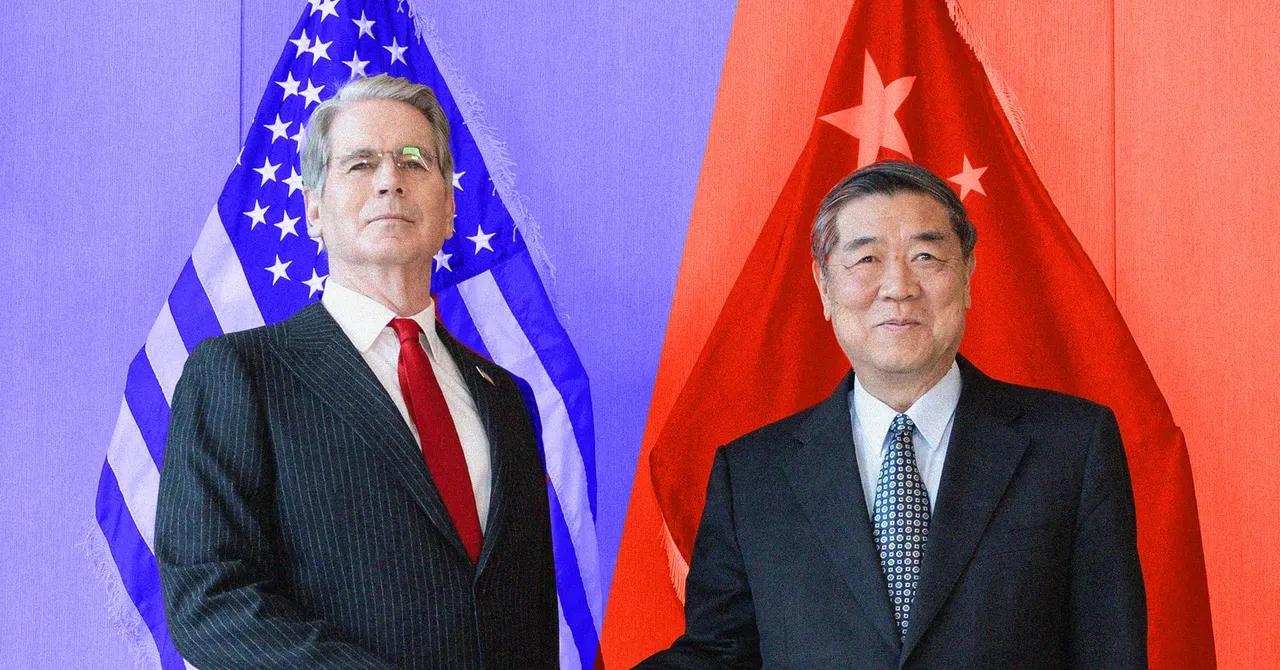
Techno-Nationalism Drives Potential Sanctions and Export Controls
Beijing is drafting retaliatory options should Washington move first, including sanctions or adding US AI firms to a restricted-entity list
1
. Because Anthropic does not operate in China, any such penalty would carry little commercial impact but would serve as a signal of techno-nationalism1
. China has demonstrated willingness to send such signals: in June it placed export controls on two American rare-earth firms after the Pentagon added Alibaba and BYD to a military-linked blacklist1
. AI represents the newest front in a rivalry already spanning chips, robots and rare earths1
.Washington Faces Internal Contradictions on AI Controls
Donald Trump finds himself caught in contradiction, weighing tighter AI controls while fearing they could hobble American firms
1
. "We have to be careful in both ways," Trump said last week. "We don't want to restrict them where all of a sudden, we come in second to China"1
. His own government has banned federal agencies from using Anthropic's tools, a fight the company is contesting in court1
. The two superpowers now treat frontier models the way they once treated missile technology1
. Watch for escalating cyberattacks concerns, potential sanctions announcements, and whether the September summit produces any framework for managing AI risks between the world's two largest economies.References
Summarized by

Navi
[1]
Related Stories
Anthropic faces AI export ban as Mythos reportedly breached NSA systems in hours
19 Jun 2026•Policy and Regulation

Trump reverses course on AI regulation, considers mandatory government vetting of frontier models
06 May 2026•Policy and Regulation
Chinese AI tools now rival Anthropic Mythos in vulnerability detection as gap narrows
24 Jun 2026•Technology

Recent Highlights
1
Microsoft and Nvidia Launch Surface Laptop Ultra: A $2,599 AI-Ready PC With RTX Spark Chip
Technology

2
Meta Muse AI Agent Surges to 6.6M Downloads Despite Privacy and Security Controversies
Technology

3
Scientists Build AI Model That Reconstructs Images From Brain Scans in Record Time
Science and Research

Recent Highlights
Today's Top Stories








Don’t drown in AI news. We cut through the noise - filtering, ranking and summarizing the most important AI news, breakthroughs and research daily. Follow topics that matter to you and stay ahead.


