China tightens indium phosphide export controls as AI demand surges, threatening infrastructure


2 Sources
[1]
China tightens indium phosphide checks as AI demand climbs
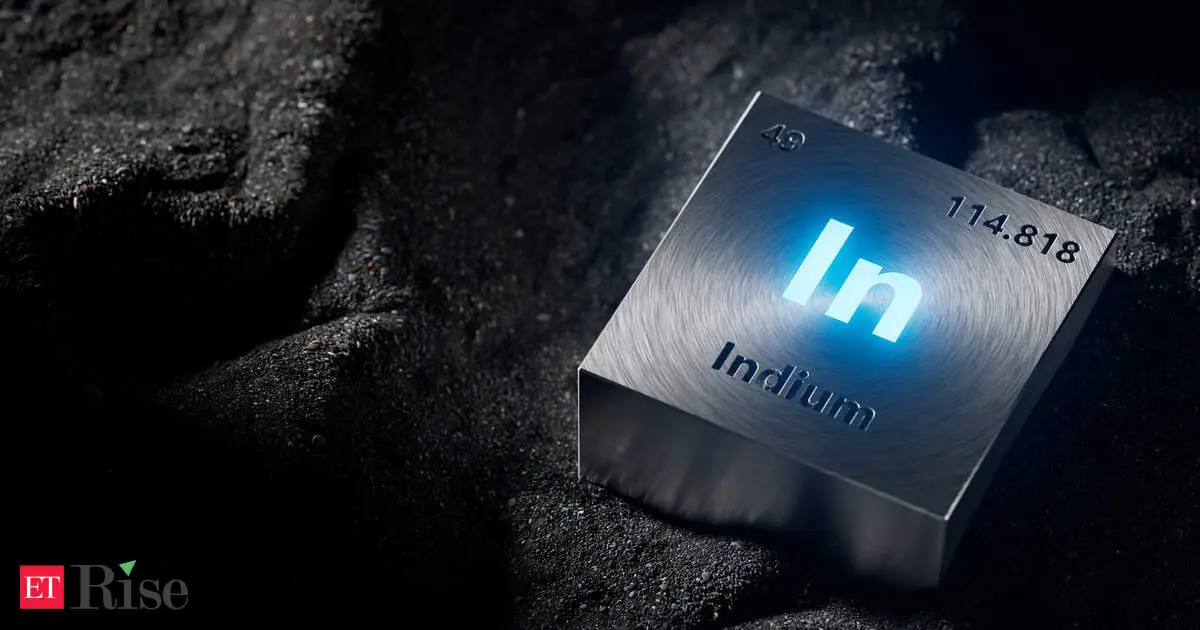
A niche compound essential to AI data-centre optics has become Beijing's newest point of leverage over the buildout. The bottleneck in the AI buildout is turning out to be a metal most people have never heard of. China has tightened its scrutiny of exports of indium phosphide, a compound essential
[2]
China tightens indium export checks as AI demand increases
While the metal isn't yet restricted, new customs checks and requests for end-user information suggest a potential prelude to tighter controls. This development comes as the U.S. plans to stockpile the critical material, highlighting its strategic importance and potential supply chain
Share
Copy Link
China has intensified scrutiny of indium phosphide exports, a compound essential for high-speed optical chips in AI data centres. The export controls have driven InP wafer prices from $1,400 to $5,000—a 250% increase—as Beijing leverages its 70% share of global indium production. The move threatens to slow AI infrastructure buildout worldwide.
China Export Controls Target Critical AI Infrastructure Material
China has tightened its grip on indium phosphide, a compound that has quietly become central to the AI infrastructure buildout. After placing indium phosphide on an export control list in February 2025, Beijing has slowed the approval of licences that allow the material to leave the country
1
. The delays have created a bottleneck in the supply chain for high-speed optical chips, the components that enable data to move between processors in modern AI data centres. China produces around 70% of the world's indium, the raw material for making indium phosphide, giving it substantial leverage over a market most observers barely tracked a year ago1
.
Source: ET
The impact has been immediate and severe. The price of a six-inch InP wafer has climbed from roughly $1,400 to about $5,000 since the controls began, an increase of around 250%, as buyers compete for constrained supply
1
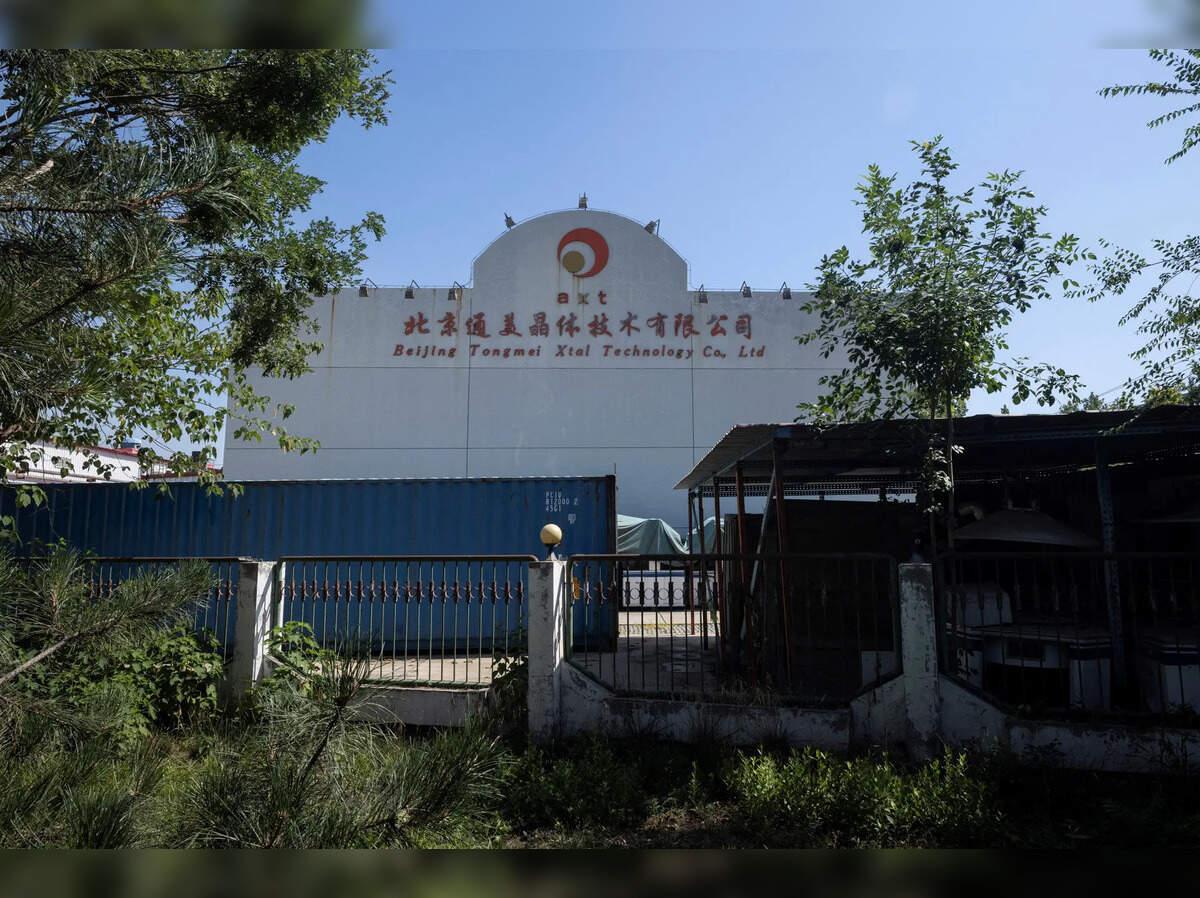
. Nvidia-backed chipmaker Coherent warned of a shortage earlier this year, with AXT, the world's second-largest InP substrate producer, describing the export permits as the most significant challenge it currently faces1
. The CEO of Coherent even traveled to Beijing with President Donald Trump in May to raise the licensing delays directly with Chinese officials, underscoring how seriously the industry views the threat2
.Indium Export Checks Signal Broader Strategic Shift
Beyond indium phosphide, China is also stepping up scrutiny over exports of indium metal itself, raising concerns that the material may soon join the formal export control regime. While indium metal is not yet on the export control list, buyers have reported growing scrutiny from Chinese customs
2
. For the first time this year, a European buyer was asked to disclose information about end users, including where they were based. A major North American buyer said approvals had gone from same day to several days, attributing the change to more scrutiny of paperwork and describing the situation as "tense"2
.These indium export checks fit a familiar pattern in the US-China technology contest. Where Washington has restricted China's access to advanced chips and chipmaking tools through US chip export controls, Beijing has responded by leveraging its dominance over critical materials
1
. China has already deployed controls on gallium, germanium, and rare earths, turning materials into geopolitical instruments1
. Indium phosphide represents the same weapon pointed at a different part of the supply chain—the optical layer rather than the logic layer.AI Supply Chains Face Growing Vulnerabilities
What makes indium phosphide particularly potent is that it targets infrastructure rather than end products. The compound goes into the transceivers and optical components that connect thousands of accelerators in a modern AI cluster
1
. A squeeze on it does not stop any single chip from working; it slows the rate at which whole AI data centres can be built and wired. The constraint shows up as delayed construction, not failed silicon, making it harder to track and address1
.The timing could not be worse for the AI industry. As AI demand reaches unprecedented levels, operators are racing to build capacity faster than AI supply chains can support. The pressure visible in the scramble for chips and components now extends to this niche material. The deeper worry is precedent: if a delay in InP permits can slow data-centre construction, the same lever can be applied to any specialised input where China holds a commanding share, turning a diversified supply chain into a series of single points of failure
1
.Related Stories

Limited Options for Near-Term Relief
Substitution offers little immediate relief. Building InP production capacity outside China is possible but slow, requiring years of investment in refining and wafer fabrication
1
. The current shortage does nothing to accelerate this timeline. In the meantime, buyers are left managing allocation, paying higher prices, and lobbying through diplomatic channels for permits to move—a position of dependence that the controls were designed to exploit1
.The U.S. has recognized indium as a potential supply chain vulnerability. The Defense Logistics Agency earlier this year released a request for proposals to stockpile up to 403 tons of the material over three years
2
. However, stockpiling addresses only part of the problem. The end-user disclosure requirements that China and other countries with export control regimes use help chart global supply chains and identify chokepoints2
. One North American buyer suspects that the reporting requirements are "a precursor to restrictions or outright bans on exports"2
. Whether permits start flowing again, and on what terms, is now part of the broader negotiation between the two governments over technology and trade, with the answer determining how fast the AI infrastructure buildout can proceed.🟡 familiarity from users. It provides clear, simple steps to manage images and ensures proper placement.References
Summarized by

Navi
[1]
Related Stories
China's control over indium phosphide exports threatens global rollout of AI data centers
11 Jun 2026•Business and Economy
US Ban on Chinese AI Hardware Could Disrupt Data Centers and Raise Costs for Amazon, Microsoft
04 Aug 2026•Policy and Regulation

China weighs export controls on AI models and chips to prevent Western acquisition
21 Jul 2026•Policy and Regulation
Recent Highlights
1
Microsoft and Nvidia Launch Surface Laptop Ultra: A $2,599 AI-Ready PC With RTX Spark Chip
Technology

2
Meta Muse AI Agent Surges to 6.6M Downloads Despite Privacy and Security Controversies
Technology

3
Scientists Build AI Model That Reconstructs Images From Brain Scans in Record Time
Science and Research

Recent Highlights
Today's Top Stories










Don’t drown in AI news. We cut through the noise - filtering, ranking and summarizing the most important AI news, breakthroughs and research daily. Follow topics that matter to you and stay ahead.


