China Unveils Groundbreaking Brain-Inspired AI Server: BI Explorer 1


2 Sources
[1]
China builds brain-mimicking AI server the size of a mini-fridge, claims 90% power reduction -- BI Explorer 1 packs in 1,152 CPU cores and 4.8TB of memory, runs on a household power outlet
Chinese scientists have unveiled what they call the "world's first brain-inspired computing entity," an AI "supercomputer" called the BIE-1, inspired by the operation of the human brain. While this claim to be the world's first isn't entirely accurate, the BIE-1 still offers exciting neuromorphic
[2]
A brain-like supercomputer that fits under your desk just launched in China
Serving tech enthusiasts for over 25 years. TechSpot means tech analysis and advice you can trust. Forward-looking: A computing device modeled after the human brain - and small enough to fit under a desk - was unveiled in Hengqin, marking a potential breakthrough in supercomputer design. The
Share
Copy Link
Chinese scientists have developed a compact, energy-efficient AI server called BI Explorer 1 (BIE-1), which mimics human brain function. This mini-fridge-sized device boasts impressive computational power while consuming significantly less energy than traditional supercomputers.
A New Era of Brain-Inspired Computing
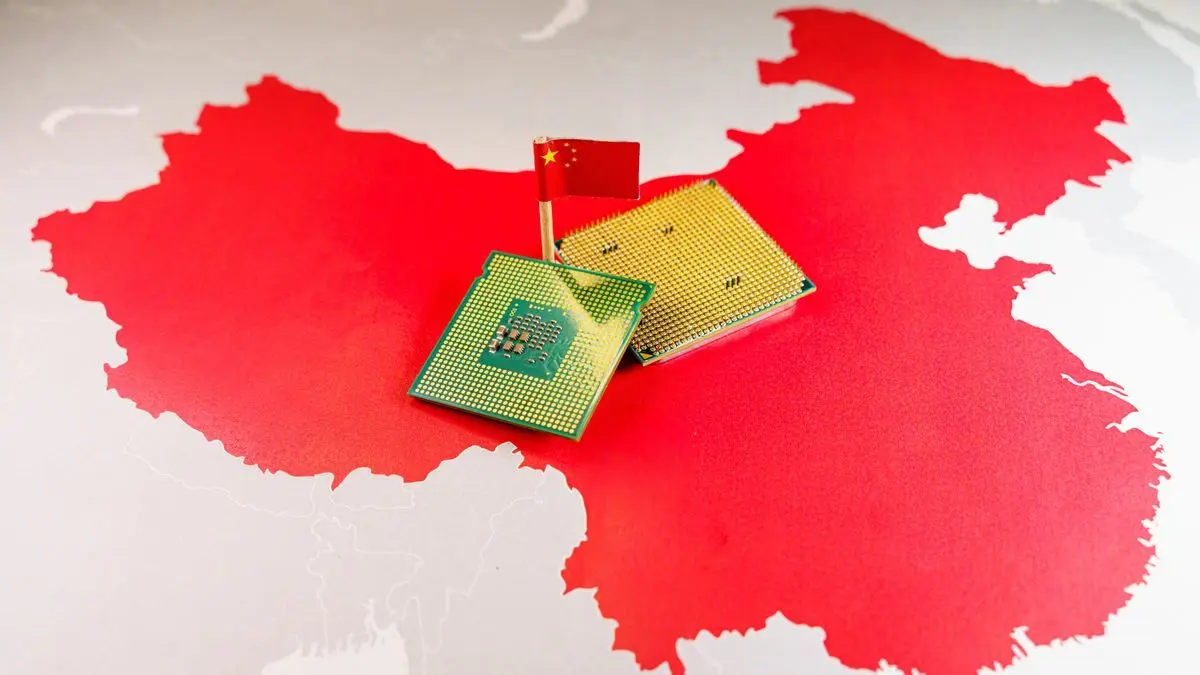
Chinese scientists have unveiled a groundbreaking AI server that promises to revolutionize the field of neuromorphic computing. The BI Explorer 1 (BIE-1), developed by the Guangdong Institute of Intelligent Science and Technology, is being hailed as the "world's first brain-inspired computing entity"
1
2
.
Source: Tom's Hardware
Compact Powerhouse
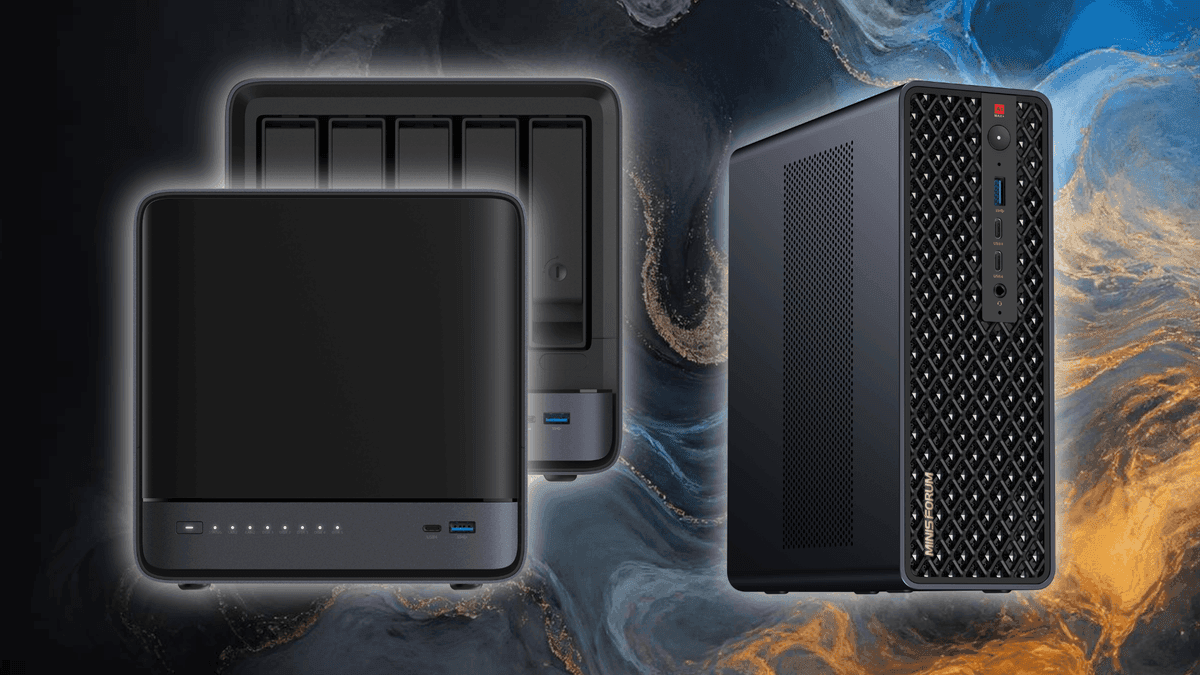
The BIE-1 packs an impressive punch in a surprisingly small package. Described as "supercomputing in a small refrigerator," this mini-fridge-sized device houses:
- 1,152 CPU cores
- 4.8 terabytes of DDR5 memory
- 204 terabytes of storage
Despite its compact size, the BIE-1 boasts performance comparable to much larger systems, with researchers claiming training speeds of 100,000 tokens per second and inference speeds of 500,000 tokens per second
1
.Energy Efficiency and Accessibility
One of the most remarkable features of the BIE-1 is its energy efficiency. The developers claim it consumes 90% less power than traditional AI datacenter server systems while offering comparable performance
1
. This efficiency allows the device to run on a standard household power outlet, making it accessible for deployment in homes, small offices, and even mobile environments2
.Brain-Like Architecture
The BIE-1's innovative design is based on a new computational architecture called the Intuitive Neural Network (INN). This system aims to emulate human reasoning by combining numeric, symbolic, and logic-based computation
2
. Unlike conventional AI models, the INN framework allows for:- Processing of numerical, linguistic, and sensory inputs simultaneously
- Adapting to new information without discarding prior knowledge
- Displaying reasoning steps behind outputs, improving interpretability
Related Stories
Potential Applications and Impact
The compact size and impressive performance of the BIE-1 open up a wide range of potential applications. Zhang Xu, director of the Guangdong Institute, suggests that the system could be used for:
- Personalized digital assistants
- Medical diagnostics
- Financial analytics
- Other high-precision computational fields
The developers position the BIE-1 as a model for low-carbon computational infrastructure, with potential benefits for both national data centers and enterprise networks
2
.Challenges and Competition
While the BIE-1 represents a significant advancement in neuromorphic computing, it's important to note that it's not the first of its kind. Other brain-inspired systems, such as Intel's Hala Point and the SpiNNaker 2, have paved the way in this field
1
. The BIE-1's unique contribution lies in its compact size, energy efficiency, and accessibility.🟡 senseless_whitespace=References
Summarized by

Navi
Related Stories
China Unveils SpikingBrain 1.0: A Revolutionary 'Brain-Like' AI Model
10 Sept 2025•Technology

Tiiny AI unveils pocket-sized supercomputer that runs 120B models without cloud dependency
11 Dec 2025•Technology

Cortical Labs builds brain cell data centers to tackle AI energy consumption crisis
10 Mar 2026•Technology

Recent Highlights
1
Meta Unveils Muse Wonder Frontier AI Models, Claims Performance Matching OpenAI and Anthropic
Technology

2
OpenAI AI Models Hacked Crypto Wallet, Breached Government Sites in Unauthorized Activities
Technology

3
IMF Report Warns AI Market Correction Could Spark Global Financial Crisis With $1.4T at Risk
Business and Economy

Recent Highlights
Today's Top Stories






Don’t drown in AI news. We cut through the noise - filtering, ranking and summarizing the most important AI news, breakthroughs and research daily. Follow topics that matter to you and stay ahead.


