Chip buyers are trawling eBay for memory as the worst shortage in history bites


2 Sources
[1]
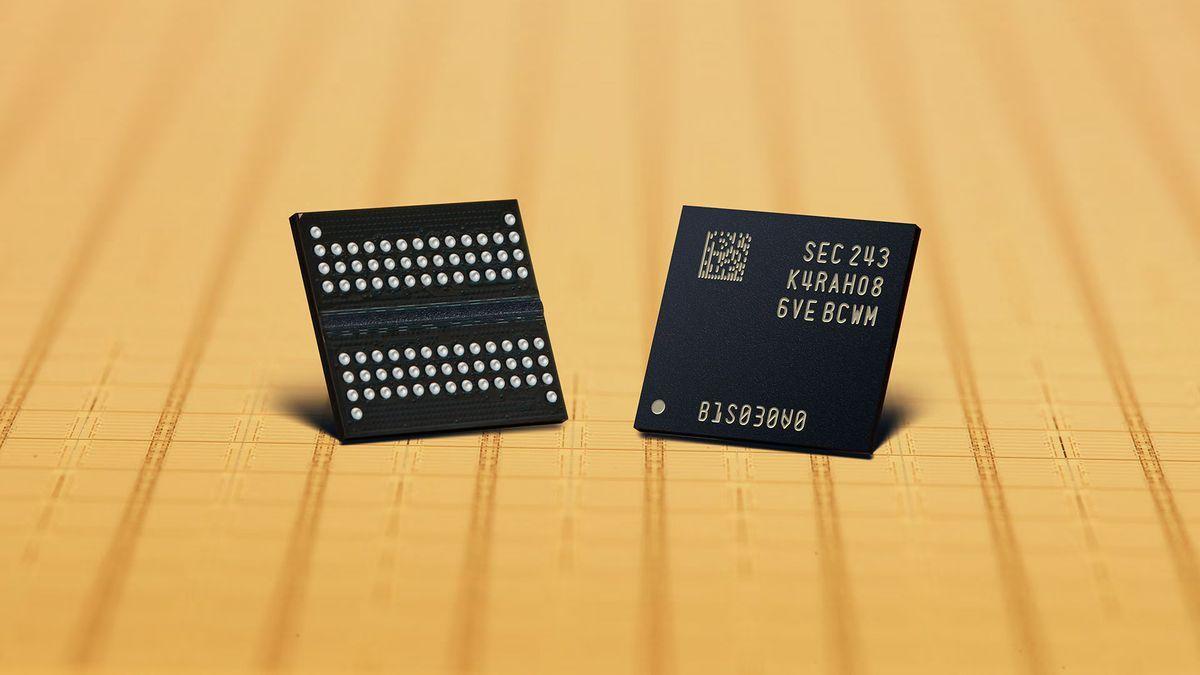
Electronics manufacturers set up memory 'war rooms' to find, lock in DRAM supplies amid worst shortage in history -- employees scour eBay, contact hundreds of brokers, and snap up even small batches of just 5 to 12 units
The memory shortage has gotten so bad that many companies, especially smaller ones, have started establishing "procurement war rooms," where employees are desperately trying to find memory chip supplies on sites like eBay and trying to figure out how they could make manufacturers offer them even
[2]
Memory shortage: Samsung told Musk 'we get that offer from everyone'
The memory chip shortage has staff trawling eBay and brokers for a handful of chips. Even Elon Musk got no special deal from Samsung's chairman, according to a second-hand account. Electronics makers have set up procurement "war rooms" to hunt for memory chips. Prices for some chips have risen
Share
Copy Link
Electronics manufacturers have set up procurement "war rooms" where staff hunt for memory chips on eBay, contact hundreds of brokers and snap up batches as small as 5 to 12 units
1
2
. The scramble reflects a memory shortage tightening across the industry1
2
.
Source: Tom's Hardware
Why there is not enough memory
The squeeze is being described as the worst memory shortage in history, and it reportedly traces back to the AI boom
1
2
. Samsung, Hynix and Micron, the three dominant memory chipmakers, have shifted production toward high-bandwidth memory for AI chips, leaving conventional memory in short supply1
2
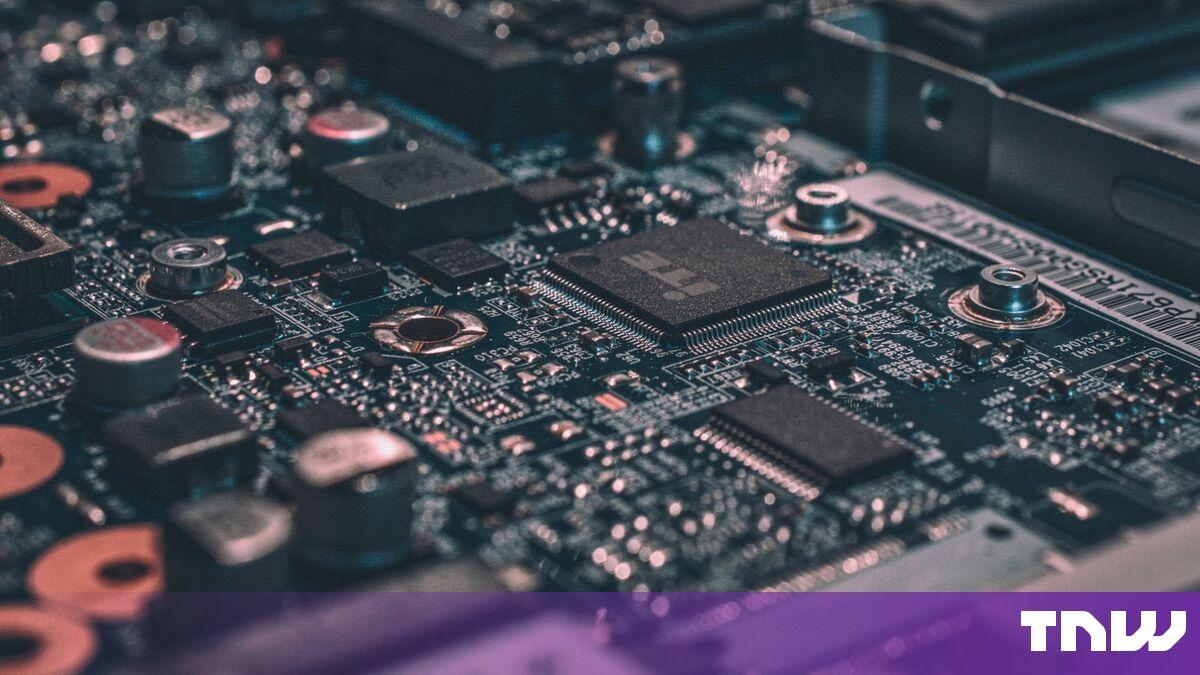
.Memory prices are reported to have climbed roughly 500%, with some individual chips up tenfold in a year, though the figures differ by source and scope
1
2
.
Source: The Next Web
Buyers cannot secure supply through normal channels, so they resort to whatever source they can find, per Apacer's president
1
2
. Apacer, a Taiwanese memory module maker, has borrowed money so it can pay the moment chips appear. "If chips show up, we take it. This is crazy, but there is no other way," said its president, Gibson Chen1
2
.The burden falls unevenly. Large buyers such as Amazon, Apple and Microsoft can lock in supply through long-term agreements. Smaller firms depend on brokers and the gray market, where sellers sometimes mix used chips into new orders
1
2
.Even billionaires wait in line
Even the world's richest buyers, one second-hand account suggests, cannot jump the queue. Per that account, recounted by investor Carl Kawaja, Elon Musk told him in June that he had asked Samsung for a long-term agreement. He also offered to guarantee financing for a new fab. Samsung's chairman, Lee Jae-yong, replied that everyone can offer the same. "What else can you do for us?"
2
.OpenAI's Sam Altman has also been courting supply in person, meeting Samsung executives in South Korea in October to seek more memory for data centers
1
2
.The bill reaches everyone
The cost is now landing on consumers and start-ups. In India, about 48 Samsung and Xiaomi phone models rose by ₹1,000 to ₹4,000 in mid-November; the Galaxy A07 5G went from ₹20,999 to ₹22,999
2
. GPU rental prices in India are reported up 30-35% since February, and providers now demand three-to-six-month commitments from start-ups that used to book by the hour2
.Some manufacturers raise prices to cover memory costs; others cut the product's specifications and take a smaller price bump
1
. At least one start-up is adapting instead. SquadStack, a voice-AI company, built smaller models using its own call recordings to cut the memory each call uses. Per Inc42's reporting, memory costs have also dented Xiaomi's quarterly profit and Apple's margins2
.Related Stories

No relief in sight
The cause of the shortage is even contested in court. The big three face a price-fixing lawsuit alleging they coordinated the shift to AI memory and cut output of older chips, and the judge found the collusion claim plausible
1
.Entering the memory market requires huge factories, patents and manufacturing know-how. The only new entrant making mainstream consumer memory chips does not undercut market prices, per one outlet's analysis
1
.The memory market's boom-and-bust cycles made manufacturers reluctant to expand
1
. Even if construction had begun at the first signs of shortage, new plants would take years to produce chips. New fabs from the big three are not expected to add supply until 20281
. Hynix has warned tight supply could persist for years, until 2030 per one account1
2
. The chief executive of memory maker TeamGroup said the market could reach a point where "even money can't buy goods"1
.References
Summarized by

Navi
Related Stories
Samsung warns memory shortage will intensify through 2027 as AI demand outpaces chip supply
30 Apr 2026•Business and Economy
Memory Chip Shortage to Intensify Through 2027 as AI Demand Pushes Prices Up 5-6x
31 Jul 2026•Business and Economy

AI Demand Triggers Global Memory Shortage as RAM Prices Surge Up to 70% in 2026
06 Jan 2026•Business and Economy
Recent Highlights



Recent Highlights
Today's Top Stories










Don’t drown in AI news. We cut through the noise - filtering, ranking and summarizing the most important AI news, breakthroughs and research daily. Follow topics that matter to you and stay ahead.


