David Fincher used AI to fix actors' mouths in his new film, and critics are livid


3 Sources
[1]
The Further Mis-Adventures of Cliff Booth Director Explains His Use of AI
The Further Mis-Adventures of Cliff Booth takes place eight years after Once Upon a Time... in Hollywood and follows the life of stuntman Cliff Booth (Brad Pitt) after Rick Dalton (Leonardo DiCaprio) moves out of the country. Booth now performs dirty odd jobs for celebrities to keep himself afloat,
[2]
'I Won't Miss Focus in AI' -- Director David Fincher Sparks Backlash for 'Wildly Dystopian' Vision of AI-powered Filmmaking
Director David Fincher has sparked a backlash after setting out what some have called a "dystopian" vision for AI-fueled filmmaking, amid controversy over AI use in Netflix movie The Further Mis-Adventures of Cliff Booth. Fincher, who directed Seven, Fight Club, and The Curious Case of Benjamin
[3]
People Are Outraged By Director David Fincher Admitting To Using AI For "The Further Mis-Adventures Of Cliff Booth
"I'm not a Luddite, so I don't fear the unknown." Written by Quentin Tarantino and directed by David Fincher, the stand-alone sequel and spin-off to Once Upon a Time in Hollywood follows stunt double Cliff Booth, with Brad Pitt reprising his role while also being one of the film's producers. In
Share
Copy Link
David Fincher said on The Ringer's Big Picture podcast that he used AI in post-production on The Further Mis-Adventures of Cliff Booth to pair the best filmed take with the best recorded audio take, replacing dialogue and adjusting lip movements
1
2
3
. The admission has set off a wave of criticism from actors and writers.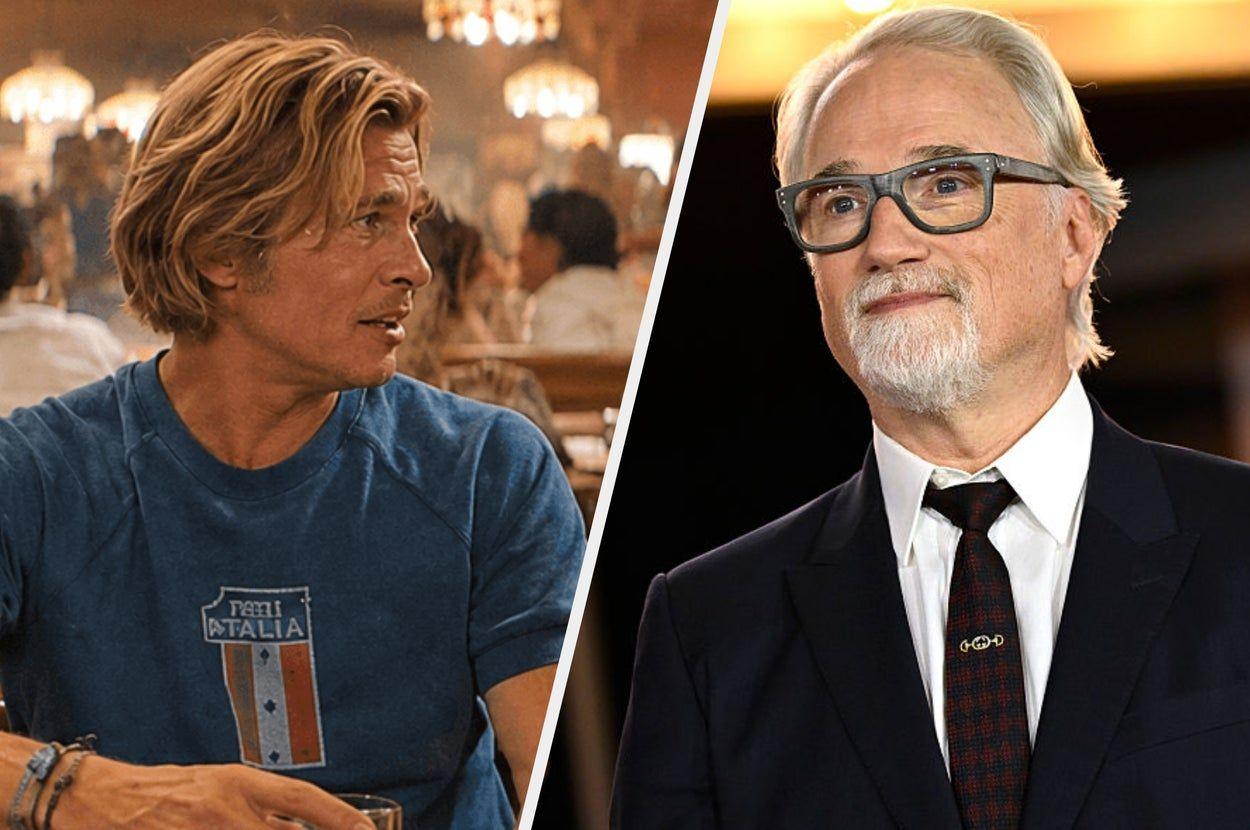
Source: BuzzFeed
Per Fincher, speaking on The Ringer's Big Picture podcast, actors stayed an extra four to five days re-recording dialogue over scenes already shot
1
2
3
. Only about 5% of that replacement was done the conventional way, per Fincher's own account1
2
3
. "We're not chiseling this out of marble. We're working with plasticine," he said2
. His case for it: the process keeps "real human beings" at the center while cutting the number of takes needed1
.The vision that stung
Per IGN, this is where the reaction turned sharpest. Fincher sketched a future production model: shoot a master scene 20 to 25 times, then have actors perform "from the clavicles up" in chairs. AI generates the coverage, close-ups included. "I won't miss focus in AI," he said, endorsing the idea "totally"
2
. He said crews would pre-light the next stage while actors work, with AI clearing away flaws like missed focus; the model is hypothetical for now2
.The backlash on social media has been widespread. Actor Mike Kalinowski wrote, "You don't get to create the perfect performance by Frankenstein-ing a 'perfect version' of the performance and call it directing"
2
. Writer David Hering jabbed at "David Fincher: I spent $400m to change the shape of Brad Pitt's mouth when he says 'hello.'" The $400 million is his figure; the film's actual budget is unverified. Others called the vision "wildly dystopian" and "depressing." They argued it would squeeze out breakout directors and actors who need set time to be discovered2
3
.Some defenders compared the technique to conventional editing, which also stitches takes together. The counterargument: editing combines performances an actor actually gave, while AI creates one they never did
2
. It is an odd fit for a director famous for demanding more than 50 takes of a single scene, and critics have said so1
2
3
.A crowded argument
The film itself is high-profile enough to make this land hard: Quentin Tarantino wrote it, and Brad Pitt reprises his Cliff Booth role while producing
1
2
3
. Tarantino reportedly stepped aside to save his tenth and final film for something bigger1
2
3
. Fincher's position is not new, either. He told the Los Angeles Times, "I'm not a Luddite, so I don't fear the unknown," and "It exists. Should we not use it?"1
3
. And it lands in an industry already wrestling with AI-driven disruption and layoffs2
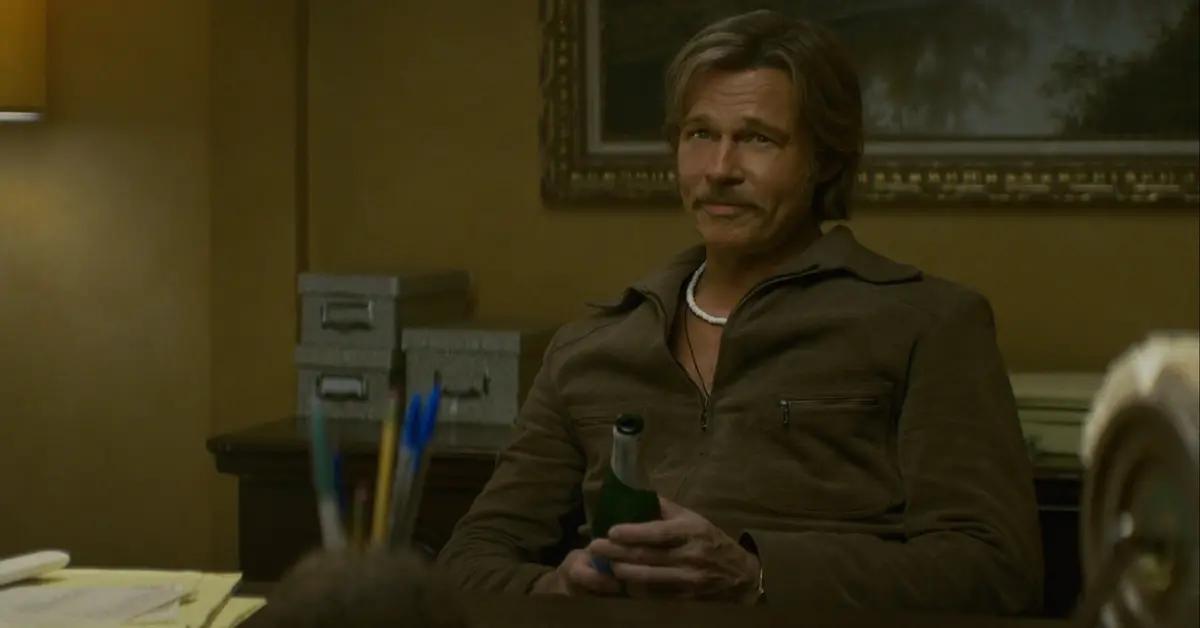
. Tony Gilroy has warned about "AI slop." Guillermo del Toro said in September that machines cannot achieve what he called human creative alchemy. Christopher Nolan praised young audiences' harsh judgment of AI output in July2
.
Source: Polygon
The film opened in large-format IMAX theaters on November 25 and reaches Netflix on December 23
2
3
. Fincher acknowledged a couple of shots "didn't quite work" and said they would be fixed "by the time it's on service"2
3
. One observer noted that means the theatrical print and the streaming version may not match. Whether the version that arrives on Netflix on December 23 is the one theatrical audiences saw is now an open question.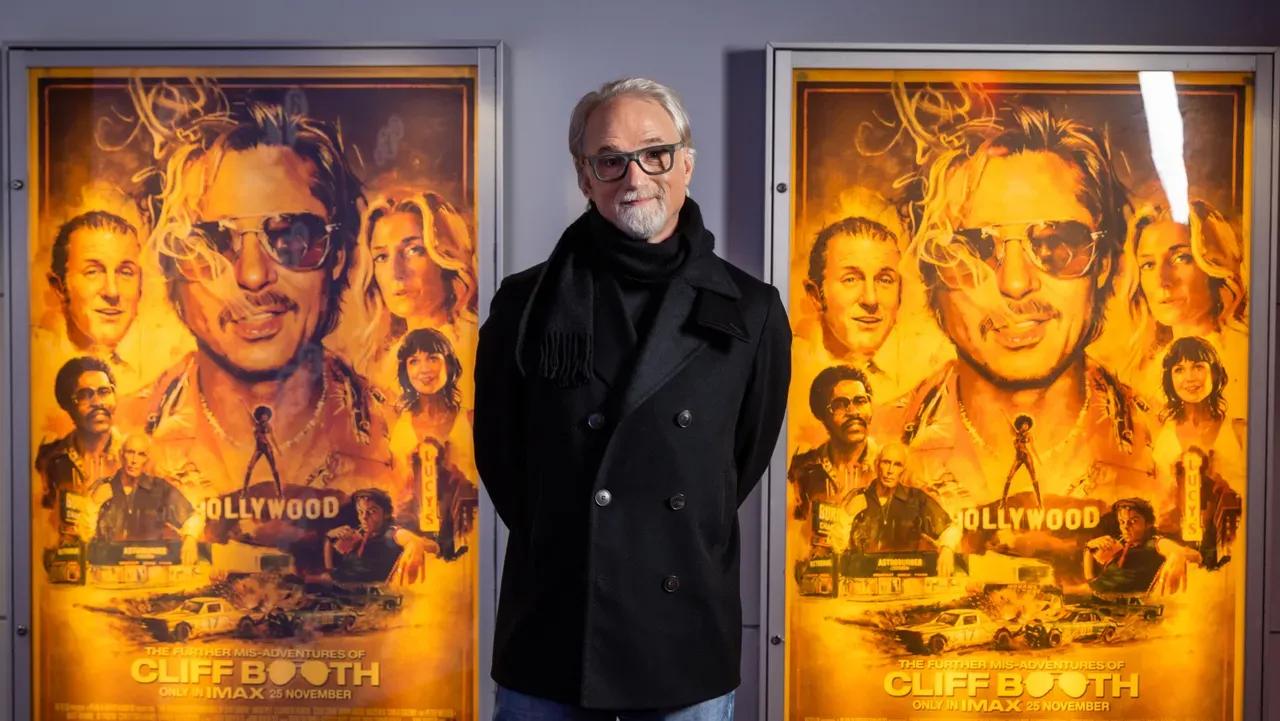
Source: IGN
Related Stories

References
Summarized by

Navi
Related Stories
Martin Scorsese joins AI startup Black Forest Labs, sparking debate over Hollywood's AI adoption
02 Jun 2026•Entertainment and Society

AI in Film Divides Hollywood as Studios Shift from Clip Generation to Full Production Workflows
19 May 2026•Entertainment and Society
Oscar Contender 'The Brutalist' Sparks AI Controversy
21 Jan 2025•Technology

Recent Highlights
1
Anthropic mathematician says Claude helped him prove math's most famous problem
Science and Research

2
Two states sue SpaceX, saying weak Grok safeguards were no accident
Policy and Regulation

3
Jensen Huang is back at Nvidia 11 days after quitting, and the scrutiny came back with him
Business and Economy
Recent Highlights
Today's Top Stories






Don’t drown in AI news. We cut through the noise - filtering, ranking and summarizing the most important AI news, breakthroughs and research daily. Follow topics that matter to you and stay ahead.


