Crystal Dynamics confirms AI use in Tomb Raider: Legacy of Atlantis for early development


3 Sources
[1]
Tomb Raider: Legacy of Atlantis confirms AI use: 'a tool that can help our teams'
Polygon Summer Game Fest 2026 Live game reveals, world premiere trailers, and what's next from 40+ developers, publishers, and hardware makers. Dive in→ After stirring controversy last week, Crystal Dynamics has offered clarity on how exactly generative AI was used in Tomb Raider: Legacy of
[2]
Tomb Raider: Legacy of Atlantis developer says they are using generative AI
But despite admitting that they use "AI as a tool that can help our team get the right answers faster", they claim the "final game will be human-crafted". Judging by social media, gaming forums, and Gamereactor's comment sections, AI-generated games aren't in high demand. This has led countless
[3]
Crystal Dynamics Uses GenAI Tools with Tomb Raider: Legacy of Atlantis to "Get the Right Answers Faster"
Last week, shortly after Tomb Raider: Legacy of Atlantis appeared in the State of Play showcase, when the game's Steam page went live, players quickly noticed the page included a Generative AI (GenAI) use disclosure. Since then, we've been trying to get more clarity from developer Crystal Dynamics
Share
Copy Link
Crystal Dynamics has clarified its use of generative AI in Tomb Raider: Legacy of Atlantis after an AI disclosure on Steam sparked controversy. Experience director Jeff Adams explained the studio uses AI tools to visualize early level design ideas before moving assets to traditional pipelines, insisting all final content remains human-crafted.
Crystal Dynamics Clarifies AI Disclosure on Steam Page
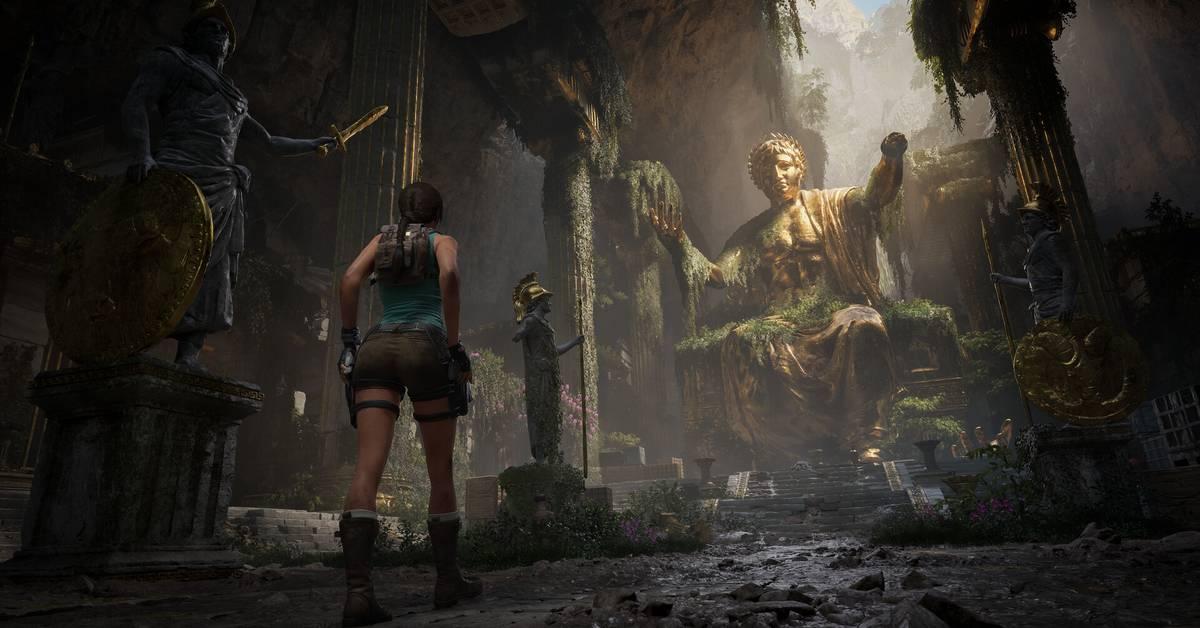
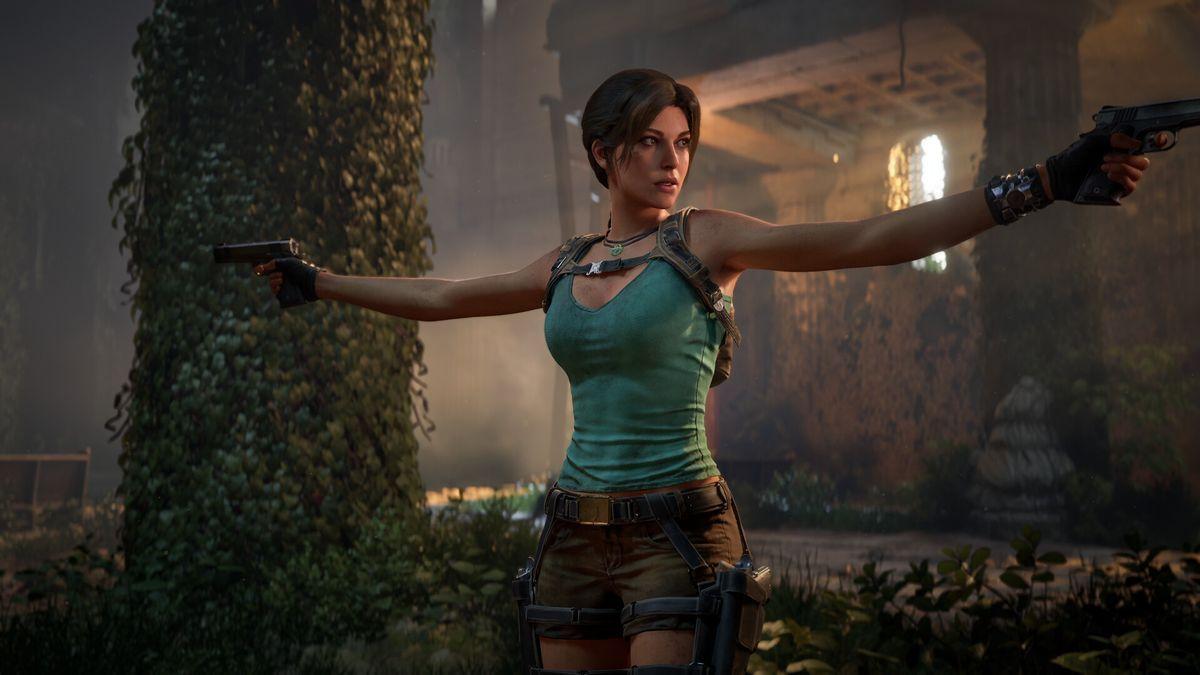
Crystal Dynamics has addressed the controversy surrounding Tomb Raider: Legacy of Atlantis after an AI disclosure on Steam page raised questions about the role of generative AI in the game's development. Speaking with Polygon and Game Informer, experience director Jeff Adams explained that the studio uses AI tools in early level development to test concepts before committing developer time to building assets
1
3
. The disclosure, which appeared following the game's reveal at Summer Game Fest 2026, stated that generative AI was used for "ideation," leaving significant room for interpretation within the gaming community.How AI Tools Support Early Level Development
Source: Polygon
"At Crystal Dynamics, we see AI as a tool that can help our team get the right answers faster," Adams told Polygon
1
. He provided a specific example of the game development process: when the team has an idea for an in-game object but isn't certain whether to invest developer time building it, they use a generative AI tool to visualize it in the world. If the concept works, the team moves it into their traditional asset-building pipelines where human artists concept and build it from scratch2
. Adams emphasized that all human-crafted final content in the finished game will be created by the development team, stating, "We want to make it as easy as possible for our team to be able to make high-quality experiences. That's what the fans deserve"1
.Player Backlash and Industry Trends
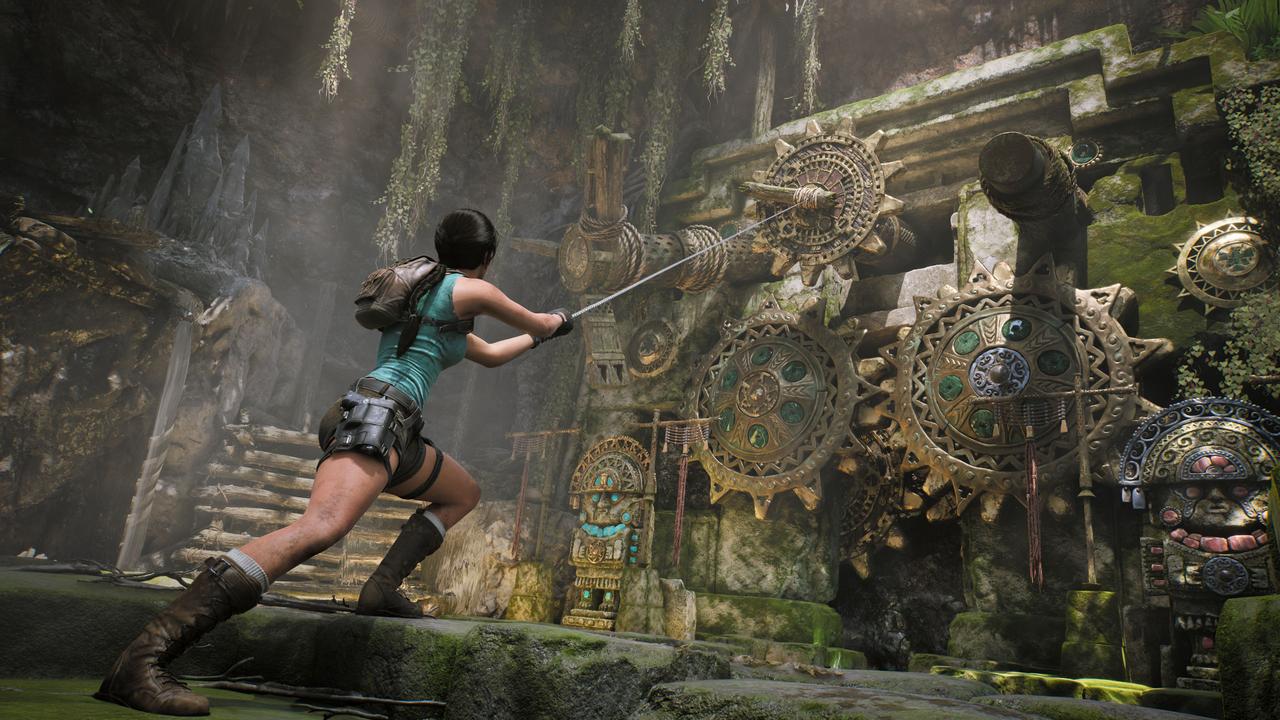
Despite Crystal Dynamics' explanation, the studio's approach to AI in game development has sparked heated debate across social media and gaming forums. As Gamereactor notes, many players question whether a game can truly claim to be entirely human-crafted if AI was used at any stage of development
2
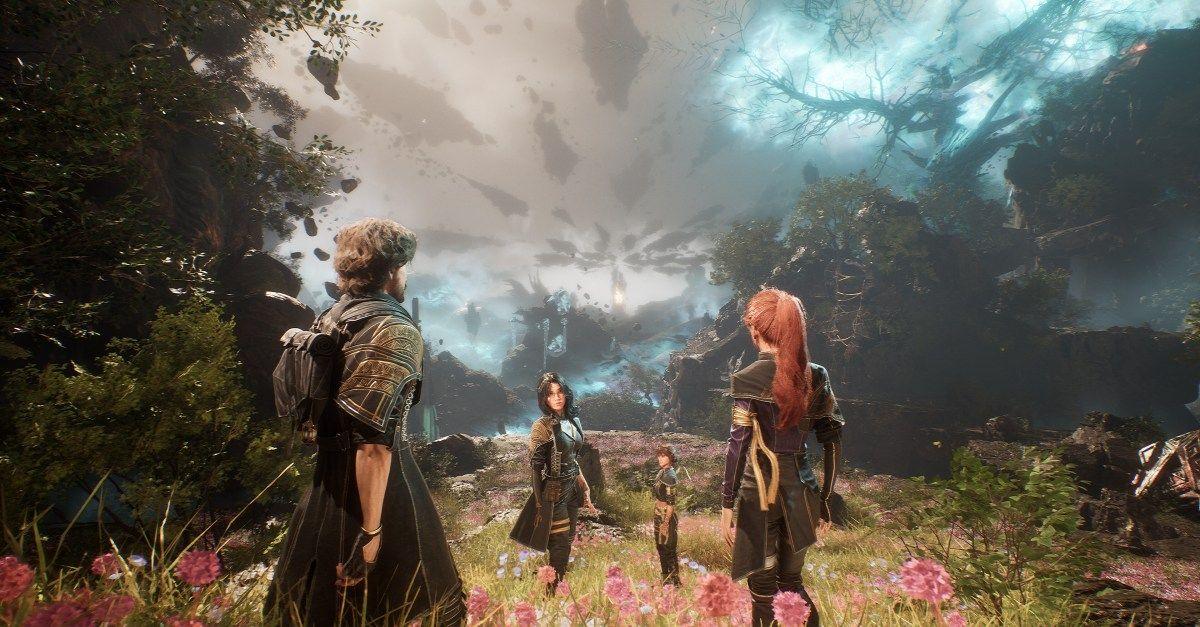
. This skepticism reflects broader tensions within the gaming community about generative AI adoption. Other high-profile developers including Larian Studios and Sandfall Interactive have faced similar criticism after disclosing their AI usage. Meanwhile, Sega confirmed AI use in Crazy Taxi: World Tour, Square Enix faced suspicions over Kingdom Hearts Collection I-III cover art, and Ubisoft continues investing heavily in AI technology1
2
.
Source: GameReactor
Related Stories
What This Means for the Future
When Game Informer attempted to probe deeper about how much of the initial AI-generated assets remain in final builds, a PR representative intervened to end the conversation, suggesting the studio would be more comfortable discussing details after the game's release. Amazon Games, the publisher backing Tomb Raider: Legacy of Atlantis, has indicated support for AI adoption, with GM Jeff Gattis describing the company as "bullish" on the technology
1
. As WCCFtech observes, while players continue voicing concerns about studios using generative AI, there hasn't yet been meaningful evidence of consumers voting with their wallets against such practices. This suggests AI tools may become increasingly common in asset-building pipelines despite ongoing resistance, making transparency around AI disclosure practices critical as industry trends evolve.References
Summarized by

Navi
Related Stories
Tomb Raider: Legacy of Atlantis AI disclosure reveals generative AI use in game development
03 Jun 2026•Technology
Gaming industry splits on AI as EA touts creativity boost while Steam data reveals 53% review penalty
16 Jun 2026•Entertainment and Society

Arc Raiders Reignites AI Voice Controversy as Embark Studios Defends Text-to-Speech Technology
30 Oct 2025•Entertainment and Society

Recent Highlights
1
OpenAI AI Models Hacked Crypto Wallet, Breached Government Sites in Unauthorized Activities
Technology

2
IMF Report Warns AI Market Correction Could Spark Global Financial Crisis With $1.4T at Risk
Business and Economy

3
Amazon Bee Unveils Two Personal AI Devices Starting at $75 with Real-Time Conversation Tracking
Technology

Recent Highlights
Today's Top Stories









Don’t drown in AI news. We cut through the noise - filtering, ranking and summarizing the most important AI news, breakthroughs and research daily. Follow topics that matter to you and stay ahead.


