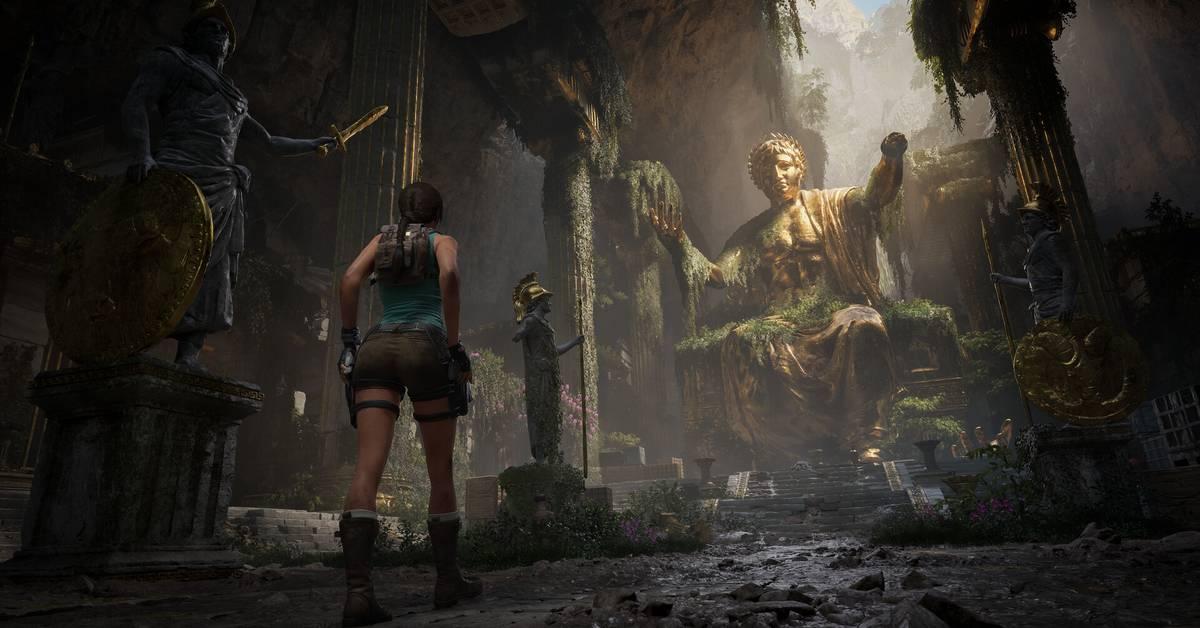
10 Sources
[1]
Tomb Raider: Legacy of Atlantis devs confirm AI use, but promise...
AI NOT: Whether you like it or not, generative AI is quickly gaining traction among game developers. Even the upcoming remake of the original Tomb Raider is reportedly using generative AI in some form, although potential issues are expected to be resolved by the end of development. During its latest State of Play showcase for upcoming PlayStation games, Sony shared a new trailer for Tomb Raider: Legacy of Atlantis. The second remake of Tomb Raider will bring back Lara Croft's classic attire on modern platforms, alongside reimagined puzzles and visually upgraded locations. After the game's formal reveal, the Tomb Raider Steam page was updated to include a new AI-related disclaimer. The refreshed page states that Legacy of Atlantis's development was assisted by AI tools, which were used to generate temporary assets and assist with early exploration. The AI-generated assets were later replaced or refined by human artists to align with the game's creative vision. Crystal Dynamics later confirmed that the studio used generative AI tools. "Our goal is to empower the creativity and flexibility of our developers to deliver the highest-quality experiences for players everywhere," the California-based studio said. The growing popularity of generative AI among game developers is proving to be a contentious issue. Some prominent designers, such as Tim Sweeney, believe AI will be part of all future productions, arguing there is no need for disclosure in such cases. Meanwhile, Cyberpunk 2077 and The Witcher 3 director Konrad Tomaszkiewicz has said that generative AI can only be used to create soulless, tasteless games. The ability of developers to fully remove generative AI assets from their projects is also becoming a point of controversy. A few months ago, Pearl Abyss was forced to apologize to players for leaving "temporary" AI-generated assets in the final version of Crimson Desert. Tomb Raider developers could face a similar situation if any generative AI content is inadvertently left behind, potentially drawing criticism from players. Tomb Raider: Legacy of Atlantis is the second remake of the original entry in the series, which debuted in 1996. Co-developed by Crystal Dynamics and Flying Wild Hog, the new game appears visually rich and aims to introduce the original Lara Croft persona to a new generation of players. Crystal Dynamics previously revisited the same game in 2007 with Tomb Raider: Anniversary, before generative AI was a factor.
[2]
'At least they're honest about it?' -- Tomb Raider: Legacy of Atlantis is the latest game to come with an AI-generated content disclosure
Crystal Dynamics says "any AI-assisted assets were either replaced or refined by humans" * Tomb Raider: Legacy of Atlantis has an AI-generated content disclosure * Crystal Dynamics says any AI assets used have been 'either replaced or refined by humans' * It added in a statement that "we leverage AI tools to help our teams iterate on ideas faster and more efficiently" Tomb Raider: Legacy of Atlantis is the latest game to feature an AI-generated content disclosure, but Crystal Dynamics has insisted that any AI assets used during development have been "replaced or refined" by humans. The disclosure was spotted on Steam after pre-orders went live following the game's new trailer and release date announcement at Sony's State of Play on June 2. It reads: "The developers describe how their game uses AI Generated Content like this: AI-assisted tools were used during development to support some early exploration and temporary development content. Any AI-assisted assets were either replaced or refined by humans in order to maintain the creative and artistic vision of the development team." It doesn't mention which assets were AI-assisted, but we've seen environment assets and textures being used by other studios in the past, for example, in Clair Obsure: Expedition 33. Crimson Desert also had a disclosure before release, which read, "Generative AI technology is used in a supplementary capacity during the creation of some 2D prop assets." However, while Pearl Abyss did say AI assets were replaced, some were still spotted post-launch. Despite Crystal Dynamics' insistence that they were replaced by human developers later on in development, however, fans are not too happy. "Very disappointing," one Redditor said. "I know I am unfortunately too weak to not end up buying the game, especially with how great it looks, but it just seems like a waste of time, money and resources, not to mention the environmental impact, especially if the assets ended up being replaced or 'refined.'" "I guess at least they're honest about it?" another another said. "Though I don't know if it will make anyone less unhappy." Crystal Dynamics has since released a statement to Eurogamer, but did not specify what the AI technology was used for. "At Crystal Dynamics, we leverage AI tools to help our teams iterate on ideas faster and more efficiently, while ensuring that all finished content in the final product is human-crafted," the statement reads. "Our goal is to empower the creativity and flexibility of our developers to deliver the highest-quality experiences for players everywhere." Tomb Raider: Legacy of Atlantis was originally slated to launch this year, but has been delayed to February 27, 2027. Follow TechRadar on Google News and add us as a preferred source to get our expert news, reviews, and opinion in your feeds.
[3]
New Tomb Raider game embraces AI -- Amazon explains why
In a deflating bit of news, it appears that Tomb Raider: Legacy of Atlantis is the latest game to embrace generative AI in its development process. Crystal Dynamics and Amazon Games added the following disclosure to the game's Steam page: "AI-assisted tools were used during development to support some early exploration and temporary development content. Any AI-assisted assets were either replaced or refined by humans in order to maintain the creative and artistic vision of the development team." While that statement suggests Crystal Dynamics aims to remove or touch up AI-generated art from its remake of the 1996 original Tomb Raider, its use in the artistic process will likely prove controversial. The early response to the news has been mixed to negative on the Tomb Raider subreddit, ranging from vague hopes that the generative-AI craze will simply go away to grim resignation that this is the future of game development. GM of Amazon Games Jeff Gattis told Polygon why the company has been embracing generative AI. "We've been pretty bullish on GenAI and I know that's a very controversial topic, but not so much GenAI in terms of how we make games, but games that can be made on large language models that could not have been made three to five years ago," Gattis said. "We think there's opportunities to make interesting new types of games made by humans, but games that couldn't have been made three to five years ago." It isn't entirely clear what Gattis means by "games [...] made on large language models." He may be referring to something like Nvidia's generative AI-powered NPCs or perhaps some new form of procedural generation. In more concrete terms, Amazon has already released an AI-powered party game on Luna called Courtroom Chaos - Starring Snoop Dogg. The store page description describes how players take turns improvising fictionalized testimony to defend their case, and "it's all moderated by the dynamic, AI-powered Judge Snoop Dogg." The game's store page features abundant AI-generated imagery that looks like a surreal Judge Judy episode, and frankly, it's all pretty bleak. Subscribe to the newsletter for deeper game-AI insights Get the newsletter to explore how generative AI is changing game art and development - thoughtful analysis, industry reactions, and what these shifts mean for creators and players in upcoming projects. Get Updates By subscribing, you agree to receive newsletter and marketing emails, and accept our Terms of Use and Privacy Policy. You can unsubscribe anytime. To say that AI has been poorly received by many gamers is an understatement. Hideo Kojima fans hung their heads in shame as the auteur was featured in an AI-generated Prada video last week; Nvidia got roasted for its new DLSS toggle tech that yassified Grace from Resident Evil: Requiem; and Party Animals' AI art contest sparked a wave of negative reviews on Steam. Beyond labor concerns, art theft worries, and environmental issues, the most straightforward reason AI art has been unpopular is that many players find it hideous. We'll find out for sure whether Tomb Raider: Legacy of Atlantis' use of AI is particularly blatantwhen it comes out in February 2027. Tomb Raider: Legacy of Atlantis looks awesome, delayed to 2027 We also learned that the game is coming to Nintendo Switch 2
[4]
Summer Game Fest is here, so get ready for a lot of, 'Ugh, that game with the cool trailer used AI'
A pile of new game announcements are coming over the next several days, and we can expect a pile of AI disclosures, too. Crystal Dynamics and Flying Wild Hog unveiled a new trailer for Tomb Raider: Legacy of Atlantis during yesterday's State of Play showcase, and fans seemed pretty happy: As one commenter on YouTube put it, "That's the Lara I remember!" But shortly after that, a content disclosure popped up on the game's Steam page, and there was somewhat less happiness about that, because yes: AI is being used in the game's development. "AI-assisted tools were used during development to support some early exploration and temporary development content," it says. "Any AI-assisted assets were either replaced or refined by humans in order to maintain the creative and artistic vision of the development team." Predictably, Crystal Dynamics leaned into the humanity of the whole thing in a follow-up statement provided to Eurogamer: "At Crystal Dynamics, we leverage AI tools to help our teams iterate on ideas faster and more efficiently, while ensuring that all finished content in the final product is human-crafted. Our goal is to empower the creativity and flexibility of our developers to deliver the highest-quality experiences for players everywhere." I do wonder: If you have to replace AI-generated content to maintain your "creative and artistic vision," then why not just roll with that creative and artistic vision in the first place? You save yourself the effort of having to clean up machine-generated garbo that, by your own admission, isn't worthy of being in the game, and you eliminate the risk of some of that garbo getting missed and ending up live, where it will invariably anger some portion of your players. The reaction to the use of AI in Legacy of Atlantis' development among the Tomb Raider community is somewhat more mixed: Plenty of prominent disappointment, but also tolerance for its use in the early stages of the game's development, especially since anything made with AI was reportedly thrown out anyway. This Reddit thread, for instance, has some interesting and thoughtful discussion on the matter: I also detect a certain tired resignation about the whole thing in some other comments: We kept raging over the use of AI in game development, and game developers apologized but kept doing it anyway -- in limited, early, and temporary ways, sure, but there it is nevertheless. At some point you just get worn down, right? There are too many other things to worry about, and if the only way to meaningfully protest AI in game development is to not buy those games, well -- it's just early development, right? After denial and anger comes bargaining. To an extent, Tomb Raider's post-trailer Steam disclosure represents the new reality: We're going to be seeing a lot of new games announced over the next several days as Summer Game Fest week gets up to speed, and alongside that we're going to be seeing a lot more of these AI disclosures. If you care about how AI is used in games, watching big showcases is going to become a tiring cycle of excitement, then doubt, then bargaining. Will this game soon post an AI disclosure? Did that game use generative AI instead of hiring concept artists, and then just lie about it? Anyway, Tomb Raider: Legacy of Atlantis was also delayed, in case you hadn't heard: Instead of coming out this year, it's now slated for February 12, 2027.
[5]
As is becoming increasingly common, upcoming Tomb Raider remake Legacy of Atlantis has used AI in the game's development
Tomb Raider: Legacy of Atlantis has an AI Generated Content Disclosure attached to it. During last night's PlayStation State of Play, developers Flying Wild Hog and Crystal Dynamics shared a new trailer for Legacy of Atlantis, which is a remake of the original Tomb Raider. The game will see Lara hopping from country to country in search of the Scion of Atlantis, encountering many adversaries and puzzles on her way. Since this trailer's release, an AI disclaimer on the game's Steam page has appeared, which reads: "AI-assisted tools were used during development to support some early exploration and temporary development content. Any AI-assisted assets were either replaced or refined by humans in order to maintain the creative and artistic vision of the development team." Disclosures such as this are becoming increasingly common on video game sales pages, with the technology becoming more a part of development than ever before. A recent example includes Crimson Desert, a game whose own disclosure stated "generative AI technology is used in a supplementary capacity during the creation of some 2D prop assets". While developer Pearl Abyss stressed assets created with AI during development would be replaced in the final game, some AI generated artwork still managed to slip through to the disappointment of the Crimson Desert community. Hopefully the same fate will not befall Tomb Raider: Legacy of Atlantis. There is currently a debate as to whether or not studios should disclose when AI has been used during the development of a game. In November of last year, Epic Games boss Tim Sweeney said it made "no sense" for developers to disclose AI use any more, and we may as well ask them what kind of shampoo they use. "The AI tag is relevant to art exhibits for authorship disclosure, and to digital content licensing marketplaces where buyers need to understand the rights situation," Sweeney said. "It makes no sense for game stores, where AI will be involved in nearly all future production." Others are less convinced, and disagree that AI will become so commonplace that disclosing its use will become a moot point. Meanwhile, the likes of Konrad Tomaszkiewicz, the game director of The Witcher 3 and co-director of Cyberpunk 2077, believes games made with AI will have no soul, but also that there can be good uses of AI during development. Aloy actress Ashly Burch similarly appreciates AI may have its uses, but it should never replace human creativity. As for Tomb Raider, while once slated for release in 2026, Legacy of Atlantis will now arrive next year, on 12th February. It will be available on PlayStation 5, Xbox Series X/S, PC via Steam and Nintendo Switch 2. Eurogamer has asked for clarification on how Crystal Dynamics and Flying Wild Hog have used AI technology to help create the game, and will update you when we know more.
[6]
Uh Oh, GenAI Was Used In The Development Of The Beautiful New Tomb Raider Remake
Some of the shine has already come off the Crystal Dynamics upcoming Tomb Raider reboot. During PlayStation's recent State of Play presentation, the studio showed off a new trailer for Tomb Raider: Legacy of Atlantis. It's been looking pretty great with its fancy Unreal Engine 5 makeover. But buried on the game's Steam page, fans have now discovered an AI disclosure message stating that the controversial tech was used early on in the game's development. Here's the full text of the disclosure: AI-assisted tools were used during development to support some early exploration and temporary development content. Any AI-assisted assets were either replaced or refined by humans in order to maintain the creative and artistic vision of the development team. GenAI slop potentially showing up in Tomb Raider is disappointing but maybe less surprising than it should be. Phil Rogers, CEO of Crystal Dynamics' parent company, Embracer Group, last year called genAI a "powerful technology" for "driving efficiency." Crystal Dynamics has also undergone several rounds of layoffs, completing three just last year and one earlier in 2026. Those layoffs occurred alongside a larger restructuring at parent company Embracer Group, which was forced into fire-sale mode after its $2 billion deal with the Savvy Games Group-the gaming arm of the Saudi Arabia Private Investment Fund-reportedly fell through in 2023. Beyond Crystal Dynamics, when Aspyr released Tomb Raider 4-6 Remastered last year, Françoise Cadol, the French voice actress for Lara Croft, accused the studio of using genAI to replicate her voice. Aspyr issued an apology along with a hotfix that removed "all AI voiceover content." Fans also accused Aspyr of using genAI to create some seriously ugly costumes for Lara in Tomb Raider 1-3 Remastered. Aspyr responded with a statement on Bluesky saying that no genAI was used in that case and that the costumes were "created by our team of artists." While the Legacy of Atlantis' disclosure states that anything made by gen-AI was "refined" by humans, that's not enough to stop some fans from checking out of the game entirely. Thankfully, if you're just looking for a remaster of the original Tomb Raider without pesky AI mucking it all up, there's always the 2007's Tomb Raider: Anniversary.
[7]
Crystal Dynamics Has Clarified GenAI Use in Tomb Raider: Legacy of Atlantis
Tomb Raider: Legacy of Atlantis was announced at The Game Awards 2025 Tomb Raider: Legacy of Atlantis, the upcoming remake of the original Tomb Raider, received a confirmed release date at Sony's State of Play earlier this week. The action-adventure title is coming to PC and consoles on February 12, 2026. With the new trailer, Tomb Raider: Legacy of Atlantis has also received an AI disclosure on its Steam page. The game's Steam page was updated with an AI generated content disclosure (spotted by Eurogamer) after the release date trailer went live at State of Play, confirming that developers Crystal Dynamics and Flying Wild Hog utilised AI tools during development. "AI-assisted tools were used during development to support some early exploration and temporary development content. Any AI-assisted assets were either replaced or refined by humans in order to maintain the creative and artistic vision of the development team," the disclosure on Steam reads. It's unclear if any AI-generated to AI-tuned assets will be present in Tomb Raider: Legact of Atlantis at launch. Crystal Dynamics Issues Statement Crystal Dynamics later clarified AI use in the game and said that all content in the final product will be "human-crafted." "At Crystal Dynamics, we leverage AI tools to help our teams iterate on ideas faster and more efficiently, while ensuring that all finished content in the final product is human-crafted. Our goal is to empower the creativity and flexibility of our developers to deliver the highest-quality experiences for players everywhere," the studio said in a statement to Eurogamer. Generative AI use in game development has become a hotly debated topic in recent months as several publishers and developers have started employing the technology to cut development costs. Studios utilising AI in development, however, have received backlash from players. Last year, Call of Duty: Black Ops 7 faced criticism for being full of "AI slop". Baldur's Gate 3 developer Larian Studios faced considerable backlash from players when CEO Swen Vincke said the company utilised generative AI in its workflow, including concept art creation. Larian later announced it won't use AI to create concept art for its next game, Divinity. Tomb Raider: Legacy of Atlantis was revealed at The Game Awards 2025 and was set to launch sometime in 2026. At the State of Play broadcast this week, however, the game was confirmed to be delayed to next year. Tomb Raider: Legacy of Atlantis, a full remake of the original Tomb Raider from 1996, will launch on PC, PS5, Xbox Series S/X, and Switch 2 on February 12, 2027.
[8]
Tomb Raider: Legacy of Atlantis was made with AI, Steam page reveals, but any assets made using the controversial tech "were either replaced or refined by humans"
Lara Croft returns in Tomb Raider: Legacy of Atlantis early next year, but her latest escapade is being soured somewhat by the presence of AI within the game's development. Fans made the discovery through the Steam page for the release, where the mandatory disclaimer gives some insight into the extent of the tech's presence. On Valve's store, if you scroll down on the listing for Legacy of Atlantis, you can find the boilerplate warning. "AI-assisted tools were used during development to support some early exploration and temporary development content," developers Crystal Dynamics and Flying Wild Hog say. "Any AI-assisted assets were either replaced or refined by humans in order to maintain the creative and artistic vision of the development team." There's a little bit to unpack here. The thing that stands out is the inclusion of the term "refined" in reference to whatever AI-generated materials were used in making the game. This points toward some AI assets still being present; they've just been cleaned up to the appropriate standard. A recurring part of games being discovered to have AI contents is that the assets in question still contain hallmarks of generative software: blurriness, malformed shapes, and general "sloppiness." The idea may be to avoid such detection through refinement rather than changing the source of the work. It sounds like some versions of this tech were used in conceptualizing and early prototyping. Other studios have suggested utilizing gen-AI in this form to help speed up the ideation part of game design. However, while this seems logical on the surface, it's still potentially taking work away from concept artists and other human facets of the pipeline. Regardless, players aren't enamored by the prospect. "It's kind of a slippery slope imo, they say they replaced it, but there is no way of knowing for sure. For all we know, they could have just polished the AI assets to make them look less AI," says one fan on Reddit. "I assume it means concept art and temporary assets that artists then worked off of, which I'm not really happy about or cool with, but I suppose is 'better' than just painting the game with AI textures," another adds. There are conflicting ideals here because game development is increasingly time-consuming and expensive, especially for bigger games. Teams are always searching for ways to streamline things, one way or another. That said, AI solutions are ethically dubious at the moment, and the pushback is omnipresent. Neither the developers nor publisher Amazon Game Studios has commented on this issue just yet. We'll update you if and when they do.
[9]
Tomb Raider: Legacy of Atlantis developer clarifies AI usage disclaimer
AI will apparently be used for iteration, but none of the final product will show off AI creations. It's almost strange how audiences react to the idea of AI in games now. Back in the day, we used the term to simply describe how an enemy reacted to our movements and combat decisions, or how a game could learn from its player and adapt to their playstyle. Now, with genAI rearing its ugly head on even some massively successful titles, gamers don't want the future to be entirely AI-generated. Worries were sparked over the new Tomb Raider game, Legacy of Atlantis, after Eurogamer spotted a disclaimer saying that there was AI usage in the game. The disclaimer popped up on Tomb Raider: Legacy of Atlantis' Steam page, saying the following: "AI-assisted tools were used during development to support some early exploration and temporary development content. Any AI-assisted assets were either replaced or refined by humans in order to maintain the creative and artistic vision of the development team." Crystal Dynamics, the developer behind the game, has since got back in touch with Eurogamer, clarifying the situation and why the AI disclaimer is there on the Steam page. "At Crystal Dynamics, we leverage AI tools to help our teams iterate on ideas faster and more efficiently, while ensuring that all finished content in the final product is human-crafted. Our goal is to empower the creativity and flexibility of our developers to deliver the highest-quality experiences for players everywhere," said a representative for the developer. AI usage in the ideas phase seems to be the new norm for many studios these days. If it can speed up game development, there's a good argument to be had for its use, but right now we're still seeing long development timelines. Tomb Raider: Legacy of Atlantis announced its release date at the State of Play earlier this week, but it revealed the date was delayed to February 2027.
[10]
Tomb Raider: Legacy of Atlantis is the Latest AAA Game Made With GenAI Tools in an "Early Exploration" Development Phase
Last night during PlayStation's State of Play event for June 2026, Crystal Dynamics and Flying Wild Hog showcased more of Tomb Raider: Legacy of Atlantis, and also confirmed rumours that it had been delayed into next year with the announcement of a February 12, 2027, release date. After the dust settled, however, and the initial craze of all the announcements had passed, players spotted a key point on the game's Steam page: a disclosure that Generative AI (GenAI) tools were used in an "early exploration" phase of development. The statement on the game's Steam page reads, "AI-assisted tools were used during development to support some early exploration and temporary development content. Any AI-assisted assets were either replaced or refined by humans in order to maintain the creative and artistic vision of the development team." We reached out to Crystal Dynamics for further clarification on how GenAI tools were used in Tomb Raider: Legacy of Atlantis' development, but did not receive a response ahead of publishing. The topic of GenAI tools and game developers using them continues to be a controversial point across the industry, and there's no sign of that changing in the near future. Even as we see more studios move towards increased GenAI use, and some developers speak about it like an inevitability that's not worth fighting, there's a clear subset of creators that will likely remain unconvinced that GenAI tools actually benefit their work in any way. Players, too, are unconvinced of the benefits that come from using GenAI tools, and whenever a developer admits to using them, there's usually a public outcry and backlash towards that studio. On the flip side, any steps taken away from GenAI use are praised. But either way, it doesn't seem to have any bearing on the games players buy. ARC Raiders, Crimson Desert, and Clair Obscur: Expedition 33 are three of the highest-profile cases of games that we know were made with the help of GenAI tools in the process, and all of them had a case of those assets making it into the final game as player-facing assets. Two of those three faced a wave of backlash for not initially disclosing their use of GenAI tools, but that didn't stop any of them from being commercial and critical successes. ARC Raiders has shot past 16 million copies sold since October 2025. Crimson Desert is already one of the best-selling games in the US for 2026. Clair Obscur won more Game of the Year awards than any other game in history so far and has over 8 million copies sold. And those are just three of the several examples of successful games that have used GenAI tools in their development. While it's certainly still up for debate as to whether the kinds of GenAI tools we see today will inevitably be a part of the game development process like any other, what's keeping that future possible is the fact that players aren't voting against it with their wallets. As long as whatever public controversy caused by developers using GenAI doesn't meaningfully impact their bottom line, we're going to continue seeing studios at all levels, though especially at the triple-A scale, continue to experiment with the technology. Follow Wccftech on Google to get more of our news coverage in your feeds.
Share
Copy Link
Crystal Dynamics has confirmed the use of AI-assisted tools during early development of Tomb Raider: Legacy of Atlantis, the upcoming remake of the 1996 classic. The studio insists all AI-generated content will be replaced or refined by human artists before the game's February 2027 launch, but the disclosure has reignited debate about generative AI's role in the gaming industry.
Crystal Dynamics has disclosed that Tomb Raider: Legacy of Atlantis, the upcoming remake of the 1996 original, utilized AI-assisted tools during its development process
1
. The AI-generated content disclosure appeared on the game's Steam page shortly after a new trailer debuted at Sony's State of Play showcase, revealing that "AI-assisted tools were used during development to support some early exploration and temporary development content". The California-based studio emphasized that any AI-assisted assets were "either replaced or refined by humans in order to maintain the creative and artistic vision of the development team"5
.
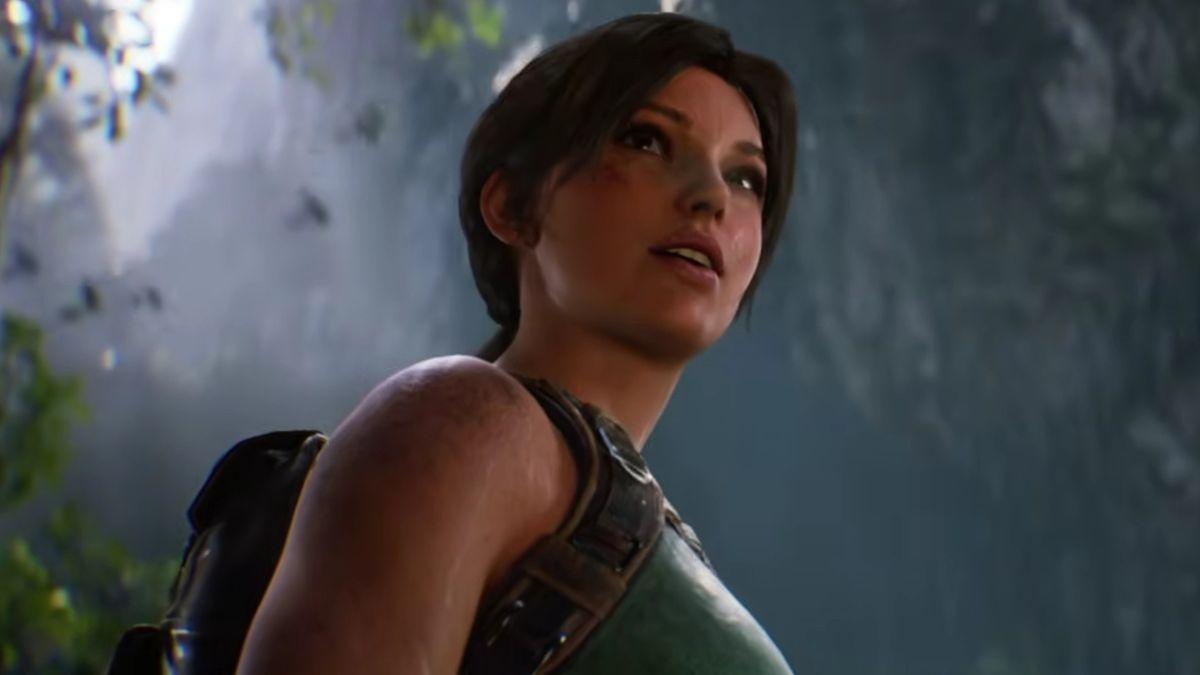
Source: GamesRadar
In a statement to Eurogamer, Crystal Dynamics explained its approach: "At Crystal Dynamics, we leverage AI tools to help our teams iterate on ideas faster and more efficiently, while ensuring that all finished content in the final product is human-crafted"
4
. The studio's goal centers on empowering developer creativity while delivering high-quality experiences. However, the disclosure does not specify which particular assets received AI assistance during early exploration phases.Amazon Games, which is publishing Tomb Raider: Legacy of Atlantis alongside Crystal Dynamics and Flying Wild Hog, has taken a bullish stance on generative AI in video game development. GM of Amazon Games Jeff Gattis told Polygon that the company sees opportunities to "make interesting new types of games made by humans, but games that couldn't have been made three to five years ago"
3
. Gattis referenced games built on large language models, though the specific implementation remains unclear. Amazon has already released AI-powered experiences like Courtroom Chaos - Starring Snoop Dogg on Luna, which features AI-generated imagery and an "AI-powered Judge Snoop Dogg"3
.
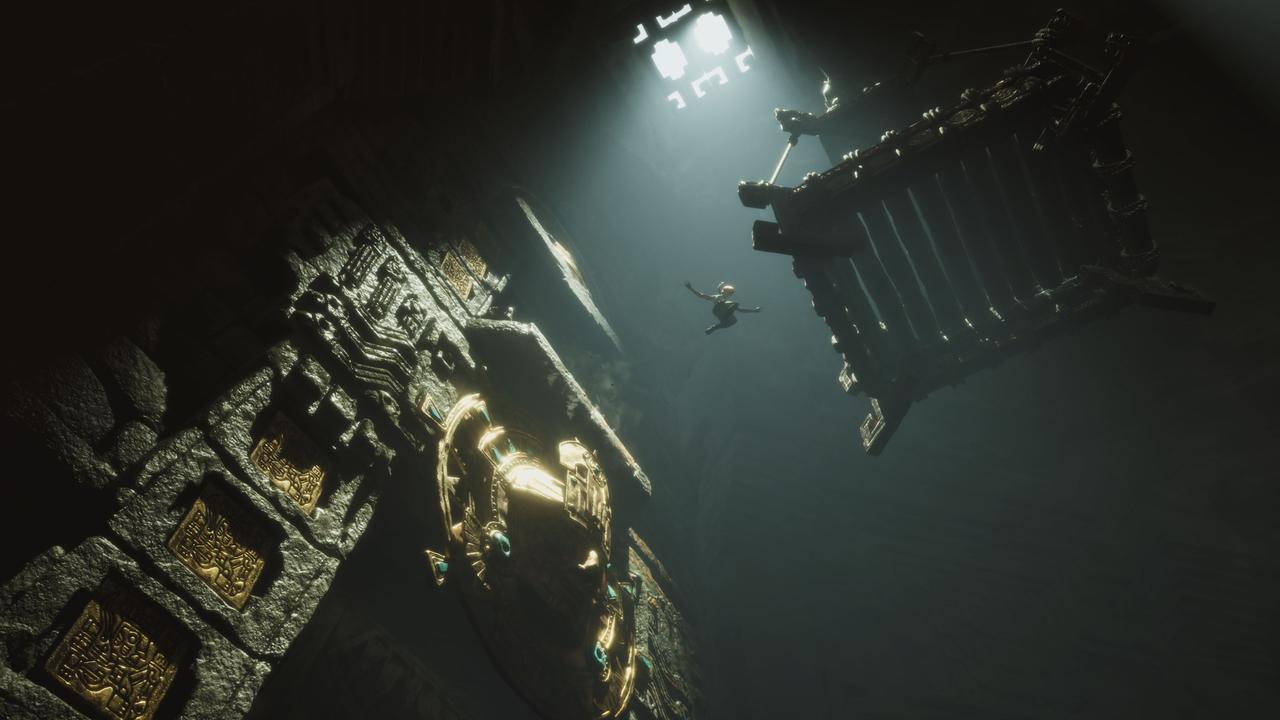
Source: GameReactor
The use of generative AI in video game development has become increasingly contentious within the gaming community. Epic Games boss Tim Sweeney argued in November that disclosure "makes no sense" for game stores, claiming "AI will be involved in nearly all future production"
5
. Conversely, Konrad Tomaszkiewicz, director of The Witcher 3 and Cyberpunk 2077, has stated that generative AI can only create "soulless, tasteless games"1
.The gaming community response has been mixed, with Reddit discussions revealing disappointment alongside resigned acceptance. One Redditor expressed concern about "the environmental impact, especially if the assets ended up being replaced or 'refined'". Another captured the prevailing sentiment: "I guess at least they're honest about it?". Beyond labor concerns and art theft worries, many players simply find AI-generated content aesthetically displeasing.
Related Stories
The promise to remove temporary assets before launch carries significant risk. Pearl Abyss recently apologized after AI-generated content appeared in the final version of Crimson Desert, despite assurances that all such material would be replaced
1
5
. This incident disappointed the Crimson Desert community and raises questions about whether Crystal Dynamics can successfully eliminate all AI-generated material before Tomb Raider: Legacy of Atlantis launches on February 12, 20274
.
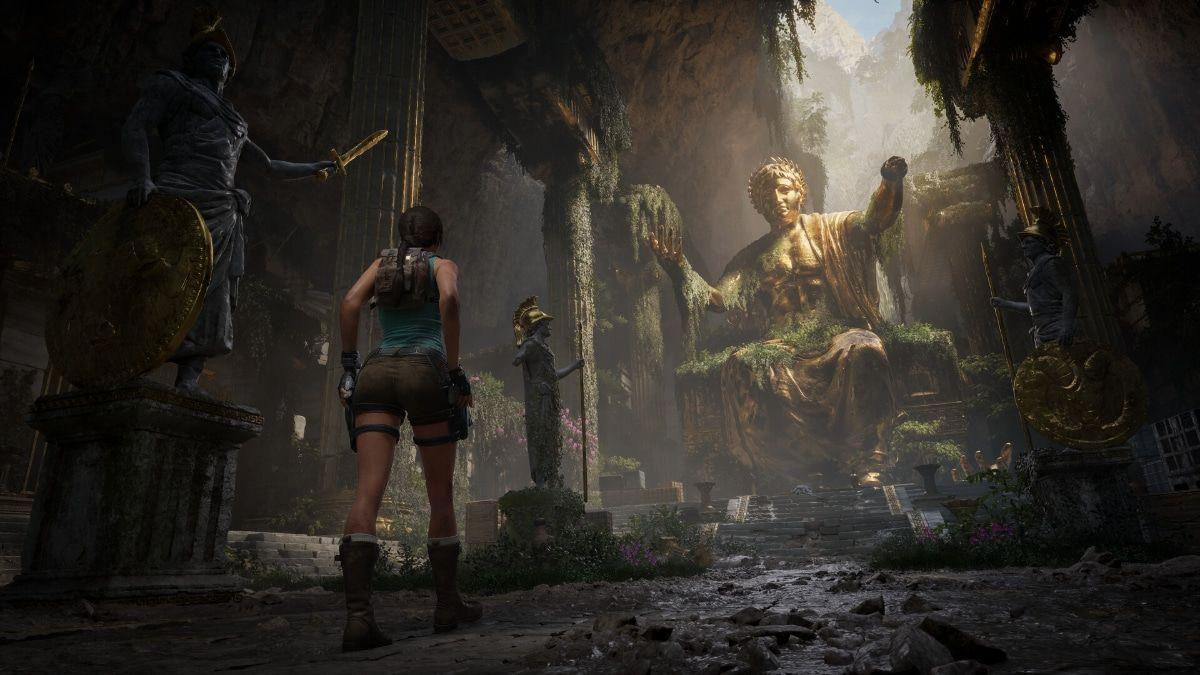
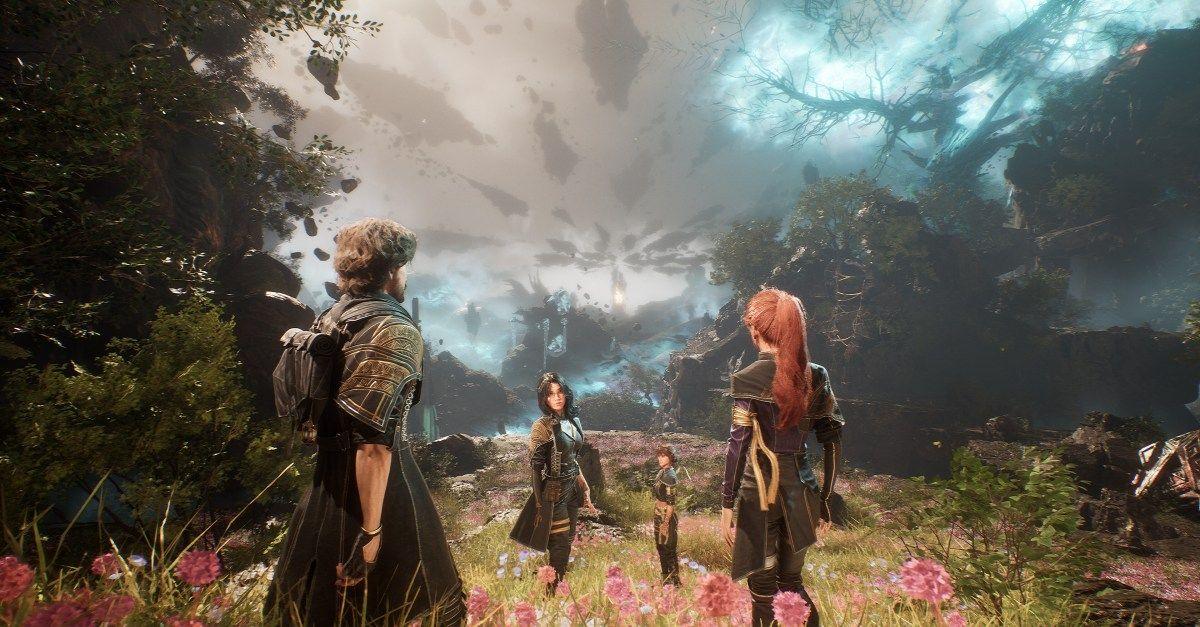
Source: Gadgets 360
As Summer Game Fest approaches, the pattern of AI-generated content disclosure is becoming standard practice. The cycle of excitement over new game announcements followed by AI disclosure fatigue represents a new reality for the gaming industry
4
. Players now face difficult decisions about whether AI use in early development stages warrants boycotting otherwise promising titles. The remake, co-developed by Crystal Dynamics and Flying Wild Hog, aims to introduce the original Lara Croft persona to a new generation while maintaining the franchise's creative vision through human-crafted final content.Summarized by
Navi
[4]
11 Jun 2026•Entertainment and Society

10 Jun 2026•Entertainment and Society

21 Dec 2025•Entertainment and Society

1
Technology

2
Business and Economy

3
Health