Databricks Launches 'Apps' for Rapid Development of AI and Data Applications


3 Sources
[1]
Databricks' New Offering Promises Speedier Analytical, AI Application Development
With the new Databricks Apps partners and customers can rapidly build and deploy native applications for the Databricks Data Intelligence Platform that tap into the system's data and leverages its data security and governance capabilities. Databricks is launching a public preview of Databricks
[2]
Databricks now lets developers create AI apps in 5 minutes: Here's how
Join our daily and weekly newsletters for the latest updates and exclusive content on industry-leading AI coverage. Learn More Databricks just made app development a piece of cake. The Ali Ghodsi-led company announced Databricks Apps, a capability that allows enterprise developers to quickly build
[3]
Introducing Databricks Apps : The fastest and most secure way to build data and AI applications
Databricks Apps, a new way to build and deploy internal data and AI applications, is now available in Public Preview on AWS and Azure.Ideal use cases include data visualization, AI applications, self-service analytics, and data quality monitoring.It supports Dash, Shiny, Grado, Streamlit, and Flask
Share
Copy Link
Databricks introduces 'Databricks Apps', a new capability that allows developers to quickly build and deploy data-intensive and AI applications directly on the Databricks Data Intelligence Platform, promising faster development, enhanced security, and seamless integration.

Databricks Introduces 'Apps' for Streamlined AI and Data Application Development
Databricks, a leading data and AI company, has announced the public preview of 'Databricks Apps', a new set of development capabilities designed to accelerate the creation and deployment of data-intensive and AI applications
1
. This innovative offering aims to simplify the complex process of building analytical and AI applications, addressing key challenges faced by developers and organizations.Key Features and Benefits
Databricks Apps provides a template-based experience that allows developers to rapidly build and deploy applications within the Databricks environment. The service boasts several notable features:
-
Quick Development: Developers can create and deploy secure apps in as little as five minutes, significantly reducing development time
2
. -
Framework Support: The platform supports popular Python frameworks such as Dash, Shiny, Gradio, Streamlit, and Flask, offering flexibility to developers
1
3
. -
Serverless Compute: Automated serverless compute features enable easy deployment and hosting directly from Databricks
1
. -
Enhanced Security: Applications run fully within the Databricks workspace, leveraging existing security controls and the Unity Catalog for centralized data governance
1
3
. -
AI Integration: Developers can incorporate AI components and call specific AI models within their applications
1
.
Addressing Development Challenges
Databricks Apps aims to overcome several obstacles in the application development process:
- Simplified Infrastructure Management: The service eliminates the need for complex infrastructure setup and management
2
. - Streamlined Security and Governance: Built-in security measures and integration with Unity Catalog ensure robust data governance
3
. - Automated Deployment: The platform handles provisioning and hosting, reducing the operational burden on developers
1
.
Impact on the Ecosystem
The introduction of Databricks Apps is expected to have a significant impact on the company's partner ecosystem:
- Partner Opportunities: Databricks' 3,300 consulting and systems integration partners, along with 750 ISV partners, can leverage the platform to scale their efforts and reduce friction in customer engagements
1
. - Marketplace Integration: The Databricks Marketplace will benefit from the ability to offer pre-packaged applications and AI assets developed using Databricks Apps
1
.
Related Stories

Industry Reception and Future Developments
Early adoption of Databricks Apps has been promising, with approximately 50 enterprises already testing the service in beta
2
. The company plans to expand support for more tools, languages, and frameworks in the future, aiming to make secure app creation accessible to a broader range of developers2
.Competitive Landscape
While Snowflake, Databricks' main competitor, offers a similar low-code approach for app development, Databricks claims to differentiate itself through greater flexibility and interoperability
2
. The company's support for multiple frameworks and versions provides developers with more options and freedom in their application development process.As organizations continue to seek ways to extract value from their data assets, Databricks Apps represents a significant step towards democratizing data and AI application development. By simplifying the process and addressing key challenges, Databricks aims to empower more teams to create sophisticated, data-driven applications that can drive business value and innovation.
References
Summarized by

Navi
Related Stories
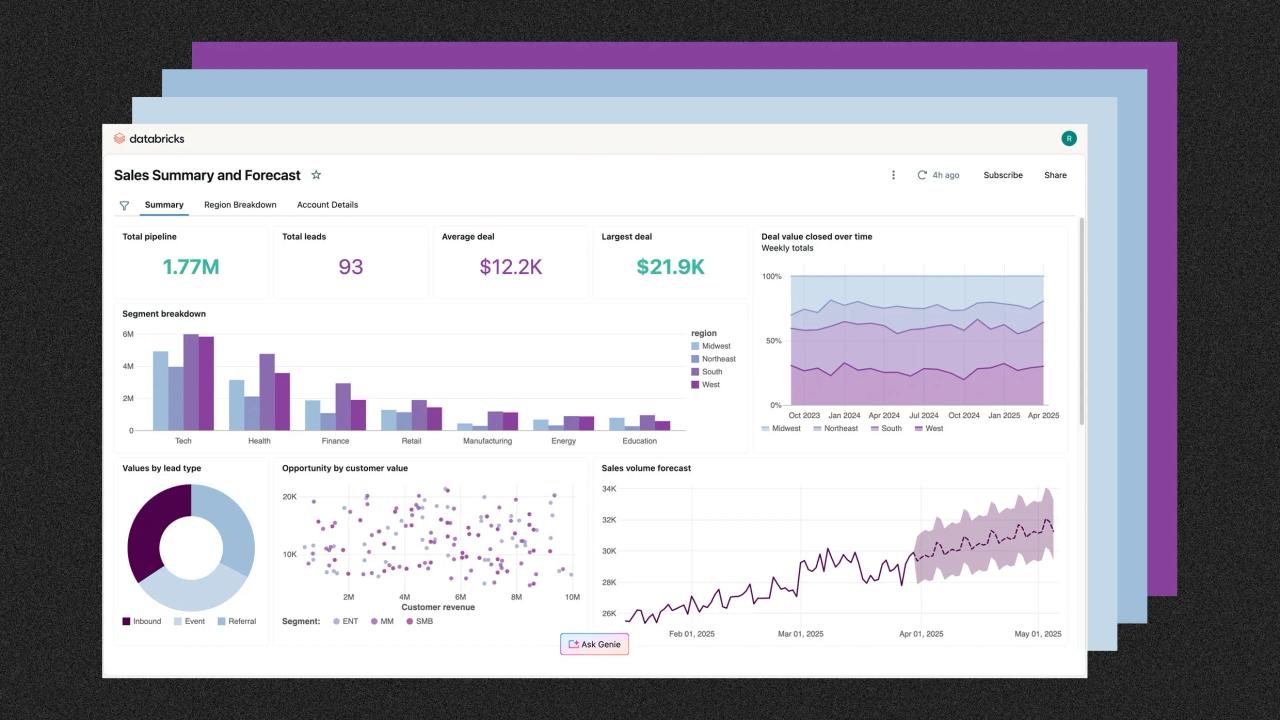
Databricks Unveils 'One' Dashboard: Democratizing AI for Business Users
12 Jun 2025•Technology
Databricks Unveils New Tools for Scalable and Governed AI Agents in Enterprise Applications
12 Mar 2025•Technology

SAP and Databricks Forge Strategic Partnership to Unify Enterprise Data for AI Innovation
13 Feb 2025•Technology

Recent Highlights



Recent Highlights
Today's Top Stories






Don’t drown in AI news. We cut through the noise - filtering, ranking and summarizing the most important AI news, breakthroughs and research daily. Follow topics that matter to you and stay ahead.


