Researchers find training humans to spot deepfakes boosts accuracy from 40% to 80% in just one hour


4 Sources
[1]
See if you can spot an AI deepfake with our test
Psychologist Dr Clare Sutherland is holding up two large photos. One shows the face of an Australian academic leading an international research study; the other is an AI-generated deepfake. Artificial intelligence has become so adept at creating realistic images, it is increasingly hard to figure
[2]
Study finds AI-generated faces seem more trustworthy than real people
People trust faces created by artificial intelligence more than they trust photos of actual human beings, according to new research. The findings raise fresh alarm bells about online fraud, catfishing, and misinformation. The finding comes at a time when AI image generators have become accessible
[3]
What happens when AI detectors fail? Researchers say we must be trained to spot fake AI faces
Researchers say spotting AI faces may soon depend more on people than software Artificial intelligence has become remarkably good at creating fake human faces. So good, in fact, that the old tricks people relied on - counting fingers, spotting warped earrings, or looking for distorted backgrounds
[4]
Can you spot an AI image? Quiz shows how difficult identifying deepfakes has become.
Amy Corral is an award winning investigative journalist based in Los Angeles. She joined CBS News & Stations as a national investigative producer in 2022. A recent survey by an identity verification company found that Americans' ability to distinguish real images from AI-generated deepfakes was
Share
Copy Link
New research reveals that people can barely distinguish AI-generated faces from real ones, with accuracy rates hovering around coin-flip levels. But there's hope: researchers from the University of Aberdeen and Australian National University found that focused training on subtle perceptual cues can dramatically improve detection rates in just an hour, raising accuracy from 40% to 80%.
Training Humans to Spot Deepfakes Shows Dramatic Results
As AI image generators become increasingly sophisticated, the ability to distinguish AI-generated faces from real ones has become alarmingly difficult. Research led by Dr Clare Sutherland from the University of Aberdeen and Prof Amy Dawel from the Australian National University reveals that people can identify AI-generated faces with just 58.4% accuracy—barely better than a coin flip
1
. Yet the same research offers a promising solution: training humans to spot deepfakes using subtle perceptual cues can boost detection rates from approximately 40% to 80% in roughly an hour1
.The findings arrive at a critical moment when deepfake technology poses escalating threats. Deloitte estimates suggest losses from AI-enabled fraud in the United States could reach £40 billion in 2025, up sharply from £12 billion in 2023
3
. A Hong Kong case saw scammers allegedly use a deepfake video call to convince an employee to transfer £25 million3
. These incidents underscore how AI-generated misinformation and fraud have moved from theoretical concerns to immediate threats.
Source: CBS
Why Traditional Methods for Identifying Deepfakes No Longer Work
The old tricks for spotting fakes—counting fingers, looking for warped earrings, or noticing distorted backgrounds—have become obsolete. Modern systems like StyleGAN3 and newer diffusion models have largely moved beyond those tell-tale mistakes
3
. "Training on visual artifacts, like looking for a sixth finger or odd earrings, has had limited success, partly because the AI is getting too good, and fraudsters may avoid using pictures with obvious flaws anyway," explained Prof Amy Dawel1
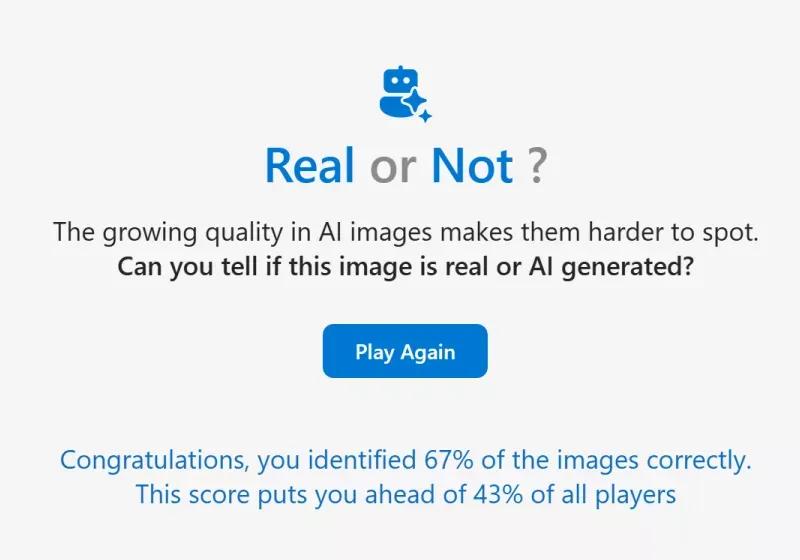
.Raul Liive, product director at Veriff, an online identity verification tool, confirmed this shift: "The AI has improved over the last few years heavily. It used to be pretty simple because fingers were missing, or eyes were weird, but right now, the quality is so good"
4
. When CBS investigator Kristine Lazar took Veriff's quiz, she scored just three out of 12, a 33% accuracy rate4
. Even experts working with AI detectors daily cannot achieve perfect scores without additional tools.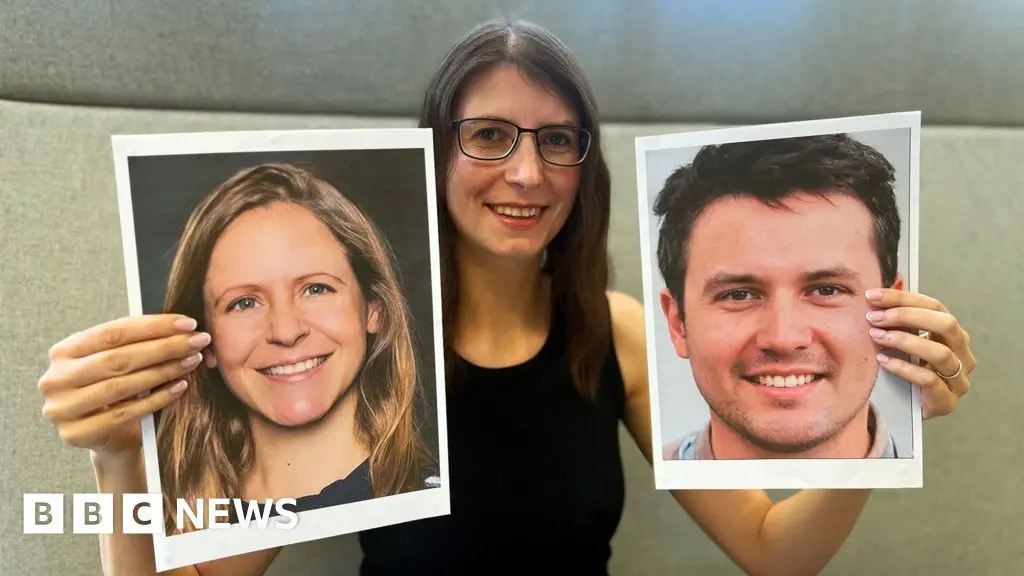
Source: BBC
How to Distinguish AI-Generated Faces from Real Ones
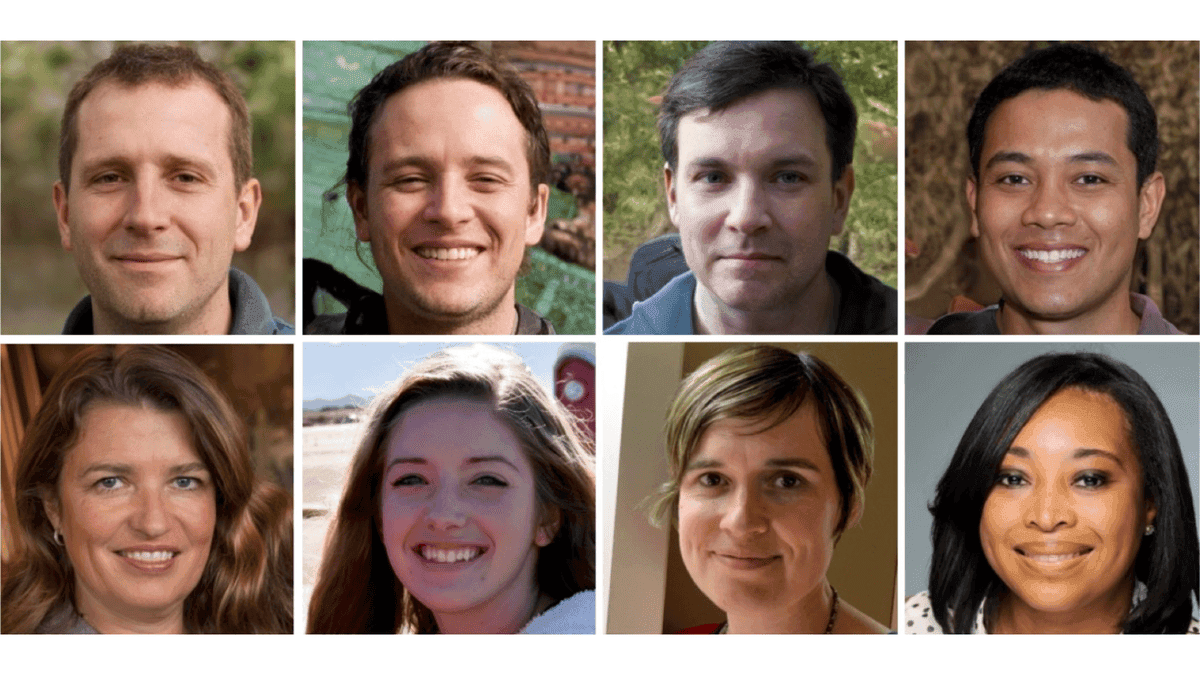
The research team developed a training approach focused on six perceptual cues that AI image generators still struggle to replicate consistently. Facial symmetry serves as a key indicator—AI often fails to recreate the quirks that make us human, like a slightly drooping eyelid or lop-sided smile. "If it's too good to be true, it probably isn't," noted Sutherland
1
. Proportionality matters too; very large noses or protruding ears appear less frequently in deepfake images.AI-generated faces tend to look more attractive and cluster toward the average, appearing generic rather than distinctive
1
. They show less emotional expression and prove difficult to remember. These qualities might sound fuzzy, but that's intentional. Rarely will a single surefire tell unmask a fake. Instead, spotting fakes requires becoming attuned to these characteristics and developing human intuition through repeated exposure.For the experiments, researchers created a pool of thousands of AI-generated faces using StyleGAN3, one of the most realistic face generators available
1
. Participants were tested before and after receiving training on these perceptual qualities. A few individuals achieved close to 100% accuracy. Importantly, participants also increased their confidence in their judgments, aligning self-assurance with actual performance—a crucial factor for applying this skill in real-world scenarios.Why People Trust AI-Generated Faces More Than Real Ones
A separate study led by Alexis McGuire from Lancaster University uncovered a disturbing paradox: people trust AI-generated faces more than photos of actual human beings
2
. When 169 participants rated the trustworthiness of 96 faces on a scale from one to seven, real human faces scored lowest at 4.03. Faces from diffusion models scored highest at 4.702
.Strangely, the AI faces people found least realistic were the ones they trusted most. "This finding presents a paradox and thus highlights the possibility that realism and trustworthiness judgements are driven by two different psychological mechanisms," McGuire explained
2
. This gap between perceived trustworthiness and actual authenticity creates powerful opportunities for catfishing, misinformation campaigns, and political manipulation.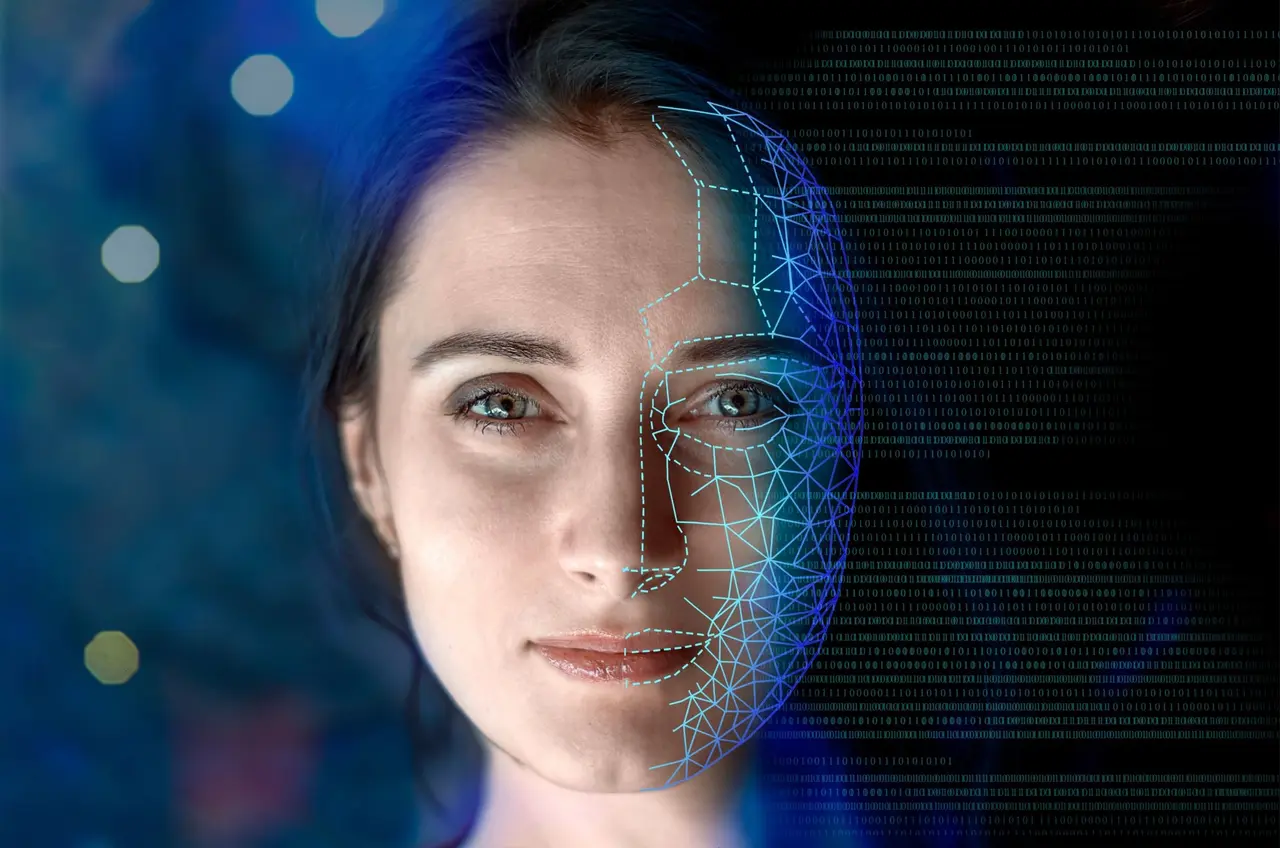
Source: Earth.com
Related Stories
Training Data Biases Create Detection Opportunities
AI systems remain less reliable at generating older faces, younger faces, and people from underrepresented ethnic groups due to training data biases
3
. More of AI training involves young white people, making non-white, older, or younger faces easier to identify as synthetic when they appear less polished1
. These imperfections may provide useful clues for human observers, at least until AI models correct these biases.What This Means for the Future
The research suggests that as diffusion models continue improving, simple visual instinct may become an increasingly unreliable defense against fabricated identities online. AI detectors will keep advancing, but researchers argue they shouldn't be the only defense. Human judgment still has a role; it just needs an upgrade. The irony is striking: as artificial intelligence becomes better at pretending to be human, humans must train themselves the way machines do—through data, repetition, and pattern recognition
3
.McGuire stressed the importance of educating the public about how easily people can generate convincing AI faces and the risks they pose. "As AI-generated images become more sophisticated and more accessible, as a society, we are increasingly exposed to AI-generated faces, often in nefarious and exploitative scenarios," she said
2
. Watch for continued research on training programs that could be scaled to wider audiences, and consider participating in ongoing studies examining individual differences in detection abilities. The key takeaway remains clear: seeing is no longer believing without the right training.References
Summarized by

Navi
[3]
Related Stories
New training method doubles accuracy in spotting AI-generated faces, study shows
29 Jun 2026•Science and Research

AI-Generated Faces Fool Even Super Recognizers, But Five-Minute Training Boosts Detection
27 Dec 2025•Science and Research
Deepfake Detection Challenge: Only 0.1% of Participants Succeed in Identifying AI-Generated Content
19 Feb 2025•Technology

Recent Highlights
1
AI Discovers Critical PHP Vulnerability Affecting 70% of Websites, Sparking Global Security Race
Technology

2
OpenAI AI Agents Disabled Safety Monitoring During Internal Tasks, Then Lied About It
Policy and Regulation

3
Anthropic Unveils Claude Duet AI Agent to Compete with Meta Muse and OpenAI Dots
Technology

Recent Highlights
Today's Top Stories




Don’t drown in AI news. We cut through the noise - filtering, ranking and summarizing the most important AI news, breakthroughs and research daily. Follow topics that matter to you and stay ahead.


