Developer creates stress leaderboard using WHOOP to rank which coworkers raise his heart rate most


2 Sources
[1]
Which coworker stresses you out most? This WHOOP user built a stress leaderboard
While far from scientifically perfect, the experiment showcases a creative and unexpected use of AI, and wearable data. Every workplace has its share of stressful personalities. If none of your coworkers come to mind, there's a chance your colleagues have you on their list instead. One WHOOP user
[2]
Someone hacked his Whoop to see which of his colleagues raised his stress levels the most and I need this immediately
* This Whoop hack matches heart rate to meeting attendees * It can link coworkers with higher levels of stress * The unofficial hack was made with the help of Claude Fable 5 AI We've seen several examples of people hacking their Whoop bands before (including recently), but nothing quite on this
Share
Copy Link
Developer Pankaj Tanwar combined his WHOOP fitness tracker with Claude's Fable AI model to build a stress leaderboard that ranks coworkers by heart rate spikes during meetings. The experiment showcases creative uses of AI and wearable data to uncover workplace dynamics, though experts note heart rate variations can stem from multiple factors beyond specific individuals.
Developer Uses WHOOP and AI to Track Coworker Stress Levels
Developer Pankaj Tanwar has built a system that identifies which colleagues trigger the highest stress responses during his workday, creating what he calls a personal stress leaderboard
1
. By combining data from his WHOOP fitness tracker with his work calendar, Tanwar developed a dashboard that ranks coworkers based on how much they appear to elevate his heart rate during meetings. He shared the experiment on X, posting a screenshot of the leaderboard while keeping identities hidden, and the post has already garnered more than 10 million views2
.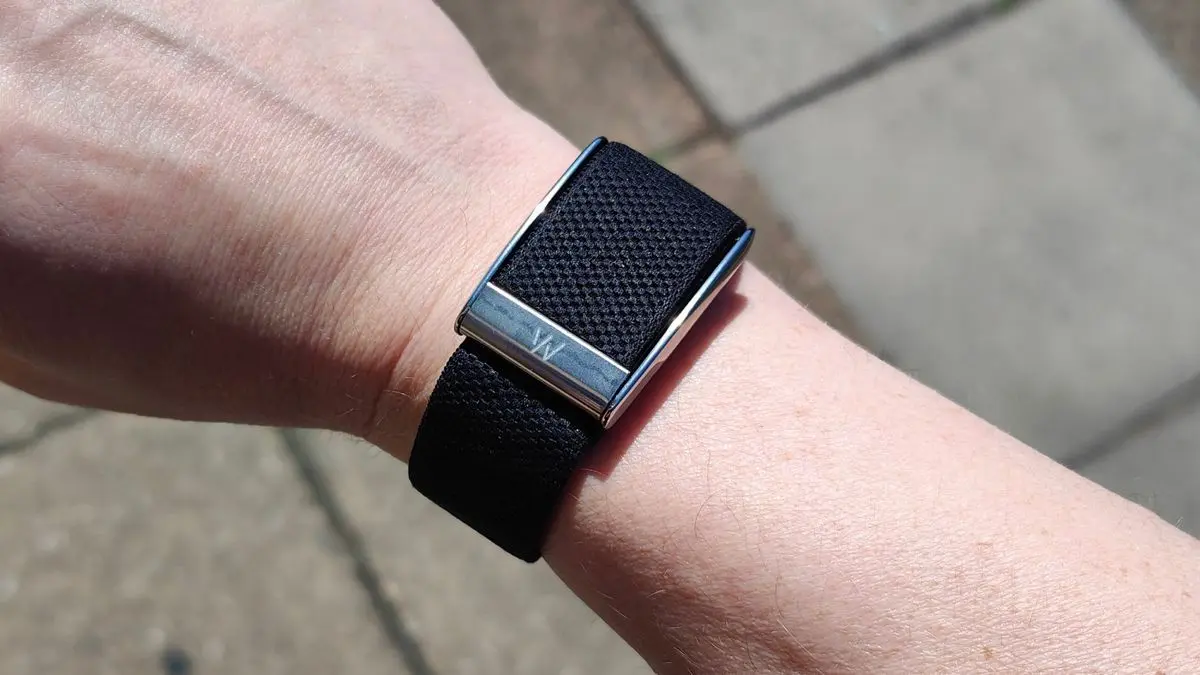
Source: TechRadar
The project was powered by Claude's Fable AI model alongside custom code
1
. To make it work, Tanwar reverse-engineered parts of the WHOOP system to access minute-by-minute heart rate data, something the wearable doesn't normally expose to users at that level of detail. He then cross-referenced those readings with Google Calendar events and attendee lists to identify which meetings consistently coincided with elevated heart rates1
2
.How the Stress Leaderboard Works
The dashboard breaks down meetings using metrics such as heart rate increases, stress scores, and cumulative impact over time
1
. The stress leaderboard doesn't just single out potential stressors—some coworkers appear largely neutral, while others are associated with calmer readings, effectively earning a reputation as the office's stress reducers. This transforms simple biometric data into an unexpectedly entertaining snapshot of workplace dynamics1
.Tanwar used heart rate data analysis to match specific colleagues with physiological responses, though he acknowledges this isn't an exact science. Variables like a rushed walk to a meeting room, climbing stairs, an extra cup of coffee, or even a sugary snack could all raise readings
1
. It's also possible that the subjects of the meetings are triggering heart rate spikes, rather than the coworkers attending them2
.Related Stories
AI and Wearable Data Unlock New Health Insights
This experiment demonstrates what happens when wearable technology, coding skills, and AI converge to reveal patterns in everyday life that would otherwise go unnoticed
1
. The use of Claude's Fable AI model to reverse engineer the WHOOP and extract detailed heart rate data showcases the increasingly capable AI models now available . Fable 5 has only just been released and is already being used to produce next-level apps and tools with just a few lines of prompting2
.While the leaderboard probably isn't a scientifically rigorous measure of workplace stress, it represents a creative example of AI and wearable data applications beyond typical productivity tools
1
. The data can still be used to manage health and well-being during the working day, in and out of meetings2
. This type of insight—identifying which colleagues cause stress, what parts of a commute are most stressful, or which activities promote calm—represents the kind of personalized health insights that AI-enhanced trackers should be delivering to users.References
Summarized by

Navi
[1]
Related Stories
AI Detects Stress by Analyzing Routine Smartphone Behaviors, KAIST Researchers Achieve 75.9% Accuracy
15 Oct 2026•Health

Heavy AI Use in Workplace Linked to Burnout and Productivity Paradox, Study Finds
09 Jul 2025•Business and Economy

AI drives workplace productivity up, but employee workload quietly intensifies as breaks disappear
10 Mar 2026•Business and Economy

Recent Highlights



Recent Highlights
Today's Top Stories






Don’t drown in AI news. We cut through the noise - filtering, ranking and summarizing the most important AI news, breakthroughs and research daily. Follow topics that matter to you and stay ahead.


