DRAM prices surge up to 89% in Q2 2026 as AI-driven demand crushes consumer tech affordability


2 Sources
[1]
DRAM prices surged by up to 89% in Q2 2026, destroying the consumer segment
The RAMpocalypse reached a new milestone in Q2 2026. According to market research firm SigmaIntel, consumer memory prices rose sharply in the second quarter as supply-demand imbalances persisted across the industry. These are quarter-over-quarter figures, meaning prices didn't just climb versus last year; they also jumped relative to the already elevated Q1 2026 levels. The LPDDR segment took the worst hit. LPDDR4X 4GB ICs rose 75%, going from $26.2 to $45.9, while 96Gb (12GB) LPDDR5X modules surged 89%, climbing from $77.1 to a whopping $145.9. This is the single biggest price jump in DRAM across any segment. On the standard DDR side, a 16GB DDR4 stick now costs $207.1 versus last quarter's $137, a 51% increase, while a basic 16Gb (2GB) DDR module jumped from $19.2 to $28.5, up 49%. It is important to note that DDR5 pricing wasn't even included in SigmaIntel's report, and we've already documented how brutally expensive DDR5 has become. The core driver behind the surge in memory prices is, of course, the AI boom. More specifically, AI datacenters are being established and expanded at an alarming rate, and that requires lots and lots of RAM. LPDDR memory is increasingly being adopted in next-generation server GPUs, intensifying competition for supply. As we warned back in late 2025, AMD and NVIDIA graphics cards were also set to get more expensive once the fixed supply contracts of 2025 expired, and that's exactly what happened. Wafer production capacity continues to be prioritized for high-value products such as HBM, server DRAM, and enterprise SSDs, leaving consumer memory supply persistently short. Storage is in equally bad shape. According to SigmaIntel, a 512GB NVMe Gen4 SSD now costs $126.3, up 54% quarter-over-quarter. Moreover, 256GB UFS 3.1 has more than doubled, rising 103% to $62.7, while uMCP is up 107% to $150.4. These components are the backbone of virtually every PC and smartphone on the market, and manufacturers are already passing costs on. Laptop and smartphone makers have raised prices across the board, and even gaming hardware like Valve's Steam Machine has been forced to raise prices, partly due to pressure from memory and storage costs. AMD itself warned during Computex 2026 that DDR5 prices won't normalize until 2028, and that assessment still holds. SigmaIntel notes that some smartphone and PC brands are already adjusting their memory orders due to cost pressure, and that the pace of DRAM price increases in the second half of 2026 may moderate slightly. That's the optimistic read. The pessimistic one: cloud providers are still restocking, channel inventories remain at just two to three weeks of supply, and AI memory demand shows no signs of softening. For consumers building or upgrading a PC right now, or buying a new smartphone, it looks like the bill is going to stay high for the foreseeable future.
[2]
As Steam Machine and Xbox are latest to fall to the RAMpocalpyse, Micron CEO says RAM shortages won't ease until 2028, probably
The leading memory producer says "tight conditions" will continue through 2027, "gradually improve" in 2028 Playing video games is rapidly becoming a much more expensive hobby than it was just a few years ago, as AI-driven memory shortages and economic instability fuel rising hardware prices, and the CEO of a leading RAM producer says things are unlikely to ease up until 2028, at the earliest. The affordability crisis putting pressure on manufacturers to hike prices is the result of a perfect storm in which inflation, tariffs implemented by the US government, and memory shortages caused by the rapid development of AI data centers collide. This year alone, Nintendo Switch 2 prices shot up by $50, a PlayStation price hike brought the premium PS5 Pro all the way up to $900, Valve increased the price of entry to the Steam Machine lineup to $1049, and just today, Microsoft raised Xbox prices up $100-$150 depending on the model. Meanwhile, building your own gaming machine via assembling PC components isn't a remotely affordable alternative, as RAM in particular remains exorbitantly pricey. I genuinely wish I had more optimistic news to share on this front, and I'm sure eventually things will settle down, but according to Micron CEO Sanjay Mehrotra, that day won't be for many months. "We expect tight conditions to persist beyond calendar 2027 as a result of AI-driven demand across all segments coupled with structural supply constraints," Mehrotra told investors in the company's Q3 earnings report (via IGN). "Even as we expect industry supply to improve gradually in 2028, we currently do not have line of sight as to when memory supply will be able to catch up with increasing demand," he added. Naturally, the implications for the price of future generations of gaming consoles, specifically the PS6 and Xbox Project Helix, are dire. Analysts have predicted the next-gen consoles to debut with 50% higher price tags than their current-gen counterparts, and $1000 base models aren't out of the question. That said, Microsoft and Sony could decide to wait out the RAMpocalypse and simply delay the new consoles until the component shortages and related price elevations are in the rear-view. That could potentially push the next generation of consoles into the 2030s, with reports indicating Sony is already considering an internal delay.
Share
Copy Link
Consumer memory costs skyrocketed in Q2 2026, with LPDDR5X modules jumping 89% and DDR4 rising 51% quarter-over-quarter. AI datacenter expansion is draining supply as manufacturers prioritize high-value server components over consumer products. Micron's CEO warns tight conditions will persist through 2027, with no clear timeline for when supply can meet demand.
DRAM Prices Hit Record Highs as AI-Driven Demand Reshapes Memory Markets
Consumer technology affordability took another devastating blow in Q2 2026 as DRAM prices surged to unprecedented levels, driven by relentless AI datacenter expansion and persistent memory supply constraints. According to market research firm SigmaIntel, the quarter delivered some of the sharpest price increases ever recorded in the memory industry, with LPDDR5X 96Gb modules climbing 89% from $77.1 to $145.9
1
. These aren't year-over-year comparisons—they represent quarter-over-quarter jumps from already elevated Q1 2026 levels, signaling an accelerating crisis that shows no signs of abating.The impact on consumer segment products has been severe across all memory categories. Standard DDR4 16GB modules now cost $207.1, up 51% from $137 the previous quarter, while LPDDR4X 4GB ICs rose 75% to $45.9
1
. DDR5 pricing wasn't even included in SigmaIntel's analysis, though separate reports have documented equally brutal increases for that segment. Storage components face similar pressure, with 512GB NVMe SSDs up 54% to $126.3 and 256GB UFS 3.1 more than doubling with a 103% increase to $62.71
.AI Datacenter Expansion Drives RAM Shortage Crisis
The root cause of these price explosions lies in the explosive growth of AI infrastructure. Server GPU demand has intensified competition for LPDDR memory, which is increasingly adopted in next-generation datacenter hardware
1
. Wafer production capacity continues prioritizing high-value products like HBM, server DRAM, and enterprise SSDs, leaving consumer memory supply persistently short. Cloud providers are still restocking, and channel inventories remain dangerously thin at just two to three weeks of supply1
.Micron CEO Sanjay Mehrotra offered a sobering assessment during the company's Q3 earnings report, stating that "tight conditions will persist beyond calendar 2027 as a result of AI-driven demand across all segments coupled with structural supply constraints"
2
. More concerning, Mehrotra added that even as industry supply improves gradually in 2028, Micron currently has no clear line of sight as to when memory supply will catch up with increasing demand2
.Gaming Hardware Price Hikes Reflect Broader Crisis
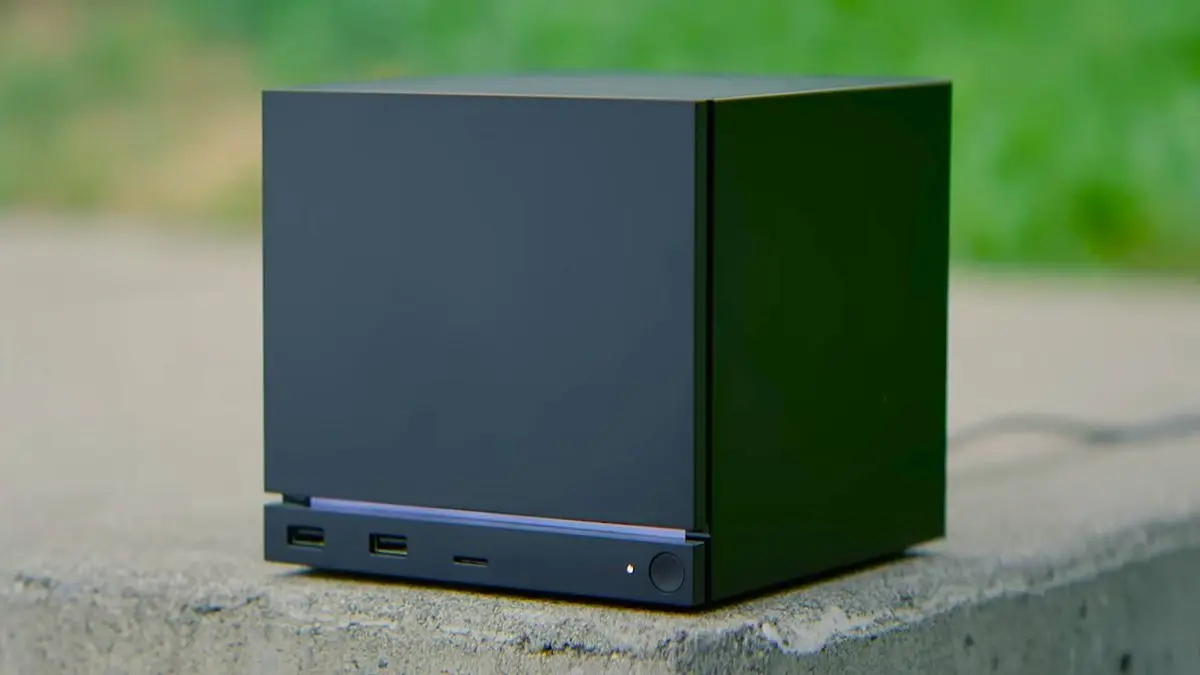
Source: GamesRadar
The gaming industry has become a visible casualty of these market dynamics. Valve's Steam Machine entry price jumped to $1,049, while Microsoft raised Xbox prices by $100-$150 depending on the model
2
. The PlayStation 5 Pro now reaches $900, and Nintendo Switch 2 prices increased by $502
. These gaming hardware price hikes reflect manufacturers passing memory and storage costs directly to consumers, as building custom PCs offers no affordable alternative.Laptop and smartphone makers have raised prices across the board, adjusting their memory orders due to cost pressure
1
. AMD warned during Computex 2026 that DDR5 prices won't normalize until 2028, an assessment that aligns with Micron's projections1
. Analysts predict next-generation consoles could debut with 50% higher price tags than current models, with $1,000 base models no longer out of the question2
. Sony and Microsoft may choose to delay new console launches into the 2030s rather than launch at prohibitive price points.SigmaIntel suggests the pace of DRAM price increases may moderate slightly in the second half of 2026, but this remains speculative given that AI memory demand shows no signs of softening
1
. For anyone building, upgrading, or purchasing consumer technology right now, elevated costs appear locked in for the foreseeable future.References
Summarized by

Navi
Recent Highlights
1
Trump administration asks OpenAI to delay GPT-5.6 release over security concerns
Policy and Regulation

2
Anthropic faces AI export ban as Mythos reportedly breached NSA systems in hours
Policy and Regulation

3
OpenAI and Broadcom unveil Jalapeño chip to power next-generation AI inference at scale
Technology

Recent Highlights
Today's Top Stories






Don’t drown in AI news. We cut through the noise - filtering, ranking and summarizing the most important AI news, breakthroughs and research daily. Follow topics that matter to you and stay ahead.


