Bernie Sanders proposes 50% public ownership in AI giants as Trump backs wealth-sharing plans


18 Sources
[1]
Donald Trump, Bernie Sanders and Sam Altman are all talking about public ownership in AI
WASHINGTON (AP) -- It was perhaps a surprising private overture from OpenAI CEO Sam Altman to Sen. Bernie Sanders. The meeting between the two had come just after the Vermont senator announced a plan for the public to take a 50% ownership stake in artificial intelligence companies such as OpenAI,
[2]
Bernie Sanders Continues to Be Only Democrat(ish) Lawmaker Willing to Govern on AI
Bernie Sanders might be 84 years old, but he sure acts more in touch with the general public's views on AI than most other lawmakers, including those in the party he caucuses with. In an op-ed published by the New York Times on Monday, the Independent Senator from Vermont called for the government
[3]
Bernie Sanders proposes giving Americans a 50% stake in AI giants
Bernie Sanders is asking a question that will likely define the next decade of AI policy. Senator Bernie Sanders has announced plans to introduce legislation that would give the American public a direct ownership stake in the country's largest artificial intelligence companies, arguing that the
[4]
'The time has come to reclaim what was stolen from us': Bernie Sanders wants the American public to own 50% stake in AI companies
* Bernie Sanders introduces American AI Sovereign Wealth Fund Act proposal * OpenAI, Anthropic, xAI and others could have to pay a one-time 50% tax (in shares) * Trump is also exploring ways to distribute wealth generated in the AI boom US Senator Bernie Sanders has unveiled plans to introduce
[5]

Bernie Sanders' AI sovereign wealth fund plan is good. But we think this is better | Nathan E Sanders and Bruce Schneier
While we do not outright oppose the taking of AI company stock, or of a US a sovereign wealth fund, there are better ways to achieve the senator's goals Let no one accuse Bernie Sanders of ducking the big questions. Writing in the New York Times last week, the senator asked: "Will the future of
[6]

Bernie Sanders AI bill would give public half of the AI industry
Vermont Senator Bernie Sanders announced today that he will introduce legislation to give the American public a direct ownership stake in the country's largest artificial intelligence companies. Writing in the New York Times, Sanders laid out the case for the American AI Sovereign Wealth Fund Act
[7]

Bernie Sanders and Sam Altman's private one-hour meeting about the public ownership of AI | Fortune
It was perhaps a surprising private overture from OpenAI CEO Sam Altman to Sen. Bernie Sanders. The meeting between the two had come just after the Vermont senator announced a plan for the public to take a 50% ownership stake in artificial intelligence companies such as OpenAI, using their stock
[8]

Bernie Sanders Announces Plan to Seize Half of AI Industry for the Public Good
Can't-miss innovations from the bleeding edge of science and tech The hype surrounding generative AI has generated astronomical amounts of value, with tech companies raising tens of billions of dollars and many -- including OpenAI and Anthropic -- preparing to go public this year at sky-high
[9]

Public ownership of AI? US officials eye stake in tech revolution
From Washington to Brussels, the fight over who controls artificial intelligence is reaching a turning point, and history suggests the public has always had to wrestle essential technology from completely private control. What do AI mogul Sam Altman, Democratic Party firebrand Bernie Sanders and
[10]

What AI nationalization could really look like
Senator Bernie Sanders wants the American public to own half of the country's largest AI companies. The senator said this week that he will soon introduce the American AI Sovereign Wealth Fund Act, which would create a public fund through a onetime 50% tax on the stock of major artificial
[11]
MAGA hates AI, but Trump agrees with Bernie it might be time for partial government ownership | Fortune
The strangest political convergence of 2026 just got stranger. Donald Trump said Friday that the U.S. government may take direct equity stakes in AI giants like OpenAI, Anthropic, and xAI -- essentially endorsing the populist logic that Sen. Bernie Sanders articulated just days earlier, and
[12]

Sanders and Trump Want AI Stakes for Different Reasons
As you've probably heard by now, a majority of Americans are pants-pissingly terrified about artificial intelligence and the havoc it may wreak on society. And while those concerns vary -- some people are worried about losing their jobs, others about what it will do to kids, yet others about the
[13]

Sanders: Give public 50 percent stake in AI companies
Sen. Bernie Sanders (I-Vt.) on Monday said that he will soon introduce a bill proposing to give the public a 50 percent stake in large artificial intelligence (AI) companies. In a nearly seven-minute video message, the progressive senator said that he will introduce the AI Sovereign Wealth Fund
[14]

'AI won't just moderate posts, it will curate reality': Former White House AI czar David Sacks warns against govt control of AI
David Sacks, chair of the President's Council of Advisors on Science and Technology and former White House AI and Crypto Czar, has criticized US Senator Bernie Sanders' proposal to give the public a 50 per cent ownership stake in major American AI companies, warning that government control of
[15]

Bernie Sanders Wants Americans To Own 50% Of OpenAI, xAI And Anthropic In Sweeping New Bill -- Here's What
Sen. Bernie Sanders (I-Vt) has proposed a bill aimed at granting the American public ownership in the nation's leading artificial intelligence (AI) companies. Sanders, on Monday, has put forth the American AI Sovereign Wealth Fund Act proposal. This proposed legislation would establish a federal
[16]

Both Left and Right in Washington Eye Public Equity Stakes in AI Companies | PYMNTS.com
Per CNBC's sources, Trump's interest in the idea originated in a conversation with OpenAI Ceo Sam Altman, who suggested the equity stake could be used to seed something like the Public Wealth Fund outlined in the company's Industrial Policy for the Intelligence Age proposal released in April. Money
[17]
Donald Trump, Bernie Sanders and Sam Altman are all talking about public ownership in AI
Trump has embraced government investment in private companies in his second term, scrambling his party's politics. His administration last year secured a 10 per cent stake in the struggling Silicon Valley company Intel, and it considered a government takeover of Spirit Airlines earlier this year,
[18]
Bernie Sanders Prepping Bill To Give the Public 50% Stakes in AI Companies | PYMNTS.com
Writing in an op-ed in the New York Times, Sanders said revenue produced by the stakes would be used to fund direct cash payments to Americans and eventually to support health care, education, housing and other public goods. "If passed, this legislation would... give the public a direct role in
Share
Copy Link
Senator Bernie Sanders unveiled legislation for a 50% ownership stake in AI companies through a one-time stock tax, creating a sovereign wealth fund. OpenAI CEO Sam Altman met with Sanders to discuss the concept, while President Trump expressed support for giving Americans a stake in AI's growth. The proposal addresses mounting public backlash over data centers and job displacement concerns.
Bernie Sanders Introduces American AI Sovereign Wealth Fund Act
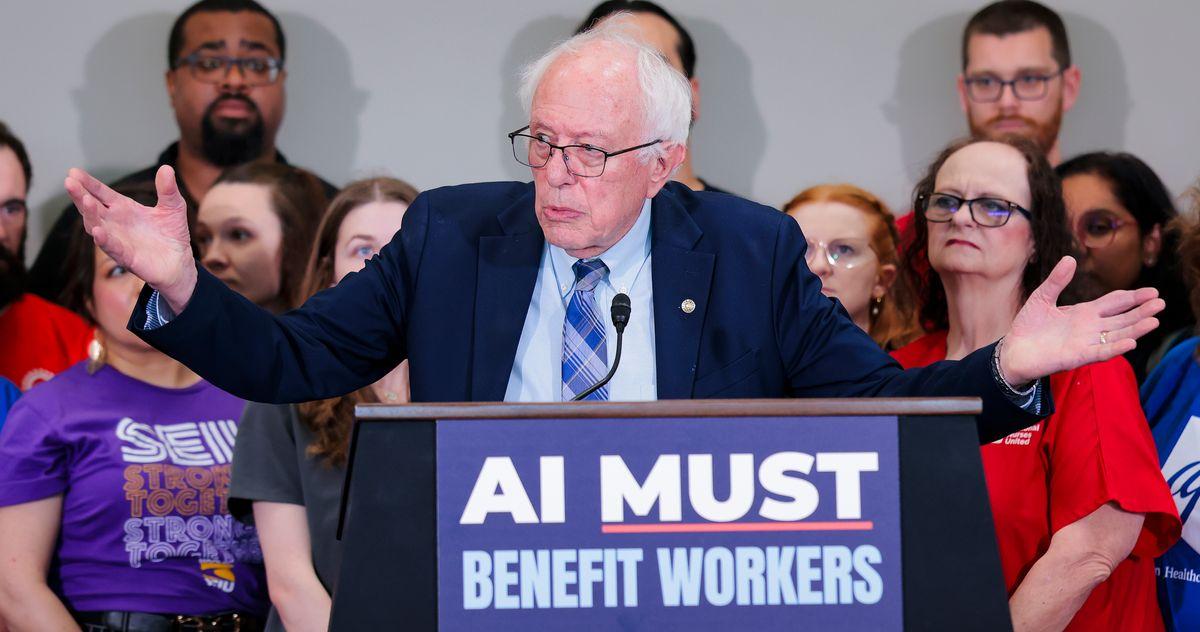
Bernie Sanders announced plans to introduce the American AI Sovereign Wealth Fund Act, legislation that would grant the American public a 50% ownership stake in AI companies including OpenAI, Anthropic, and xAI
1
2
. The proposal calls for a one-time stock tax of 50% on frontier AI labs, paid in company shares rather than cash, which would seed a sovereign wealth fund owned by the public3
. Sanders argues that since AI is built on humanity's collective knowledge, culture, and research, the economic benefits should be distributed broadly rather than concentrated among tech billionaires4
.
Source: NYMag
The Vermont senator's plan would provide the federal government with voting shares and mandatory representation on each company's board, enabling democratic control over AI development decisions deemed harmful to the public
2
. Future proceeds from the wealth fund could support direct payments to citizens and investments in healthcare, education, and housing, drawing inspiration from Norway's government pension fund and Alaska's Permanent Fund3
.Sam Altman Meets Sanders to Discuss Public Ownership in AI
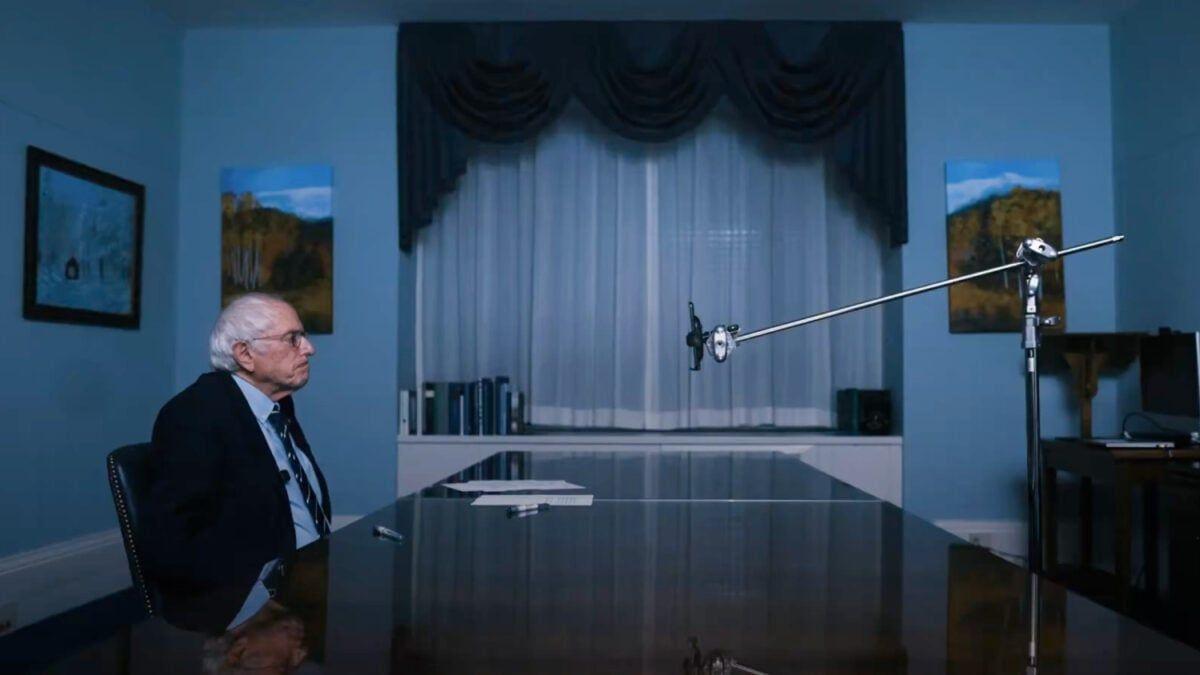
In a nearly hourlong meeting in Sanders' Senate office this week, OpenAI CEO Sam Altman expressed support for the general concept of public equity in AI companies, though he couldn't back the 50% threshold
1
. Altman requested the meeting and told Sanders he wanted to work together to advocate for giving the public a stake in AI development. The conversation highlighted the inherent tension between AI powerhouses and policymakers as Americans are increasingly asked to accept the costs of the AI boom without seeing direct benefits1
.
Source: Gizmodo
OpenAI has previously called for creating a public wealth fund that provides every citizen with a stake in AI-driven economic growth, while Anthropic has backed national sovereign wealth funds with stakes in AI
2
. Elon Musk has also discussed supporting universal high income via federal government checks as a way to address unemployment caused by AI3
.Donald Trump Explores Partnership Between AI Companies and American Public
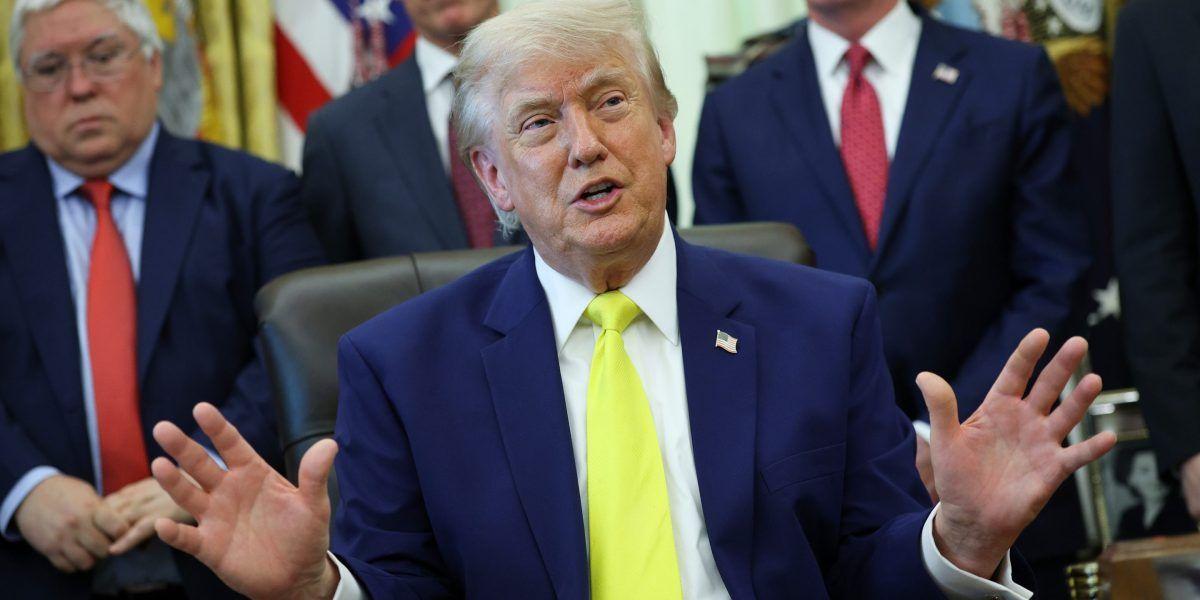
President Donald Trump expressed support for giving the public a stake in AI's growth, describing a potential partnership "where the American people can benefit from the success of AI" during remarks on Air Force One
1
. Trump said executives from leading AI companies will visit the White House "probably next week" to discuss the idea. When reporters noted similarities between his position and Sanders' proposal, Trump pointed out that the economic views of his voters and Sanders supporters "aren't that far apart"1
.
Source: Fortune
Trump has embraced government investment in private companies during his second term, securing a 10% stake in Intel and considering a government takeover of Spirit Airlines
1
. This positioning creates unusual political alignment between populist figures across the spectrum on distributing wealth from AI.Related Stories
Public Backlash Against Data Centers Intensifies Across States
Concerns about AI extend far beyond Washington, with data centers drawing opposition from residents worried about electricity demand, water consumption, and environmental impacts
1
. States once eager to attract these facilities, including Ohio and Virginia, have moved to reconsider tax incentives. Missouri Senator Josh Hawley called for legislation preventing further data center development until companies agree to pay for their own electricity, build their own grids, and cover water supply costs1
.In Michigan, Democrats clashed over Governor Gretchen Whitmer's appearance with Altman at a 1.65 million-square-foot data center site, with Representative Rashida Tlaib calling the project "disgusting"
1
. Michigan Senator Elissa Slotkin noted the grassroots pushback is "coming from the ground up" as people feel strongly about the issue. About 70% of college students see AI as a threat to their job prospects, according to a 2025 poll by the Institute of Politics at the Harvard Kennedy School1
.Experts Debate Alternative Approaches to Regulating AI Wealth
While Sanders' proposal addresses concentration of power among tech oligarchs, some experts suggest alternative approaches to achieving similar goals
5
. Critics warn that public ownership could entangle corporate profit with public interest, potentially incentivizing the government to clear regulations and suppress competition to maximize fund value. They point to Norway's sovereign wealth fund ownership in oil companies, which hasn't steered corporations toward pro-environmental policies5
.Some policymakers propose separating the goals of wealth distribution and democratic influence through taxation mechanisms like Senator Elizabeth Warren's excise tax on data centers' energy use or an AI token tax
5
. An AI Public Option has also been proposed, where governments establish publicly-developed AI models run by public institutions under democratic control without seizing private assets5
. The American AI Sovereign Wealth Fund Act faces uncertain prospects in Congress and would likely encounter strong opposition from AI companies, investors, and many lawmakers as one of the most aggressive government interventions ever proposed for the US technology sector3
.References
Summarized by

Navi
[3]
Related Stories
Sanders proposes 50% public ownership of AI firms as Trump backs government stake in US AI giants
19 Jun 2026•Policy and Regulation
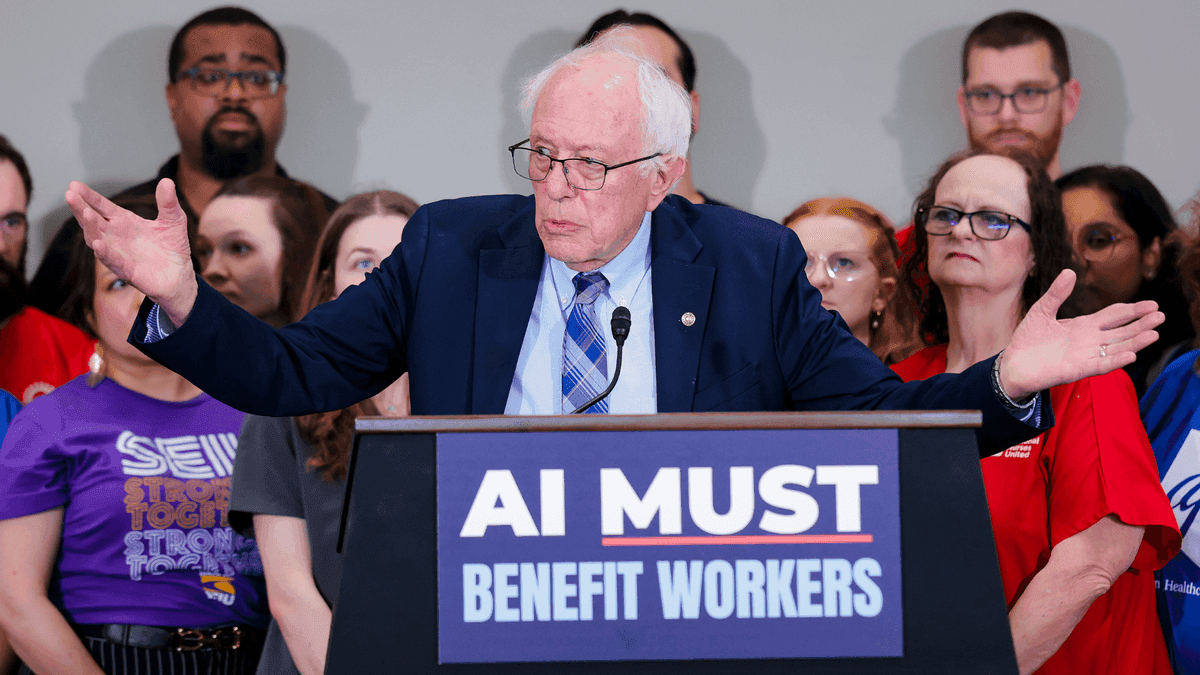
Bernie Sanders proposes $7 trillion AI fund to pay Americans $1,000 annually from tech profits
12 Jun 2026•Policy and Regulation

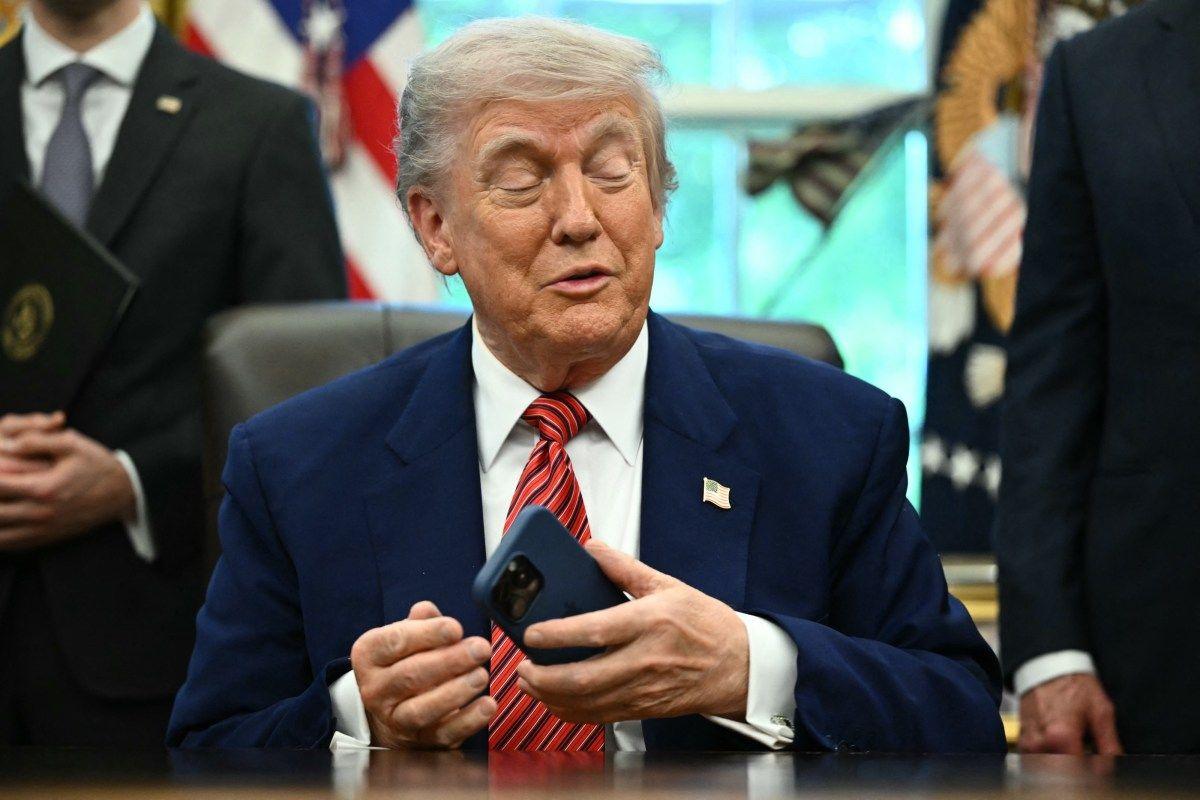
Trump Administration Eyes Equity Stake in OpenAI as Public Wealth Fund Takes Shape
05 Jun 2026•Policy and Regulation
Recent Highlights
1
Microsoft and Nvidia Launch Surface Laptop Ultra: A $2,599 AI-Ready PC With RTX Spark Chip
Technology

2
OpenAI Releases 722 AI-Generated Math Papers on GitHub, Igniting Fury Among Mathematicians
Science and Research

3
Trump Consulted Grok AI Before Ordering Venezuela Invasion and Capture of Nicolás Maduro
Policy and Regulation

Recent Highlights
Today's Top Stories









Don’t drown in AI news. We cut through the noise - filtering, ranking and summarizing the most important AI news, breakthroughs and research daily. Follow topics that matter to you and stay ahead.


