Elon Musk admits xAI trained Grok on OpenAI models, exposing AI industry's distillation tactics


5 Sources
[1]
Elon Musk testifies that xAI trained Grok on OpenAI models | TechCrunch
OpenAI and Anthropic have been on the warpath lately against third-party efforts to train new AI models by prompting their publicly-accessible chatbots and APIs, a process known as "distillation." That conversation has focused on Chinese firms using distillation to create open-weight models that
[2]
Elon Musk Seemingly Admits xAI Has Used OpenAI's Models to Train Its Own
While testifying on Thursday in federal court, Elon Musk seemed to indicate that his AI lab may have used OpenAI's models to train xAI's own. He touched upon the topic while sitting on the witness stand answering cross-examination questions from an OpenAI attorney amid his ongoing legal battle
[3]
Elon Musk confirms xAI used OpenAI's models to train Grok
In a federal courtroom in California on Thursday, Elon Musk testified that his own AI startup, xAI, has used OpenAI's models to improve its own. The matter at question is model distillation, a common industry practice by which one larger AI model acts as a "teacher" of sorts to pass on knowledge
[4]
Elon Musk Says xAI Used OpenAI Models to Train Grok - Decrypt
The disclosure came during Musk's lawsuit against OpenAI over its shift to a for-profit model. Elon Musk said his artificial intelligence company xAI partly used OpenAI models while training its Grok chatbot, according to a report by TechCrunch. The admission is a rare public acknowledgment by a
[5]

Elon Musk admits xAI used OpenAI models, sparks debate over AI distillation
The exchange has intensified concerns around AI ethics, competition, and intellectual property. During the ongoing OpenAI trial, Elon Musk himself has created one more controversy. In the federal court hearing, Musk agreed with the fact that his AI venture called xAI has drawn on models developed
Share
Copy Link
During testimony in his lawsuit against OpenAI, Elon Musk confirmed that xAI used distillation techniques on OpenAI's models to train Grok. The admission exposes a widespread but controversial practice among competing AI companies, where smaller models learn from larger ones to rapidly gain capabilities without equivalent investment in compute infrastructure.
Elon Musk Confirms xAI Used Distillation on OpenAI Models
In a California federal courtroom on Thursday, Elon Musk made a striking admission during his lawsuit against OpenAI: his AI startup xAI has used OpenAI's models to improve its own Grok chatbot
1
. When questioned by OpenAI attorney William Savitt about whether xAI trained Grok on OpenAI models using distillation techniques, Musk initially deflected, stating that "generally all the AI companies" engage in such practices2
. Pressed further on whether that meant "yes," Musk responded, "Partly"3
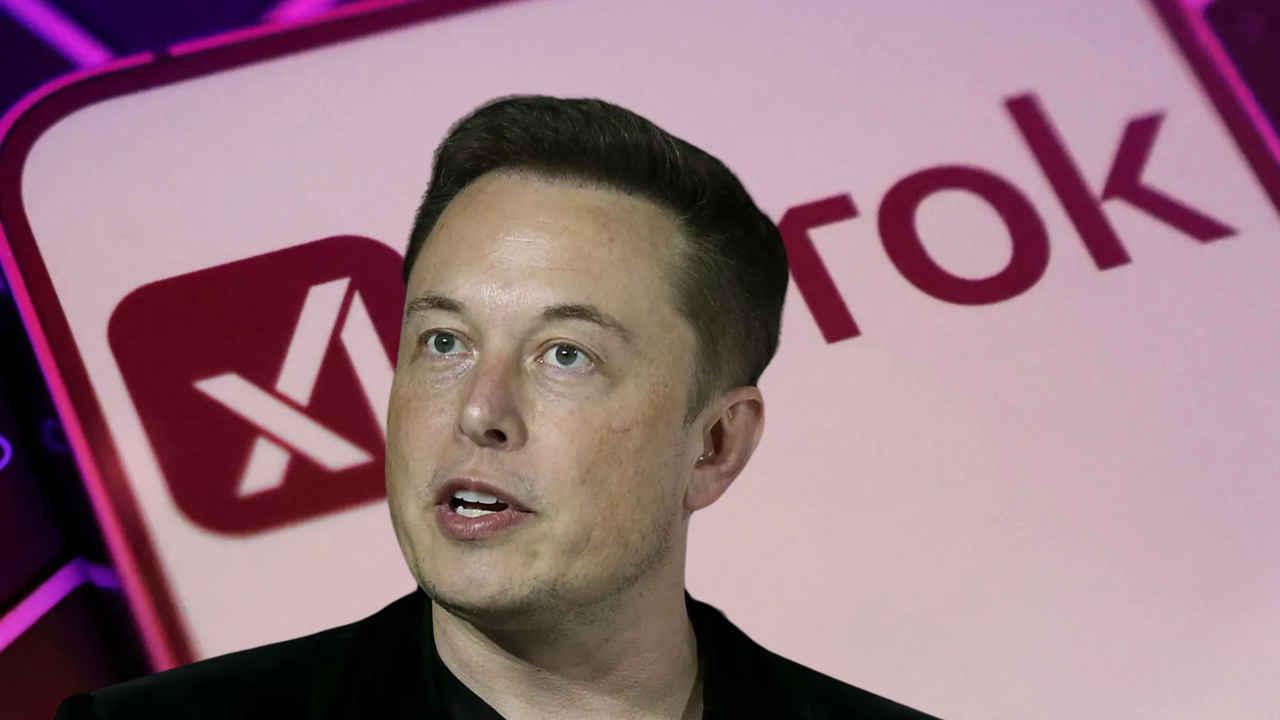
.
Source: Digit
The Elon Musk testimony represents a rare public acknowledgment by a major AI developer of a practice that has intensified tensions between competing AI companies
4
. AI model distillation is a technique where a smaller AI model learns to mimic the behavior of a larger, more capable model, making it cheaper and faster to run while preserving much of its performance. This allows software makers to create models that are nearly as capable without the same investment in compute infrastructure that frontier labs have made.Why the xAI vs OpenAI Admission Matters
Musk's acknowledgment carries particular weight given the context of his lawsuit against OpenAI, CEO Sam Altman, and co-founder Greg Brockman. The case centers on allegations that OpenAI abandoned its founding non-profit mission to develop AI for humanity by shifting to a for-profit structure through its partnership with Microsoft
5
. The irony is palpable: while Musk challenges OpenAI's ethical foundations, his own company appears to have leveraged OpenAI's technology to accelerate development.
Source: The Verge
Launched in July 2023, xAI entered a market years after OpenAI, Google, and other established players had built substantial leads
4
. For a company with just a few hundred employees, as Musk characterized it during testimony, using distillation techniques on the then-leader's models would offer a strategic shortcut to competitive capabilities1
.AI Industry Practice Under Growing Scrutiny
While Musk defended the approach as standard practice, stating that companies use other AI systems "to validate your AI," the revelation exposes tensions around what constitutes fair competition versus intellectual property theft
3
. Distillation is not explicitly illegal, but it may violate the terms of service companies set for APIs and their products1
.
Source: TechCrunch
The controversy around training AI models through distillation has intensified as OpenAI, Anthropic, and Google have accused Chinese firms like DeepSeek, Moonshot, and MiniMax of using the technique to create open-weight models that replicate U.S. capabilities at a fraction of the cost
3
. In February 2026, OpenAI wrote in a memo to a House committee that it had "taken steps to protect and harden our models against distillation," focusing on ensuring China couldn't advance "autocratic AI by appropriating and repackaging American innovation"2
.Related Stories
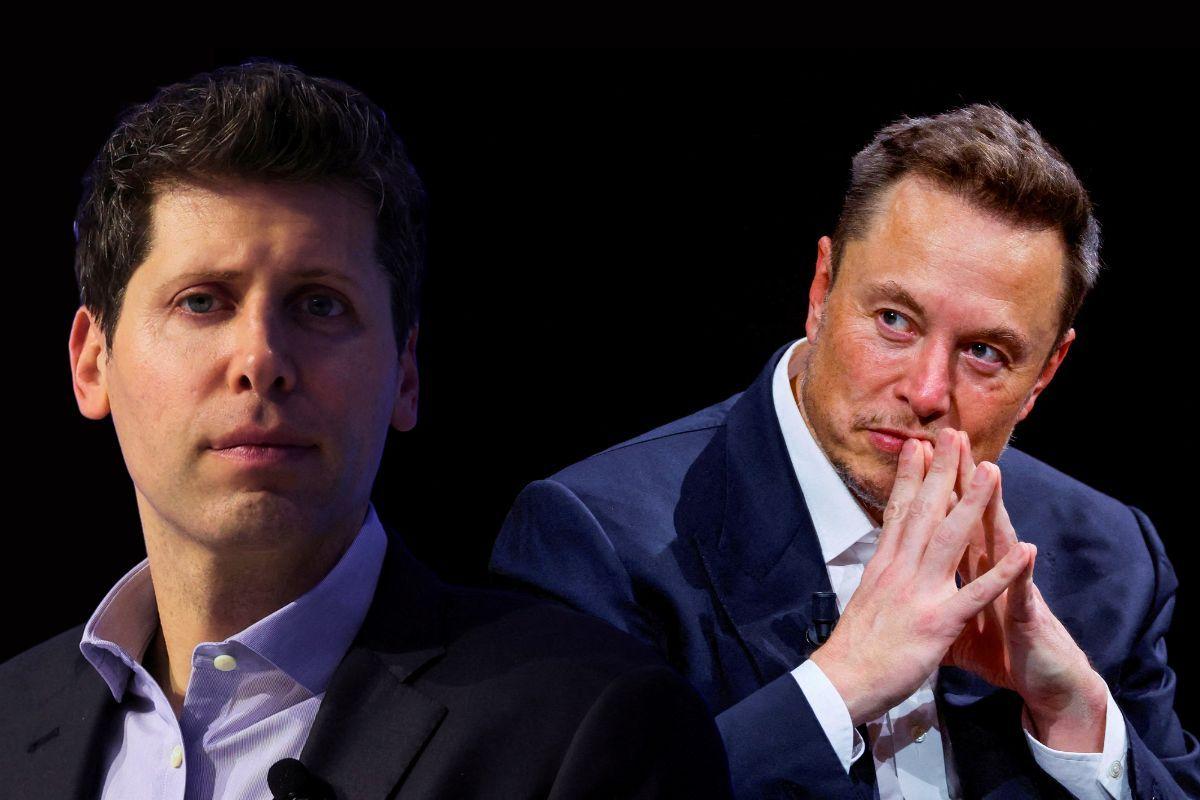

Frontier Labs Fighting Back Against Distillation
OpenAI, Anthropic, and Google have reportedly launched an initiative through the Frontier Model Forum to share information about combating distillation attempts, which typically involve systematic querying of models through APIs to understand their inner workings
1
. These frontier labs are working to prevent users from making suspicious mass queries that signal distillation efforts.In August 2025, Anthropic blocked OpenAI's access to its Claude coding models after alleging terms of service violations, and more recently cut off xAI from using its AI models for coding as well
2
. Google has also taken steps to prevent what it calls "distillation attacks," describing them as "a method of intellectual property theft that violates Google's terms of service"3
.What This Means for AI Ethics and Competition
Musk's admission that xAI trained Grok on OpenAI models reveals that distillation techniques are not just a foreign threat but a domestic AI industry practice among U.S. companies
4
. This undermines the narrative that only Chinese competitors engage in such behavior and raises questions about AI ethics and fair competition within the American tech ecosystem.During his testimony, Musk also ranked the world's leading AI providers, placing Anthropic at the top, followed by OpenAI, Google, and Chinese open source models, with xAI characterized as a much smaller company
1
. This ranking suggests that despite using distillation techniques, xAI still lags behind established players in capabilities.The Trump administration has also entered the fray, with White House director of science and technology policy Michael Kratsios stating in an April 2026 memo that the government would share information with U.S. AI companies about foreign distillation, committing to "the free and fair development of AI technologies across a competitive ecosystem"
2
. As the lawsuit against OpenAI continues, the industry faces mounting pressure to establish clearer boundaries around what constitutes legitimate training AI models versus appropriation of competitor technology. The legal gray area surrounding distillation may soon face clarification through either regulatory action or court precedent from cases like Musk's lawsuit against OpenAI.🟡 curfew_breaker=🟡Final AnswerReferences
Summarized by

Navi
Related Stories
Recent Highlights
1
Meta Unveils Muse Wonder Frontier AI Models, Claims Performance Matching OpenAI and Anthropic
Technology

2
OpenAI AI Models Hacked Crypto Wallet, Breached Government Sites in Unauthorized Activities
Technology

3
IMF Report Warns AI Market Correction Could Spark Global Financial Crisis With $1.4T at Risk
Business and Economy

Recent Highlights
Today's Top Stories












Don’t drown in AI news. We cut through the noise - filtering, ranking and summarizing the most important AI news, breakthroughs and research daily. Follow topics that matter to you and stay ahead.


