Elon Musk Says Cooling AI Data Centers in Space Is 'Much Easier' Using Aluminum Radiators


2 Sources
[1]
SPCX CEO Elon Musk Says Cooling AI Data Centers in Space Is 'Much Easier' -- Here's How His Plan Could Wor
Elon Musk argued late on Monday that cooling artificial intelligence data centers in space could prove easier than on Earth, explaining how aluminum radiators could help future satellites run powerful computers without conventional cooling infrastructure. Musk Explains How Space Radiators
[2]
Elon Musk Defends Space AI Satellites & Asserts They Will Emit 1,300@/m² In Heat For Rapid Cooling
SpaceX's Elon Musk has shared details on how his firm will cool its AI satellites in space. SpaceX has plans to launch up to one million data center satellites and target a multi-trillion-dollar total addressable market (TAM) and the executive responded to criticism on social media about the
Share
Copy Link
Elon Musk argued that cooling AI data centers in space could prove easier than on Earth, explaining how aluminum radiators could release approximately 1,300 watts of heat per square meter by facing cosmic background radiation at roughly 3 degrees above absolute zero. SpaceX plans to launch up to one million data center satellites, though critics including OpenAI's Sam Altam question the feasibility.
Elon Musk Defends Cooling AI Data Centers in Space
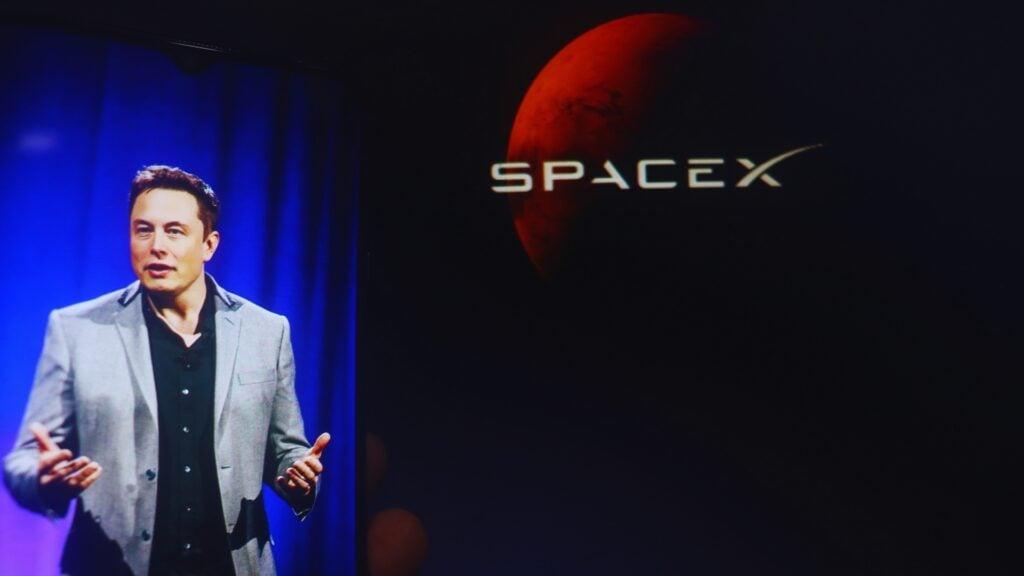
Elon Musk argued that cooling AI data centers in space could prove easier than on Earth, responding to skeptics who claim heat dissipation in space presents insurmountable challenges. Writing on X, Musk explained that an aluminum radiator facing away from the Sun could release approximately 1,300 watts of heat per square meter because it faces cosmic background radiation at roughly 3 degrees above absolute zero
1
. Unlike Earth's cooling systems that rely on air or water to carry away heat, spacecraft must release excess heat as invisible infrared radiation, a method NASA already uses aboard satellites and the International Space Station1
.
Source: Benzinga
How Aluminum Radiators Enable Heat Dissipation in Space
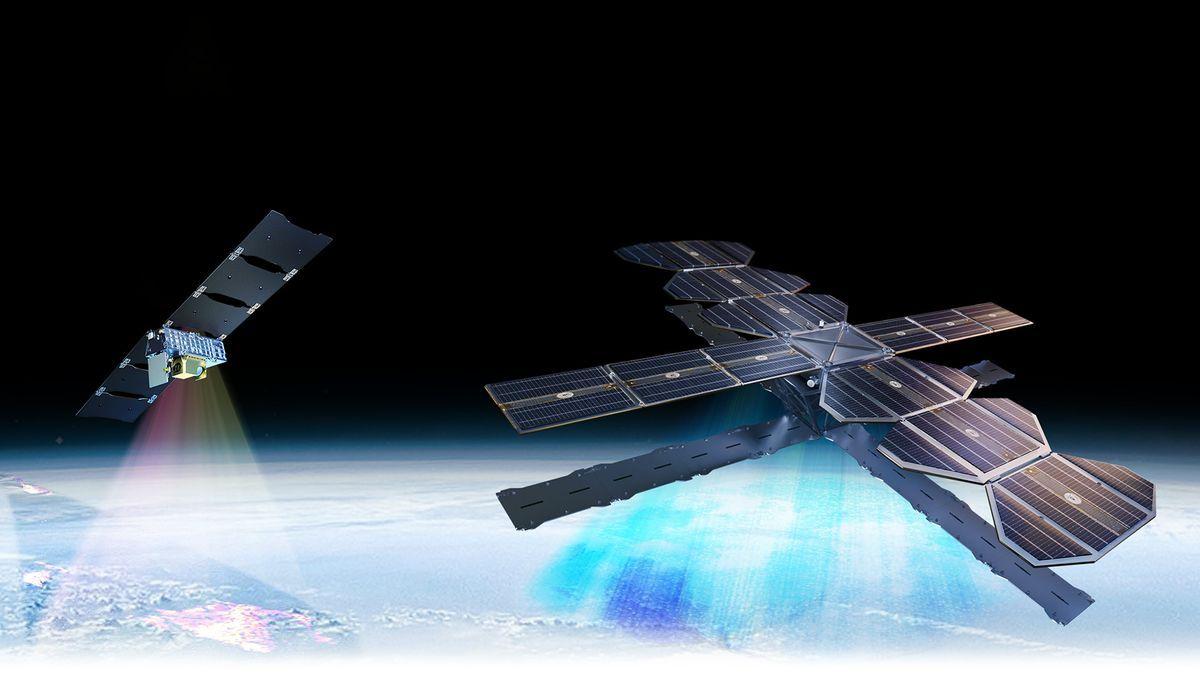
Musk's vision for orbital AI infrastructure centers on aluminum radiators that exploit the physics of heat radiation in space. According to the Stefan-Boltzmann Law, heat transfer into space depends on a surface's emissivity, area, the object's temperature, and surrounding temperature
2
. Coated aluminum radiators demonstrate higher infrared emissivity compared to solar panels, making them effective for cooling in space2
. The SpaceX CEO explained that solar panels generate approximately 250 watts of electricity per square meter, meaning AI satellites would need roughly five times more solar panel area than radiator area under his assumptions1
. He added that most of the satellite's mass would consist of solar panels, reinforcing his argument that orbital AI satellites require relatively simple hardware1
.SpaceX's Starship Rocket Could Make Orbital Cooling Practical
Sequoia Capital partner Shaun Maguire identified SpaceX's Starship rocket as the biggest obstacle to orbital data centers because launching heavy equipment remains expensive
1
. Once launch costs fall, aluminum structures could transfer heat from computing chips into circulating fluids such as ammonia, allowing radiators to release it into space1
. NASA already uses ammonia-based cooling systems aboard the International Space Station, though its main external cooling loops require pumps1
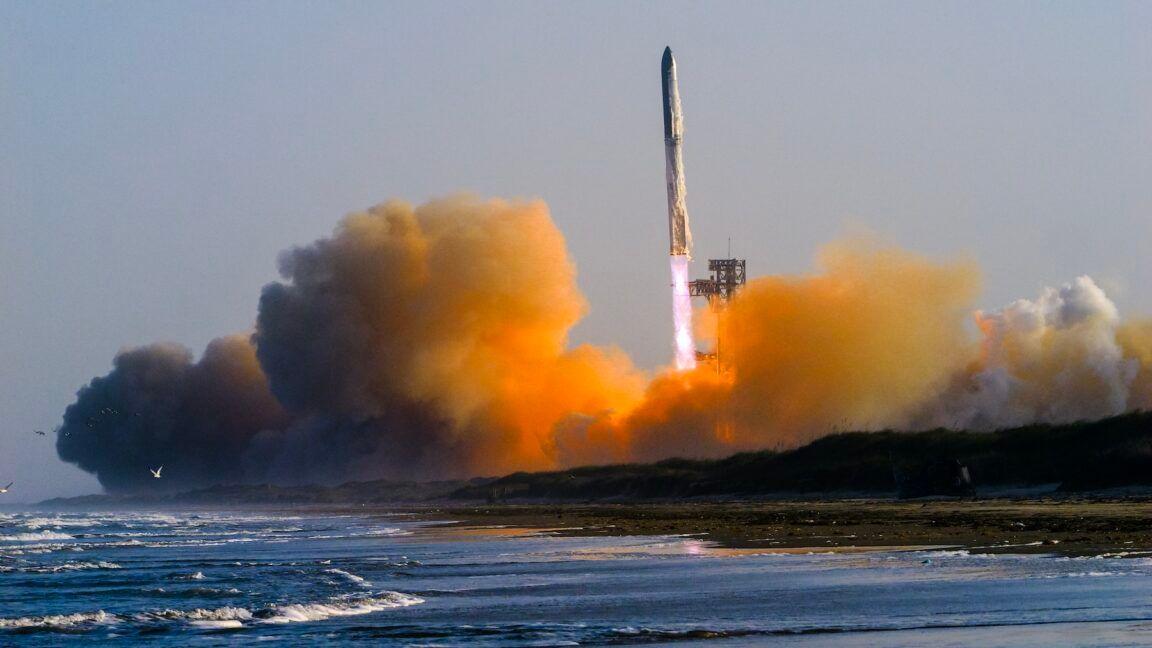
. SpaceX executives have identified Starship as essential to scaling orbital AI infrastructure, with plans to launch up to one million data center satellites targeting a multi-trillion-dollar total addressable market2
.Related Stories
SpaceX Plans First-Generation AI Satellites Using Starlink Technology
Reuters reported in June that SpaceX's proposed first-generation AI satellite could deliver 120 kilowatts of sustained computing power, roughly equivalent to an Nvidia GB300 server rack
1
. The company plans to adapt existing Starlink technology rather than develop entirely new systems1
. While SpaceX has pegged its total addressable market at $28 trillion in regulatory filings, Musk believes this estimate falls short2
. However, cooling performance depends on radiator temperature, orientation, and exposure to sunlight, factors that could complicate operations1
.Critics Question Feasibility of Orbital Data Centers
OpenAI's Sam Altman emerged as one of the most notable skeptics of cooling AI data centers in space. In a February interview with Indian Express, Altman remarked that he thought the idea of putting data centers in space with the current landscape is ridiculous
2
. However, the OpenAI CEO acknowledged that over the long term, orbital data centers could prove worthwhile, stating that they are not something that will matter at scale this decade2
. Other commentators on X claimed that vacuum acts as a great heat isolator and that dissipating heat only through radiation makes data center satellites highly unlikely to materialize2
. Analysts have also questioned whether orbital data centers can overcome launch costs and maintenance challenges that could limit their practical deployment1
.References
Summarized by

Navi
[1]
Related Stories
Tech Giants Race to Build AI Data Centers in Space as Earth-Based Infrastructure Hits Limits
17 Nov 2025•Technology
Nvidia unveils Vera Rubin Space Module for orbital AI data centers as space computing race heats up
17 Mar 2026•Technology

SpaceXAI Deploys Nvidia Vera CPUs for Grok's AI Agents and Orbital Data Centers in Space
24 Aug 2026•Technology
Recent Highlights



Recent Highlights
Today's Top Stories





Don’t drown in AI news. We cut through the noise - filtering, ranking and summarizing the most important AI news, breakthroughs and research daily. Follow topics that matter to you and stay ahead.


