EU Introduces Energy Rating for Data Centres as AI Infrastructure Growth Strains Power Grids


2 Sources
[1]
EU proposes energy rating for data centres
Brussels (Belgium) (AFP) - Data centres in Europe will be rated on energy and water consumption under an EU proposal put forward Monday to pre-empt possible public discontent as the bloc pushes to boost its computing capacity. The European Union is aiming to triple its data centre capacity over
[2]
EU moves to curb data centre energy and water use
The European Commission has unveiled new sustainability rules aimed at monitoring water and energy consumption of energy-hungry data centres - although minimum performance rules will only be introduced in 2027. The European Union is writing the sustainability rulebook for AI's power-hungry future,
Share
Copy Link
The European Commission has introduced sustainability rules requiring EU data centres above 500 kW to display energy and water consumption ratings. The move addresses growing concerns as the bloc plans to triple data centre capacity by 2035 while electricity demand from these facilities is projected to reach 3.2% of total EU consumption by 2030.
EU Tackles Data Centre Energy Crisis with New Rating System
The European Commission unveiled sustainability rules on Monday requiring EU data centres with more than 500 kW of installed capacity to receive an electronic sustainability label
1
2
. The energy rating system for data centres mirrors the familiar A-to-G colored scale used for home appliances, where A/Green represents the most efficient facilities and G/red indicates the least efficient operations. This initiative directly addresses mounting pressure on electricity grids as the bloc pursues ambitious plans to triple its data centre capacity over the next seven years to compete with the United States and China on artificial intelligence.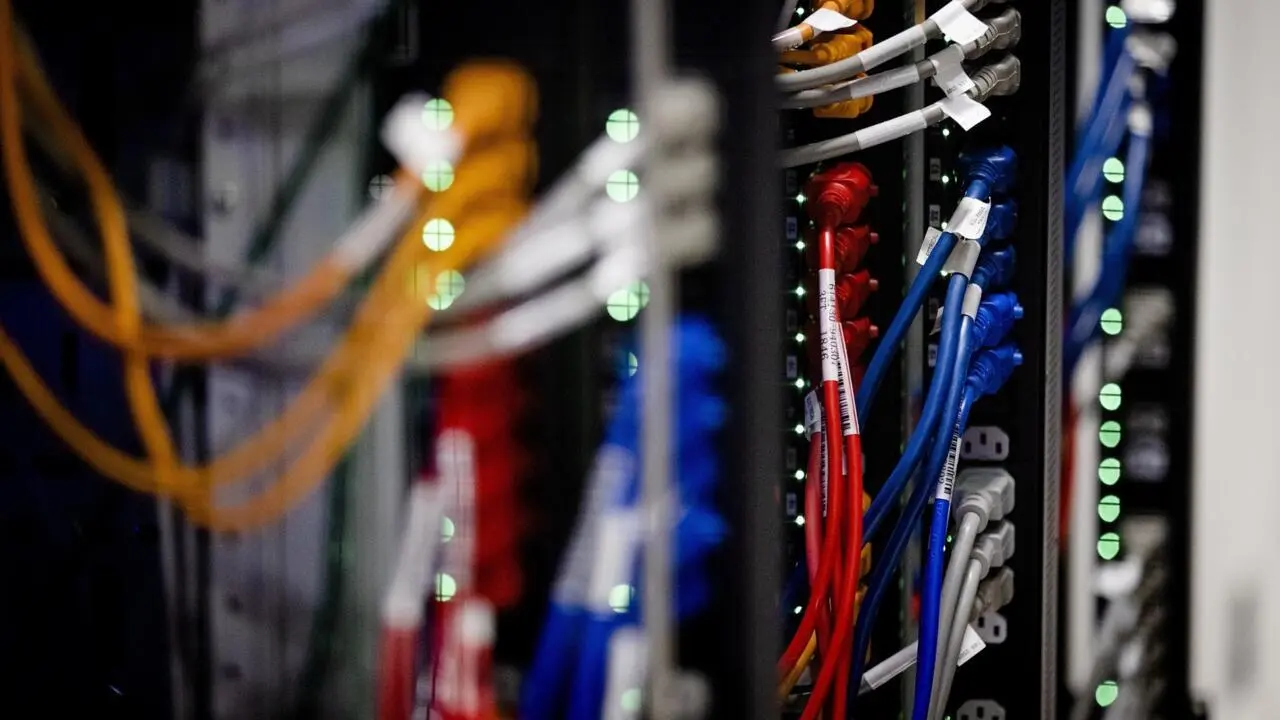
Source: France 24
Growing Electricity Demand Drives Regulatory Action
Data centre energy and water use has become a critical concern as these facilities consumed 68 terawatt-hours of electricity across Europe in 2024
2
. The European Commission projects this figure will surge to 114 TWh by 2030, accounting for 3.2% of all electricity in the bloc, up from the current 2.5%. The International Energy Agency estimates the fast-expanding sector will account for more than three percent of overall electricity demand in the EU by 20301
. "Tripling our data centre capacity cannot mean tripling the pressure on our grids, our water and our energy bills," said European Commission vice president for clean transition Teresa Ribera.Rating Scheme Rewards Sustainable Practices
The sustainability rules evaluate facilities on multiple dimensions beyond basic consumption metrics. The rating will account for data centres' contribution to the grid, including waste heat reuse and the addition of clean energy generation capacities
1
. Labels will be automatically generated based on companies' reporting and accessible through an EU database, with the first ratings expected to appear in 2027. "Efficient, flexible, powered by additional clean energy and reusing waste heat, this is how data centres become an asset for EU's energy transition," Ribera added. Brussels is examining whether these facilities could supply waste heat to as many as four million European homes2
.Minimum Performance Standards Delayed Until 2027
While the electronic sustainability label takes effect immediately for qualifying facilities, the European Commission is stopping short of imposing hard ceilings on consumption. Minimum performance standards establishing a floor to prevent new facilities from being built below certain efficiency thresholds will only be announced in 2027
2
. This delay creates space for AI infrastructure growth while giving industry time to adapt. Despite mandatory reporting requirements for data centres above 500 kW being in place since 2023, compliance remains incomplete, with preliminary results indicating the bloc is "hitting the 50% mark easily" in the third year of implementation.Related Stories

Big Tech Influence Raises Transparency Concerns
The regulatory development has attracted scrutiny over Big Tech involvement in shaping the rules. Microsoft submitted feedback to Germany's federal government in July 2026 supporting clean power and efficiency indicators while specifically seeking changes to proposed water-efficiency bands
2
. Bram Vranken, a researcher at Corporate Europe Observatory, criticized the environmental impact assessment process, noting that confidentiality clauses could make it "impossible to check" much of the label information. He warned that a facility scoring high on energy efficiency might consume an undisclosed gigawatt of power without proper disclosure.Balancing AI Ambitions with Energy Constraints
The sustainability rules highlight the tension between rapidly expanding infrastructure needed for cloud computing and AI while regulating the US technology companies expected to provide much of it. Data centre construction has sparked backlash across the United States, with local residents complaining about power-hungry AI engines driving up electricity costs
1
. The EU's slower AI development stems partly from already-high energy costs weighing on European businesses and families. EU energy commissioner Dan Jorgensen emphasized that "understanding their energy and resource consumption is the essential first step towards integrating them sustainably into our energy system." The Commission is also exploring how data centres could provide energy flexibility to the grid, potentially becoming active participants in the electricity system.References
Summarized by

Navi
[1]
Related Stories
EU asks households to cut electricity use as AI data centres strain power grids nationwide
03 Jun 2026•Policy and Regulation
Europe's Data Center Power Demand Set to Triple by 2030, Driven by AI Adoption
24 Oct 2024•Technology

Google and Amazon report record energy use as AI data centers challenge climate goals
01 Jul 2026•Business and Economy
Recent Highlights
1
Meta Unveils Muse Wonder Frontier AI Models, Claims Performance Matching OpenAI and Anthropic
Technology

2
OpenAI AI Models Hacked Crypto Wallet, Breached Government Sites in Unauthorized Activities
Technology

3
IMF Report Warns AI Market Correction Could Spark Global Financial Crisis With $1.4T at Risk
Business and Economy

Recent Highlights
Today's Top Stories







Don’t drown in AI news. We cut through the noise - filtering, ranking and summarizing the most important AI news, breakthroughs and research daily. Follow topics that matter to you and stay ahead.


