Gemini Spark Gets Chrome Integration to Automate Web Tasks Using Your Saved Passwords


5 Sources
[1]
Google Gemini's Agentic AI Tool Comes to Chrome, Can Use Your Passwords
Google's Spark agentic AI tool rolled out to its AI Pro subscription tier last week, and it's now ready to use in your Chrome web browser. Spark lets Gemini use your connected passwords and leverage your direct logins to reduce friction and get further through processes that require an account,
[2]
Gemini Spark now has Chrome web-browsing capabilities - Engadget
Google's AI assistant can "use your logged-in accounts and saved passwords to handle tedious web errands." Google's agentic AI assistant Spark can now integrate with the company's Chrome web browser. Once logged in to Chrome, Spark "can use your logged-in accounts and saved passwords to handle
[3]
Gemini Spark now works with Chrome, because giving your accounts to AI is a good idea
Web automation is rolling out in the US, while Spark is expanding to Google AI Pro users in 160+ additional countries. We've all had those days where a quick online task somehow eats up half an hour. You open five tabs in Chrome to compare flights, jump between apartment listings, fill out the
[4]
I tried Gemini Spark in Chrome and it's the perfect AI for handling all the boring bits online
As soon as I heard that Gemini Spark was now part of the Chrome browser I had to try it for myself. Gemini Spark is an AI agent designed to take on longer-running tasks that continue in the background. It's much smoother now thanks to an update that incorporates the platform directly into Google's
[5]

Gemini Spark can now use Chrome logins and saved passwords to run errands on your behalf
Gemini Spark can use Chrome's auto browse feature to navigate websites and complete online tasks Google is integrating Gemini Spark with Chrome so it can carry web-based tasks further without users having to take over at every step. The search giant is also expanding access to AI Pro subscribers
Share
Copy Link
Google rolled out Chrome integration for Gemini Spark, its agentic AI tool that can now use saved passwords to automate repetitive web tasks. Available to Google AI Pro subscribers at $20-per-month in the US, the feature handles multi-step tasks like flight bookings and apartment scheduling while maintaining user control over sensitive actions like payments.
Google has integrated Gemini Spark with Chrome, transforming how the AI agent handles web-based tasks by tapping into your browser's saved passwords and logged-in accounts. The update rolled out to Google AI Pro subscribers in the US last week, marking a significant expansion of what agentic AI tools can accomplish without constant human intervention.
1
How Gemini Spark in Chrome Works
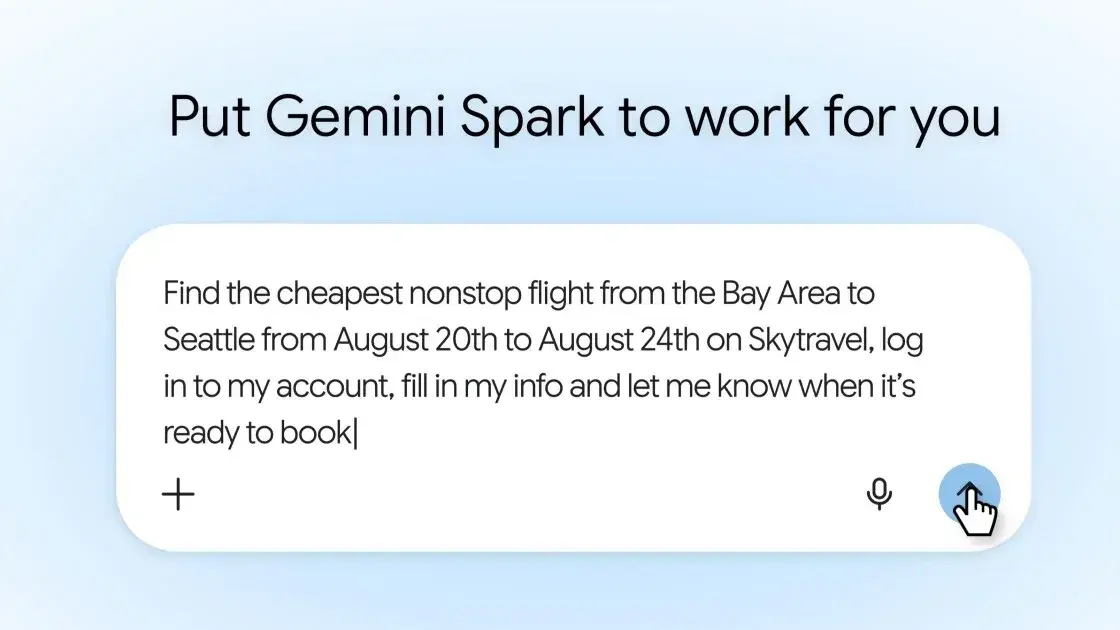
The Chrome integration enables Gemini Spark to navigate websites using your existing credentials, eliminating user friction across multi-step tasks that previously required manual input at every stage. After you grant permission, the AI agent accesses Chrome's auto-browse feature to move between pages, fill forms, and complete several steps independently.
5
When you ask Spark to find the cheapest nonstop flights, for example, it logs into your travel account using saved passwords, compares options across routes, fills in personal details, and notifies you when ready to finalize the booking.1
The system maintains user control by handing sensitive actions like payments back to you for approval before proceeding.
Source: Engadget
Chrome Web-Browsing Capabilities in Action
Real-world testing reveals how Gemini Spark handles repetitive web tasks that typically consume significant time. One user asked Spark to compare prices for a 65-inch television across Amazon, Best Buy, Costco, and Walmart, search for promo codes, calculate final discounted prices, and prepare for checkout.
4
The agentic AI tool navigated between retailers, evaluated options, added the best deal to cart, then stopped before completing the purchase. Another test involved planning a family outing for two adults and two toddlers—Spark compared museum hours, checked travel times, built a logical schedule, found restaurants with availability, reserved a table, and prepared ticket purchases for final approval.4
Security Concerns and Privacy Trade-Offs
Allowing an AI agent to use saved passwords raises legitimate security concerns about what happens through your accounts without direct oversight. Google acknowledges these privacy trade-offs and has implemented protections against prompt injection attacks, where malicious websites or user-generated content include hidden instructions that trick AI into unauthorized actions like initiating financial transactions or stealing sensitive data.
2
The company describes "investing in a layered defense that includes both deterministic and probabilistic defenses to make it difficult and costly for attackers to cause harm," though concrete details about these safeguards remain limited.2
Opening personal accounts to automate online tasks means trusting the AI with a substantial portion of your digital life—passwords, payment methods, browsing history, and logged-in sessions.3
Accessing Gemini Spark Chrome Integration
To use the Chrome integration, you need the latest Chrome version on Windows or macOS, a personal Google account, and either a Google AI Pro subscription at $20-per-month or AI Ultra tier at $100-per-month.
1
Set Safe Browsing to Standard or Enhanced Protection, then enable "Let Gemini browse for you" in Chrome's AI Innovations settings.4
The first time you assign a task requiring browser access, Chrome requests permission to connect with Spark. The feature is currently rolling out in the US, with broader regional expansion planned.5
Source: PC Magazine
Related Stories

Expanding Access and Third-Party Integrations
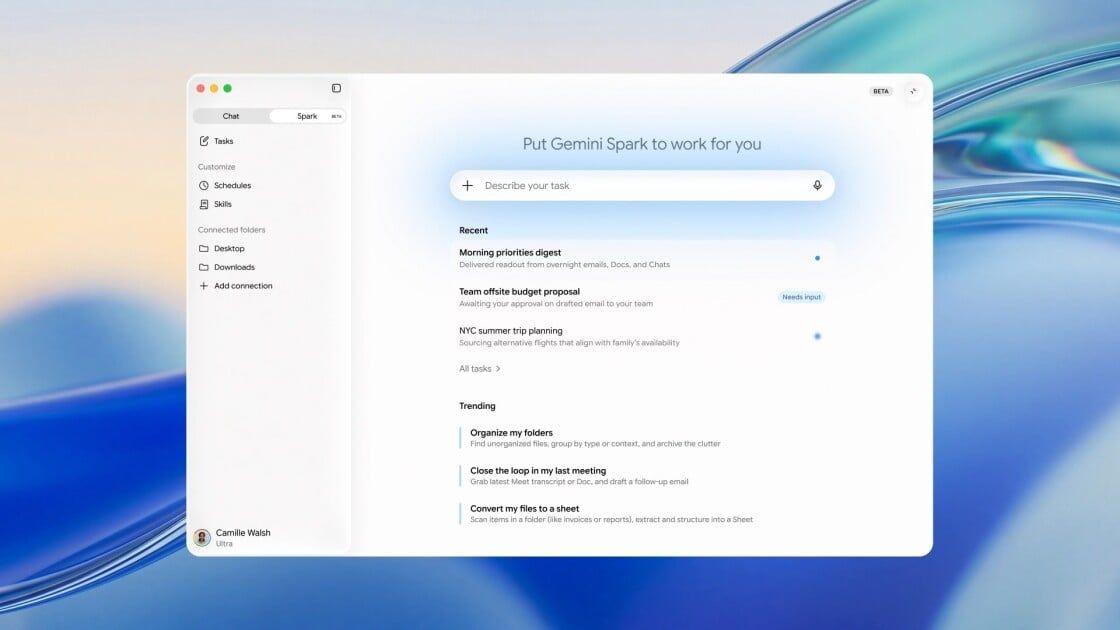
Google simultaneously expanded Gemini Spark access to Google AI Pro subscribers in over 160 countries, significantly broadening the user base beyond the initial Ultra-only availability.
3
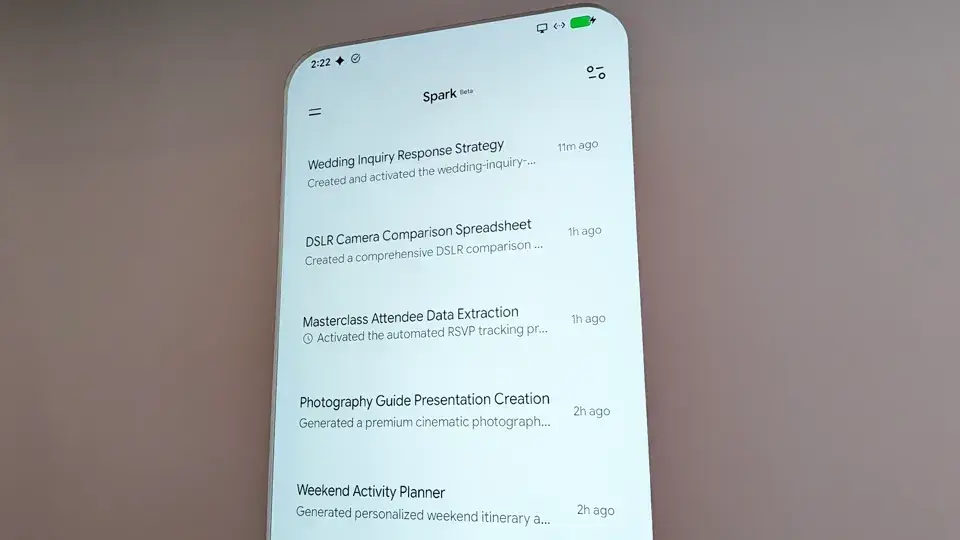
Spark launched at Google I/O in May as a cloud-based agent continuing work after devices close, initially focusing on Gmail, Drive, Docs, Calendar, Keep, and Tasks before adding third-party integrations.5
The Chrome integration removes a major limitation by extending capabilities beyond connected apps to any website requiring navigation.What This Means for AI Automation
This development signals a shift toward AI agents handling increasingly complex workflows with minimal supervision. The convenience of automating booking flights, scheduling apartment viewings, filling paperwork, and comparison shopping comes with questions about how much digital autonomy users feel comfortable delegating.
2
Watch how Google refines security protections as usage scales, whether competitors introduce similar capabilities, and how users balance time savings against potential risks. The technology's success depends on building trust that Gemini Spark can reliably handle sensitive credentials while maintaining appropriate boundaries around financial transactions and personal data.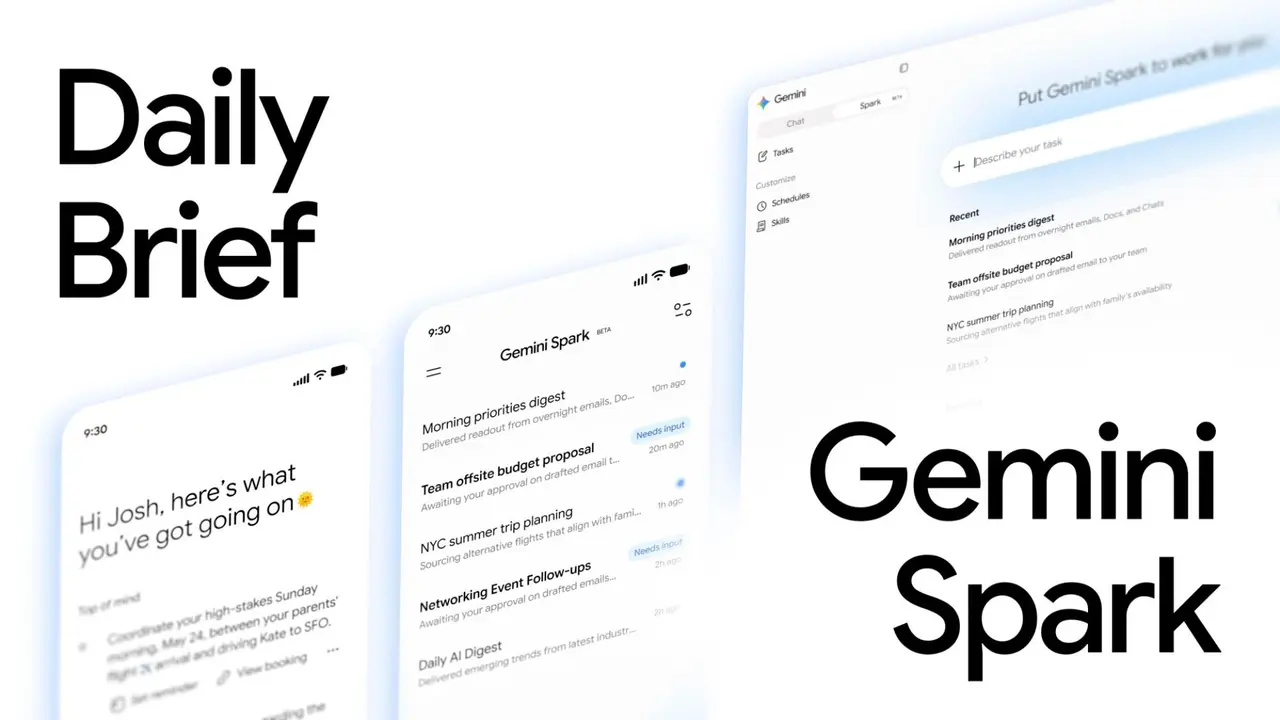
Source: Android Authority
References
Summarized by

Navi
[3]
[4]
Related Stories
Google expands Gemini Spark to AI Pro subscribers as always-on AI agent gains Chrome integration
24 Jul 2026•Technology
Google rolls out Gemini Spark, a 24/7 AI agent that handles tasks while your devices are off
23 May 2026•Technology

Google launches Gemini Spark, an agentic AI tool that works 24/7 even when devices are off
03 Jun 2026•Technology
Recent Highlights



Recent Highlights
Today's Top Stories





Don’t drown in AI news. We cut through the noise - filtering, ranking and summarizing the most important AI news, breakthroughs and research daily. Follow topics that matter to you and stay ahead.


