4 Sources
[1]
George Lucas Is Pro AI, Which Shouldn't Be a Surprise
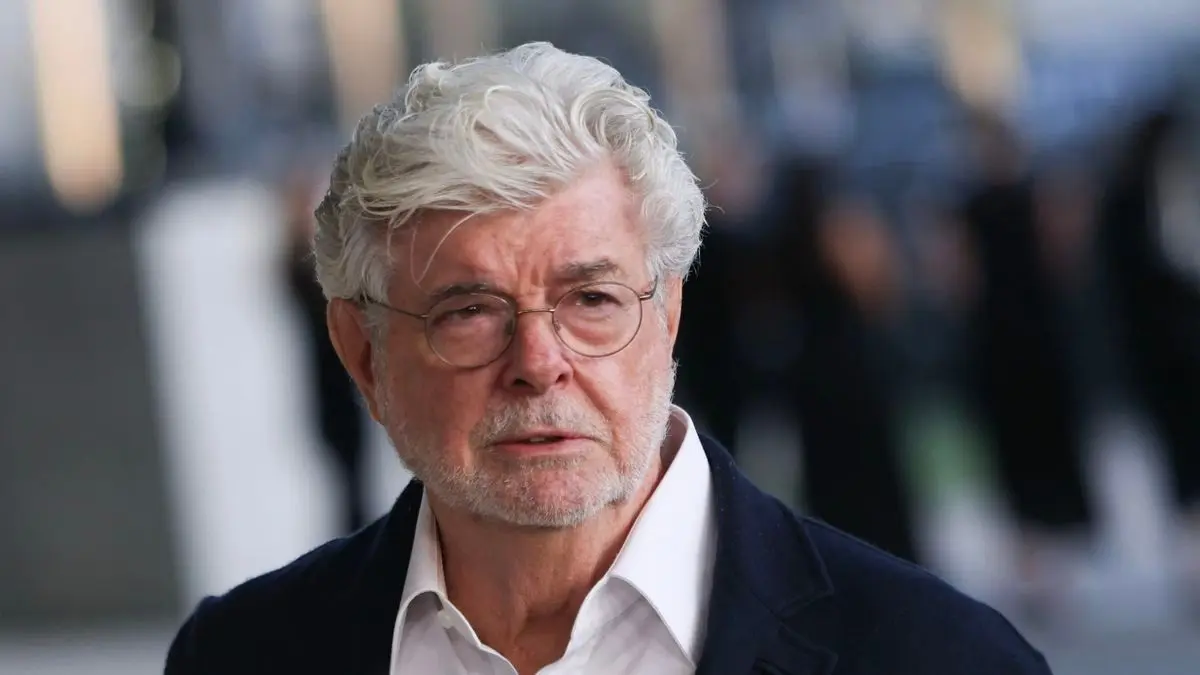
George Lucas never looks backwards. When he didn't know how to make a shot he wanted in Star Wars, he invented the technology to do it. When he had a vision for the Star Wars prequels, he waited until technology caught up before he brought it to life. And when he and his team wrote scripts for a live-action Star Wars show, but the technology couldn't sustain it, it simply never happened. George Lucas has always embraced technology and looked toward the future. So the fact that he has an optimistic view on the use of artificial intelligence shouldn't be that big of a surprise. Whether he fully understands its implications, though? That's another question. Speaking to A Rabbit's Foot to promote the upcoming opening of the Lucas Museum of Narrative Art, the Star Wars creator explained his thoughts on AI. "Artificial intelligence means it's much easier for us to make movies," Lucas said. "It's very much like sitting here saying, 'Well, I believe the horse and the buggy is really where it's at. These cars, they break down, they need gas, there's all kinds of problems with them, and pretty soon they'll be making them into tanks, and then they'll be killing people. It's terrible.' There's nothing you can do about it. That's progress. It's the future." "If you want AI that tells you when something is fake and where it came from, AI can do that," Lucas continued. "Humans can't. We're not that smart. The whole idea is you're a human being, you're responsible for what you say and what you do, and if you're doing something that's illegal, you should be punished for that. Whatever you do, you should be recognized. It's just like real life." Now, on the one hand, obviously, it's a little disappointing to hear one of your heroes talk positively about something you may not like. But George Lucas doesn't care what people think. In the same interview, he rips on the test screening process and talks about how he views the creation of art. "I don't like focus groups," Lucas said. "The audience doesn't know what they want to see. If they don't like a character, that's interesting, and as a filmmaker I want to find out why. But when the studios hear that, they take the wrong message. They let the audience actually make the movie. Of course, now they go crazy with that. Now, it's all about what the fans think. That isn't how you make the movie. You make a movie by finding someone that knows how to make movies, that has a story to tell and is passionate about it." Basically, Lucas wants creators to be responsible and capable. Like he was when he created Industrial Light and Magic, which all but pioneered the modern use of computers in cinema. Digital effects, computer animation -- so much of it has its roots at ILM and through Lucas. The difference, of course, is that humans are the ones using those computers, and AI takes that out of humans' hands. So it's really no surprise that Lucas looks at what most people assume is the next giant leap in technology and hopes for the best. It's what he does, and it's served him well. We just aren't sure if his worldview in 2026 matches up with the people of 2026. Can modern filmmakers be trusted to be as responsible as Lucas wants? Do they have the same work ethic and morals? We guess we'll have to wait and see. Want more io9 news? Check out when to expect the latest Marvel, Star Wars, and Star Trek releases, what's next for the DC Universe on film and TV, and everything you need to know about the future of Doctor Who.
[2]
George Lucas says rejecting AI is like rejecting cars in favour of horses: 'There's nothing you can do about it... it's the future'
Just over a year after Lucasfilm, the production company bearing his name, declared creative bankruptcy with a risible display of AI-generated 'aliens,' George Lucas has offered his take on the tech. It's, ah, well it's not great. In a chat with A Rabbit's Foot (via Kotaku), Lucas alighted on the topic of other directors' hostility to new (for a certain definition of 'new') tech. "I have a lot of friends who are on the Film Foundation with me, that's dedicated to saving old movies, and some of them say 'I'll never do digital. Lawrence of Arabia was shot with film.'" Lucas thinks that's a bit daft: "It's the moving image. That's what it is. It's not a technology, it's an idea." Lucas goes on to apply this philosophy to AI and the backlash against it. "Artificial intelligence means it's much easier for us to make movies. It's very much like sitting here saying, 'Well, I believe the horse and the buggy is really where it's at. These cars, they break down, they need gas, there's all kinds of problems with them and pretty soon they'll be making them into tanks, and then they'll be killing people. It's terrible.'" And then, Lucas says the same thing you've heard from countless AI boosters: "There's nothing you can do about it. That's progress, it's the future." It's not entirely surprising that Lucas would be bullish on AI. As a director, he's always been someone trying to push the limit on new technology. In some of his films -- the original Star Wars trilogy, for instance -- that's had the impact of creating groundbreaking, world-historic movies. In others -- the Star Wars prequel trilogy, for instance -- it's had the effect of slapping actors in front of tech which was not yet ready for prime time. Of course, AI feels qualitatively different to, say, digital cameras. The former is tech that was developed by more-or-less stealing vast oceans of original, human-made work in order to equip computers with the capacity to digest them into a sort of vaguely novel composite mulch, while the latter is digital cameras. It feels a little obtuse of Lucas not to grapple with that. To the extent that Lucas does grapple with the drawbacks of AI, he seems to believe we can use AI to solve them. "If you want AI that tells you when something is fake and where it came from, AI can do that. Humans can't, we're not that smart. The whole idea is you're a human being, you're responsible for what you say and what you do, and if you're doing something that's illegal you should be punished for that. Whatever you do, you should be recognised. It's just like real life."
[3]
George Lucas Goes To The Dark Side, Says AI Is 'The Future'
The Star Wars creator compares not using AI to riding a horse in the face of cars I would like to think that not every prestigious filmmaker is vulnerable to the AI propaganda, but it feels like we're getting new stories of someone partnering with or advocating for the use of artificial intelligence as the future of cinematic storytelling every day. The newest addition to the list? Mr. Star Wars himself, George Lucas, and man is his reasoning a bummer. In an interview with A Rabbit's Foot, Lucas discussed his career and the Lucas Museum of Narrative Art, opening this fall in L.A., which will be showcasing decades of human-made art and spotlighting, as its website calls it, "stories and people who tell them." In the lengthy interview, Lucas shares some meaningful insights into filmmaking, discusses his collaborations with people like Indiana Jones director Steven Spielberg, and even offers some pithy observations about the pitfalls of testing films with focus groups and whether or not the average viewer is actually in touch with what they like about movies. "If they don't like a character, that's interesting, and as a filmmaker I want to find out why," he says. "But when the studios hear that, they take the wrong message. They let the audience actually make the movie. Of course, now they go crazy with that. Now, it's all about what the fans think. That isn't how you make the movie. You make a movie by finding someone that knows how to make movies, that has a story to tell and is passionate about it." Jarringly, this advocacy for human-led storytelling is followed by claims that AI is "the future," and Lucas compares not using the new technology to relying on antiquated transportation in the face of cars. "Artificial intelligence means it's much easier for us to make movies," he tells A Rabbit's Foot. "It's very much like sitting here saying, 'Well, I believe the horse and the buggy is really where it's at. These cars, they break down, they need gas, there's all kinds of problems with them and pretty soon they'll be making them into tanks, and then they'll be killing people. It's terrible.' There's nothing you can do about it. That's progress, it's the future." Though he acknowledged the risks of using the plagiarism machine when A Rabbit's Foot questioned him further, he doubled down by highlighting other benefits he believes AI will provide in the future. "If you want AI that tells you when something is fake and where it came from, AI can do that," he says. "Humans can't, we're not that smart. The whole idea is you're a human being, you're responsible for what you say and what you do, and if you're doing something that's illegal you should be punished for that. Whatever you do, you should be recognized. It's just like real life." There's a scene in Star Wars Episode V: The Empire Strikes Back where Luke Skywalker is training alongside Yoda and learning the ins and outs of being a Jedi, and he asks if the dark side of the Force is stronger than the light side. Yoda replies that it's not, but that many fall to it because it is "quicker, easier, more seductive." That movie was released 46 years ago, but it is certainly illustrative of the logic Lucas is using here. He advocates for the importance of human-made art, but then argues that using technology that is notorious for stealing from humans and whose results generally look like shit compared to work made by hand would make the filmmaking process "easier." It's "the future" and there's "nothing you can do about it"? It's contradictory to believe both that it's the human spirit that makes great films and also that a technology that's being used to remove the human element from the process is the future of making movies. If that makes me naive and means I'm fighting against the inevitable, then I will go down swinging.
[4]
Star Wars creator George Lucas compares AI to the invention of cars: "There's nothing you can do about it"
"It's very much like sitting here saying, 'Well, I believe the horse and the buggy is really where it's at'" Star Wars creator George Lucas is the latest prominent voice to come out in support of AI in the creative arts, comparing its rise to that of the invention of the automobile. Lucas's full-throated embrace of AI despite its inherent ethical and environmental risks - not to mention Yoda's outspoken skepticism of paths that are quicker, easier, and more seductive - is disheartening, but the Star Wars visionary says there's no point in resisting. It's "the future," in his words. "Artificial intelligence means it's much easier for us to make movies," he tells A Rabbit's Foot. "It's very much like sitting here saying, 'Well, I believe the horse and the buggy is really where it's at. These cars, they break down, they need gas, there's all kinds of problems with them and pretty soon they'll be making them into tanks, and then they'll be killing people. It's terrible.' There's nothing you can do about it." The car analogy is one of the most common rationalizations for AI complacency in the ongoing debate about the technology's role in various mediums, an inevitability one would be wise to adapt to or risk being left behind. But most analysts still see the worst implications of AI as far from inevitable, which is why in the video game industry many prominent developers refuse to use it at all. Meanwhile, other filmmaking auteurs are outright rejecting AI in movies, like The Odyssey director Christopher Nolan, who just recently praised Gen Z for its "rapid wholesale dismissal of a supposedly foundational jump in technology." Lucas acknowledges that AI has its risks, but argues that it's smart enough to self-correct. "If you want AI that tells you when something is fake and where it came from, AI can do that," he says. "Humans can't, we're not that smart. The whole idea is you're a human being, you're responsible for what you say and what you do, and if you're doing something that's illegal you should be punished for that. Whatever you do, you should be recognised. It's just like real life." Of course, Lucas is one of the most prolific, enduring, and beloved filmmakers of his generation, known for pushing technological boundaries and revolutionizing the film industry's approach to visual effects. If anyone's allowed a bullish take on an emerging technology, it's him, even if film buffs and creatives alike are grimacing at the implications.
Share
Copy Link
Star Wars creator George Lucas has voiced strong support for artificial intelligence in filmmaking, arguing that resistance is futile and comparing AI skeptics to those who might have preferred horses over automobiles. Speaking about the Lucas Museum of Narrative Art opening, Lucas stated that AI will make moviemaking easier, though his stance raises questions about ethical concerns and the role of human creativity in cinema's future.
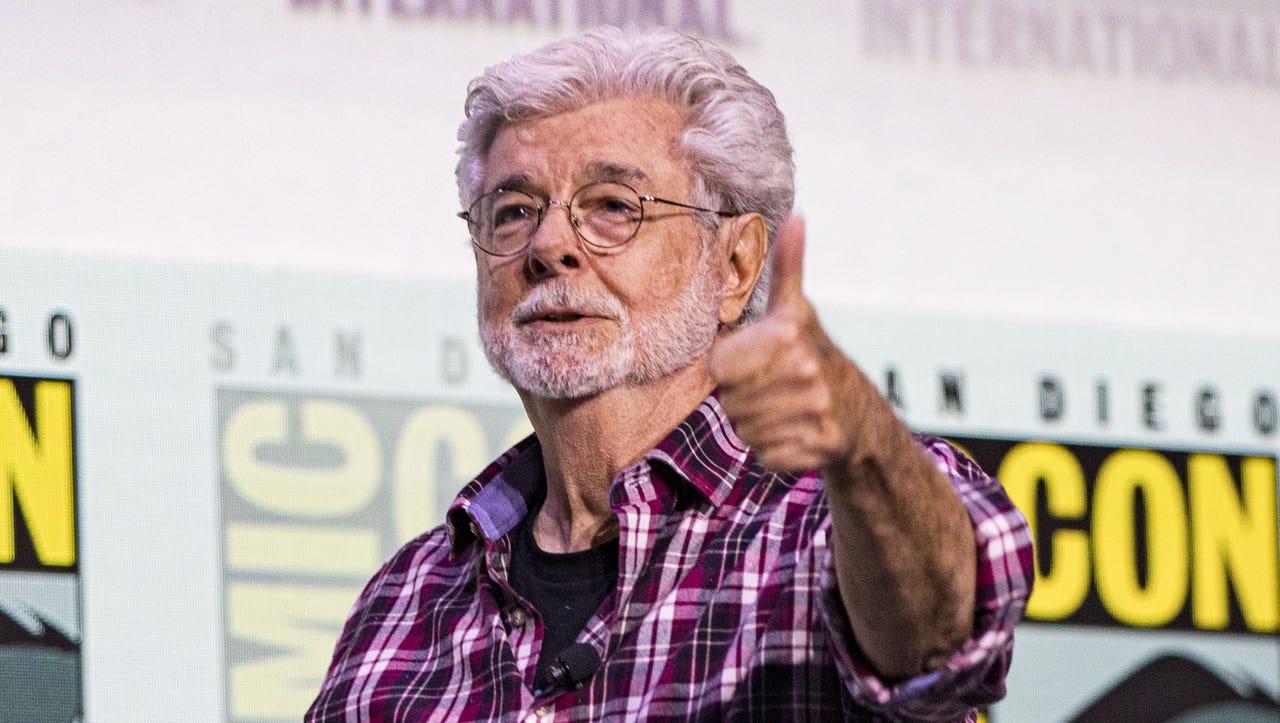
George Lucas has emerged as a prominent voice supporting artificial intelligence in the creative industries, declaring that rejecting AI is like rejecting cars in favor of horse-drawn buggies. In an interview with A Rabbit's Foot promoting the upcoming Lucas Museum of Narrative Art, the Star Wars creator offered an optimistic perspective on AI's role in the future of filmmaking that has sparked considerable debate
1
2
.
Source: PC Gamer
"Artificial intelligence means it's much easier for us to make movies," Lucas explained, framing technological progress as inevitable
3
. His comparison drew parallels to early automobile skeptics: "It's very much like sitting here saying, 'Well, I believe the horse and the buggy is really where it's at. These cars, they break down, they need gas, there's all kinds of problems with them and pretty soon they'll be making them into tanks, and then they'll be killing people. It's terrible.' There's nothing you can do about it. That's progress. It's the future"4
.Lucas's stance aligns with his decades-long track record of pushing boundaries through technology. The filmmaker founded Industrial Light and Magic, which pioneered modern computer use in cinema, from digital effects to computer animation. When he lacked the technology to achieve his artistic vision for Star Wars, he invented it. When he envisioned the Star Wars prequels, he waited for technology to catch up before production
1
.This history of embracing technological progress makes Lucas's position on AI in filmmaking less surprising, though the context differs significantly. While his previous innovations like ILM kept humans operating computers, AI removes much of that human element from the creative process
1
. The technology has drawn criticism for being trained on vast amounts of original, human-made work without proper attribution or compensation2
.
Source: Gizmodo
When questioned about risks, Lucas suggested AI could self-regulate. "If you want AI that tells you when something is fake and where it came from, AI can do that," he stated. "Humans can't, we're not that smart. The whole idea is you're a human being, you're responsible for what you say and what you do, and if you're doing something that's illegal you should be punished for that"
1
4
. His argument centers on detecting fake content through AI itself, though critics note this doesn't address fundamental ethical concerns about AI.Related Stories
The timing of Lucas's comments creates an apparent contradiction. In the same interview, he passionately defended human-led cinematic storytelling against studio interference. "I don't like focus groups," Lucas said. "The audience doesn't know what they want to see... You make a movie by finding someone that knows how to make movies, that has a story to tell and is passionate about it"
3
.
Source: GamesRadar
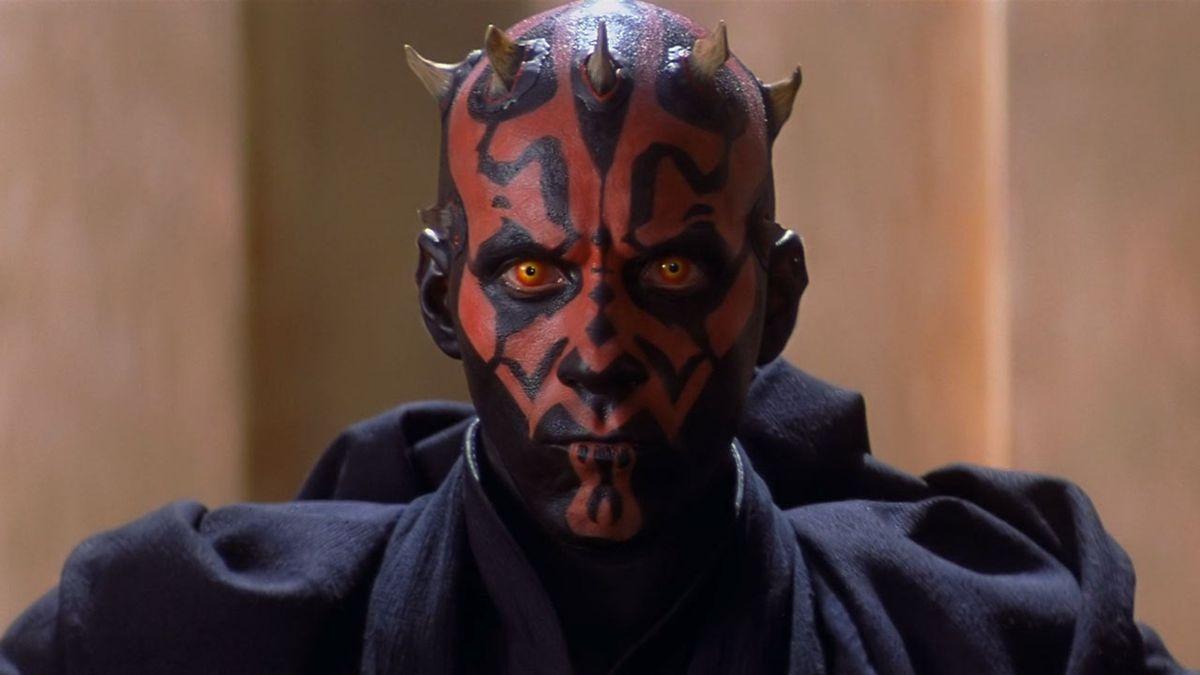
This advocacy for passionate human creators sits uneasily alongside his embrace of technology known for removing human creativity from production. As one outlet noted, Lucas's own Star Wars dialogue seems relevant: Yoda's warning that the dark side is "quicker, easier, more seductive" parallels arguments that AI will make filmmaking easier
3
.Lucas's position contrasts sharply with other prominent filmmakers. Christopher Nolan recently praised Generation Z for its "rapid wholesale dismissal of a supposedly foundational jump in technology," while many game developers refuse to use AI entirely
4
. Most analysts believe AI's worst implications remain far from inevitable, despite Lucas's fatalistic framing.The question remains whether AI is the future Lucas envisions or whether his worldview matches current realities. His comments arrive just over a year after Lucasfilm faced criticism for AI-generated content
2
. As AI continues reshaping creative work, Lucas's belief that filmmakers will use it responsibly with the same work ethic he demonstrated remains untested. Whether AI will make filmmaking easier without sacrificing the human spirit Lucas champions in his museum dedicated to narrative art and artistic vision will define cinema's next chapter.Summarized by
Navi
29 May 2026•Entertainment and Society

15 May 2025•Technology

01 Apr 2026•Entertainment and Society

1
Technology

2
Business and Economy

3
Technology