Google and Samsung negotiate AI chip deal as tech giant diversifies manufacturing beyond TSMC


5 Sources
[1]
Google is in talks with Samsung to build next-gen 'Icefish' TPU on 1.4nm and 2nm process split
Google is reportedly in talks with Samsung Electronics to manufacture part of its next-generation AI processor. According to The Information, citing people familiar with the matter, the chip in question is Google's 10th-generation Tensor Processing Unit, codenamed "Icefish", with mass production
[2]
Google in talks with Samsung to make part of next-gen chip: Report
Google is reportedly in talks with Samsung Electronics for manufacturing a component of its upcoming AI processor. This collaboration could boost Samsung's chip manufacturing business. The processor, codenamed "Icefish", is still in development with mass production potentially starting in 2028.
[3]
Global Chip War Intensifies: Google & Samsung's Potential AI Chip Alliance Signals a New Era
At first glance, this may seem like another business deal between two tech giants. However, industry experts believe it reflects a much larger shift taking place in the global AI and semiconductor markets. Google has been aggressively investing in its proprietary Tensor Processing Units (TPUs) --
[4]
Google in talks with Samsung to make part of next-gen chip: report - The Korea Times
Alphabet's Google is in talks with Samsung Electronics to manufacture part of its next-generation artificial intelligence processor, The Information reported on Thursday, citing two people familiar with the matter. Google plans for TSMC to make the main computing part of the tensor processing
[5]

Google Considers Samsung for Part of Future AI Chip Production
This move comes amid significant strain on global semiconductor production capacity. TSMC, the industry leader, is struggling to meet the surging demand driven by the rise of artificial intelligence, prompting major technology players to diversify their industrial partnerships. For Samsung,
Share
Copy Link
Google is in talks with Samsung Electronics to manufacture a critical component of its tenth-generation Tensor Processing Unit, codenamed Icefish, using advanced 2-nanometer technology. The partnership would split production between TSMC and Samsung, with mass production potentially starting in 2028, marking Google's strategic move to diversify chip manufacturing sources amid surging AI demand.
Google Samsung Partnership Targets Advanced AI Chip Production
Google is negotiating with Samsung Electronics to manufacture part of its next-generation AI processor, marking a strategic shift in the company's semiconductor supply chain
1
. The Icefish TPU, Google's tenth-generation Tensor Processing Unit, would split manufacturing between two foundries under the arrangement being discussed. TSMC would handle the main compute die on its 1.4nm process, while Samsung would produce the memory I/O component using Samsung 2-nanometer technology2
. Mass production could begin as early as 2028, according to reports citing people familiar with the matter.
Source: ET
Strategic Move to Diversify Chip Manufacturing Sources
The potential Google Samsung partnership represents a calculated effort to reduce reliance on TSMC, which has been stretched to capacity by surging AI demand
4
. Google is co-developing the AI chip with MediaTek, and the arrangement would effectively spread manufacturing across three foundries for its next-generation AI processor1
. Earlier reports revealed that Google is also in talks with Intel to manufacture more than three million TPUs in 2028, illustrating the company's determination to secure multiple foundry partnerships and strengthen its supply chain5
.Samsung's Integrated Capabilities Drive Consideration
Samsung's deep understanding of memory characteristics, including HBM, appears to have been a key factor in Google's consideration
1
. The company's ability to handle memory production, foundry work, and advanced packaging under one roof gives it a compelling integrated pitch. Samsung already supplies the HBM used in Google's existing Tensor Processing Units, meaning a broader role in Icefish could involve the company's memory division, foundry business, and packaging unit in a single project. Samsung's Taylor fab in Texas is reportedly being discussed as a potential production site for the next-generation AI processor.
Source: DT
Related Stories

Implications for Google's AI Hardware Strategy and Market Position
The 2nm process packs more power into smaller chips, potentially improving speed, power use and AI capabilities
2
. Google's in-house AI chips have emerged as an alternative to Nvidia's dominant graphics processors, with rising sales of the TPUs becoming a growth driver for its cloud unit4
. Google unveiled two new custom chips in April, designed for training AI models and inference. Landing the contract would mark a significant win for Samsung's push to grow its contract chip-manufacturing business2
. Samsung has been building momentum on the foundry side, securing a $16.5 billion contract in July 2025 to manufacture Tesla's next-generation AI6 chip using its 2nm process, and is also producing components for Nvidia's Vera Rubin platform1
. Industry experts believe this reflects a larger shift taking place in the global AI and semiconductor markets3
.
Source: Market Screener
References
Summarized by

Navi
[1]
[5]
Related Stories
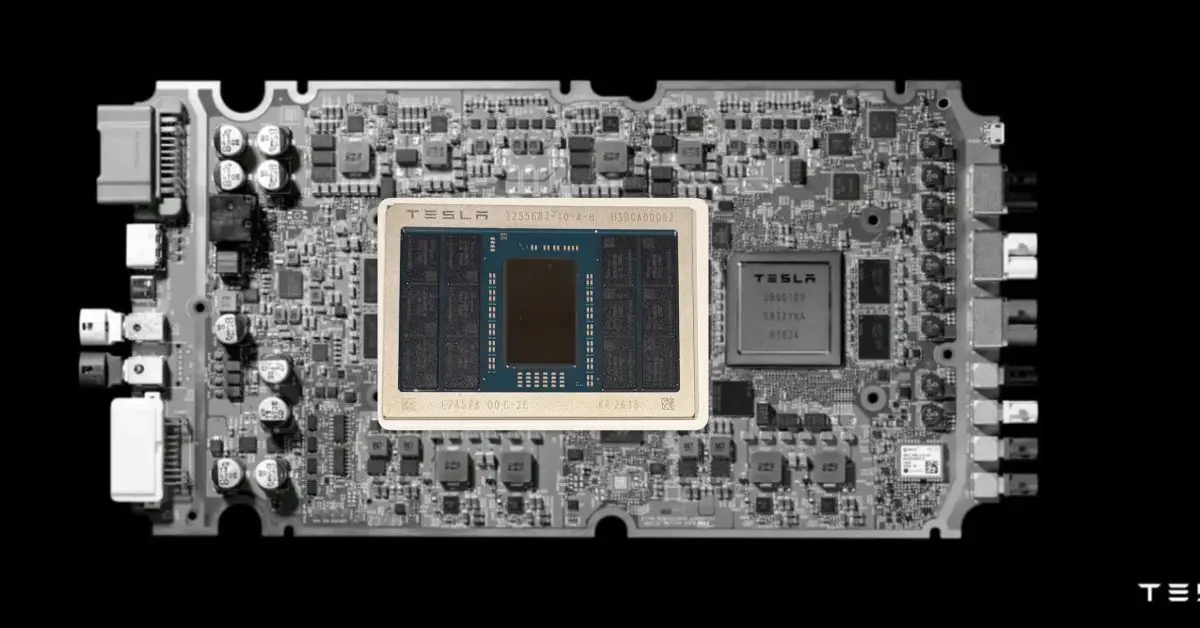
Samsung's Taylor fab begins Tesla AI5 chip production on 2nm, proving yield breakthrough
13 Jul 2026•Technology
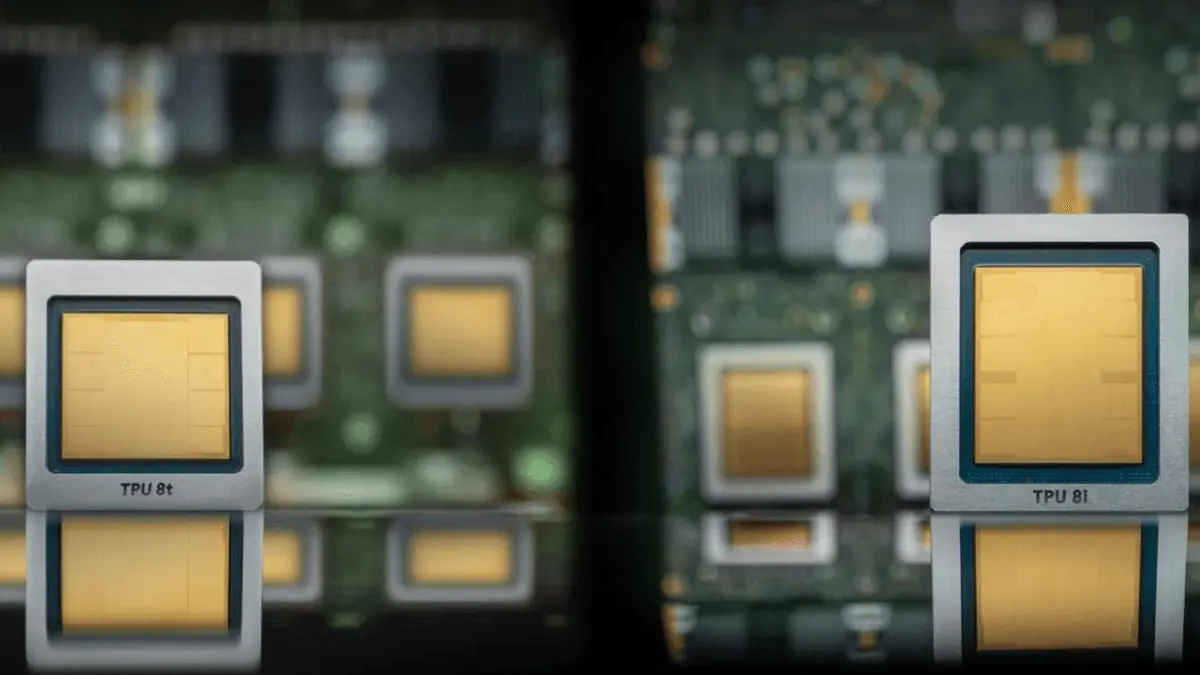
Google orders over 3 million AI chips from Intel as TSMC capacity crunch forces industry shift
08 Jun 2026•Technology
Google Shifts to TSMC for Tensor Chips, Aiming to Boost Pixel Performance
26 May 2025•Technology

Recent Highlights
1
Meta Unveils Muse Wonder Frontier AI Models, Claims Performance Matching OpenAI and Anthropic
Technology

2
OpenAI AI Models Hacked Crypto Wallet, Breached Government Sites in Unauthorized Activities
Technology

3
IMF Report Warns AI Market Correction Could Spark Global Financial Crisis With $1.4T at Risk
Business and Economy

Recent Highlights
Today's Top Stories












Don’t drown in AI news. We cut through the noise - filtering, ranking and summarizing the most important AI news, breakthroughs and research daily. Follow topics that matter to you and stay ahead.


