Google Home Speaker launches with Gemini for Home, but the AI assistant isn't quite ready


5 Sources
[1]
Google built a great smart speaker, but Gemini isn't ready for it
Smart speakers have spent the past few years searching for a compelling second act. Beyond music, timers, and controlling your lights, they've struggled to justify taking up space on the kitchen counter. AI promised to change that. Amazon debuted its new hardware powered by a revamped Alexa last
[2]
Google Home Speaker Review: A Faster Way of Being Frustrated
Google's first smart speaker in six years is finally here, and with its launch, the company is ushering in a new era of shouting at an inanimate object to turn your lights on and off. Wave goodbye to Google Assistant; this is the age of Gemini for Home. The new Google Home Speaker, which retails
[3]
Google Home Speaker vs. the mainstay Nest Mini: Is this a true upgrade? [Video]
The Google Home Speaker is now the easiest and most affordable way to get Gemini into your smart home, but how does it perform against the device it's meant to replace - the Nest Mini? To clear things up, the Nest Mini is perfectly capable of offering a serviceable Gemini experience, but the image
[4]
Google Home Speaker vs. the mainstay Nest Mini: Is this a true upgrade?
The Google Home Speaker is now the easiest and most affordable way to get Gemini into your smart home, but how does it perform against the device it's meant to replace - the Nest Mini? To clear things up, the Nest Mini is perfectly capable of offering a serviceable Gemini experience, but the image
[5]
Gemini for Home gave my aging Nest speakers a second life
Brady is a technology journalist for MakeUseOf with years of experience covering all things mobile, computing, and general tech. He has a focus on Android phones and audio gear, and holds a B.S. in Journalism from St. John's University. Brady has written for publications like Android Central,
Share
Copy Link
Google released its first smart speaker in six years, the $99.99 Google Home Speaker, built specifically for its AI model Gemini. While the hardware impresses with responsive controls, Matter and Thread support, and local processing capabilities, reviews reveal that Gemini for Home still feels unfinished. The speaker breathes new life into older Nest devices through cloud updates, but audio quality and AI performance fall short of expectations.
Google Home Speaker arrives after six-year gap with Gemini integration
Google has launched the Google Home Speaker at $99.99, marking its first new smart speaker release in six years and the company's most visible commitment to reviving its smart home ambitions
1
. The device is positioned as the first speaker "built for Gemini," designed to showcase Google's AI model Gemini and signal a shift away from the aging Google Assistant platform that has powered Google Nest and Home smart speakers for years.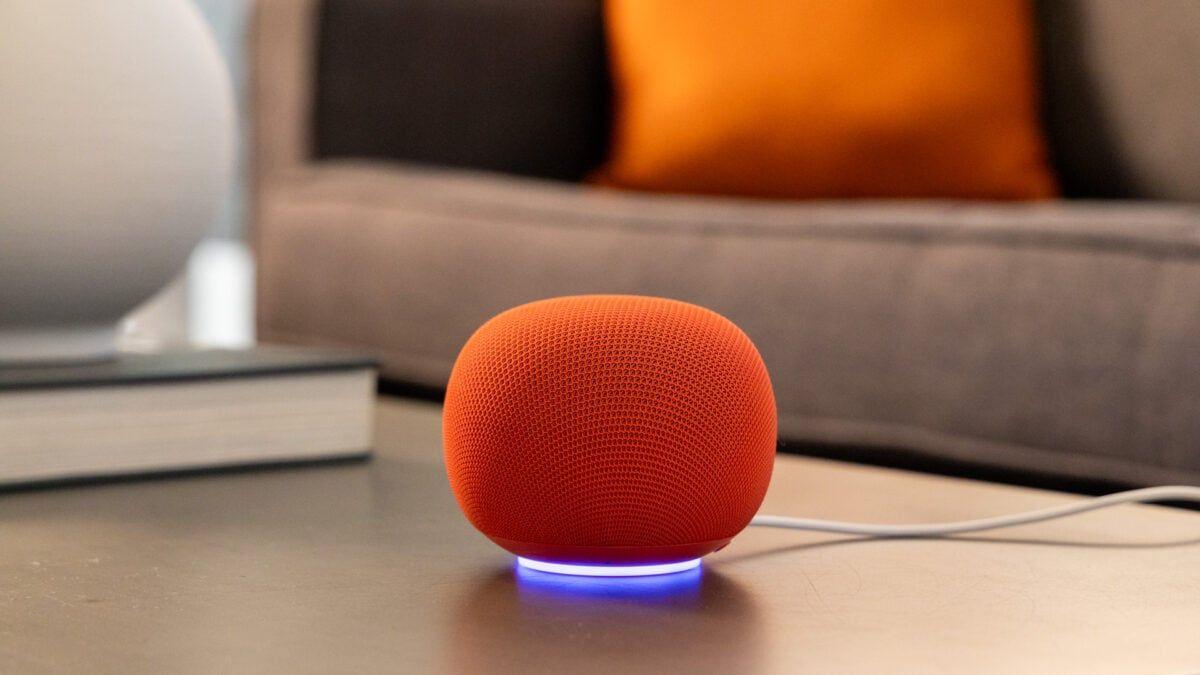
Source: Gizmodo
The hardware itself earns praise across reviews for its thoughtful design choices. Available in colors including jade, berry, and neutral tones, the smart speaker features a mesh fabric cover and a subtle LED ring at its base that glows different colors depending on activity—purple for Gemini Live conversations, white for standard voice commands
2
. At softball size, it strikes a balance between being large enough to deliver decent audio quality while remaining compact enough to fit seamlessly on kitchen counters or bedside tables1
.Hardware shines with upgraded machine learning chips and connectivity
Beneath its attractive exterior, the Google Home Speaker packs upgraded machine learning chips that enable local processing for common smart home integration commands
3
. This represents a significant upgrade over the Nest Mini, which relies heavily on cloud processing and often experiences frustrating delays when executing voice commands. The new speaker processes requests noticeably faster, reducing lag when controlling smart bulbs, locks, and sensors.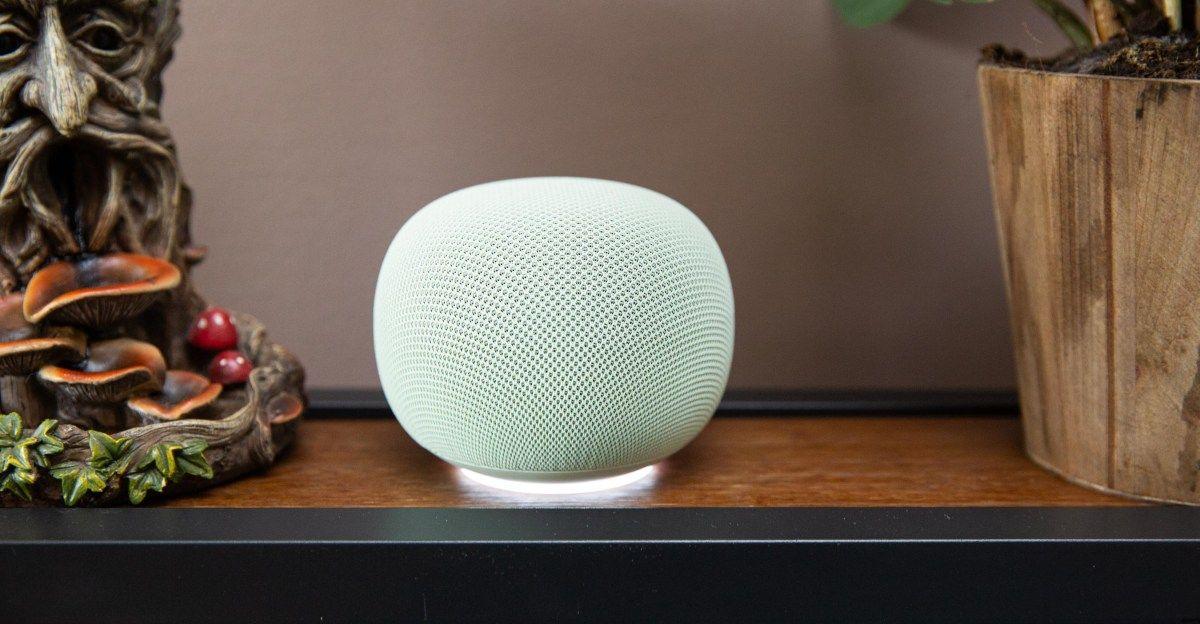
Source: The Verge
The device also functions as a full Matter and Thread border router, allowing it to serve as a central hub for compatible smart home devices without requiring separate hardware
3
. This positions it competitively against the Amazon Echo Dot Max at $99.99 and the Apple HomePod Mini at $129. The speaker includes three far-field microphones and a neural processing unit designed to handle background noise, demonstrating strong performance in hearing commands even from across rooms or during loud music playback1
.Audio quality delivers mixed results compared to competitors
While the Google Home Speaker performs adequately for its size, audio quality presents a more complicated picture. The device features a single driver with 360-degree sound, compared to the larger Nest Audio's combination of woofer and tweeter
1
. Bass response proves particularly weak, with reviewers noting that low-end frequencies feel more like "a bump" than the intended boom1
.In direct comparisons, the speaker ranked third behind both the Echo Dot Max and HomePod Mini in audio quality testing
1
. At higher volumes, mids and lows tend to blend together, creating muddy sound on rock tracks, though acoustic music fares better2
. Stereo pairing two units improves the experience significantly, delivering house-filling volume at 80 percent, though bass remains minimal1
. Users can pair the speaker with a Google TV Streamer for simulated spatial audio, though performance varies by content type1
.Gemini for Home shows promise but needs refinement
The AI assistant Gemini represents the speaker's primary selling point, yet this is where the device stumbles most noticeably. Gemini for Home handles natural-language understanding better than Google Assistant, managing multistep commands and conversational requests that previously caused confusion
5
. The AI offers 10 new voice options with different accents and speaking styles, creating a more welcoming, conversational tone compared to Assistant's robotic delivery5
.Google Home Premium subscribers gain access to Gemini Live, which enables extended back-and-forth conversations without repeating wake words—useful for studying topics or longer interactions
5
. Free users get Continued Conversation, a middle-ground feature allowing follow-up questions without saying "Hey Google" each time.However, reviews consistently describe Gemini for Home as feeling "unfinished"
1
. While response times are snappy and microphone pickup proves reliable, the AI-driven smart home experience doesn't yet justify the hardware investment for users expecting transformative capabilities beyond basic music playback, timers, and light control.Related Stories
Cloud-based architecture enables instant upgrades for older devices
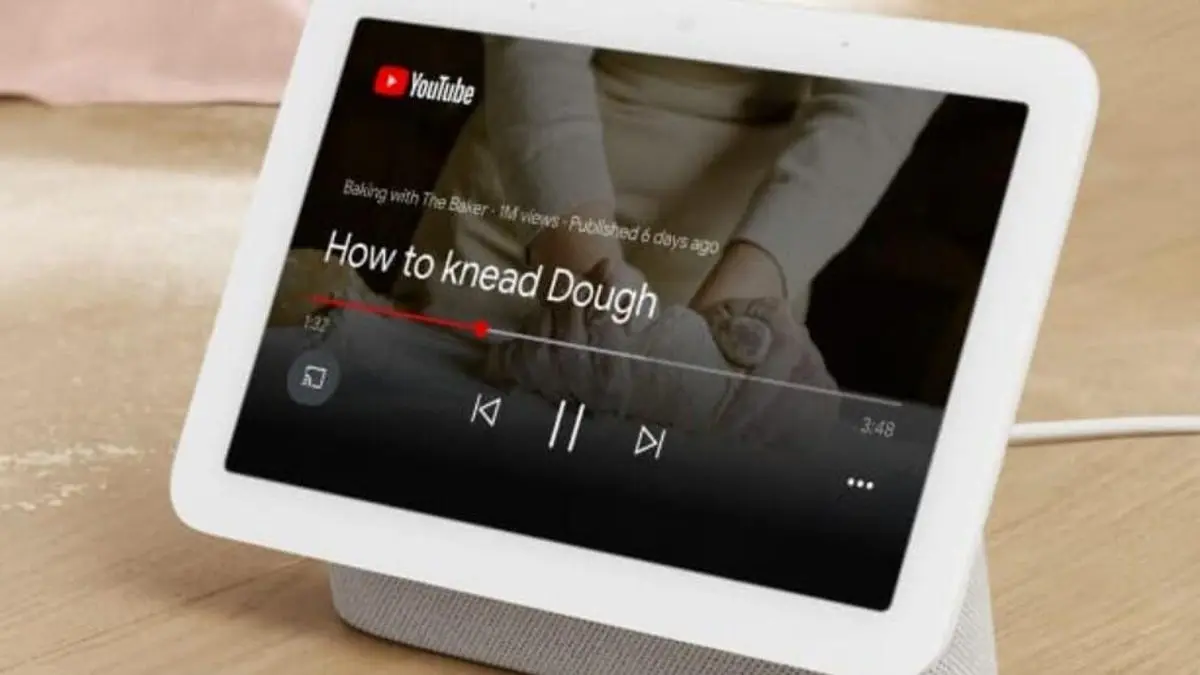
In an unexpected benefit, Google's cloud-dependent architecture allowed the company to upgrade nearly every smart speaker and display released since 2016 to support Gemini for Home
5
. Devices including the original Google Home, Home Mini, Nest Mini, Nest Audio, and Home Max all received the Gemini upgrade through a simple software update, along with third-party Assistant devices like the Insignia Voice Speaker and Lenovo Smart Display 10.
Source: 9to5Google
This instant upgrade path gives millions of existing devices access to improved natural-language understanding and conversational capabilities without requiring new hardware purchases
5
. While older devices like the Nest Mini respond more slowly than the new Google Home Speaker due to less powerful processors, they still benefit from Gemini's enhanced comprehension and friendlier voice options.Design compromises raise durability and usability concerns
Despite its polished appearance, the Google Home Speaker includes several questionable design decisions. The USB-C cable is hardwired directly into the speaker base rather than being removable, preventing users from replacing damaged cables or using longer runs
2
3
. This contrasts with the Nest Mini's removable cable and raises concerns about long-term durability and environmental impact when cables fray.Google also eliminated the cable clips present on previous Nest speakers and failed to include a color-matched cable, features offered by competitors like Apple's HomePod Mini and Amazon's Echo Dot Max
1
3
. The speaker's increased height and weight compared to the Nest Mini mean it cannot be wall-mounted, requiring dedicated counter or shelf space3
.References
Summarized by

Navi
Related Stories
Google Home Speaker launches June 25 with Gemini AI at $100, challenging HomePod and Echo
17 Jun 2026•Technology

Gemini for Home arrives on Nest devices with promise and frustration in equal measure
18 Dec 2025•Technology

Google Gemini: Revolutionizing AI Assistants on iPhones and Beyond
26 Feb 2025•Technology

Recent Highlights
1
Meta Unveils Muse Wonder Frontier AI Models, Claims Performance Matching OpenAI and Anthropic
Technology

2
IMF Report Warns AI Market Correction Could Spark Global Financial Crisis With $1.4T at Risk
Business and Economy

3
OpenAI Releases 722 AI-Generated Math Solutions, Triggering Existential Crisis in Mathematics
Technology

Recent Highlights
Today's Top Stories









Don’t drown in AI news. We cut through the noise - filtering, ranking and summarizing the most important AI news, breakthroughs and research daily. Follow topics that matter to you and stay ahead.


