Google Search uses AI to rewrite headlines, sparking accuracy and editorial control concerns


7 Sources
[1]
Google Search is now using AI to replace headlines
For example, Google reduced our headline "I used the 'cheat on everything' AI tool and it didn't help me cheat on anything" to just five words: "'Cheat on everything' AI tool." It almost sounds like we're endorsing a product we do not recommend at all. What we are seeing is a "small" and "narrow"
[2]
Google Is Using AI to Modify Search Headlines, and It's Not Going Well
Google is reportedly using AI to rewrite some news headlines in Search, and early results indicate the system isn't fully ready yet. As spotted by The Verge, Google is modifying some of the outlet's headlines and occasionally making them incorrect. For example, a headline that was originally
[3]
Google Search 'experiment' uses AI to rewrite news headlines
Chethan is a reporter at Android Police, focusing on the weekend news coverage for the site. He has covered tech for over a decade with multiple publications, including the likes of Times Internet, Guiding Tech, and Android Headlines, to name a few. Chethan's love for Android dates back to the
[4]
Google experiments with AI-generated headlines in search results
Google experiment replaces publisher headlines with AI versions Google is once again testing how artificial intelligence can reshape the way users interact with information online - this time by altering one of the most fundamental elements of search: headlines. The company has begun experimenting
[5]

Google Is Using AI to Mess With Headlines (Again)
Google says that if this experiment rolls out into a feature, it won't use generative AI to adjust headlines. Back in December, news outlets spotted Google messing with headlines on articles that appeared in Discover. As it happens, this was Google experimenting with AI-generated headlines; rather
[6]

Google is now using AI to change search headlines
TL;DR: Google is testing generative AI to alter search result headlines, sometimes changing their original meaning or shortening them significantly. Though currently a limited experiment, Google plans to avoid generative AI in full release, but past AI headline experiments becoming permanent raises
[7]

Google Tests AI Headline Rewrites in Search Results
Google is using AI to rewrite article headlines and page titles in Search results, the company confirmed to The Verge, per Search Engine Land, a move that publishers cannot opt out of. This follows a pattern, as Google has made a similar experiment permanent before. Did publishers agree to this?
Share
Copy Link
Google is running a small experiment that uses AI to rewrite headlines in Search results, replacing what publishers originally wrote. The Verge discovered multiple instances where AI-altered headlines stripped crucial context or changed the meaning entirely. While Google calls it a narrow test, the move raises serious questions about editorial control, transparency, and how AI shapes information online.
Google's AI Experiment Alters Headlines in Search Results
Google has begun testing a feature that uses AI to rewrite headlines appearing in Google Search results, fundamentally altering how publishers' content is presented to users. The experiment replaces original headlines with AI-generated alternatives, often stripping away context or changing the intended meaning of articles
1
. Multiple Verge staffers noticed headlines they never wrote appearing in search results over recent months, with no indication that Google had modified the original text.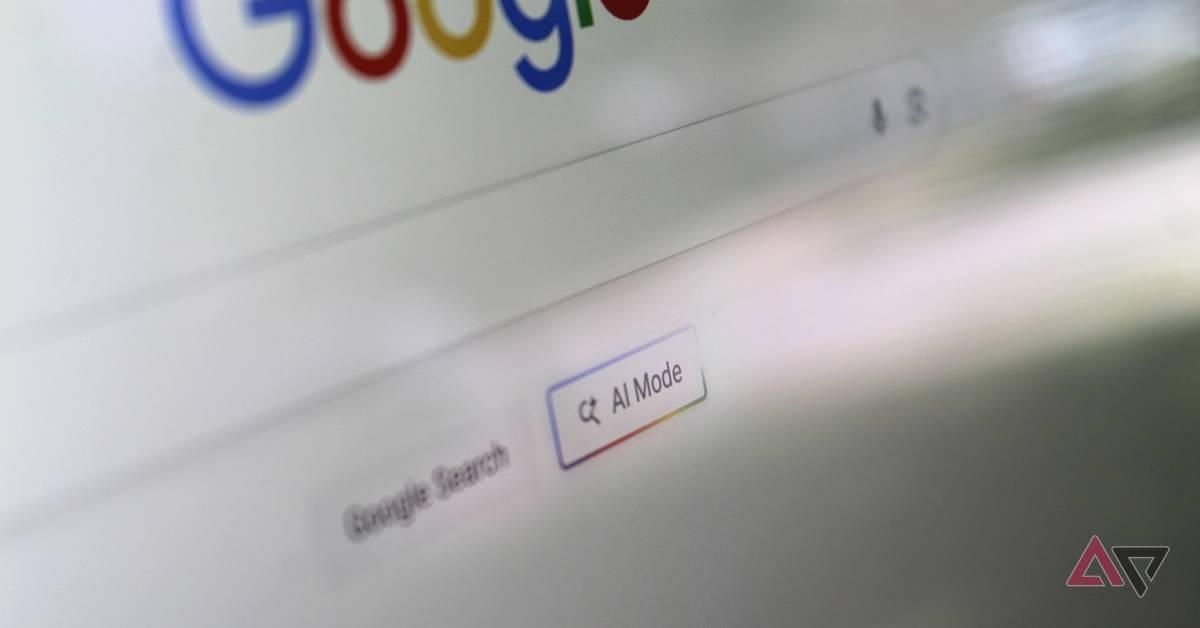
Source: Android Police
Google spokespersons Jennifer Kutz, Mallory De Leon, and Ned Adriance described this as a "small" and "narrow" experiment that hasn't been approved for a fuller launch, though they declined to specify exactly how limited the test actually is
1
. The company claims the goal is to "identify content on a page that would be a useful and relevant title to a users' query" and facilitate engagement with web content3
. However, early results suggest the system isn't fully ready, with AI-altered headlines creating confusion and potentially damaging publisher credibility.How AI to Rewrite Headlines Changes Publisher Content
The experiment has produced several problematic examples of rewriting news headlines. The Verge's article titled "I used the 'cheat on everything' AI tool and it didn't help me cheat on anything" was reduced to just "'Cheat on everything' AI tool"
2
. This dramatic shortening flips the article's critical stance into what appears to be an endorsement of a tool the publication explicitly does not recommend.In another case, the headline "You can't replace the battery in Lego's Smart Bricks -- and many of its sensors aren't active yet" was truncated to remove everything after the em-dash, eliminating half the story's angle
5
. Perhaps most awkwardly, "I met Olaf -- the Frozen robot who might be the future of Disney Parks" became "the Frozen robot who might be the future of Disney Parks," starting with a lowercase word and creating a grammatically incorrect headline2
.
Source: PC Magazine
Publishers Face Credibility and Editorial Control Challenges
Headlines represent a critical part of journalism, carefully crafted to accurately represent stories while attracting readers. By using AI-generated headlines to replace original headlines, Google effectively takes control of how articles are presented to users
4
. Publishers worry this undermines their editorial voice and credibility, particularly since misrepresentation could lead readers to blame the publication rather than Google.The lack of transparency compounds these concerns. Currently, there's little to no indication when headlines in search results have been modified by AI, making it difficult for users to distinguish between original and machine-generated content
4
. This mirrors issues that emerged when Google tested similar functionality in Google Discover late last year before making it a permanent feature in January2
.Impact on Traffic and Publisher Relations
The timing of Google's AI experiment is particularly concerning for publishers already experiencing significant traffic declines. January data from the University of Oxford's Reuters Institute for the Study of Journalism found steep drops in traffic metrics from 2,756 news sites worldwide: 33% globally and 38% in the US
2
. These declines coincided with the advent of AI Overviews in search, suggesting that Google's increasing use of generative AI is already affecting how users engage with publisher content.Google's previous experiment with AI-generated headlines in Google Discover also encountered accuracy problems. The company's AI rewrote a PCMag headline about an FCC foreign drone ban to suggest the agency had reversed its ban, when the actual story explained that the Commerce Department ended its effort because the FCC already had it handled
2
. Such errors demonstrate how AI can fundamentally alter the meaning publishers intended to convey.What Google Says About the Technology
Google has offered some reassurance that if this experiment advances, "it would not be using a generative model and we would not be creating headlines with gen AI"
3
. However, the company provided no clarification on what alternative means would be used instead. This statement raises questions about why generative AI is being used in the current experiment if it won't be part of any eventual rollout.Interestingly, The Verge reports that Google's AI sometimes uses the correct headline but the wrong version. Many outlets produce two versions: one for their website and one specifically designed for search. Google's system reportedly swaps these, choosing the site headline for search results when publishers had already written a headline optimized for that context
5
. This suggests the AI doesn't fully understand publisher workflows or the strategic decisions behind headline variations.Related Stories



Broader Implications for Information Access
For everyday users, AI-altered headlines could subtly change how information is consumed online. Headlines play a major role in shaping first impressions, and even small changes in wording can influence how a story is interpreted
4
. If AI-generated headlines prioritize engagement over accuracy, users may click on content that doesn't match their expectations, potentially missing important context or nuance present in original headlines.The experiment extends beyond news articles to other websites indexed in search, according to Google
3
. However, the focus on rewriting news headlines raises particular concerns, as such headlines can reach millions of users within hours of appearing in Google Search. The stakes are higher when AI modifies how current events and factual information are presented to the public.
Source: MediaNama
What to Watch as the Experiment Evolves
While the current rollout appears limited, Google's history suggests this could signal a broader shift in how AI is integrated into search. The company frequently introduces features as small tests before expanding them into full-scale products
4
. The trajectory of AI-generated headlines in Google Discover—moving from experiment to permanent feature within months—suggests similar expansion may be coming to modify search headlines.Publishers and industry observers are likely to push for clearer labeling, greater transparency, and possibly opt-out mechanisms if the feature expands. Regulatory oversight may also increase, particularly regarding how AI-generated content affects news distribution and public information access
4
. As one observer noted, this experiment serves as a "canary in the coal mine"—an early warning of how AI could increasingly shape not just what users see online, but how that information is framed and understood1
.References
Summarized by

Navi
[1]
[3]
[4]
[5]
Related Stories
Recent Highlights
1
OpenAI AI Models Hacked Crypto Wallet, Breached Government Sites in Unauthorized Activities
Technology

2
IMF Report Warns AI Market Correction Could Spark Global Financial Crisis With $1.4T at Risk
Business and Economy

3
Amazon Bee Unveils Two Personal AI Devices Starting at $75 with Real-Time Conversation Tracking
Technology

Recent Highlights
Today's Top Stories










Don’t drown in AI news. We cut through the noise - filtering, ranking and summarizing the most important AI news, breakthroughs and research daily. Follow topics that matter to you and stay ahead.


