Google Secures $2.4 Billion Licensing Deal with AI Coding Startup Windsurf


5 Sources
[1]
Google to pay $2.4 billion in deal to license tech of Windsurf, WSJ reports
July 11 (Reuters) - Google (GOOGL.O), opens new tab has agreed to pay about $2.4 billion in a deal to license the technology of artificial intelligence-assisted coding tool Windsurf, The Wall Street Journal reported on Friday, citing people familiar with the matter. Reuters could not immediately
[2]
Google to pay $2.4 billion in deal to license tech of Windsurf: Report - The Economic Times
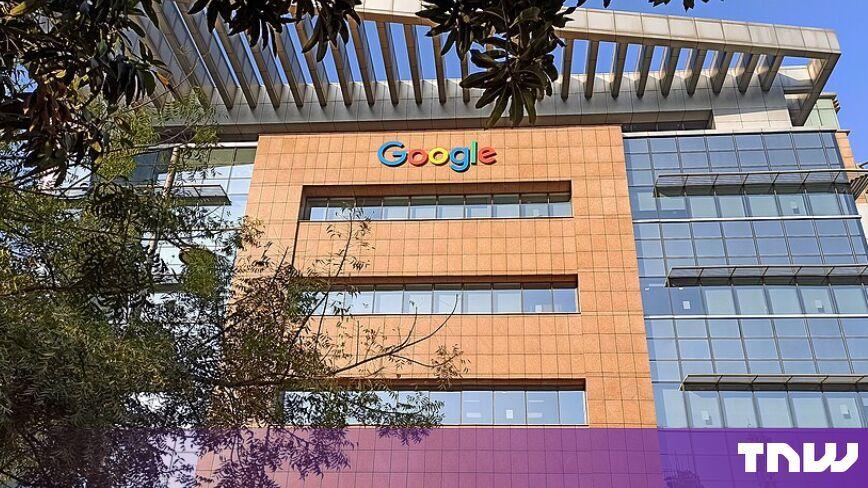
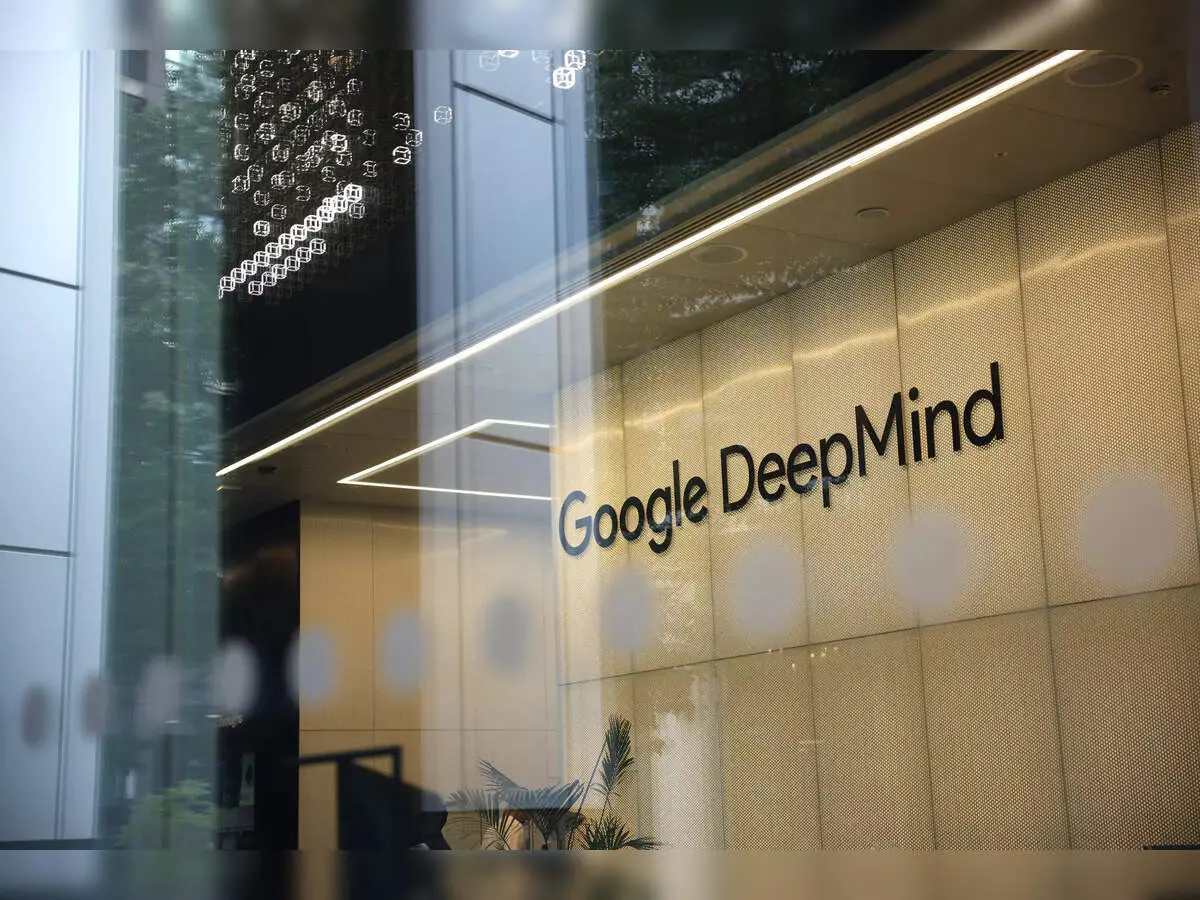
Earlier on Friday, a Google spokesperson told Reuters that the company has hired Windsurf CEO Varun Mohan, co-founder Douglas Chen, and select members of the coding tool's research and development team to join its DeepMind division, in a move to strengthen itself in the race for AI
[3]
Google Beats OpenAI, Secures Windsurf Technology, CEO And Key Staff For $2.4 Billion - Alphabet (NASDAQ:GOOG), Alphabet (NASDAQ:GOOGL)
Alphabet Inc.'s GOOG GOOGL Google has finalized a $2.4 billion agreement to license technology from AI coding startup Windsurf. This deal also includes hiring Windsurf's CEO and a select group of its employees. What Happened: Google has reached a $2.4 billion deal with Windsurf, an AI coding
[4]
Google Lands Key AI Talent from Windsurf in $2.4 Billion Licensing Deal | PYMNTS.com
By completing this form, you agree to receive marketing communications from PYMNTS and to the sharing of your information with our sponsor, if applicable, in accordance with our Privacy Policy and Terms and Conditions. Unlike a traditional acquisition, Google's agreement involves paying $2.4
[5]

Google to pay $2.4 billion in deal to license tech of Windsurf, WSJ reports
(Reuters) -Google has agreed to pay about $2.4 billion in a deal to license the technology of artificial intelligence-assisted coding tool Windsurf, The Wall Street Journal reported on Friday, citing people familiar with the matter. Reuters could not immediately confirm the report. Earlier on
Share
Copy Link
Google has agreed to pay $2.4 billion to license technology from AI-assisted coding tool Windsurf, while also hiring key personnel including the CEO and co-founder to join its DeepMind division.
Google's Strategic Move in AI Technology
In a significant development in the artificial intelligence (AI) sector, Google has struck a deal worth $2.4 billion to license technology from Windsurf, an AI-assisted coding tool startup. This agreement not only involves a substantial financial commitment but also includes the acquisition of key personnel from Windsurf
1
.
Source: Benzinga
Deal Structure and Personnel Acquisition
The deal structure is noteworthy for its non-traditional approach. Instead of a full acquisition, Google has opted for a licensing agreement that grants them non-exclusive access to Windsurf's technology. This arrangement allows Google to utilize Windsurf's innovations without taking an equity stake in the company
4
.A crucial aspect of this deal is the hiring of key Windsurf personnel. Google has confirmed that Windsurf's CEO Varun Mohan, co-founder Douglas Chen, and select members of the research and development team will be joining Google's DeepMind division
2
. This move is seen as a strategic effort to bolster Google's position in the competitive AI landscape.Impact on Windsurf and Industry Dynamics
For Windsurf, this deal represents a significant financial windfall while allowing the company to maintain its independence. The startup, which had previously raised $243 million from investors and was valued at $1.25 billion, will retain most of its 250 employees. Jeff Wang, Windsurf's business head, has stepped in as interim CEO, with Graham Moreno appointed as president
4
.Related Stories
Competitive Landscape and Industry Trends

Source: PYMNTS
This deal comes in the wake of intense competition among tech giants in the AI field. Notably, OpenAI had previously attempted to acquire Windsurf for $3 billion, but the deal fell through due to objections from Microsoft, OpenAI's largest investor
3
.The transaction reflects a growing trend in the tech industry where companies are opting for talent acquisition and licensing deals rather than full acquisitions. This approach, sometimes referred to as "acquihire," allows companies to enhance their AI capabilities while potentially avoiding regulatory scrutiny associated with outright acquisitions
4
.Regulatory Considerations
While these licensing and talent acquisition deals may sidestep some regulatory hurdles, they are not entirely free from scrutiny. Regulators have begun to examine such arrangements to determine if they are being used to evade oversight or suppress competition
4
. This increased attention highlights the complex regulatory landscape surrounding AI and tech acquisitions.
Source: ET
As the AI race intensifies, this deal underscores the high stakes and substantial investments that major tech companies are willing to make to secure cutting-edge AI technology and talent. It also reflects the evolving strategies employed by these companies to navigate the competitive and regulatory challenges in the rapidly advancing field of artificial intelligence.
References
Summarized by

Navi
[5]
Related Stories
Google Snags Windsurf's Top Talent, Cognition Acquires Company in AI Coding Frenzy
12 Jul 2025•Business and Economy

OpenAI's $3 Billion Acquisition of Windsurf: A Strategic Move in the AI-Powered Coding Race
06 May 2025•Business and Economy

Google DeepMind pays up to $90 million for Contextual AI talent in licensing deal
20 May 2026•Business and Economy
Recent Highlights



Recent Highlights
Today's Top Stories









Don’t drown in AI news. We cut through the noise - filtering, ranking and summarizing the most important AI news, breakthroughs and research daily. Follow topics that matter to you and stay ahead.


