Google DeepMind pays up to $90 million for Contextual AI talent in licensing deal


4 Sources
[1]
Google DeepMind hires staff from Contextual AI in licensing deal, source says
Google DeepMind is reportedly acquiring over 20 researchers and licensing technology from AI startup Contextual AI for $80 million to $90 million. This move follows Alphabet's strategy of talent acquisition through licensing deals, similar to past agreements with Windsurf and
[2]
Google DeepMind Pays Up To $90 Million To Hire Contextual AI Talent As Antitrust Scrutiny Grows: Report -
Google DeepMind Expands AI Talent Push Contextual AI co-founder and CEO Douwe Kiela is among the researchers joining Google DeepMind as part of the arrangement, Reuters reported on Tuesday, citing a person familiar with the matter. Rather than fully acquiring the startup, Google is licensing some
[3]
Google DeepMind hires staff from Contextual AI in licensing deal, source says
May 19 (Reuters) - Alphabet's AI research subsidiary, Google DeepMind, has agreed to recruit more than 20 researchers from AI startup Contextual AI and license its technology, a person familiar with the matter told Reuters on Tuesday. Alphabet paid between $80 million and $90 million to Contextual
[4]
Google DeepMind hires staff from Contextual AI in licensing deal, Bloomberg News reports
May 19 (Reuters) - Alphabet's AI research subsidiary, Google DeepMind, has finalized a deal to recruit more than 20 researchers from AI startup Contextual AI and license its technology, Bloomberg News reported on Tuesday, citing people familiar with the matter. DeepMind has agreed to pay about
Share
Copy Link
Google DeepMind has agreed to hire over 20 researchers from AI startup Contextual AI and license its technology for $80 million to $90 million. The deal includes Contextual AI's CEO Douwe Kiela and marks Alphabet's latest acqui-hire strategy to secure AI talent without formal acquisitions. The move has intensified antitrust scrutiny as regulators view such deals as attempts to circumvent merger rules.
Google DeepMind Secures AI Talent Through Licensing Technology Deal
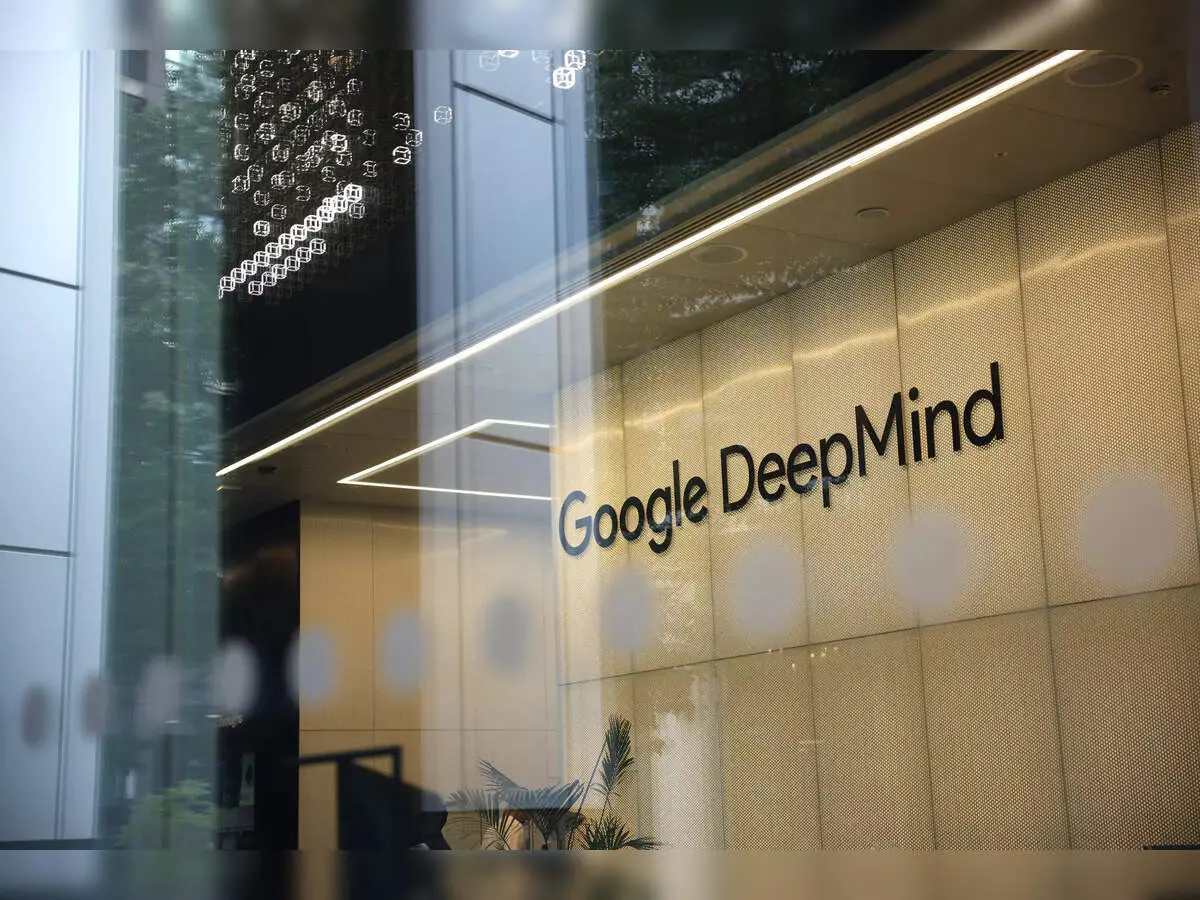
Alphabet's AI research subsidiary, Google DeepMind, has finalized an agreement to recruit more than 20 researchers from AI startup Contextual AI while licensing its technology for between $80 million and $90 million . The arrangement includes hiring staff from Contextual AI, with the company's co-founder and CEO Douwe Kiela among those joining DeepMind, according to sources familiar with the matter
2
. Rather than pursuing a full acquisition, Google is licensing some of the startup's technology while bringing key personnel into the company2
.
Source: ET
Alphabet's Growing Pattern of Talent Acquisition
This latest move follows Alphabet's established strategy of using licensing deals to secure AI talent without formal acquisitions. Last year, the company paid $2.4 billion in license fees as part of a deal to use AI code generation startup Windsurf's technology under non-exclusive terms and hire several key staff
1
. In 2024, Google also signed a licensing deal with Character.AI that granted it a non-exclusive license to the chatbot maker's large language model technology3
. Contextual AI had raised $80 million in a Series A funding round in 2024, led by venture capital firm Greycroft and existing investors, including Bain Capital Ventures and Lightspeed1
.Acqui-Hires Draw Intensified Antitrust Scrutiny
The agreement marks the latest example of a growing trend in Silicon Valley, where large technology firms secure startup talent and intellectual property through acqui-hires
2
. These arrangements, in which major tech companies pay large sums to secure the talent and technology of promising startups without formally acquiring them, are increasingly viewed by antitrust regulators as attempts to circumvent merger rules3
. Unlike acquisitions that would give the buyer a controlling stake, these deals do not require a merger review by U.S. regulators1
.Related Stories

Regulators Signal Concerns Over Merger Rule Evasion
Companies' efforts to sidestep U.S. antitrust scrutiny through tactics such as acqui-hires are a "red flag," Acting Assistant Attorney General Omeed Assefi told Reuters in March
1
. The heightened regulatory attention suggests that similar deals could face increased challenges moving forward. In December, Nvidia also agreed to license chip technology from Groq and hire its CEO, without buying the startup, demonstrating that this approach extends beyond Google's talent acquisition strategy3
. As competition for AI talent intensifies, industry observers should watch whether regulators develop new frameworks to evaluate these licensing arrangements, potentially reshaping how tech giants compete for expertise in the rapidly evolving AI landscape.References
Summarized by

Navi
[2]
Related Stories
Google Secures $2.4 Billion Licensing Deal with AI Coding Startup Windsurf
12 Jul 2025•Technology
Google Secures Deal with Character.AI Co-Founders Amid AI Industry Shifts
05 Aug 2024

Microsoft Poaches Top AI Talent from Google DeepMind, Intensifying Tech Giants' Hiring War
23 Jul 2025•Business and Economy
Recent Highlights
1
Meta Unveils Muse Wonder Frontier AI Models, Claims Performance Matching OpenAI and Anthropic
Technology

2
IMF Report Warns AI Market Correction Could Spark Global Financial Crisis With $1.4T at Risk
Business and Economy

3
OpenAI Releases 722 AI-Generated Math Solutions, Triggering Existential Crisis in Mathematics
Technology

Recent Highlights
Today's Top Stories








Don’t drown in AI news. We cut through the noise - filtering, ranking and summarizing the most important AI news, breakthroughs and research daily. Follow topics that matter to you and stay ahead.


