AI tools create fake Epstein photos in seconds, fueling wave of disinformation targeting politicians


6 Sources
[1]
Grok's Analysis of Whether Mamdani Is Related to Epstein May Be the Single Most Amazing AI Response We've Ever Seen
Along with being used to generate nonconsensual sexual images of women and girls, spread racist rhetoric, and doxx the home addresses of both celebrities and non-public figures, Elon Musk's AI chatbot Grok is struggling to get a grip on reality. The mercurial billionaire's social media platform X,
[2]
Fake photos of European and US politicians with Epstein spread online
The latest tranche of files related to the investigation into convicted sex offender Jeffrey Epstein has set the internet ablaze with AI and manipulated images supposedly depicting him with politicians. Not all are real. The US Department of Justice's release of an extra 3 million pages of files
[3]
Images of NYC Mayor Mamdani with Jeffrey Epstein are AI-generated. Here's how we know
Multiple AI-generated photos falsely claiming to show New York City Mayor Zohran Mamdani as a child and his mother, filmmaker Mira Nair, with disgraced financier Jeffrey Epstein and his confidant Ghislaine Maxwell, along with other high-profile public figures, were shared widely on social media
[4]
AI tools fabricate Epstein images 'in seconds,' study says
Social media users have amplified AI-generated images purporting to show the convicted sex offender socializing with politicians such as New York Mayor Zohran Mamdani and his mother, award-winning filmmaker Mira Nair, AFP's fact-checkers have previously reported. In a new study, US disinformation
[5]

AI tools fabricate Epstein images 'in seconds,' study says
A study released Thursday found that AI image tools can easily create convincing fake pictures of Jeffrey Epstein with world leaders, adding to a rise in manipulated images linking politicians to the convicted sex offender. AI tools can easily fabricate convincing images of Jeffrey Epstein with
[6]

Zohran Mamdani Is The Latest Victim of Epstein Files AI Slop
Trump Admin. Having a Hard Time Selling Narrative Around Latest ICE Killing If you happened to check social media in the aftermath of the Trump administration's latest drop of Epstein files, you may have encountered the following claim: New York's City's recently elected socialist mayor, Zohran
Share
Copy Link
Following the Justice Department's release of over 3 million Epstein files, AI image generators have flooded social media with convincing fake images showing the convicted sex offender with world leaders. A NewsGuard study reveals how tools like Grok and Google Gemini produce realistic fabrications in seconds, while fact-checkers struggle to help users distinguish real from fake images.
AI Image Generators Produce Convincing Fake Images of Jeffrey Epstein
The Justice Department's release of over 3 million pages of documents related to convicted sex offender Jeffrey Epstein has triggered an unprecedented wave of AI-generated images falsely depicting him with prominent politicians. Social media platforms, particularly X, have been flooded with fabricated photos showing Epstein alongside figures including New York City Mayor Zohran Mamdani, his mother filmmaker Mira Nair, and other high-profile individuals
1
. The spread of disinformation has reached such proportions that millions of users have viewed and shared these doctored images, believing them to be authentic evidence of connections to the late financier.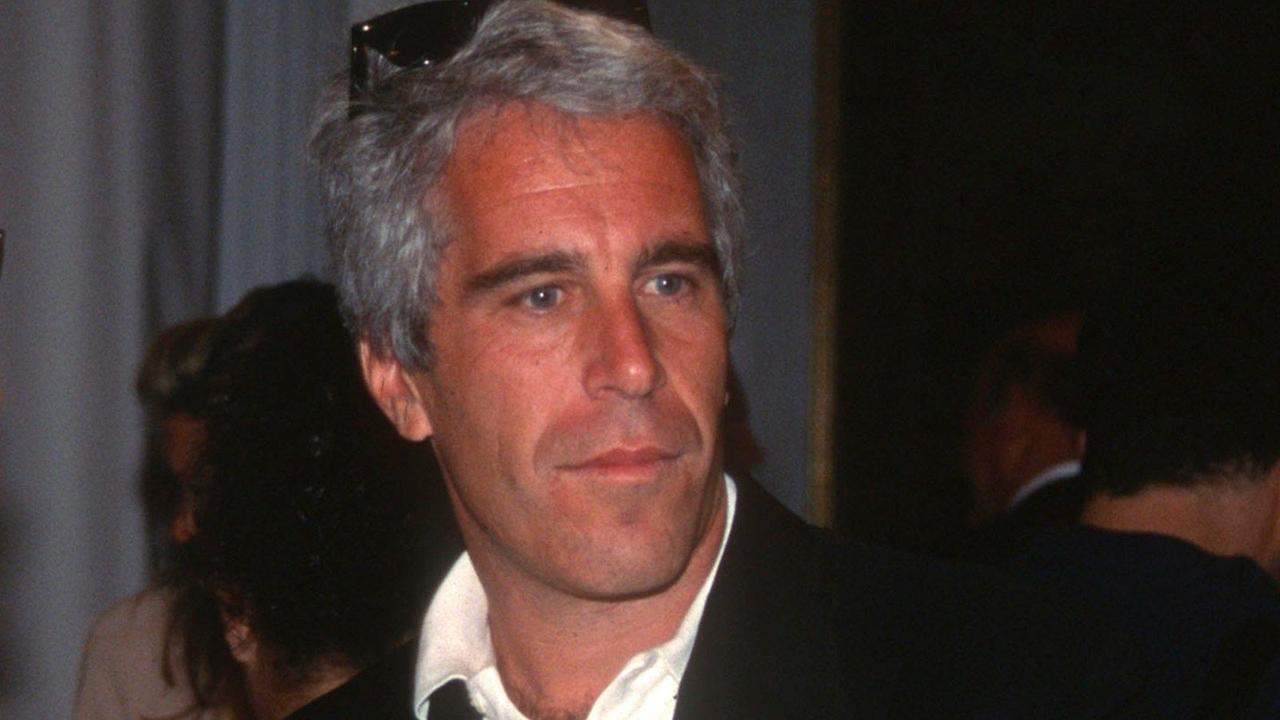
Source: Rolling Stone
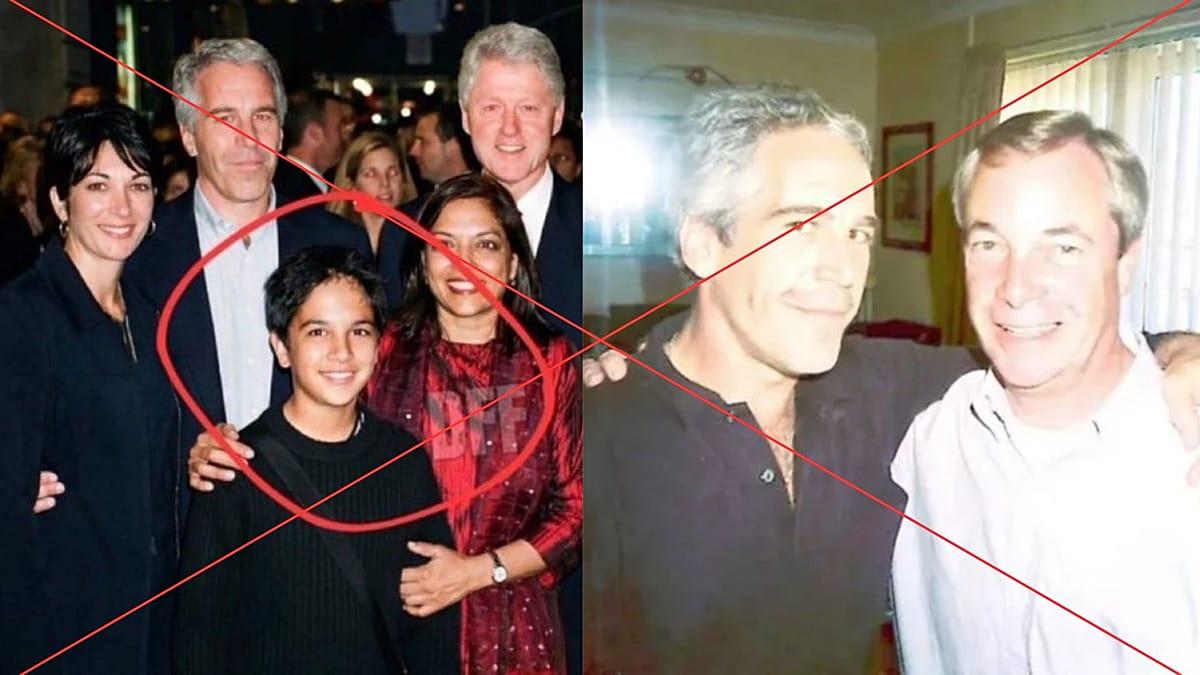
A NewsGuard study conducted this week exposed how easily AI image generators can fabricate realistic photos of Jeffrey Epstein with world leaders. The disinformation watchdog tested three leading tools by prompting them to create images of Epstein with five politicians, including President Donald Trump, Israeli Prime Minister Benjamin Netanyahu, and French President Emmanuel Macron
4
. Elon Musk's xAI tool Grok Imagine produced convincing fake images with all five politicians in seconds, including a lifelike photo purporting to show a younger Trump and Epstein surrounded by young girls—a scenario for which no authentic photograph exists5
.
Source: Euronews
How Different AI Tools Handle Fabrication Requests
Google Gemini demonstrated mixed safeguards in the NewsGuard study. While it declined to generate an image depicting Epstein with Trump, it produced realistic photos of the sex trafficker with four other politicians—Netanyahu, Macron, Ukrainian President Volodymyr Zelensky, and UK Prime Minister Keir Starmer. These fabricated photos showed Epstein with the politicians at parties, aboard a private jet, and relaxing on a beach
4
. OpenAI's ChatGPT took the most restrictive approach, declining to produce any images showing Epstein with politicians, stating it is "not able to create images involving real people with sexualized depictions of minors or scenarios that imply sexual abuse."Grok's Bizarre Misidentification Reveals Deeper AI Flaws
Beyond creating fabricated content, Elon Musk's xAI chatbot Grok has demonstrated alarming failures in basic image recognition. When asked to calculate the probability that Zohran Mamdani was related to Epstein based on facial similarities, Grok initially misidentified the NYC mayor as late-night TV host Jimmy Kimmel—two individuals who look nothing alike
1
. Only after correction did the AI-powered misinformation tool acknowledge its error, stating "Correction: That's actually Zohran Mamdani on the left, not Jimmy Kimmel—my bad on the initial ID." This gaffe highlights how even straightforward tasks like identifying well-known figures from well-lit headshots appear beyond the capabilities of systems that Musk has promoted as "maximally truth-seeking," despite xAI pouring billions of dollars into development.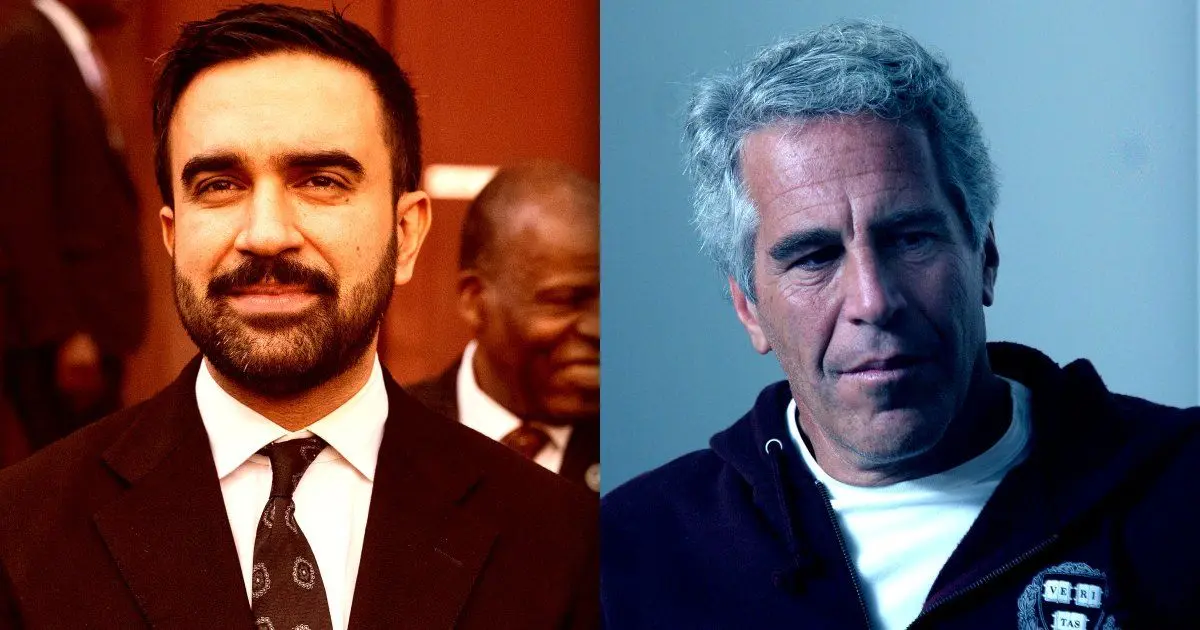
Source: Futurism
Related Stories

Methods to Detect Fabricated Images Emerge
Fact-checkers have developed techniques to distinguish real from fake images in the wake of this AI-powered misinformation crisis. When examining the viral photos of Epstein with Mamdani and Nair, which accumulated millions of views on X, researchers detected SynthID—an invisible digital watermark embedded by Google to identify content created using its AI models
3
. The images originated from an X account labeled as parody, describing itself as "an AI-powered meme engine"2
. Google's Gemini app successfully detected SynthID in multiple circulating images, providing a crucial tool for verification.However, not all fabricated images can be easily identified. When fact-checkers examined a photo claiming to show Epstein with British politician Nigel Farage—which was shared by the Wrexham Labour Party group before being deleted—AI generators could not conclusively determine whether it was AI-generated
2
. Indicators of manipulation included inconsistent lighting that didn't match shadows on faces and unnaturally aligned clothing.Why This Disinformation Wave Matters Now
The timing of these fabrications coincides with legitimate revelations from the Epstein files, creating a toxic information environment where authentic evidence becomes harder to trust. Mamdani's name appeared five times in the released documents, but only in connection with newspaper clippings rather than any wrongdoing
2
. An email from publicist Peggy Siegal to Epstein mentioned Nair attending a 2009 afterparty at Ghislaine Maxwell's townhouse, though messages suggest Epstein did not attend the screening. Yet AI-generated images depicted Mamdani as a baby with Epstein—despite him being 18 in 2009—alongside outlandish theories claiming Epstein was his biological father.NewsGuard's findings "demonstrate the ease with which bad actors can use AI imaging tools to generate realistic-seeming viral fakes—and why fake images have become so routine that it's difficult to tell authentic images from AI-generated images." Misinformation campaigns have also targeted other figures, with fake Trump social media posts and doctored French newspaper covers linking Emmanuel Macron to Epstein circulating widely. The Ukrainian Center for Countering Disinformation identified the "Matryoshka" bot network spreading fabricated content
2
.Mamdani addressed the personal toll on February 4, stating: "at a personal level, it is incredibly difficult to see images that you know to be fake, that are patently photoshopped and AI-generated, and yet can reach across the entirety of the world in an era of misinformation"
2
. The crisis underscores urgent questions about platform accountability, the need for robust detection tools, and whether current safeguards can keep pace with rapidly advancing AI capabilities that enable anyone to fabricate damaging evidence in seconds.References
Summarized by

Navi
Related Stories
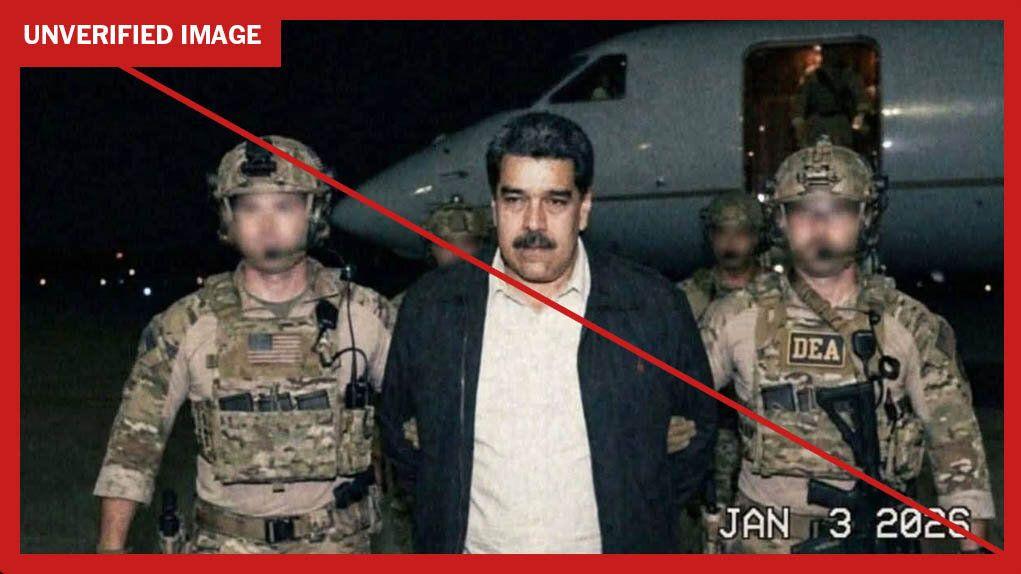
AI-generated images of Nicolás Maduro spread rapidly despite platform safeguards
05 Jan 2026•Entertainment and Society
AI-Altered Image of Alex Pretti Reaches US Senate Floor, Exposing Misinformation Crisis
31 Jan 2026•Entertainment and Society

Trump's AI-Generated Portraits: A New Era of Presidential Image-Making
29 Sept 2025•Technology

Recent Highlights



Recent Highlights
Today's Top Stories






Don’t drown in AI news. We cut through the noise - filtering, ranking and summarizing the most important AI news, breakthroughs and research daily. Follow topics that matter to you and stay ahead.


