Hibernation's Genetic Secrets: Unlocking Human 'Superpowers' for Medical Breakthroughs


3 Sources
[1]
Researchers trace metabolic superpowers of hibernators to shared DNA
University of Utah HealthAug 1 2025 Animals that hibernate are incredibly resilient. They can spend months without food or water, muscles refusing to atrophy, body temperature dropping to near freezing as their metabolism and brain activity slow to a crawl. When they emerge from hibernation, they
[2]
Hibernation’s Hidden Healing â€~Superpowers’ Could Be Locked in Our DNA
Scientists found genetic elements linked to hibernation in the human genome. Tapping into them could produce a new wave of medical treatments. After spending months without eating, drinking, or moving, hibernating mammals must rebound from extreme physiological changes. Two new studies suggest
[3]
Hibernator "Superpowers" May Lie Hidden in Human DNA | Newswise
Newswise -- Animals that hibernate are incredibly resilient. They can spend months without food or water, muscles refusing to atrophy, body temperature dropping to near freezing as their metabolism and brain activity slow to a crawl. When they emerge from hibernation, they recover from dangerous
Share
Copy Link
New research suggests that the genetic 'superpowers' of hibernating animals may be hidden in human DNA, potentially leading to treatments for diseases like Alzheimer's and type 2 diabetes.
Unveiling Hibernation's Genetic Secrets
Recent genetic research has revealed that the remarkable resilience of hibernating animals might be encoded within human DNA, potentially paving the way for groundbreaking medical treatments. Two studies published in Science have shed light on the genetic underpinnings of hibernation and their potential applications in human health
1
2
3
.
Source: News-Medical
The FTO Locus: A Key Player in Metabolic Regulation
Researchers at the University of Utah Health have identified a gene cluster called the "fat mass and obesity (FTO) locus" as crucial for hibernators' abilities. Intriguingly, humans also possess these genes. Dr. Chris Gregg, senior author of the studies, notes that this region is "the strongest genetic risk factor for human obesity"
1
. However, hibernators appear to utilize these genes in novel ways to their advantage.The team discovered hibernator-specific DNA regions near the FTO locus that regulate the activity of neighboring genes. These regulatory regions seem to allow hibernators to gain weight before winter and then slowly use their fat reserves during hibernation
1
3
.Hibernator-Specific DNA Regions and Metabolic Flexibility
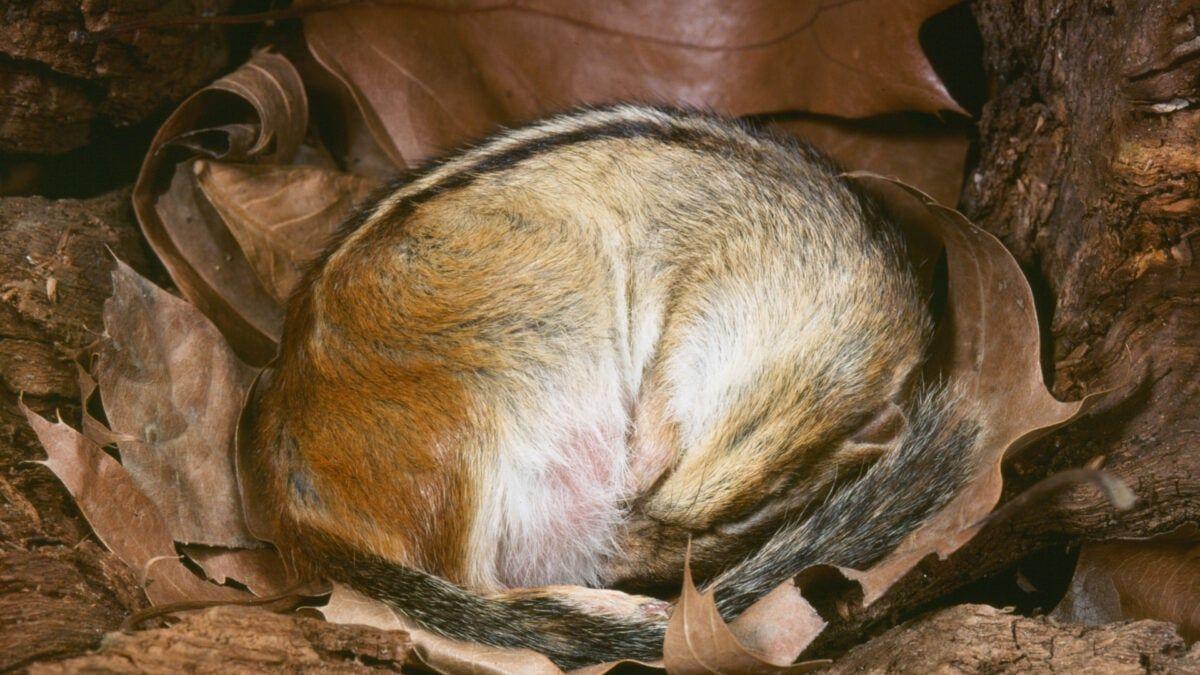
Source: Gizmodo
The researchers found that the hibernator-specific regulatory regions outside the FTO locus play a crucial role in fine-tuning metabolism. When these regions were mutated in mice, it led to changes in weight and metabolism. Some mutations affected weight gain under specific dietary conditions, while others influenced the ability to recover body temperature after a hibernation-like state or adjusted overall metabolic rate
1
3
.Potential Applications in Human Health
Understanding hibernators' metabolic flexibility could lead to better treatments for human metabolic disorders like type 2 diabetes. Elliott Ferris, a bioinformatician at U of U Health, suggests that if humans could regulate genes more like hibernators, it might be possible to overcome type 2 diabetes in the same way that hibernators return to a normal metabolic state after hibernation
1
3
.Uncovering the Genetic Basis of Hibernation
To identify the genetic regions involved in hibernation, the researchers employed multiple whole-genome technologies. They looked for DNA sequences shared by most mammals but recently changed in hibernators. Additionally, they identified genes that are affected during fasting in mice, which triggers metabolic changes similar to hibernation
1
2
3
.Related Stories

Implications for Human Health and Longevity

Source: Newswise
The research suggests that humans may already possess the genetic framework for hibernator-like "superpowers." Hibernators can reverse neurodegeneration, avoid muscle atrophy, maintain health despite massive weight fluctuations, and exhibit improved aging and longevity
1
3
.Susan Steinwand, a research scientist at U of U Health, emphasizes that humans have the genetic framework, but the challenge lies in identifying the control switches for these hibernator traits
1
3
.Future Directions and Potential Treatments
Chris Gregg, co-founder of Primordial AI, a biotech startup, aims to develop drugs that mimic the genetic advantages of hibernators. These could potentially boost neuroprotection in Alzheimer's patients or reverse insulin resistance in type 2 diabetics
2
.As research progresses, the hidden potential within human DNA may unlock new avenues for treating various diseases and enhancing human resilience, inspired by the remarkable abilities of hibernating animals.
References
Summarized by

Navi
Related Stories
AI Models CpGPT and MethylGPT Revolutionize DNA Methylation Analysis for Aging and Disease Prediction
12 Nov 2024•Science and Research

AI Uncovers New Cause and Potential Treatment for Alzheimer's Disease
26 Apr 2025•Science and Research
AI-Enhanced Gene Discovery Links Gpr45 to Obesity Control in Groundbreaking Study
07 Jun 2025•Science and Research

Recent Highlights



Recent Highlights
Today's Top Stories



Don’t drown in AI news. We cut through the noise - filtering, ranking and summarizing the most important AI news, breakthroughs and research daily. Follow topics that matter to you and stay ahead.


