Hideo Kojima Warns AI Can't Replace Human Creativity in Video Games


2 Sources
[1]
Hideo Kojima says AI can't replace human creativity in video games -- as he warns that craft is irreplaceable and 'I don't want a future where that's lost'
'It's the trial and error that gets the adrenaline pumping', he says * Famed game creator Hideo Kojima has voiced his opinions on AI * He said human creativity is a vital part of the game-development process * And he's worried about a future where AI dominates the industry Legendary games maker
[2]
Metal Gear creator Hideo Kojima says he'll be dead by then, but worries AI will eventually "play a key role" in creative fields: "Getting a finished picture is not what's fun about drawing"
He adds that "enjoying the process of creation" is what makes a creator Metal Gear and Death Stranding creator Hideo Kojima says that using AI in development may improve efficiency, but it removes the fun from creation. Speaking to Game*Spark (translated by Automaton), Kojima discusses how
Share
Copy Link
Legendary game creator Hideo Kojima voiced concerns about AI in creative fields, emphasizing that human creativity and craftsmanship are irreplaceable. Speaking to Game*Spark, the Metal Gear and Death Stranding creator argued that while AI improves efficiency, it removes the joy from the creative process itself—the trial and error that makes creation meaningful.
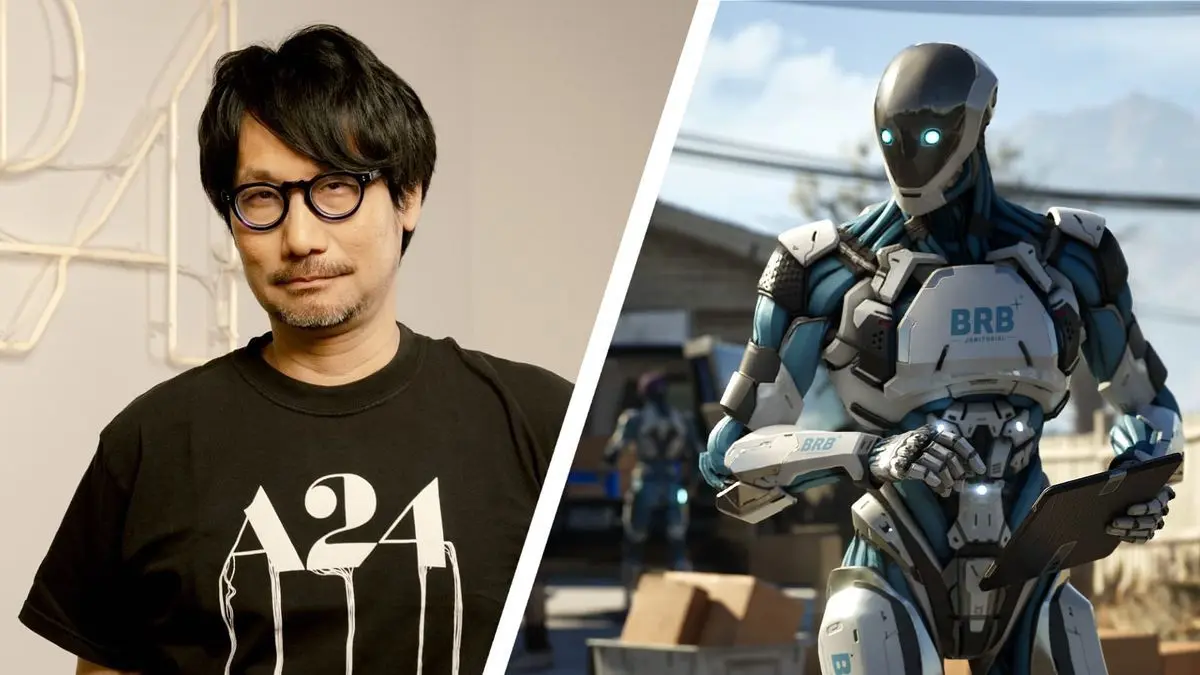
Kojima on AI: Efficiency Versus the Joy of Creation
Hideo Kojima, the legendary game creator behind Metal Gear and Death Stranding, has shared his perspective on AI in creative fields, warning that while the technology improves efficiency, it fundamentally undermines what makes creation meaningful
1
2
. Speaking to Japanese gaming site Game*Spark, Kojima drew a sharp distinction between using AI as a tool and relying on it for artistic expression. He acknowledged that AI has made development faster, allowing teams to meet deadlines more efficiently. However, he emphasized that "getting a finished picture is not what's fun about drawing; it's the process"2
. The game creator compared technological advancements like Photoshop and word processors to AI, noting that while these tools have improved efficiency over the past 40 years, AI presents a different challenge to human creativity.The Creative Process: What AI Cannot Replicate
Kojima's concerns center on craftsmanship and the irreplaceable nature of the creative process. He explained that simply prompting a computer to generate images until achieving a desired result lacks the satisfaction that comes from hands-on creation. "While it's fine to tell a computer to create this or that, and then say, 'That's wrong, change it,' I don't find that very interesting in terms of craftsmanship," Kojima stated
1
. He drew parallels to building plastic models or Lego sets, where the assembly process itself provides the enjoyment, not just the finished product. This trial and error approach is what "gets the adrenaline pumping" and makes creation engaging1
. Kojima's perspective aligns with other creative professionals, including Jason Graves, composer for Call of Duty: Modern Warfare 4, who argued that music is more than notes strung together—it's built on "creative instincts forged by emotion and all the little decisions that give a piece of art its own unique personality"1
.AI in Video Games: Products Versus Creativity
The Metal Gear creator made a crucial distinction between creating products and engaging in true creativity. "If you're just making a 'product,' that's fine, but I think the fun for creators lies in the creative process itself. I think 'creativity' and 'products' are different things," Kojima explained
1
. This distinction matters because AI in video games might help produce functional content quickly, but it cannot replace human creativity that gives games their unique personality and artistic expression. Kojima noted that "enjoying the process of creation" is what defines a creator2
. His games, known for their distinctive vision and innovative storytelling, exemplify how human creativity resonates with audiences in ways that purely efficiency-driven development cannot achieve.Related Stories

Future of Creativity: A Warning for the Younger Generation
Looking ahead, Kojima expressed worry about what the future holds if AI continues unchecked in creative industries. "I'm worried about what will happen to that aspect of the enjoyment of craftsmanship in the future," he said
1
. While he believes things will remain stable for 5 to 10 years, he acknowledged that "if AI remains unrestricted, there might come a day when it starts playing a key role even in the creative field"2
. Kojima admitted he won't be around to see that future, stating it's up to the younger generation to decide how to handle AI's role in development1
. His message is clear: "I don't want a future where that's lost"—referring to the trial-and-error process that makes creation exciting1
. If the goal is purely efficiency, AI could contribute to a positive future, but for creators who value artistic expression and craftsmanship, the stakes are much higher. The question remains: will the industry prioritize speed and cost-cutting, or will it preserve the human elements that make games memorable?References
Summarized by

Navi
Related Stories
Hideo Kojima dismisses AI art after starring in controversial Prada promotion video
08 Jun 2026•Entertainment and Society
Hideo Kojima Has Mixed Feelings on DLSS 5 Because AI Can't Understand Creative Intent
05 Oct 2026•Entertainment and Society

Hideo Kojima opposes AI art creation but sees promise in enemy AI and control systems
19 Dec 2025•Technology
Recent Highlights



Recent Highlights
Today's Top Stories







Don’t drown in AI news. We cut through the noise - filtering, ranking and summarizing the most important AI news, breakthroughs and research daily. Follow topics that matter to you and stay ahead.


