Hyundai Delays In-House Atria AI System to 2029, Turns to Nvidia Partnership for 2028 Launch


4 Sources
[1]
Hyundai Motor to roll out in-house driver-assist system in 2029
SEOUL, Sept 13 (Reuters) - Hyundai Motor Group will launch vehicles equipped with its proprietary driver-assistance software in late 2029, two years later than planned, turning to Nvidia (NVDA.O), opens new tab in the interim to accelerate deployment. The South Korean automaker will partner with
[2]
Hyundai's Tesla FSD Rival Is Delayed To 2029. But It May Be Worth The Wait
* Hyundai is developing two driver-assistance systems in parallel to take on Tesla's Full Self-Driving (Supervised). * One will use Nvidia's platform and the other is being developed in-house. * The automaker plans to begin the rollout in 2028, with the in-house Atria AI Level 2++ system arriving
[3]
Hyundai pushes in-house autonomy to 2029, leans on Nvidia from 2028
Hyundai Motor Group will launch its driver-assistance software in late 2029, two years behind schedule. The automaker is partnering with Nvidia to deploy advanced systems in 2028. This shift highlights challenges in developing automated driving software internally. Hyundai plans to co-design
[4]
Hyundai Motor Group targets hands-free urban driving by 2029 - The Korea Times
Group plans Nvidia-powered vehicles from 2028 while developing its own system Hyundai Motor Group plans to start mass-producing vehicles capable of hands-free autonomous driving in urban areas in the second half of 2029, while launching vehicles using Nvidia's validated autonomous driving
Share
Copy Link
Hyundai Motor Group postponed its proprietary Atria AI autonomous driving software to late 2029, two years behind schedule. The automaker will partner with Nvidia to launch Level 2+ and Level 2++ driver-assistance systems in 2028, using the interim period to collect data from 7 million annual vehicle sales across 190 markets.
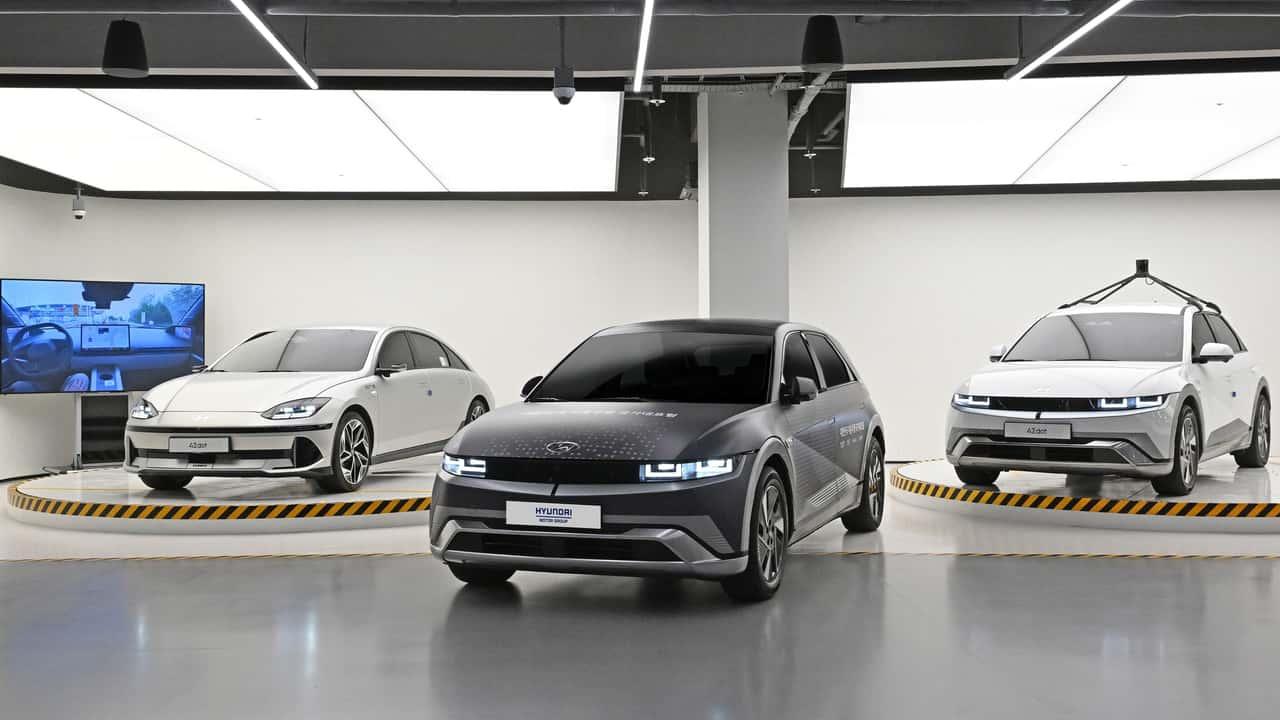
Hyundai Autonomous Driving Timeline Shifts as Automaker Embraces Two-Track Strategy
Hyundai Motor Group announced it will launch vehicles equipped with its proprietary Atria AI system in late 2029, marking a two-year delay from the originally planned late-2027 debut
1
. The South Korean automaker revealed during its autonomous driving media day that it will deploy advanced driver-assistance systems (ADAS) through a Nvidia partnership starting in 2028, with Level 2+ vehicles arriving in the first half and Level 2++ systems following in the second half2
. This strategic pivot underscores the significant challenges Hyundai faces in developing automated driving software in-house while raising questions about its deepening reliance on external technology providers3
.The delay has intensified concerns that Hyundai could fall further behind Tesla and Chinese competitors in the race to commercialize vehicle autonomy. Park Min-woo, a former Nvidia executive who joined Hyundai Motor Group as president in January, emphasized that the Nvidia partnership represents a calculated acceleration strategy rather than abandoning internal development. "Our partnership with Nvidia is not about leaving our destiny entirely in their hands," Park stated during the media briefing
1
. His approach marks a distinct shift from his predecessor Song Chang-hyeon, who focused heavily on internal software development before his abrupt departure in December.Nvidia Partnership Powers Interim Solution with Hyperion 10 Platform
Hyundai vehicles launching in 2028 will run on Nvidia's Drive Hyperion 10 architecture, a platform capable of supporting everything from Level 2 supervised ADAS up to unsupervised Level 4 autonomy
2
. The initial deployment will bypass expensive lidar sensors in favor of cameras, ultrasonic sensors, and radar to manage costs while maintaining functionality1
. However, Hyundai is considering lidar sensors for its Level 3 automated systems, which allow hands-free driving under specific conditions, though no timeline for Level 3 commercialization has been provided.Park explained the rationale behind sensor redundancy: "To truly ensure safety, we believe sensor redundancy is critical: if one sensor fails, others must be able to maintain safe operation"
1
. The Level 2+ systems will enable hands-free highway driving, while Level 2++ systems will handle more complex urban driving scenarios similar to Tesla's Full Self-Driving system, though both still require driver supervision3
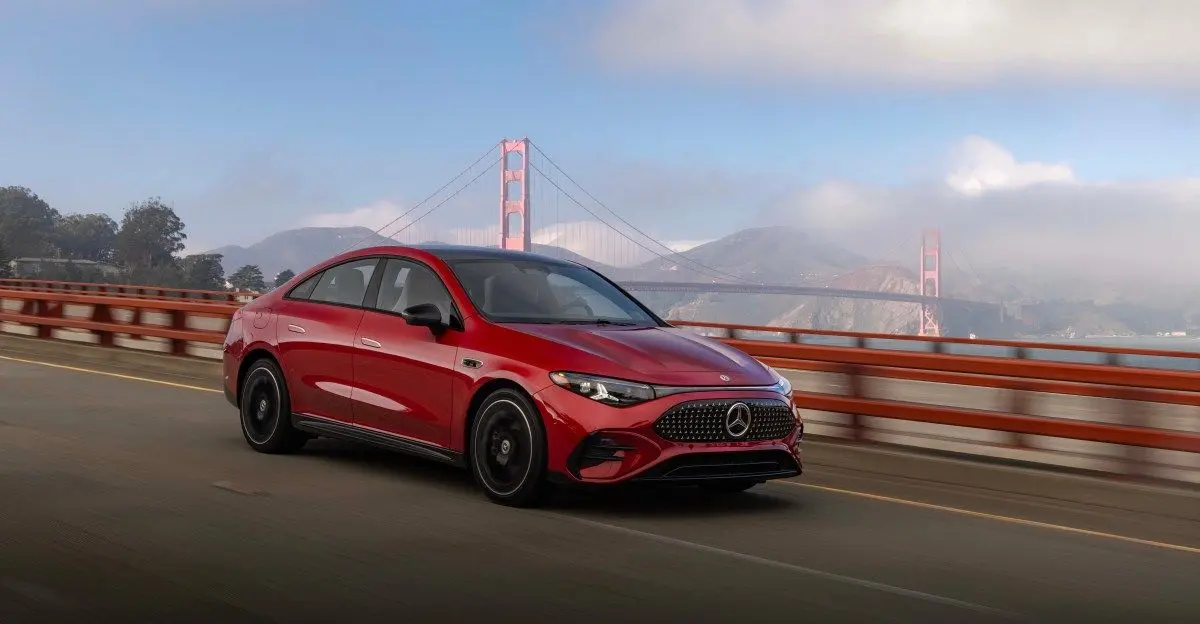
. Mercedes-Benz also uses the Nvidia Drive Hyperion platform for its MB.Drive Assist Pro system with a similar camera-and-radar approach.Data Flywheel Strategy Leverages 7 Million Annual Vehicle Sales
The Hyundai Motor Group strategy centers on leveraging its massive global footprint to accelerate autonomous driving development. Hyundai and affiliate Kia Corp together rank as the world's third-largest automaker with annual sales exceeding 7 million vehicles across approximately 190 markets
1
4
. The automaker plans to use this global fleet scale to harvest data and train its autonomous driving technology through what it calls the Data Flywheel system, which creates a continuous cycle of data collection, AI training, validation, and deployment4
.Park explained that Hyundai will co-design the technology with Nvidia and use the data from the Nvidia-powered system to train and refine its own Atria AI software platform
1
. The company currently operates about 40 dedicated data-collection vehicles and is standardizing sensor systems across Hyundai Motor, Kia, 42dot, and Motional around Nvidia's DRIVE Hyperion 10 architecture4
. Hyundai expects to surpass competitors in accumulated driving data by 2033, though the company did not disclose its current cumulative data1
4
.Related Stories
Atria AI Development Targets Tesla FSD Rival Status
The in-house Atria AI autonomous driving system represents Hyundai's answer to Tesla's Full Self-Driving (Supervised) technology
2
. The system will use an end-to-end AI model, meaning an AI model will take in sensor inputs and directly output driving commands. This approach is being jointly developed by Hyundai's Advanced Vehicle Platform (AVP) Division and 42dot, its autonomous driving software subsidiary4
. Footage released during the media day showed an Ioniq 5 equipped with the latest ADAS navigating Seoul's congested Gangnam District, demonstrating hands-free urban driving capabilities2
.Junghyun Kwon, head of Hyundai Motor Group's autonomous driving development center, emphasized the importance of rapid iteration: "Autonomous driving competitiveness depends not on how much data you secure, but on how rapidly you can connect data to learning, validation and performance improvement"
2
. The company is also developing vision-language-action models (VLA) alongside its end-to-end technology, with plans to begin real-vehicle testing between late this year and early next year4
. Park defended the delayed timeline as a strategic choice, stating: "We made a strategic decision to slow down. Rushing into mass production now risks delivering a middling Level 2++ system, far short of our real target"2
.Broader Collaboration Extends to AI Data Centers and Humanoid Robots
The Hyundai Motor Group is deepening collaboration with Nvidia across multiple fronts beyond autonomous driving, including artificial intelligence data centers and humanoid robots developed by Hyundai-owned Boston Dynamics
1
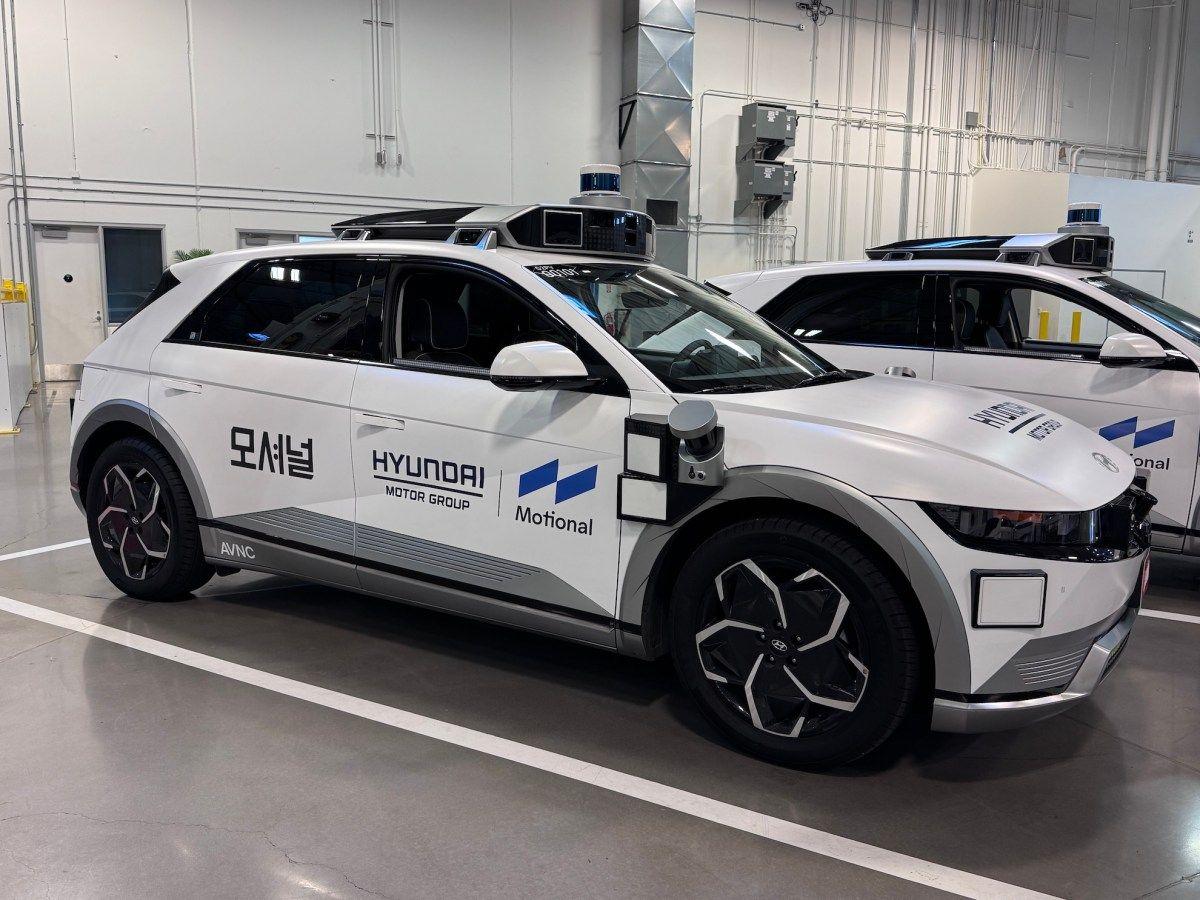
. The automaker's autonomy ambitions extend to robotaxis through its AV division Motional, with plans to roll out the first Ioniq 5 robotaxis in Las Vegas by the end of this year2
. Separately, Hyundai is supplying Ioniq 5 robotaxis to Waymo, with vehicles expected to join that fleet by the end of this year.The group plans to conduct a real-world Level 4 autonomous driving pilot in Gwangju by the end of this year in partnership with the Ministry of Land, Infrastructure and Transport, using the resulting data to further train and validate its AI systems
4
. The competitive landscape remains challenging, with Tesla estimated to have accumulated about 7 billion miles of real-road driving data by the end of last year, while Waymo and Baidu had accumulated about 160 million kilometers and 110 million kilometers respectively by mid-last year4
. Jeong Seong-gyun, a group lead at 42dot's Atria Division, expressed confidence: "Once mass production of autonomous driving systems begins in earnest, we could surpass the amount of data accumulated by competitors within five years"4
.References
Summarized by

Navi
Related Stories
Nvidia expands autonomous driving platform to BYD, Geely, and Hyundai Motor Group
17 Mar 2026•Technology

Motional targets 2026 for driverless robotaxi service in Las Vegas with AI-first reboot
12 Jan 2026•Technology
Hyundai Motor Group and NVIDIA Forge Strategic AI Partnership for Future Mobility
10 Jan 2025•Technology

Recent Highlights



Recent Highlights
Today's Top Stories






Don’t drown in AI news. We cut through the noise - filtering, ranking and summarizing the most important AI news, breakthroughs and research daily. Follow topics that matter to you and stay ahead.


