2 Sources
[1]
'A miserable number': Iran war and AI spending drove inflation to a 3-year high | Fortune
Economists have been calling it for weeks, and now it's finally here. Inflation spiked to 3.8% last month, according to the April Consumer Price Index, released on Tuesday. It's the sharpest reading consumers have seen in three years, since Russia invaded Ukraine, spiking fuel prices and sending inflation to 4% in 2023. But unlike the massive spike of that crisis -- which hit quickly and broadly, igniting inflation across nearly two-thirds of the CPI basket almost overnight -- this oil shock has a more pernicious nature. For one, it's been slower to hit: crude markets have defied experts' prognostications of doom as traders steadily rebalanced and tried to "look through" the crisis. Oil has stayed well below the $150 price hikes that some had imagined just weeks earlier, when oil markets were first rocked by the effective closure of the Strait of Hormuz thanks to the outbreak of the Iran war. Still, gasoline is up 28.4% over the year, Tuesday's inflation data showed, and 5.4% just on the month. Fuel oil is up 54.3% year-over-year. And unlike the Russia-Ukraine-driven energy crisis, this is "more than just an energy crisis," said Diane Swonk, chief economist at KPMG. "It is a supply chain disruption, and that's important -- and you're only beginning to see the effects," Swonk told Fortune. She added that accelerating food prices -- grocery prices climbed 0.7% in April -- mean the shortage of diesel, a critical fuel for agricultural equipment and shipping vessels, is beginning to pass through almost exactly on schedule. "Diesel hits everything. It hits shipping costs. There are very low margins," she said. "We knew the spillover effects from the war in Iran would hit within four to six weeks. And there you got it, in April." Computers and electronics are climbing too, Swonk noted, but for a separate reason: memory chip shortages tied to the AI buildout, which she said will "only worsen" as supply chains tighten for inputs like helium. The tipping point comes "later this year," she said. Meanwhile, the electricity number -- up 2.1% in a single month -- is the AI data center load showing up on consumer bills. "It's intensifying the backlash that we're seeing growing towards data center construction at the state and local level," Swonk added. "In particular, it'll be on the ballot in November." The print arrives weeks before Kevin Warsh is set to take over as Fed chair, where the "dual mandate" of full employment and keeping inflation below 2% will be incumbent on him. Swonk did not envy the handoff. "It's not something I wish on anyone in central banking," she said. "There are no easy options." The trouble is that the labor market looks better on paper than it feels to most Americans, particularly the youngest ones. If the Fed tries to hike rates to stave off inflation, it risks damaging an already vulnerable labor market. If it cuts rates or stays on pause to give the labor market room to strengthen, it risks stoking a more persistent bout of higher prices. "That is a no-win situation for someone coming in at the helm of the Federal Reserve in a year where affordability is already getting worse instead of better," Swonk said. There were some softer points in the CPI report. The cost of new vehicles fell 0.2%, and medical care commodities dropped 0.4%. Used cars were flat after months of declines. Swonk attributed some of the goods softness to demand destruction -- when prices stay too high for too long and people shift away. "It gets to the inequality problem too, because affluent buyers can support and absorb those shocks much more than low-income households -- but many of those services seep into what low-income households have to pay," Swonk said. Brian Mulberry, chief market strategist at Zacks Investment Management, agreed, pointing to the soft used-car and medical-care prints as "very early" signs of consumers pulling back on discretionary spending -- a pattern that, if it holds through the summer, would be "a bearish signal that rates will not move lower as the market had expected." Other forecasters were somewhat more sanguine. Oxford Economics lead US economist Bernard Yaros wrote that tariff effects and energy passthrough were "evident in the core measure, but there was also significant noise," and kept his call for the Fed to remain on pause through year-end. Markets, having long ignored the Iran war, dipped a little on Tuesday after the report. The 10-year Treasury yield moved past 4.43% on the print. For Swonk, the bottom line was simpler. "It's a miserable number," she said. "There's just no other more regressive tax on consumers than inflation."
[2]
Searing U.S. energy prices are driving the hottest inflation in years
Mary Cunningham is a reporter for CBS MoneyWatch. She previously worked at "60 Minutes," CBSNews.com and CBS News 24/7 as part of the CBS News Associate Program. The global oil supply shock stemming from the Iran war is scorching U.S. motorists and other consumers, new federal data makes clear. Higher energy prices accounted for 40% of the total jump in inflation in April, when the Consumer Price Index surged at an annual rate of 3.8% -- the fastest increase in nearly three years. The index for gasoline prices last month was up more than 28% from a year ago, the Department of Labor found. Overall energy costs -- which includes gas, heating oil and electricity -- last month rose nearly 18% from a year ago. For millions of workers, the spike in prices over the last two months means inflation is now outpacing wage growth, Wall Street analysts noted. "That is a very clear illustration of the impact that higher energy prices are having in squeezing households' real wages," Brian Coulton, chief economist at Fitch Ratings, said in an email, warning that headline inflation could top 4% by the time the government releases the next CPI report in early June if oil prices remain elevated. A gallon of gasoline around the country now costs an average of $4.50, up more than $1.50 since the war started, according to AAA. And in a forecast on Tuesday, the U.S. Energy Information Administration estimated that retail gas prices will average $3.88 per gallon over the rest of the year and $3.62 per gallon in 2027. Before the Middle East conflict erupted in February, the national average for a gallon of gas hovered just below $3. Patrick De Haan, a petroleum expert at GasBuddy, estimates that Americans have spent an additional $28 billion on gas since March 1 due to higher prices. Of that figure, he estimated that $22 billion in additional fuel costs stem directly from the Iran war. Trump administration officials have said they expect the disruption in oil flows due to the Middle East conflict to be temporary and that U.S. gas prices will quickly recede once crude supplies resume. "The April CPI report reinforces, however, that President Trump's long-term economic agenda continues to deliver despite these disruptions: Drug and hospital services prices are declining thanks to the President's Most-Favored-Nation and price transparency initiatives, while trillions in investments continue to drive robust real wage growth for manufacturing and construction workers," White House spokesman Kush Desai said in a statement to CBS News. Electricity prices around the U.S. also are shooting up, rising an average of 6.1% in April from a year ago. The increase comes as technology companies race to boot up data centers capable of supplying the vast amounts of energy needed to power AI services. In a recent report, Goldman Sachs analysts said they expect increased electricity demand from the data center boom to boost inflation over the next two years. Airfares are another area where consumers are feeling the sting, with ticket prices up nearly 21% in April from a year ago, the CPI data shows. Airlines are hiking their prices to absorb higher jet fuel costs, which are up by more than $1.50 since before the war started, according to data from Airlines for America, a trade association. Consumers could also see higher grocery prices as the Iran war drives up the cost of diesel, which is widely used in transportation, shipping and agriculture. Diesel averaged $5.64 a gallon on Tuesday, just 18 cents below its record high in June 2022, according to AAA. Food prices in April were up 3.2% from a year ago, according to the latest CPI data. Economists expect U.S. inflation to accelerate in the coming months as the impact from the war works its way through the economy. "Even if the war in Iran were to end today, the tail of the economic crisis it has created will last months or longer, from gasoline to food to utility prices," Janelle Jones, visiting senior fellow at the progressive Century Foundation and former chief economist at the Department of Labor, said in an email. Gregory Daco, chief economist at EY-Parthenon, thinks the annual rate of inflation will surpass 4% in May, while core inflation (which strips out volatile food and energy costs) will approach 3%. Core inflation in April was 2.8%, just above the 2.7% predicted by economists polled by FactSet. With inflation drifting further from the Federal Reserve's 2% target rate, many economists now predict the central bank won't cut interest rates at all this year.
Share
Copy Link
U.S. inflation surged to 3.8% in April, marking the sharpest increase since 2023. The Iran war disrupted oil supplies, sending gasoline prices up 28.4% year-over-year, while AI data centers drove electricity costs higher. Supply chain disruptions and memory chip shortages tied to AI buildout are intensifying price pressures across multiple sectors.
Inflation climbed to 3.8% in April according to the Consumer Price Index released on Tuesday, marking the hottest inflation in years and the sharpest reading consumers have experienced since 2023 when Russia's invasion of Ukraine drove prices to 4%
1
. Unlike previous energy shocks that hit broadly and quickly, this crisis has unfolded more gradually as traders attempted to navigate the effective closure of the Strait of Hormuz following the outbreak of the Iran war1
.Higher energy prices accounted for 40% of the total jump in inflation last month, with soaring energy prices delivering a severe blow to household budgets
2
. Gasoline prices surged 28.4% over the year and 5.4% in April alone, while fuel oil climbed 54.3% year-over-year1
. A gallon of gasoline now costs an average of $4.50 nationwide, up more than $1.50 since the war started2
."This is more than just an energy crisis," said Diane Swonk, chief economist at KPMG. "It is a supply chain disruption, and that's important -- and you're only beginning to see the effects" . The shortage of diesel, a critical fuel for agricultural equipment and shipping vessels, is passing through to consumer prices exactly on schedule, with increased fuel costs hitting shipping and food production
1
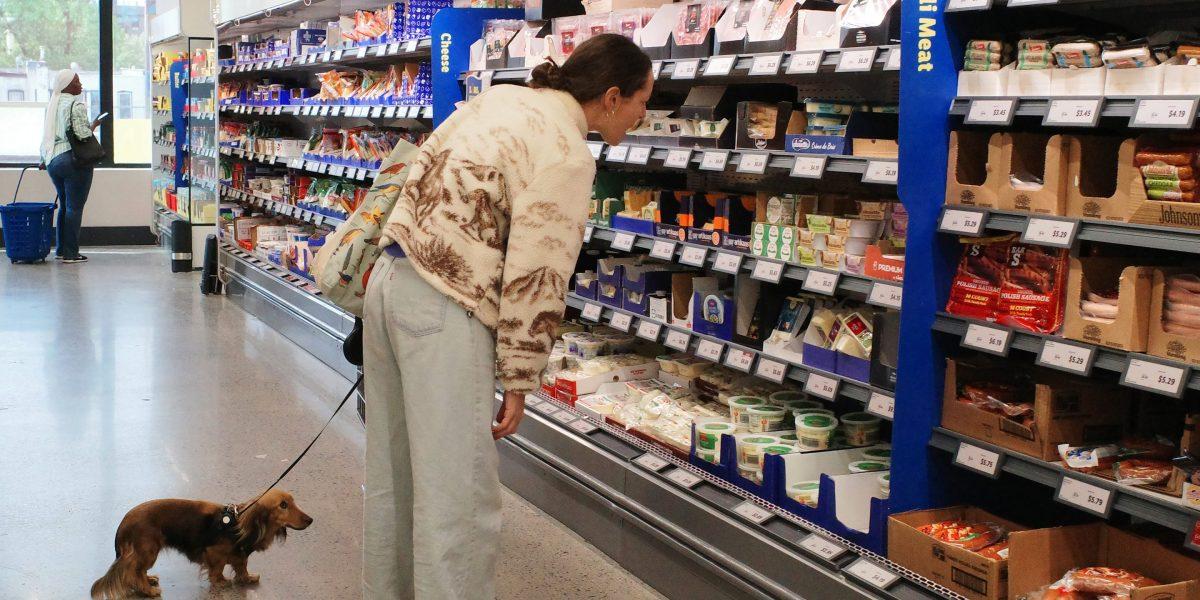
.Grocery prices climbed 0.7% in April, while overall food prices rose 3.2% from a year ago
1
2
. Diesel costs averaged $5.64 a gallon on Tuesday, just 18 cents below its record high from June 20222
. Patrick De Haan, a petroleum expert at GasBuddy, estimates that Americans have spent an additional $28 billion on gas since March 1, with $22 billion in additional fuel costs stemming directly from the Iran war2
.AI spending is creating a separate inflationary channel that compounds energy-related pressures. Electricity demand from data centers drove electricity costs up 2.1% in a single month, representing the AI data center load showing up on consumer bills
1
. Overall electricity bills rose 6.1% in April from a year ago as technology companies race to boot up data centers capable of supplying the vast amounts of energy needed to power AI services2
.Memory chip shortages tied to the AI buildout are driving up prices for computers and electronics, with Swonk warning these pressures will "only worsen" as supply chains tighten for inputs like helium
1
. Goldman Sachs analysts expect increased electricity demand from the data center boom to boost inflation over the next two years2
.Related Stories
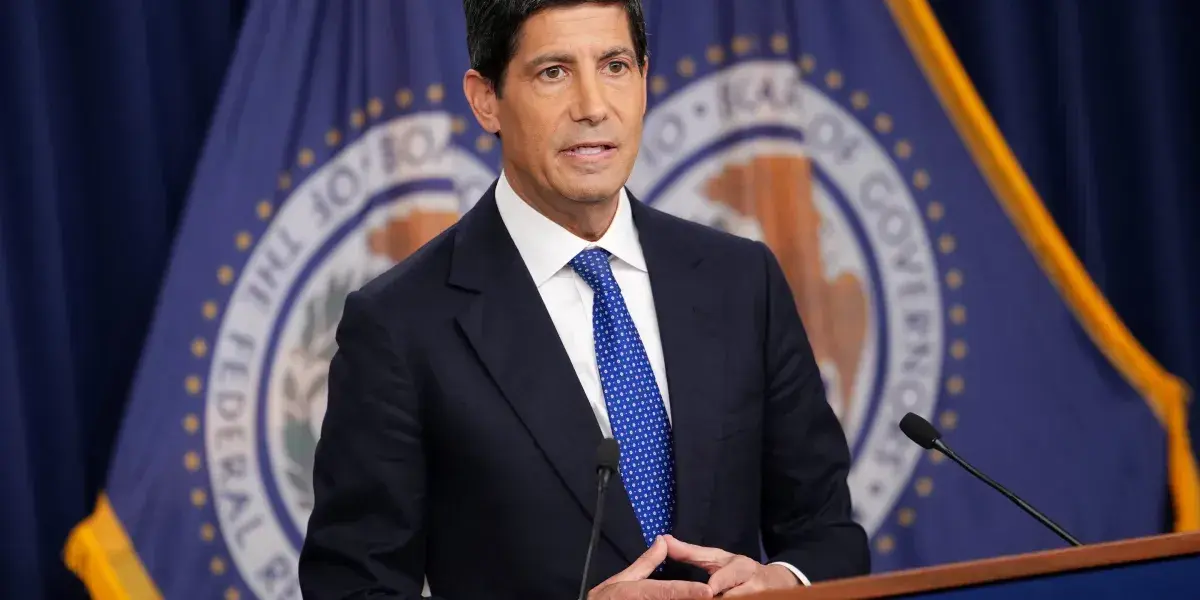
The inflation spike arrives weeks before Kevin Warsh is set to take over as Federal Reserve chair, where balancing full employment and keeping inflation below 2% will test policymakers. For millions of workers, the spike in prices over the last two months means inflation is now outpacing wage growth, squeezing real wages
2
.If the Federal Reserve hikes rates to combat inflation, it risks damaging an already vulnerable labor market. If it cuts rates or stays on pause to give the labor market room to strengthen, it risks stoking more persistent higher consumer prices
1
. Many economists now predict the central bank won't cut interest rate cuts at all this year, with some forecasting inflation could surpass 4% in May2
.Economists expect U.S. inflation to accelerate in the coming months as the impact from the war works its way through the economy. "Even if the war in Iran were to end today, the tail of the economic crisis it has created will last months or longer, from gasoline to food to utility prices," said Janelle Jones, visiting senior fellow at the Century Foundation and former chief economist at the Department of Labor
2
.Summarized by
Navi
[1]
1
Science and Research

2
Technology

3
Policy and Regulation