Koji Fukada warns AI undermines the creative process by skipping essential artistic steps


3 Sources
[1]
At Cannes, Japanese director Fukada says AI undermines the creative process
CANNES, France, May 14 (Reuters) - Using artificial intelligence to "jump straight to the result" could mean art fails to achieve its purposes of self-expression and to deepen our understanding of the world, Japanese filmmaker Koji Fukada said at the Cannes Film Festival on Thursday. He said his
[2]
At Cannes, Japanese Director Fukada Says AI Undermines the Creative Process
CANNES, France, May 14 (Reuters) - Using artificial intelligence to "jump straight to the result" could mean art fails to achieve its purposes of self-expression and to deepen our understanding of the world, Japanese filmmaker Koji Fukada said at the Cannes Film Festival on Thursday. He said
[3]
At Cannes, director Koji Fukada says AI undermines the creative process
CANNES, France - Using artificial intelligence to "jump straight to the result" could mean art fails to achieve its purposes of self-expression and to deepen our understanding of the world, Japanese filmmaker Koji Fukada said at the Cannes Film Festival on Thursday. He said his new drama "Nagi
Share
Copy Link
Japanese director Koji Fukada voiced concerns about artificial intelligence in art at the Cannes Film Festival, arguing that AI tools allow creators to bypass the essential process of creation. His new film Nagi Notes, competing for the Palme d'Or, explores the human process of sculpting as a counter-narrative to AI-driven shortcuts in creative work.
Japanese Director Challenges AI's Role in Art at Cannes
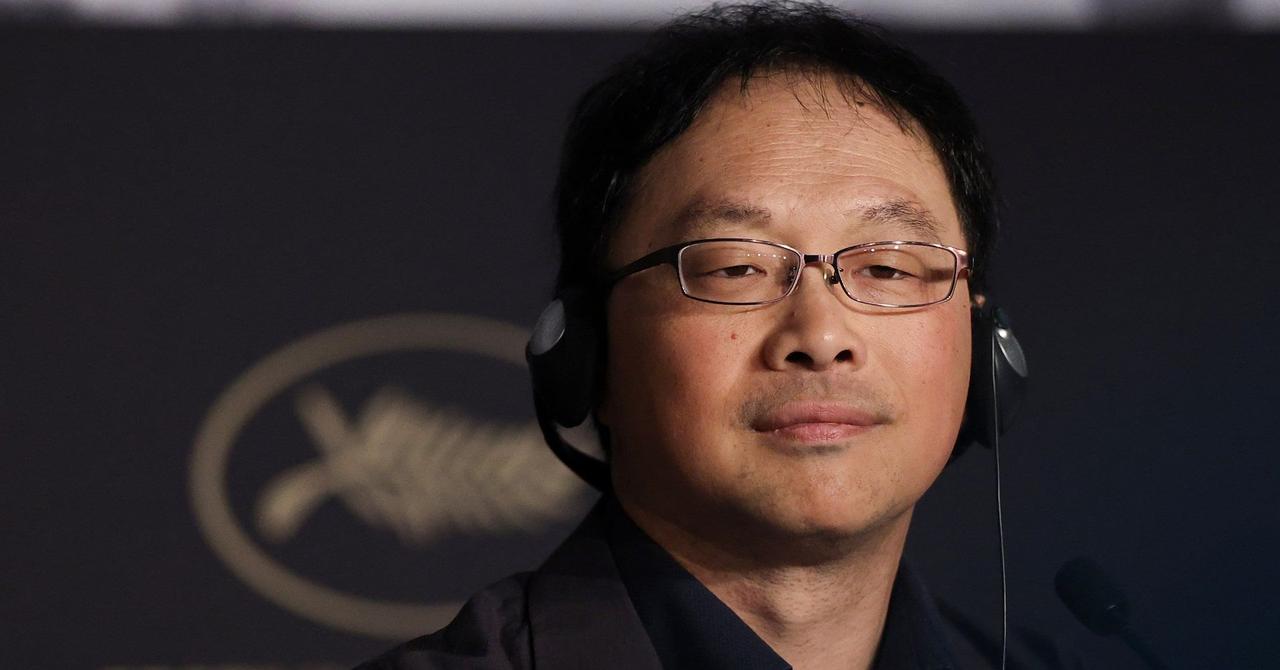
Japanese director Koji Fukada delivered a pointed critique of artificial intelligence in creative work at the Cannes Film Festival on Thursday, warning that AI undermines the creative process by allowing artists to jump straight to the result without engaging in the transformative journey of making art
1
. Speaking about his latest film "Nagi Notes," which is competing among 22 titles for the festival's prestigious Palme d'Or prize, Fukada emphasized that the human process of creation serves purposes far beyond producing finished works2
.
Source: Reuters
The Essential Process AI Bypasses
"When AI is used to create an artwork or produce a video, you effectively skip over the process and jump straight to the result and, in so doing, we, who ought to be the ones expressing ourselves, lose sight of the very process in which we are to increase our understanding of the world," Fukada explained
3
. His concern centers on how AI tools bypass the essential process of creation, potentially robbing artists of the self-discovery and deeper comprehension that emerges through the act of making. This perspective positions the creative process not merely as a means to an end, but as integral to art's dual purposes of self-expression and expanding human understanding of the world1
.Nagi Notes: A Meditation on Human Creation
Fukada's new drama "Nagi Notes," set in rural Japan, directly engages with these themes through its focus on sculpting and the deliberate, tactile human process involved in creating a sculpture. The film stars Shizuka Ishibashi as Yuri, a Tokyo-based architect who travels to the western Japanese village of Nagi to visit her friend and former sister-in-law, Yoriko, played by Takako Matsu, to pose for a sculpture
1
. The narrative also follows Yuri and Yoriko as they connect with two young boys in the village, Keita and Haruki, providing them with a safe haven for exploring their homosexual relationship.Related Stories

Fukada's Cannes Legacy and Future Vision
This marks Fukada's fourth appearance at the Cannes Film Festival, following his 2016 film "Harmonium," which won the Jury Prize in the Un Certain Regard section, his 2020 title "The Real Thing" in official selection, and last year's "Love on Trial" in the Cannes Premiere sidebar section
1
. When asked about the portrayal of the boys' relationship in "Nagi Notes," Fukada expressed hope for a future where such questions become obsolete: "I hope that in 10, 20 or 30 years' time or longer, when it's commonplace for characters of all sexual orientations to appear in dramas, that such questions will become obsolete". The Palme d'Or winner will be announced on May 23, positioning Fukada's meditation on filmmaking and art against the backdrop of an industry increasingly grappling with AI's role in creative production.References
Summarized by

Navi
Related Stories
AI in Film Divides Hollywood as Studios Shift from Clip Generation to Full Production Workflows
19 May 2026•Entertainment and Society

AI Film Festival Showcases the Future of Movie Making
07 Jun 2025•Technology

AI Revolution Reshapes Film Industry as 90% of Professionals Already Use the Technology
21 Feb 2026•Entertainment and Society
Recent Highlights



Recent Highlights
Today's Top Stories



Don’t drown in AI news. We cut through the noise - filtering, ranking and summarizing the most important AI news, breakthroughs and research daily. Follow topics that matter to you and stay ahead.


