Jensen Huang predicts AI cybersecurity will be next major market after coding tools


2 Sources
[1]
Jensen Huang Predicts New AI Models Will Drive Massive Cybersecurity Demand | PYMNTS.com
Speaking at the Goldman Sachs Communacopia + Technology conference, Huang said: "The reason why there's so much conversation today about cybersecurity is because the industry is getting ready to launch some products, and what better way to create demand than to create a problem. Who doesn't want
[2]
Nvidia CEO Jensen Huang says cybersecurity will be AI's next big market after coding
Nvidia is already expanding its presence in the cybersecurity sector. Nvidia CEO Jensen Huang believes cybersecurity could become the next major use of AI after coding. Speaking at a Goldman Sachs conference on Thursday, Huang said AI will increasingly help companies detect software flaws and
Share
Copy Link
Nvidia CEO Jensen Huang says AI cybersecurity will become the next major use of AI after coding, creating continuous business opportunities. Speaking at Goldman Sachs conference, he linked bug detection to security while 85% of organizations plan increased spending on AI-driven cybersecurity.
Jensen Huang Identifies AI Cybersecurity as Next Major Market Opportunity
Nvidia CEO Jensen Huang declared that AI cybersecurity will become the technology industry's next significant growth area during his appearance at the Goldman Sachs Communacopia + Technology conference. Huang positioned cybersecurity as a natural evolution from AI-powered coding tools, explaining that the ability to write code inherently connects to bug detection and security protection. "A derivative of coding is, of course, bug finding," Huang stated, "And a derivative of that, which is a very large market, is called cybersecurity."
2
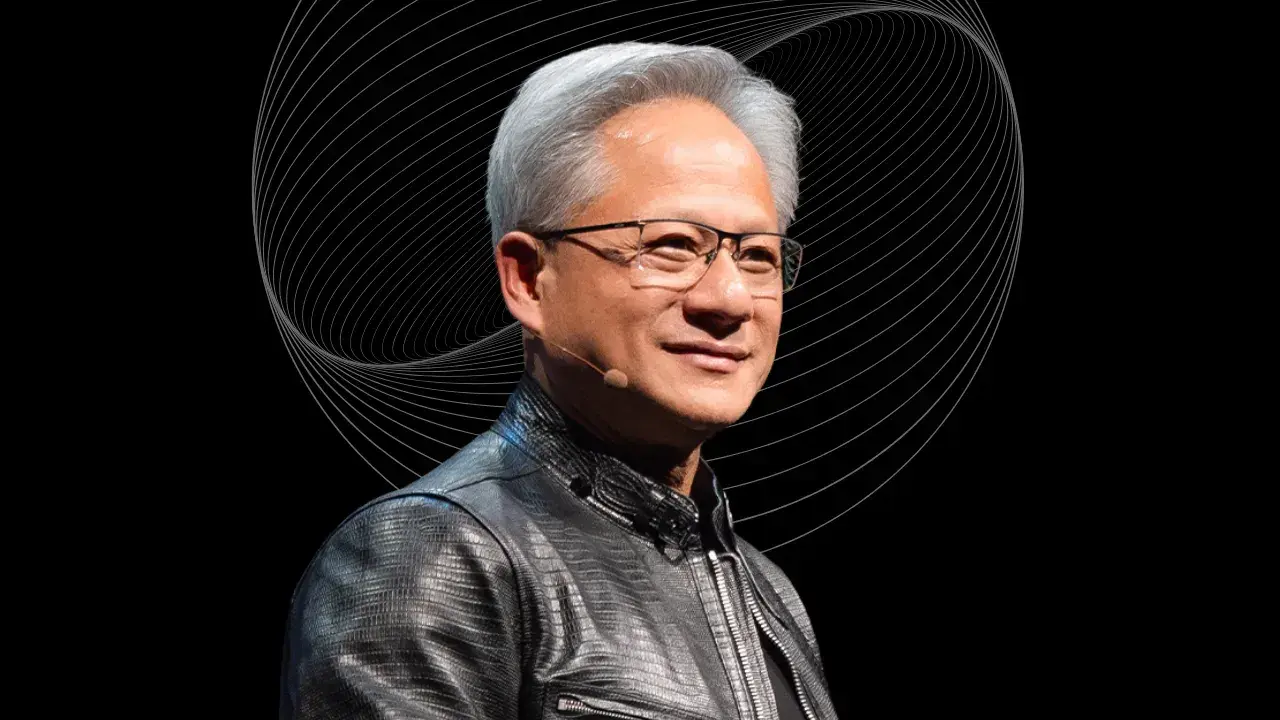
Source: Digit
Continuous Operation Creates Strategic Business Opportunity
Unlike AI coding assistants that activate on user prompts, AI cybersecurity systems operate continuously, creating sustained demand and revenue potential. Huang emphasized this distinction as a key factor in making cybersecurity a compelling commercial opportunity. "Cybersecurity will likely be the next major use of AI, and it's going to run continuously, and so it will be a great new business opportunity," he explained.
1
This continuous operation model positions AI-driven cybersecurity differently from other AI applications, creating persistent value streams for technology providers.Organizations Dramatically Increase Security Spending Plans
The shift toward AI models drive cybersecurity demand is already reflected in corporate budgets. IBM reported that 85% of organizations now plan to increase their security spending as of May, a substantial jump from 64% in the period from March 2025 to February 2026. IBM attributed this surge to organizations "becoming aware of advanced frontier AI cyber capabilities."
1
This represents a significant acceleration in investment as companies recognize both the threats and opportunities presented by advanced AI cyber capabilities.Generative AI Expanding Attack Surfaces and Defense Requirements
A World Economic Forum report from January revealed that 94% of surveyed executives identified AI as the most consequential factor shaping offensive and defensive cyber strategies this year. The research highlighted how generative AI technologies are expanding attack surfaces, contributing to unintended data exposure and more complex exploitation tactics that outpace purely human-led security teams.
1
This dual nature of AI as both threat and solution creates urgent demand for sophisticated AI-powered coding and security systems.Related Stories
Nvidia Expands Partnerships Across Cybersecurity Sector
Nvidia is actively positioning itself to capitalize on this emerging market through strategic partnerships with leading security firms. The chipmaker has announced collaborations with CrowdStrike, Cisco, and Palantir focused on developing AI-powered cybersecurity tools.
2
These partnerships signal Nvidia's commitment to building comprehensive solutions that leverage its hardware capabilities alongside established security expertise, creating integrated platforms for bug detection and threat response.Industry Concerns About AI Misuse in Cyberattacks
While Huang focused on commercial opportunities at the Goldman Sachs conference, researchers and AI companies have raised concerns about AI misuse in cyberattacks. More capable AI systems could potentially help attackers create more sophisticated threats, creating a technological arms race between offensive and defensive capabilities. However, Huang's remarks centered on the business potential rather than directly addressing these broader AI safety debates.
2
OpenAI CFO Sarah Friar also spoke at the conference, similarly describing cybersecurity as a major commercial opportunity for AI companies.References
Summarized by

Navi
Related Stories
AI Accelerates Cyberattacks While Small Organizations Struggle to Defend Against Growing Threats
28 Sept 2026•Technology

AI drives cybersecurity job market boom as firms scramble to counter software vulnerabilities
25 May 2026•Business and Economy

AI-Powered Cybersecurity: The Double-Edged Sword in the Digital Arms Race
03 Jan 2025•Technology

Recent Highlights



Recent Highlights
Today's Top Stories









Don’t drown in AI news. We cut through the noise - filtering, ranking and summarizing the most important AI news, breakthroughs and research daily. Follow topics that matter to you and stay ahead.


